
REVIEW · STREET ART
Street Art Guided Tour in Madrid
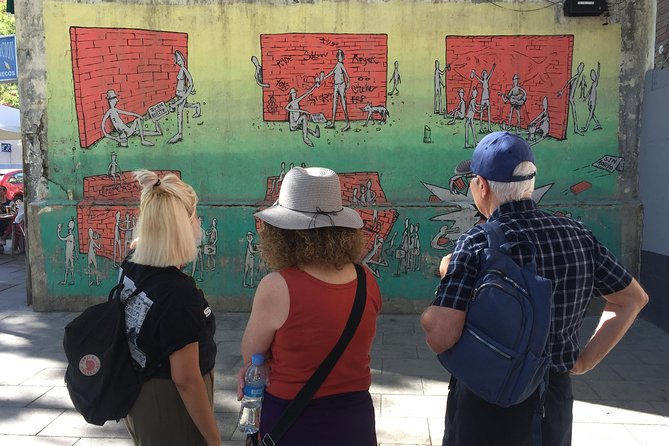
Madrid’s street art has a secret route. This 2-hour guided walk connects La Neomudéjar and La Tabacalera to the people and politics behind the walls, with plenty of time to see what’s really going on (and why).
I love how the tour points at the details: the artists’ names, the messages, and the techniques you’d miss if you were just snapping photos. You’ll also get a clear sense of how Spanish graffiti law gets discussed through art, including the context around Article 626.
One thing to consider: timing can affect what you see. La Tabacalera has restrictive weekday hours, and one stop (an urban garden) is only guaranteed if the location is open—so build in a little flexibility.
In This Review
- Key points
- Why this Madrid street-art walk starts with real walls
- Getting your bearings: Teatro Valle-Inclán to La Latina/Tirso Molina area
- La Neomudéjar: the power plant that turned into a street-art platform
- La Tabacalera de Lavapiés: tobacco workers, street art walls, and a basement full of stencils
- The exterior walls: graffiti messages + festival energy
- The basement: where street art becomes method
- Lavapiés streets: history in walking form, not museum text
- Why this neighborhood section is valuable
- Esta es Una Plaza and public space that changes with the day
- Campo de Cebada: from the 15-M movement to movie nights and community gardens
- Price and logistics: is $30.38 worth it?
- Who this tour suits best (and who might want something else)
- Small-group guiding: the difference between seeing art and reading it
- Should you book this Madrid street art tour?
- FAQ
- FAQ
- How long is the street art guided tour in Madrid?
- What’s the price per person?
- What language is the tour offered in?
- Where does the tour start?
- Where does the tour end?
- What time does the tour start?
- What are the main stops during the tour?
- Is food included in the tour price?
- Do I need an admission ticket for the key stops?
- Does the tour operate in bad weather?
- Is there a limit on group size?
Key points
- La Neomudéjar: a former power plant turned into a major street-art space
- La Tabacalera: an old tobacco warehouse, plus a basement full of stencils and street-art projects
- Artist names you’ll actually hear: Himen, Ze Carrión, Laguna626 (and more)
- Campo de Cebada: community art space shaped by the 15-M movement
- Small group feel: capped at 13 people, so questions don’t get lost
- English-friendly: offered in English, with multilingual guide support (English/French/Spanish)
A local guide takes the strain
- Madrid: Royal Palace Expert Guided Tour with Skip-the-Line★ 4.7 · 8,407 reviews
- From Madrid: Guided Day Trip to Toledo by Bus★ 4.1 · 5,280 reviews
- From Madrid: Toledo Guided Day Trip★ 4.3 · 3,501 reviews
- Madrid: Las Ventas Bullring Tour with Audio Guide★ 4.6 · 3,154 reviews
Why this Madrid street-art walk starts with real walls

If you’ve ever wondered why Madrid’s street art feels different, this tour gives you the answer in physical form: buildings with histories, neighborhoods with change, and art made to be read. You’ll start in the city center and move through Lavapiés with a guide who keeps the focus on meaning—not just pretty murals.
You’ll also get a practical benefit: it’s hard to connect all the dots on your own. Here, you’re guided from site to site with context for each wall, each space, and each protest or celebration happening in public.
And yes, it’s also fun. You’re walking through places that look like they shouldn’t belong in a tourist itinerary, which is exactly why they’re worth your time.
Getting your bearings: Teatro Valle-Inclán to La Latina/Tirso Molina area
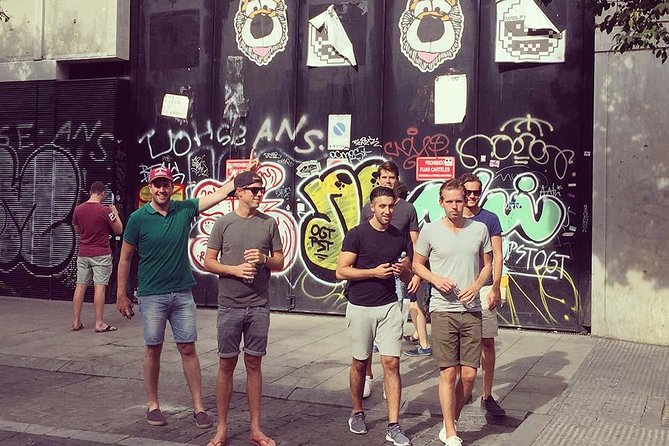
Your day begins at Teatro Valle-Inclán (Pl. de Ana Diosdado, s/n, Centro). The end lands at Plaza de Cascorro, near the La Latina or Tirso Molina metro stops. If you’re figuring out how to pair this with the rest of your Madrid plans, that end location is convenient for continuing the day on foot.
Right away, you’ll get little “spot-the-art” moments as the walk flows through the city. On the way, you pass the big-headed babies monument in front of Atocha train station. You’ll also see an avant-garde art center now based in the Mediodía metro station—useful if you like noticing how art sneaks into everyday transit.
Then you’ll head toward the first major art stop very close to your start point. That matters because you don’t waste your first 20 minutes just trying to find the scene.
La Neomudéjar: the power plant that turned into a street-art platform
La Neomudéjar is where the tour really clicks. It’s a former power plant, originally tied to station power back in the 19th century, and now it’s a reclaimed space for street artists from Spain and beyond.
This stop works well because the setting explains the art. The walls aren’t just decoration. They carry layers of reuse—industrial history turned into public creativity. When you’re in a place like this, it’s easier to understand why street art in Madrid often feels like activism and collaboration, not just style.
You’ll learn names like Himen, Ze Carrión, and Laguna626. You’ll also hear how some pieces are tied to protest against Article 626, a Spanish law that tries to penalize graffiti creators. Even if you don’t speak fluent Spanish, the point lands: the art is responding to rules, media attention, and debates about public space.
What I like for your planning: this is one of the shortest “big impact” stops. You get deep context fast, without the tour dragging.
Possible drawback: because La Neomudéjar and similar sites can host different works over time, don’t treat this as a checklist of exact images. The best mindset is to focus on the stories behind what you see in front of you.
La Tabacalera de Lavapiés: tobacco workers, street art walls, and a basement full of stencils
Next up is La Tabacalera, a 19th-century warehouse once used by more than 1,000 workers to chop, shred, and roll tobacco products. Today, it functions as a performance and exhibition space for Madrid creatives.
This stop has two sides, and the tour uses both.
Set these beside it before you book anything in Madrid


The exterior walls: graffiti messages + festival energy
You’ll spend time looking at the exterior graffiti walls, paying attention to:
- the artists’ choices
- the messages they’re sending
- the techniques used
You’ll also get a sense of how major urban art events connect to the bigger street-art ecosystem in the city. One of the most praised moments people describe is the chance to see new work being made during festival-related activity—when artists are actively painting. Even if your timing doesn’t line up with that exact moment, you’ll still understand why these spaces matter to the art scene.
The basement: where street art becomes method
Then you’ll go down to the basement. This is where you get a different kind of street-art education: hundreds of street art projects and stencils line the walls.
For your brain, this is a great shift. Instead of only seeing finished pieces, you see tools, planning, and repetition—the practical side of how stencils and layouts work.
What to consider: La Tabacalera can have restrictive timing during weekday periods. If you’re booking around a workday, you might want to treat the tour as flexible rather than guaranteed to show every interior element exactly the same way every day.
Lavapiés streets: history in walking form, not museum text
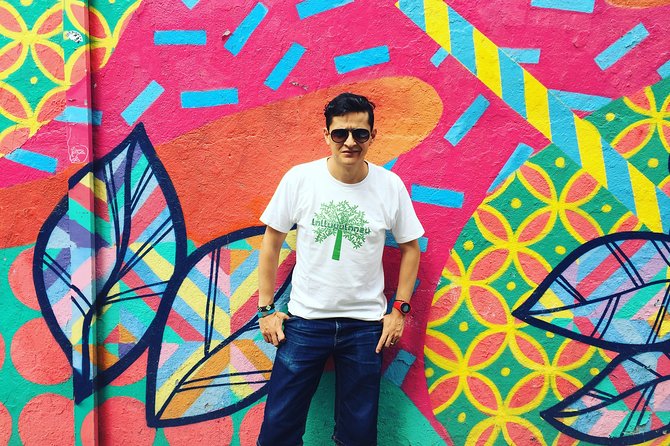
After La Tabacalera, you’ll walk through Lavapiés. This district is known for being multicultural and diverse, and the street art reflects that mix.
The guide explains the neighborhood’s history in a way that helps you read the walls like a street-level newspaper. Instead of only pointing to art and saying what it looks like, you’ll connect why certain styles show up here, how public space gets debated, and why creativity often builds in communities rather than studios.
Why this neighborhood section is valuable
A street-art tour can fail in one of two ways: it either becomes a photo scavenger hunt, or it becomes lectures from far away. Here, the walking time gives you context without feeling like you’re stuck in one spot.
Also, because the group size is capped at 13, you’re more likely to get answers to questions as you go. That’s a big deal if you want to know things like what makes art sanctioned versus unsanctioned, or how different artists approach symbolism.
One tip for you: wear comfortable shoes. You’re walking through a real neighborhood, and the best part is noticing the small details between stops.
Esta es Una Plaza and public space that changes with the day
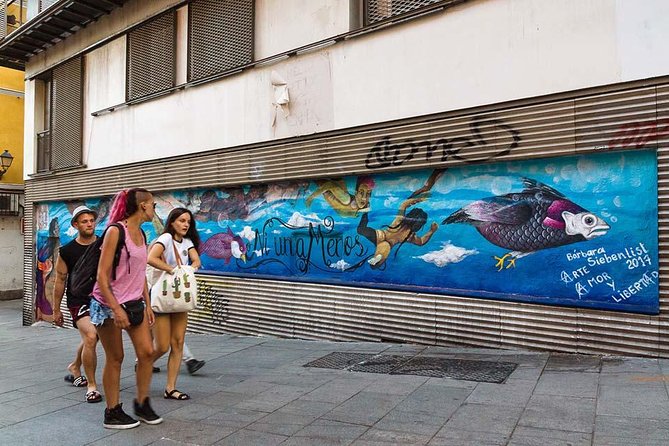
The tour includes a stop at Esta es Una Plaza, described as an urban garden. The important practical note is simple: access is only guaranteed if it’s open.
When it is open, it’s a beautiful contrast to the murals. You get a breather of green space, and you see how community art and public space can work together—less about permission, more about people using space intentionally.
When it isn’t open, don’t take it personally. The tour route is still built to keep moving toward the next big point.
Campo de Cebada: from the 15-M movement to movie nights and community gardens
The final stop is Campo de Cebada, known as The Barley Field. This is a reclaimed public gathering space and community art project tied to Spain’s 15-M movement, when citizens recaptured public streets and squares for communal use.
Campo de Cebada used to be home to a swimming pool. Today, local associations have reorganized it into a place where you might find summer movie showings, music, and even a collective garden.
This ending matters because it reframes what you’ve been seeing. Street art isn’t only about walls. It’s about people taking ownership of how public space is used—whether that ownership looks like a stencil on a wall or a garden growing in a shared plot.
If you want a “why it matters” finale, this is it.
Price and logistics: is $30.38 worth it?
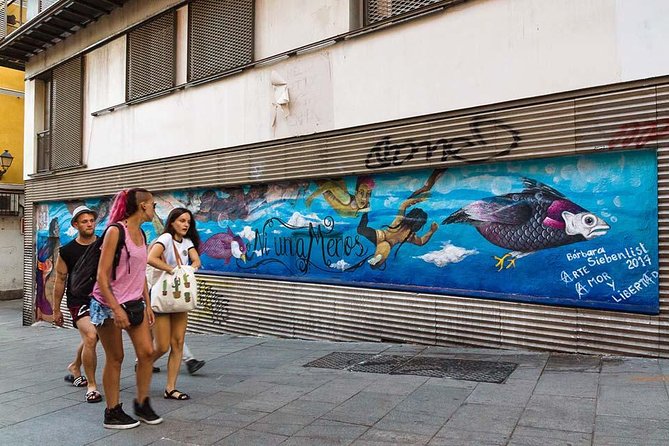
At $30.38 per person for about 2 hours, you’re paying for three things:
1) access to key street-art sites (not just passing by them)
2) a local guide who gives context on art, messages, and neighborhood history
3) a small group format (max 13), which makes Q&A realistic
In other words, you’re buying understanding, not just walking time.
Also, the tour includes a mobile ticket and runs in all weather conditions. That’s useful for Madrid planning because rain changes the city. Dress appropriately, and you’ll be fine.
English note: it’s offered in English. The guide team is listed as multilingual (English/French/Spanish), which can help if you have mixed-language friends traveling with you.
Who this tour suits best (and who might want something else)
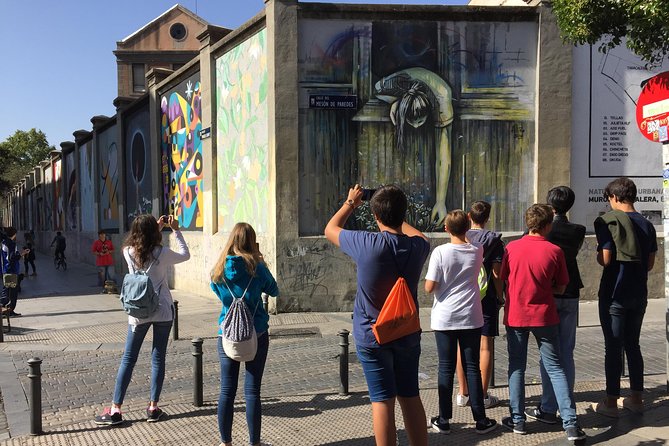
This is a strong fit if:
- you like street art with context (politics, community, craft)
- you want insider sites like La Neomudéjar and La Tabacalera instead of only central mural hunting
- you enjoy walking through neighborhoods like Lavapiés, not just monuments
- you want a small group experience where the guide can respond to questions
It might not be the best match if:
- you only want the biggest, most famous murals and care less about message and process
- you prefer long free time to wander on your own without any structured stops
- you’re easily frustrated by timing changes related to opening hours at specific locations
One review theme that shows up with this tour type is that the guide’s explanations matter. If you want to listen closely, stay near your guide at key moments. If you drift too far, you can miss the story thread.
Small-group guiding: the difference between seeing art and reading it
A huge part of the value here is the guide experience. Names that come up in the feedback include Santi/Santiago and Julia. People consistently highlight guides who are friendly, engaged, and clearly passionate about the area—so the walk doesn’t feel like a script.
Even better, you can run into moments where artists are actively painting for an upcoming festival, and you may get a chance to talk to creators about their work. That’s not something you can force, but the tour is positioned in the right places where that kind of interaction is possible.
And when festival activity isn’t happening that day, you still get the same core payoff: sanctioned works, unsanctioned art around them, and the “why” that connects both.
Should you book this Madrid street art tour?
Yes—if your goal is to understand Madrid street art, not just photograph it. The route makes sense, the sites are meaningful, and the pace is built around context: La Neomudéjar, La Tabacalera (including the basement stencil world), then Campo de Cebada to close the story.
Book it especially if you’re visiting for the first time and want a guided shortcut through Lavapiés’ street-art culture. The price is reasonable for two hours of structured access to major spaces, plus small-group attention.
FAQ
FAQ
How long is the street art guided tour in Madrid?
It’s listed as about 2 hours.
What’s the price per person?
The price is $30.38 per person.
What language is the tour offered in?
The tour is offered in English.
Where does the tour start?
The meeting point is Teatro Valle-Inclán, Pl. de Ana Diosdado, s/n, Centro, 28012 Madrid, Spain.
Where does the tour end?
The tour ends at Plaza de Cascorro, Pl. de Cascorro, Centro, Madrid, Spain.
What time does the tour start?
The start time shown is 11:15 am.
What are the main stops during the tour?
You’ll visit La Neomudéjar and La Tabacalera, then finish at Campo de Cebada. The route also includes Lavapiés and stops such as La Tabacalera exterior graffiti walls and Esta es Una Plaza.
Is food included in the tour price?
No. Food and drinks are not included.
Do I need an admission ticket for the key stops?
Admission is listed as free for the exterior graffiti walls portion and the garden stop, but the overall tour still includes guided visits to the sites.
Does the tour operate in bad weather?
Yes. It operates in all weather conditions, so dress appropriately.
Is there a limit on group size?
Yes. The tour has a maximum of 13 travelers.
If you want, tell me your travel dates (weekday vs weekend matters for timings) and what kind of street art you’re most into—political, character-based, stencils, or larger mural work—and I’ll help you decide if this route matches your style.
Easier With a Local Guide
- Madrid: Royal Palace Expert Guided Tour with Skip-the-Line
★ 4.7 · 8,407 reviews - From Madrid: Guided Day Trip to Toledo by Bus
★ 4.1 · 5,280 reviews - From Madrid: Toledo Guided Day Trip
★ 4.3 · 3,501 reviews - Madrid: Las Ventas Bullring Tour with Audio Guide
★ 4.6 · 3,154 reviews - Madrid: Royal Palace Skip-the-line Guided Tour
★ 4.9 · 3,146 reviews - Madrid Welcome Tour with Local Guide in Eco Tuk Tuk Private
★ 5.0 · 2,936 reviews
More Tours in Madrid
- Madrid: Tour Bernabéu Entry Ticket
★ 4.5 · 21,573 reviews - Madrid: Panoramic Route City Tour
★ 4.1 · 12,259 reviews - Avila & Segovia Tour with Tickets to Monuments from Madrid
★ 5.0 · 9,762 reviews - Madrid: Royal Palace Expert Guided Tour with Skip-the-Line
★ 4.7 · 8,407 reviews - Madrid: Segovia and Toledo Tour, Alcazar, and Cathedral
★ 4.7 · 7,797 reviews - Toledo Tour from Madrid: Cathedral, Synagogue & St. Tome’s Church
★ 5.0 · 6,784 reviews
More Tour Reviews in Madrid
- Madrid: Tour Bernabéu Entry Ticket
★ 4.5 · 21,573 reviews - Madrid: Prado Museum Entry Ticket
★ 4.6 · 20,699 reviews - Madrid: “Emociones” Live Flamenco Performance
★ 4.8 · 12,866 reviews - Madrid: Panoramic Route City Tour
★ 4.1 · 12,259 reviews - Madrid: Live Flamenco Show with Food and Drinks Options
★ 4.5 · 9,901 reviews - Avila & Segovia Tour with Tickets to Monuments from Madrid
★ 5.0 · 9,762 reviews
Just Added: New Madrid Tour Reviews






Street Art, compared.
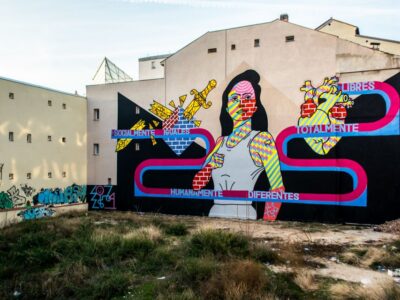 ★ 4.8Street Art Tour with Local Graffiti HunterFrom $29270 reviews
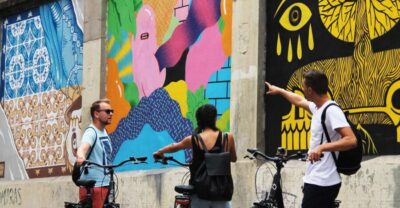 ★ 4.5Street Art Bike TourFrom $4621 reviews
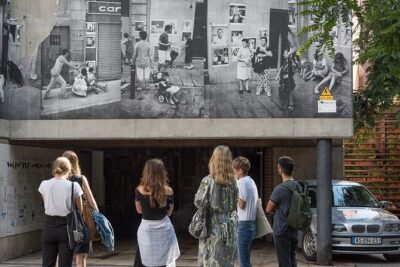 ★ 5.0Madrid Hidden Street Art TourFrom $3212 reviews
★ 5.0Hidden Street Art TourFrom $3311 reviews
★ 5.0Madrid Hidden Street Art TourFrom $3212 reviews
★ 5.0Hidden Street Art TourFrom $3311 reviews
 ★ 3.5Madrid Street Art Tour (Malasaña Chueca Gran Via & Lavapies)From $18 reviews
Browse the lists this tour appears in