
REVIEW · STREET ART
Madrid: Street Art Tour with Local Graffiti Hunter
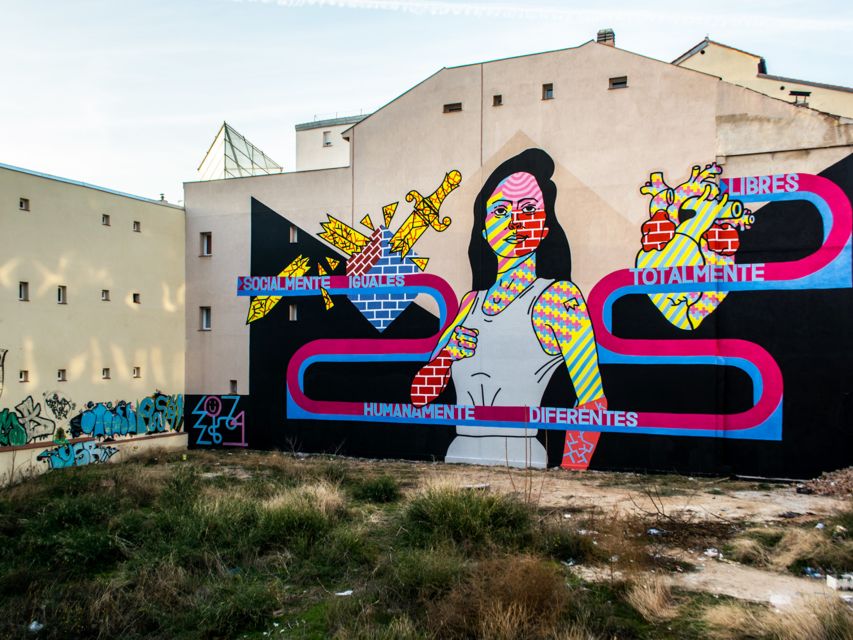
Street art beats the usual museum route. This 2-hour Madrid walk through Lavapiés and Embajadores feels like you’re reading the city’s underground language in real time, not just looking at photos. I really like the insider graffiti-writer angle, with guides connected to local street-art festivals, and I also love the concrete “go look at this wall” moments at La Tabacalera and the Plaza del Sombrerete area.
The one thing to consider is that you’re doing a focused on-foot route, so plan for streets where you’ll look up and move around a lot. Also, beverages aren’t included, so bring water planning in your head.
Your guide is English-speaking, and the vibe is more “conversation on the sidewalk” than “lecture in a group.” In past walks, guides like Ester and Julian/Julien have kept it fun, interactive, and paced so you can actually ask questions while you’re standing right in front of the art.
In This Review
- Key things you’ll notice on this Madrid graffiti hunt
- Meeting at Teatro Valle Inclán: Start Point and What to Expect
- Lavapiés and Embajadores: How the Guide Teaches You to See
- Calle Argumosa to Calle de Embajadores: Stencils, Stickers, and Urban Clues
- La Tabacalera Walls: Why a Former Factory Changes the Art
- Esta es una Plaza, Plaza del Sombrerete: Veteran Works and the Big Mural Moment
- Workshops Mentioned on the Walk: What Street Art Looks Like Off the Wall
- Price and Timing: Is $29 for 2 Hours Worth It?
- Who This Tour Suits Best (and Who Might Skip It)
- Quick Practical Tips Before You Go
- Should You Book This Madrid Street Art Tour?
- FAQ
- How long is the Madrid street art tour?
- Where is the meeting point?
- Is the tour guide English-speaking?
- Is this street art tour wheelchair accessible?
- What should I bring?
- Can I cancel or book with flexibility?
Key things you’ll notice on this Madrid graffiti hunt
- Lavapiés + Embajadores street art as neighborhood storytelling, not random walls
- La Tabacalera’s former tobacco factory walls, built for big-scale urban art
- Esta es una Plaza / Plaza del Sombrerete stops, with both veteran works and newer styles
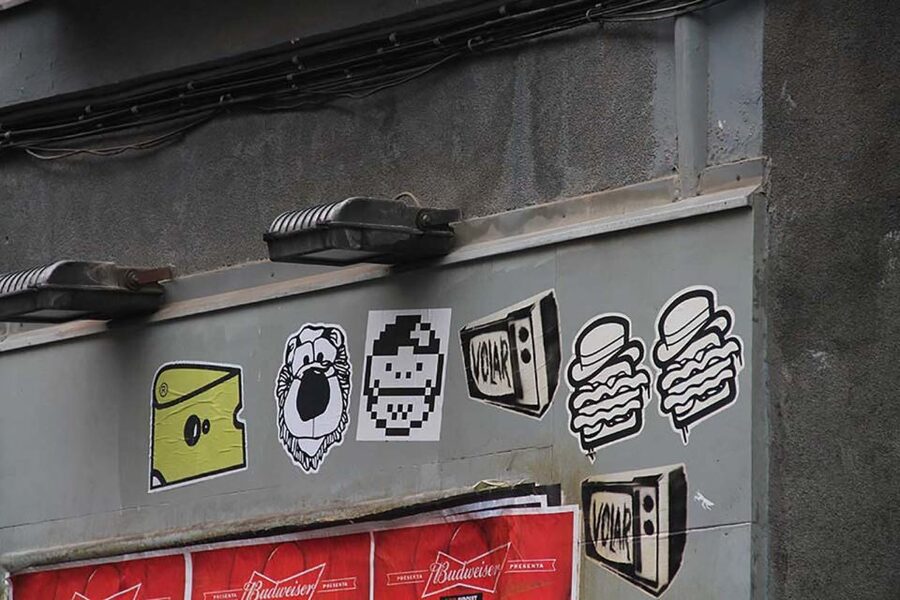
- Stencils and sticker art that are easier to spot once you know what you’re looking for
- A local guide who brings context (and tends to leave room for questions)
- Mentions of free community workshops like photography, dance, yoga, cycling, and longboarding
Set these beside it before you book anything in Madrid
- Madrid: Street Art Tour with Local Graffiti Hunter★ 4.8 · 270 reviews
- Street Art Guided Tour in Madrid★ 5.0 · 175 reviews
- Madrid: Street Art Bike Tour★ 4.5 · 21 reviews
- Madrid Hidden Street Art Tour★ 5.0 · 12 reviews
Meeting at Teatro Valle Inclán: Start Point and What to Expect
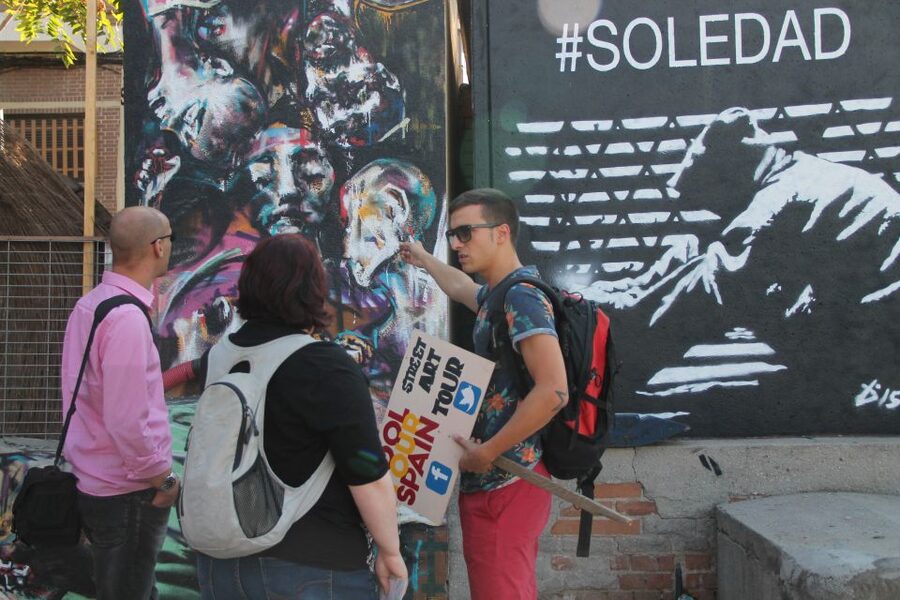
The tour meets at the entrance of Teatro Valle Inclán, Calle de Valencia, 1, 28012 Madrid. The nearest metro station is Lavapiés, which makes the start convenient if you’re already exploring the southern half of the center.
This is the kind of meeting point that helps you immediately get oriented. You’re not starting miles away from the action, and you can tie it into a day plan: museums in the morning, street art walking in the afternoon, then dinner nearby.
Bring passport or ID and wear comfortable shoes. You’ll be on real streets, and you’ll likely stop often. If your footwear is “cute but not kind,” you’ll feel it after an hour.
Lavapiés and Embajadores: How the Guide Teaches You to See
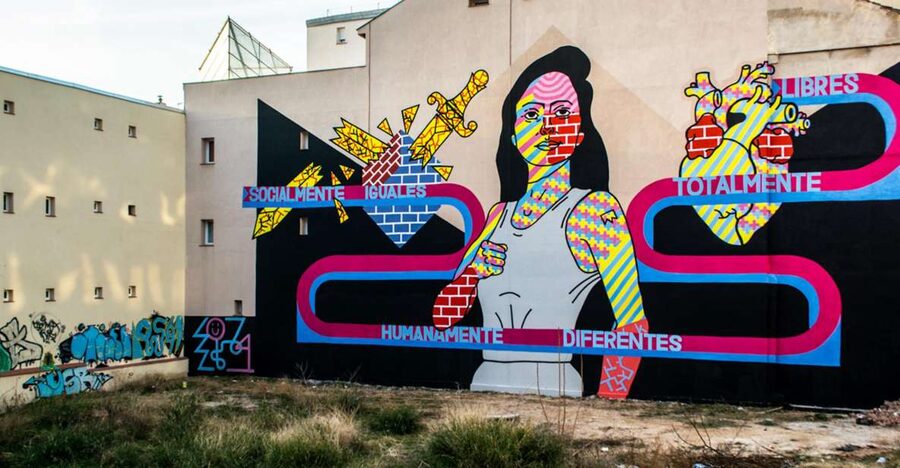
Lavapiés and Embajadores are two of Madrid’s most culturally mixed districts. That matters, because street art here isn’t just decoration. It’s communication—sometimes political, sometimes personal, often tied to community identity.
With an English-speaking guide, you’ll learn how to read different street-art languages. You’ll be pointed toward graffiti walls plus stencil and sticker art, and the guide connects the styles to why artists use them in the first place.
One reason I like this approach: it turns the neighborhood into a living classroom. Instead of “pretty wall,” you get context—how underground art grows, how artists build reputations, and why certain spots become known landmarks.
Also, many guides for this route keep the walk interactive. In past sessions, guides like Ester and Julian/Julien have used questions along the way to keep both street-art fans and first-timers engaged. If you’re new, that’s huge. You won’t feel like you missed the rules.
Calle Argumosa to Calle de Embajadores: Stencils, Stickers, and Urban Clues
As the walk continues along Calle Argumosa and Calle de Embajadores, you’ll start noticing patterns. Stickers often act like quick statements—small but purposeful. Stencils can feel sharper and more graphic, like they want to be read at a distance. Graffiti tags and murals can shift the mood from playful to confrontational fast.
The practical trick on this part of the route: don’t try to photograph everything at once. Look first, then shoot. When the guide points out a technique (shape, placement, layering, repetition), it suddenly makes the wall easier to decode.
This stretch also has an “in-between” feeling that I think is the real value of a guided walk. Between the major named stops, you still get stops for smaller works—enough to keep you alert without turning it into a rushed checklist.
La Tabacalera Walls: Why a Former Factory Changes the Art
One of the standout stops is La Tabacalera, a former tobacco factory. The vibe changes the moment you reach the walls. Factories like this give artists a different canvas—big surfaces, strong textures, and room for layered styles.
Here, you’re not just seeing street art. You’re seeing how urban art behaves when it has space and permission-like energy from the creative world around it. You’ll get examples tied to Madrid’s underground street-art culture, including graffiti styles plus stencil and sticker work.
This is also a logical place for the guide to add festival context. The tour notes that the guide collaborates with street-art events such as CALLE Lavapies, Urvanity, and Muros Tabacalera—so the art at La Tabacalera isn’t presented as random. It’s connected to an ecosystem where walls, artists, and audiences interact.
If you like understanding how art is supported (or resisted) by the real places it lives, this stop is a payoff.





Esta es una Plaza, Plaza del Sombrerete: Veteran Works and the Big Mural Moment
The tour includes a focused stop at Esta es una Plaza, Plaza del Sombrerete. This is where the guide helps you spot the difference between “street art as a style” and “street art as a timeline.”
The emphasis here is on veteran artists and the local meaning behind their work. The guide helps you understand why some works feel like landmarks—because they’re tied to people, neighborhood identity, and long-running visual conversations.
And yes, there’s a major highlight here too: you get a chance to see the biggest mural in Madrid’s Center District as part of this area’s street-art run.
Practical note: murals like this are often worth lingering at. Give yourself a full minute before you move on. If you’re in the habit of walking and snapping, resist it just this once. Let your eyes adjust to the details; the guide will help you catch what you’d otherwise miss.
Workshops Mentioned on the Walk: What Street Art Looks Like Off the Wall
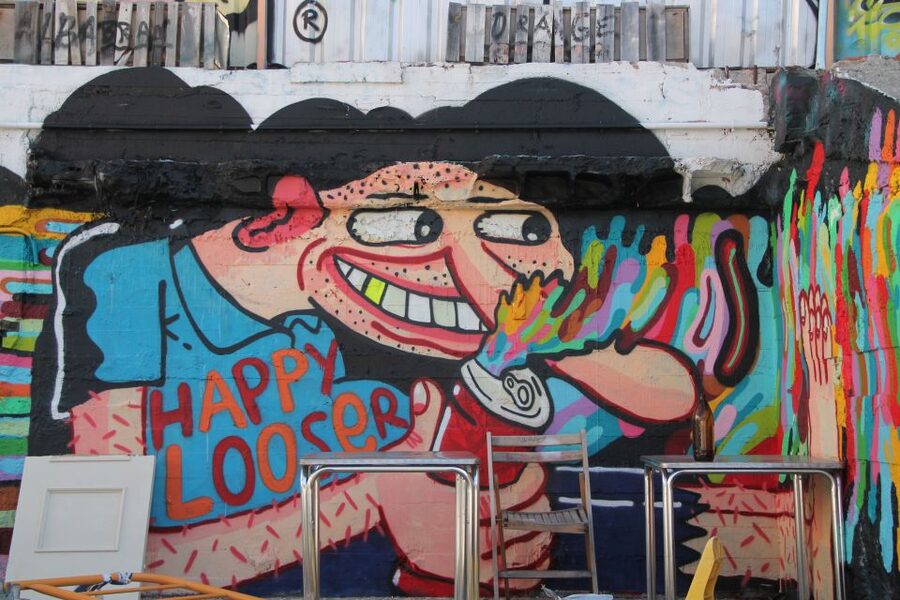
Not every street-art experience only talks about paint on walls. In this one, you’ll learn about free workshops the community offers—things like photography, dance, yoga, cycling, longboarding, and more.
Why this matters: it shows you street art isn’t only an aesthetic. It’s part of a larger neighborhood culture where people practice creativity in multiple forms. If you’re the kind of traveler who likes to meet the city through how residents live, these workshop mentions help you connect art to daily rhythms.
Even if you don’t plan to attend a workshop on your trip, it’s a useful piece of mental mapping. It tells you where to look next: not just “where are the murals,” but “where does the creative community meet?”
Price and Timing: Is $29 for 2 Hours Worth It?
At $29 per person for about 2 hours, this tour is priced like a “focused experience,” not an all-day neighborhood pass. That’s a good thing. Street art changes constantly, and the best walks help you learn how to see quickly.
You’re also paying for two things that don’t happen on your own:
- An English-speaking guide who can connect techniques (stencils, stickers, graffiti styles) to meaning
- A route design that puts you in the right districts and in front of notable walls—like La Tabacalera and Plaza del Sombrerete
One trade-off is also worth saying clearly: you’re not getting beverages included. So if you tend to get thirsty during walks, grab water before you start, or plan a quick stop afterward.
In short, if your goal is to learn the language of Madrid’s street-art culture—fast—this is solid value.
Who This Tour Suits Best (and Who Might Skip It)
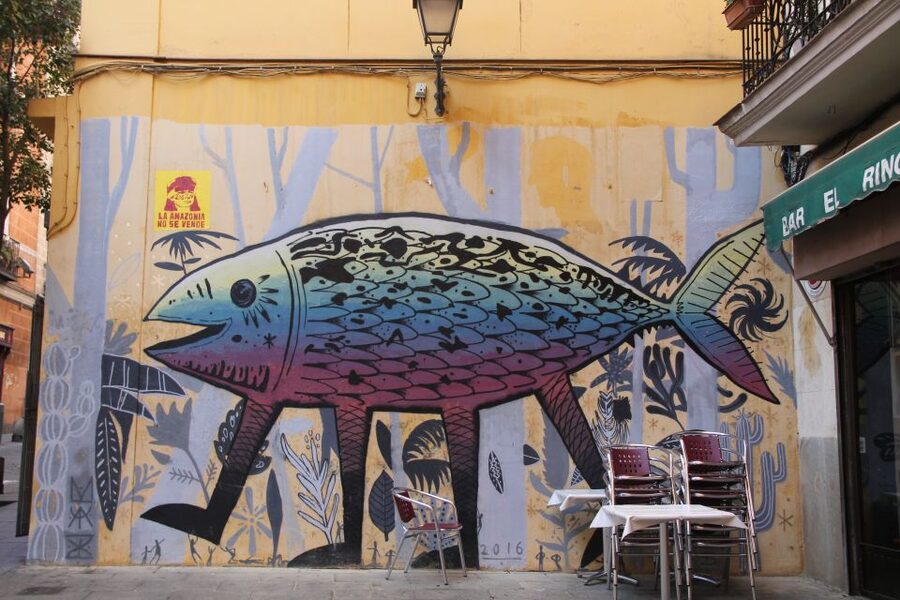
This is a great match if you:
- Want to see Madrid in a way that isn’t just museums
- Like street art but want context for what you’re looking at
- Enjoy neighborhood walking that includes cultural history and community meaning
- Appreciate guides who keep the pace friendly and leave time for questions (guides like Ester and Julian/Julien have been praised for exactly that style)
You might want to skip or at least adjust expectations if you:
- Hate walking around a lot and prefer sitting down for long stretches
- Are only interested in classical landmarks and feel street art is too “underground” for your taste
Quick Practical Tips Before You Go
- Wear comfortable shoes. You’ll be moving and stopping.
- Bring ID/passport.
- Expect it to be English-speaking, and keep your listening earbuds out so you can focus on the guide’s explanations.
- Bring water planning. Beverages aren’t included.
- If rain shows up, expect you’ll still be walking. Pack a light layer and water-friendly shoes, just in case.
Should You Book This Madrid Street Art Tour?
I’d book it if you want a street-art walk that treats the neighborhood as a story, not a photo set. The best part isn’t any single mural—it’s how the guide teaches you to interpret what you see as you go: graffiti walls, stencil and sticker work, and major stops like La Tabacalera and Plaza del Sombrerete.
The $29 price also feels fair for a guided, 2-hour route with an English-speaking local perspective. Do it early in your trip if you can, while you’re still forming your sense of Madrid’s different neighborhoods—this tour helps you read the city beyond the usual highlights.
FAQ
How long is the Madrid street art tour?
It lasts about 2 hours.
Where is the meeting point?
You meet at the entrance of Teatro Valle Inclán, Calle de Valencia, 1, 28012 Madrid. The nearest metro station is Lavapiés.
Is the tour guide English-speaking?
Yes. The tour is operated in English with an English-speaking guide.
Is this street art tour wheelchair accessible?
Yes, it is listed as wheelchair accessible.
What should I bring?
Bring your passport or ID card, and wear comfortable shoes for a walking tour.
Can I cancel or book with flexibility?
Yes. There’s free cancellation up to 24 hours in advance for a full refund, and you can reserve now and pay later.
More Street Art in Madrid
- Street Art Guided Tour in Madrid
★ 5.0 · 175 reviews - Madrid: Street Art Bike Tour
★ 4.5 · 21 reviews - Madrid Hidden Street Art Tour
★ 5.0 · 12 reviews - Madrid: Hidden Street Art Tour
★ 5.0 · 11 reviews - Madrid Street Art Tour (Malasaña Chueca Gran Via & Lavapies)
★ 3.5 · 8 reviews
More Tours in Madrid
- Madrid: Tour Bernabéu Entry Ticket
★ 4.5 · 21,573 reviews - Madrid: Panoramic Route City Tour
★ 4.1 · 12,259 reviews - Avila & Segovia Tour with Tickets to Monuments from Madrid
★ 5.0 · 9,762 reviews - Madrid: Royal Palace Expert Guided Tour with Skip-the-Line
★ 4.7 · 8,407 reviews - Madrid: Segovia and Toledo Tour, Alcazar, and Cathedral
★ 4.7 · 7,797 reviews - Toledo Tour from Madrid: Cathedral, Synagogue & St. Tome’s Church
★ 5.0 · 6,784 reviews
More Tour Reviews in Madrid
- Madrid: Tour Bernabéu Entry Ticket
★ 4.5 · 21,573 reviews - Madrid: Prado Museum Entry Ticket
★ 4.6 · 20,699 reviews - Madrid: “Emociones” Live Flamenco Performance
★ 4.8 · 12,866 reviews - Madrid: Panoramic Route City Tour
★ 4.1 · 12,259 reviews - Madrid: Live Flamenco Show with Food and Drinks Options
★ 4.5 · 9,901 reviews - Avila & Segovia Tour with Tickets to Monuments from Madrid
★ 5.0 · 9,762 reviews
Just Added: New Madrid Tour Reviews






Street Art, compared.
 ★ 5.0Street Art Guided Tour in MadridFrom $30175 reviews
 ★ 4.5Street Art Bike TourFrom $4621 reviews
 ★ 5.0Madrid Hidden Street Art TourFrom $3212 reviews
★ 5.0Hidden Street Art TourFrom $3311 reviews
★ 5.0Madrid Hidden Street Art TourFrom $3212 reviews
★ 5.0Hidden Street Art TourFrom $3311 reviews
 ★ 3.5Madrid Street Art Tour (Malasaña Chueca Gran Via & Lavapies)From $18 reviews
Browse the lists this tour appears in