
REVIEW · STREET ART
Madrid: Hidden Street Art Tour
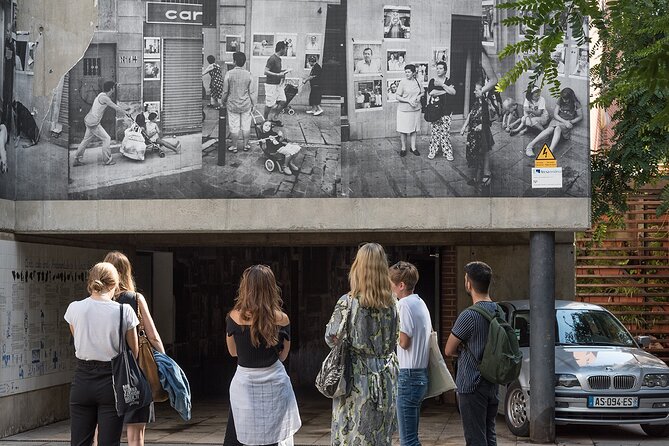
Street art turns Lavapiés into an open-air museum. This is a small-group walk with guides who are artists or art historians, so you don’t just spot walls—you learn what you’re looking at. You’ll see big murals by internationally known names and also track down smaller, easy-to-miss pieces with messages tucked into unexpected corners. One thing to plan for: at the gallery stop, if something grabs you, you’ll pay for it.
What I like most is the pace and attitude. You’re moving at a low-key rhythm through streets that feel like a real neighborhood, where locals are around and the focus stays on art, not crowds. At about two hours, it’s long enough to train your eye for tags, paste-ups, and urban sculpture styles, without cooking you in the process.
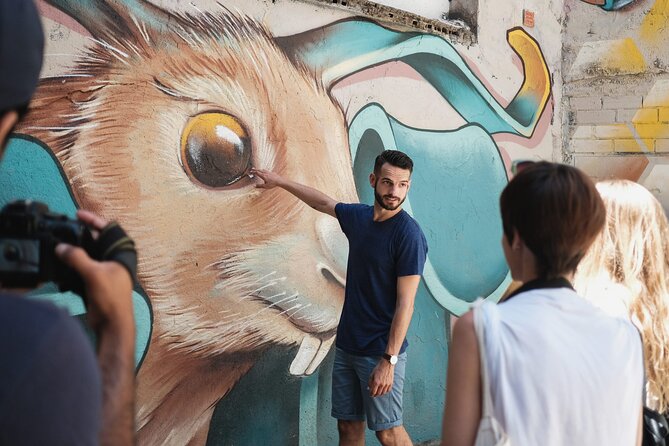
Another plus: the human touch. Guides such as Roberto are known for making the history and culture feel clear and friendly, the way a local friend would explain it. That kind of context matters in street art, because meaning is usually hiding one layer beneath the paint.
In This Review
- Key things to know before you go
- Lavapiés: Where Madrid Street Art Feels Like Part of Daily Life
- Tour Basics: The Practical Stuff That Shapes Your Experience
- Start Outside Portomarín: Coffee, Then Paint-Spotting
- Calle de Argumosa: First Murals, First Lessons
- Reina Sofía Pass-By: Art Context Without the Museum Detour
- Mercado Antón Martín: Street Art in a Market Neighborhood Mood
- Lola Gil’s Trampantojo Cerámico: When Art Pretends It’s Not Art
- Calle de Embajadores: The Walk Where You Start Seeing Messages
- Ending at the Local Gallery: Art You Can Meet, Not Just Photograph
- What Makes This Tour Worth $33
- Who This Tour Suits (and Who Might Skip It)
- Should You Book This Hidden Street Art Tour in Madrid?
- FAQ
- How long is the Madrid: Hidden Street Art Tour?
- What neighborhood does the tour focus on?
- How much does the tour cost?
- What is the group size?
- What language is the tour in?
- Where do we meet?
- Is the tour wheelchair accessible?
- What does the tour include?
- What is not included?
- Is free cancellation available?
Key things to know before you go
- Small group (up to 10): easier conversation and less rushing through walls
- Lavapiés focus: you’ll see street art in a neighborhood setting, not just photo stops
- Big murals plus tiny details: both the headline pieces and the small messages matter
- Guide-led art spotting: you’ll learn how to recognize styles like tags and paste-ups
- Ends at a local gallery: you can meet artists and view work up close
Set these beside it before you book anything in Madrid
- Madrid: Street Art Tour with Local Graffiti Hunter★ 4.8 · 270 reviews
- Street Art Guided Tour in Madrid★ 5.0 · 175 reviews
- Madrid: Street Art Bike Tour★ 4.5 · 21 reviews
- Madrid Hidden Street Art Tour★ 5.0 · 12 reviews
Lavapiés: Where Madrid Street Art Feels Like Part of Daily Life
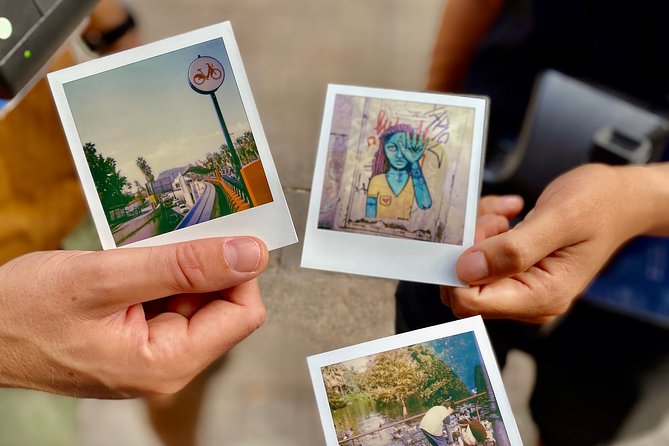
Lavapiés is the kind of Madrid neighborhood where art doesn’t wait for museum hours. Walls carry conversation—sometimes political, sometimes personal, sometimes just smart and weird—and the best street art tours teach you how to read that language.
This tour works because it doesn’t treat street art like a scavenger hunt. You’re walking a real route, getting context from guides who are artists or art historians, and learning how the symbols and references connect to what’s happening in the neighborhood. That makes you leave with a real skill, not just photos.
You’ll also get that low-key local feeling. Instead of racing through the obvious spots, you’ll spend time in streets where the artwork is woven into everyday life. That means you notice details faster because you’re not always dodging tour groups.
Tour Basics: The Practical Stuff That Shapes Your Experience
This is a 2-hour guided street art walk in English. Groups are limited to 10 participants, which keeps it calm and lets the guide actually explain things instead of shouting over the crowd. It’s also wheelchair accessible, so it’s built for more travelers than the usual “quick stairs and tight alleys” style tour.
Price is $33 per person. For that, you’re getting a guide-led route of top street art plus a structured walk with context, not just a route link on your phone. The “cost vs. value” math gets better because street art isn’t only about the art itself. It’s about knowing why it exists and how to tell styles apart, and that’s exactly what this tour is set up to teach.
One small thing to keep in mind: the gallery stop is not a free-shopping spree. If you want a piece you see, you’ll need to pay for it.
Start Outside Portomarín: Coffee, Then Paint-Spotting
You begin in front of the Portomín restaurant. If you arrive a bit early, you can pop in for a coffee or a refreshment before the walk starts. That’s handy because the tour is short, and you don’t want to waste those minutes standing around wondering what time it is.
From the start, the tour’s rhythm is built around attention. You’re not just walking; you’re training your eyes. The route quickly moves you into the neighborhood’s street-art layer, so you get momentum right away instead of spending the first half-hour mostly orienting.
A short start like this is a good choice for Madrid planning. It slots easily into a day of museums, markets, or a long lunch, and you’re back out with enough energy to keep exploring.
Calle de Argumosa: First Murals, First Lessons
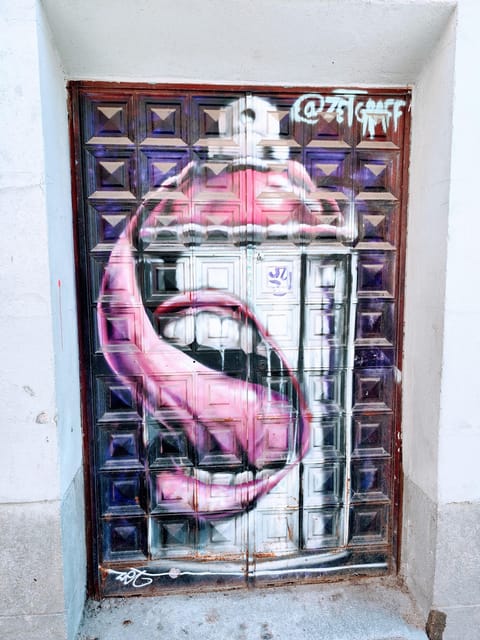
The first stretch takes you along Calle de Argumosa. This is where the tour helps you switch from seeing walls to reading them.
The guide’s approach matters here. With someone who can talk through the symbolism and cultural references, even the first murals start to feel less random. You’ll get a sense of how street art in Lavapiés can shift from bold, large-scale statements to subtler work that rewards slower looking.
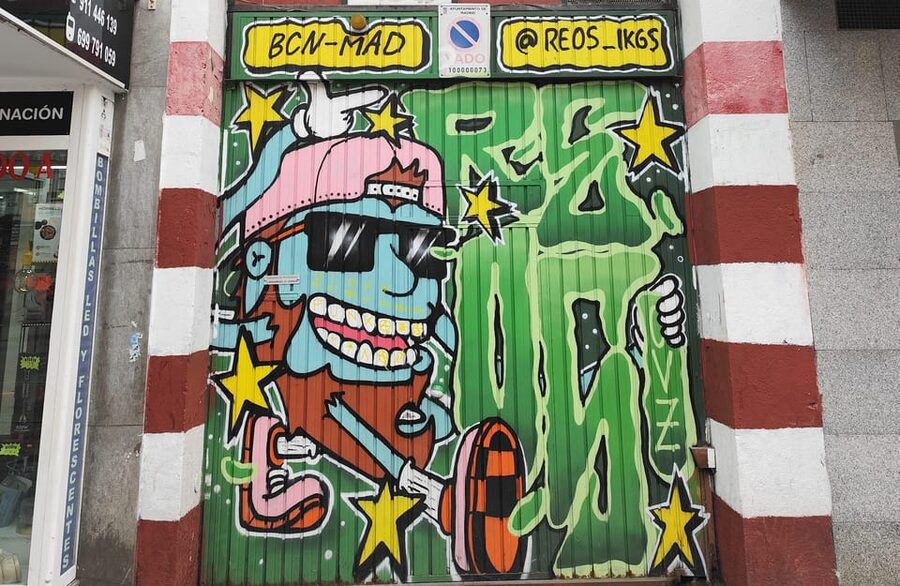
This is also where you begin noticing differences in style. Street art covers a wide range—from quick tags to more composed paste-ups, and even sculptural urban pieces. If you can spot those differences, the rest of the walk gets easier and more fun.





Reina Sofía Pass-By: Art Context Without the Museum Detour
Along the way, you pass by Museo Nacional Centro de Arte Reina Sofía. You don’t spend time inside the museum on this tour, but the pass-by works as an anchor point. It reminds you that the neighborhood street art sits next to a wider Madrid art world, not in isolation.
Think of this moment as a mental handrail. It helps you connect the dots between formal art spaces and the street-level creativity happening outside. You still focus on the neighborhood walls, but you’re not operating in a bubble.
If you’re a museum person, this can also be a perk: you get a quick reference to a major art site without sacrificing the street-art time you paid for.
Mercado Antón Martín: Street Art in a Market Neighborhood Mood
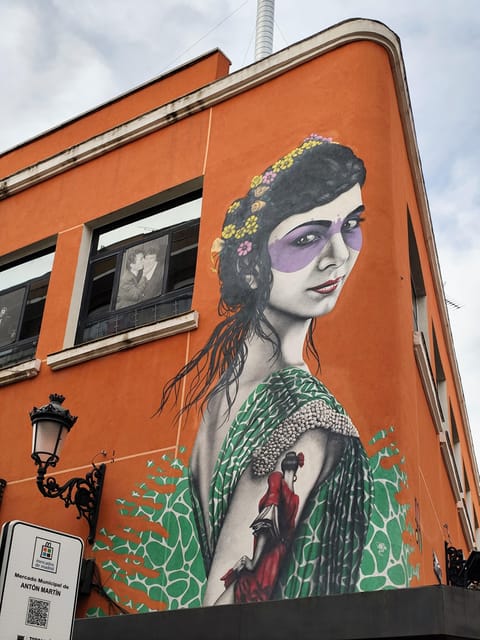
Next comes a stop at Mercado Antón Martín. You’ll visit and do a bit of sightseeing here, and that’s a smart move. Markets are where you feel the neighborhood’s pulse, and that’s exactly the context street art lives in.
Even if you don’t eat or shop, the market environment helps you understand the human side of the walls. You’re not learning street art in a vacuum. You’re learning it while surrounded by locals doing normal things—buying, talking, moving through the day.
Practical tip: since the tour is short, use this stop to grab a drink or a snack if you need it. Hot Madrid afternoons can sneak up on you, and the guide sets a pace that suits warm weather, but you still want to stay comfortable.
Lola Gil’s Trampantojo Cerámico: When Art Pretends It’s Not Art
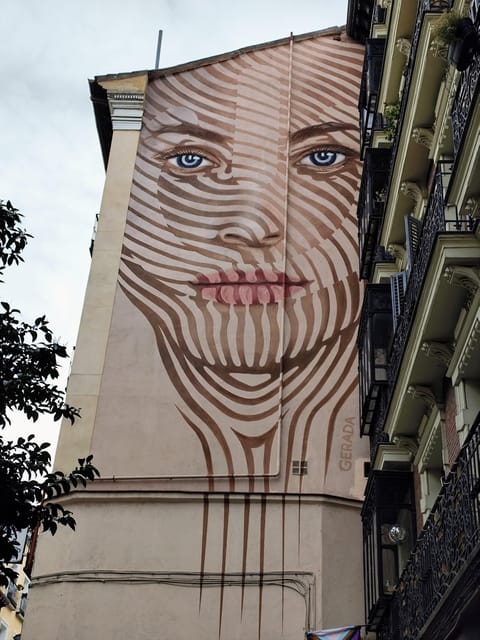
One of the most interesting stops is the Trampantojo cerámico de Lola Gil. The word trampantojo points to a classic street-art trick: making surfaces look like something else.
This is a great place to slow down. These kinds of pieces can be visual jokes, illusions, or clever craft statements all at once. And because it’s ceramic-related, you get a different texture and material story than the typical paint mural.
This is also where the tour’s style-learning becomes real. You start to see how street art can include craft methods, not only spray paint. When you can recognize the medium, you often understand the intention faster.
Calle de Embajadores: The Walk Where You Start Seeing Messages
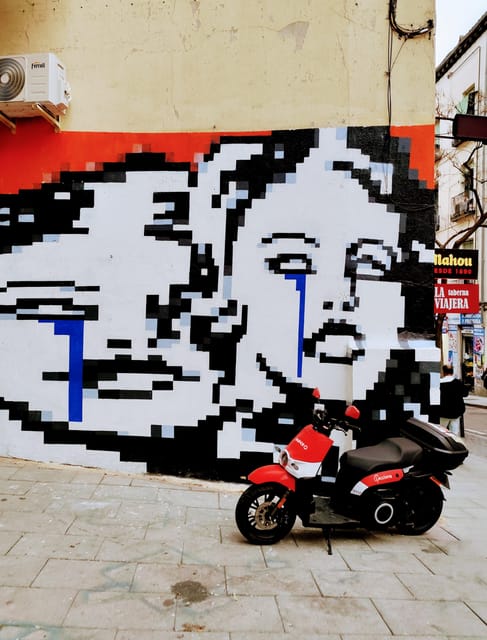
Calle de Embajadores is one of the longer segments of the route. It’s also the part where you’ll likely feel the tour clicking.
As you walk, your guide keeps pointing out murals and pieces beyond the obvious. The tour is built around seeing both big, headline walls and hidden details that most people miss because they glance past them. That combination is important: large murals teach you scale and theme, while the tiny bits teach you reading skills.
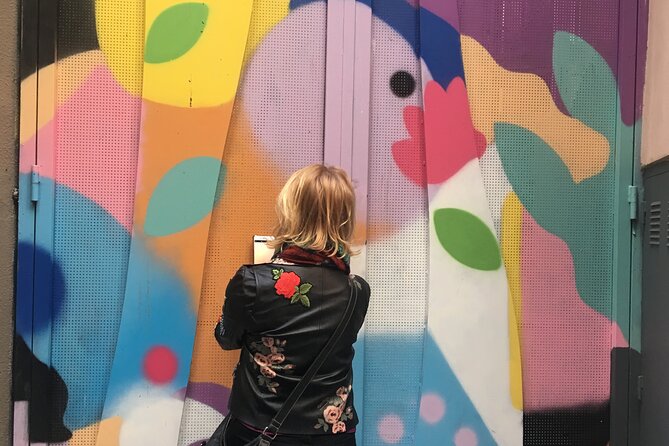
This is where you learn how to decipher hidden messages on walls and how to recognize different graffiti styles. Tags and paste-ups have their own logic, and urban sculpture-style work adds another layer. By the time you reach this street, you’re no longer only impressed—you’re analyzing.
A tour like this is also a good way to learn respectful looking. Street art can be controversial, political, or just plain bold. When you understand the references, it feels less like random color and more like part of the neighborhood’s ongoing story.
Ending at the Local Gallery: Art You Can Meet, Not Just Photograph
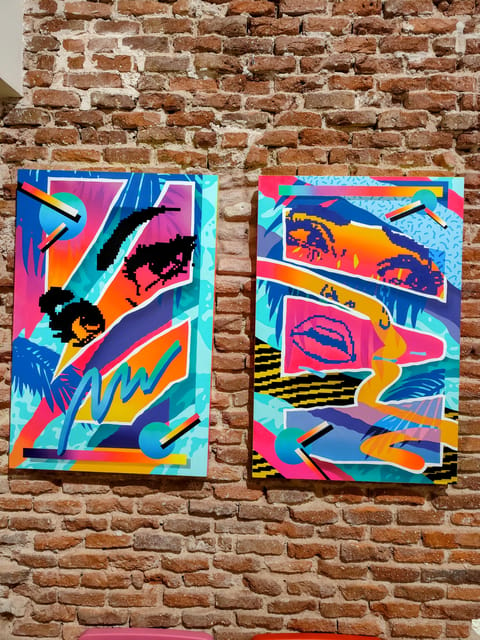
The tour ends with a visit to a local gallery in Lavapiés. This is a strong closing move because it bridges street art and the art ecosystem around it.
You can usually meet local artists during the gallery visit, which helps explain what you saw outside. When street pieces move into a gallery setting, you often learn how artists think about their work, how it’s made, and how meaning changes when the location changes.
It also gives you an honest option for buying. If you find a piece you love, you’ll have to pay for it, because that purchase isn’t part of the tour price. But the trade-off is simple: you’re not guessing what something is worth or whether it’s real. You’re looking at work in a real setting with real people connected to it.
What Makes This Tour Worth $33
Let’s talk value, because $33 for two hours in a walk isn’t automatically a steal or a rip-off. Here’s why it can feel worth it:
- You’re paying for interpretation. Seeing street art is easy. Understanding it is the hard part, and the guides bring artist or art historian expertise.
- You get both scale and detail. Big murals are impressive, but the hidden corners are where you learn the “how to read it” skill.
- Small group keeps it practical. With up to 10 people, the guide can pace the explanations, and you’re not just following like a dot on a map.
If your travel style is more look-and-learn than look-and-scroll, this price makes sense. If you’re only chasing photos and already know the artists and styles, you might feel less of a payoff. But for most visitors, street art becomes a lot more fun when someone helps you see what matters.
Who This Tour Suits (and Who Might Skip It)
This experience is a great fit if you:
- like walking with a goal and prefer learning over guessing
- want to focus on one neighborhood instead of doing a sprint through Madrid
- enjoy noticing style differences and reading street messages
- want a small-group tour with a calm pace
It might be less ideal if:
- you’re not into walking or you prefer museum-style seating and time indoors
- you only care about the most famous murals and don’t want the hidden-detail focus
- you’re traveling with a tight schedule and can’t fit a full two-hour block
The good news is the walk length is fixed, and the pace is designed to work for warmer afternoons, so you can plan around it without surprises.
Should You Book This Hidden Street Art Tour in Madrid?
If you want street art that feels like you understand the neighborhood, I think this is a strong booking choice. The mix of big murals, lesser-seen details, style-spotting lessons, and an ending gallery visit gives you more than pretty walls. You leave with a way to look at the city differently.
Book it if:
- you’re curious about how street art symbols and references connect to local culture
- you want a small-group guide-led experience in Lavapiés
- you’d like a gallery stop that adds context (not just shopping)
Skip it only if:
- your goal is mainly photos with zero learning
- you don’t want to spend part of your day walking through a residential neighborhood setting
FAQ
How long is the Madrid: Hidden Street Art Tour?
It lasts 2 hours.
What neighborhood does the tour focus on?
The walk is in Lavapiés.
How much does the tour cost?
It costs $33 per person.
What is the group size?
It’s a small group limited to 10 participants.
What language is the tour in?
The tour guide leads in English.
Where do we meet?
You meet in front of the Portomín restaurant.
Is the tour wheelchair accessible?
Yes, it is wheelchair accessible.
What does the tour include?
You get a local guide’s expertise and a route featuring the best street art.
What is not included?
The gallery pieces are not included. If you buy something at the gallery, you pay for it.
Is free cancellation available?
Yes, you can cancel up to 24 hours in advance for a full refund.
More Street Art in Madrid
- Madrid: Street Art Tour with Local Graffiti Hunter
★ 4.8 · 270 reviews - Street Art Guided Tour in Madrid
★ 5.0 · 175 reviews - Madrid: Street Art Bike Tour
★ 4.5 · 21 reviews - Madrid Hidden Street Art Tour
★ 5.0 · 12 reviews - Madrid Street Art Tour (Malasaña Chueca Gran Via & Lavapies)
★ 3.5 · 8 reviews
More Tours in Madrid
- Madrid: Tour Bernabéu Entry Ticket
★ 4.5 · 21,573 reviews - Madrid: Panoramic Route City Tour
★ 4.1 · 12,259 reviews - Avila & Segovia Tour with Tickets to Monuments from Madrid
★ 5.0 · 9,762 reviews - Madrid: Royal Palace Expert Guided Tour with Skip-the-Line
★ 4.7 · 8,407 reviews - Madrid: Segovia and Toledo Tour, Alcazar, and Cathedral
★ 4.7 · 7,797 reviews - Toledo Tour from Madrid: Cathedral, Synagogue & St. Tome’s Church
★ 5.0 · 6,784 reviews
More Tour Reviews in Madrid
- Madrid: Tour Bernabéu Entry Ticket
★ 4.5 · 21,573 reviews - Madrid: Prado Museum Entry Ticket
★ 4.6 · 20,699 reviews - Madrid: “Emociones” Live Flamenco Performance
★ 4.8 · 12,866 reviews - Madrid: Panoramic Route City Tour
★ 4.1 · 12,259 reviews - Madrid: Live Flamenco Show with Food and Drinks Options
★ 4.5 · 9,901 reviews - Avila & Segovia Tour with Tickets to Monuments from Madrid
★ 5.0 · 9,762 reviews
Just Added: New Madrid Tour Reviews






Street Art, compared.
 ★ 4.8Street Art Tour with Local Graffiti HunterFrom $29270 reviews
 ★ 5.0Street Art Guided Tour in MadridFrom $30175 reviews
 ★ 4.5Street Art Bike TourFrom $4621 reviews
 ★ 5.0Madrid Hidden Street Art TourFrom $3212 reviews
 ★ 3.5Madrid Street Art Tour (Malasaña Chueca Gran Via & Lavapies)From $18 reviews
Browse the lists this tour appears in