
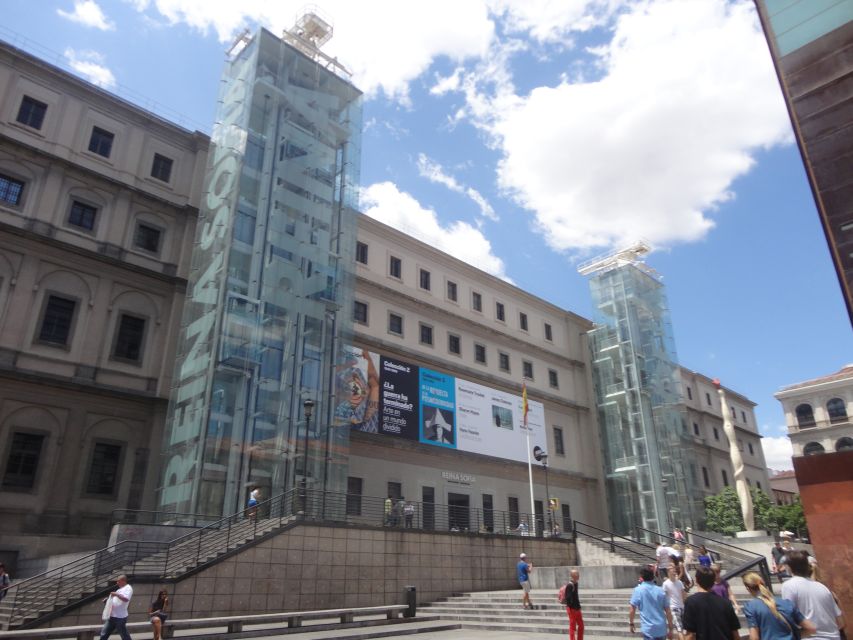
REVIEW · REINA SOFÍA MUSEUM TOURS
Madrid: Thyssen-Bornemisza & Reina Sofia Private Tour
Madrid is where great art stops being abstract. In just 4 hours you can move through two of Spain’s most important museums with a private guide and no ticket-line hassle. I especially like how this tour connects European painting history in a way that feels orderly, not overwhelming.
My second big win is the range: you go from older masters and Renaissance works to Impressionism, then jump into 20th-century movements like Cubism and Pop Art. Then you finish at the Reina Sofía, where the focus turns to core Spanish voices like Pablo Picasso, Salvador Dalí, and Joan Miró.
One practical drawback: transportation isn’t included, so you’ll need a plan for getting to the meeting point on your own.
Key highlights you’ll actually feel
- Skip-the-line entry to both museums so you spend more time looking, less time waiting.
- Expert, private guiding in Spanish or English to help you read what you’re seeing.
- Two museums, one art story from older European schools to modern Spanish art.
- Clear focus on 20th-century styles including Cubism, German Expressionism, Pop Art, and more.
- A smart walk between sites, ending at the Reina Sofía in Madrid’s former General Hospital.
In This Review
- Two Museums, One Art Story in Madrid’s Main Museum Area
- Thyssen-Bornemisza: From Italian and Flemish Roots to 20th-Century Shockwaves
- Walking to the Reina Sofía: The Setting Matters
- Reina Sofía Focus: Picasso, Dalí, Miró, and the Modern Spanish Pulse
- What You Gain with a Private Guide (and How to Use It)
- How the 4-Hour Timing Works in Real Life
- Price and Value: Is $283 Worth It?
- Practical Notes: Where to Meet and What to Bring
- Should You Book This Private Tour of Thyssen-Bornemisza and Reina Sofía?
- FAQ
- What museums are included on this tour?
- How long is the private tour?
- Is the ticket line skipped?
- What’s included in the price?
- Is transportation included?
- Where do I meet the guide?
- What languages is the live guide available in?
- Is the tour wheelchair accessible?
Two Museums, One Art Story in Madrid’s Main Museum Area
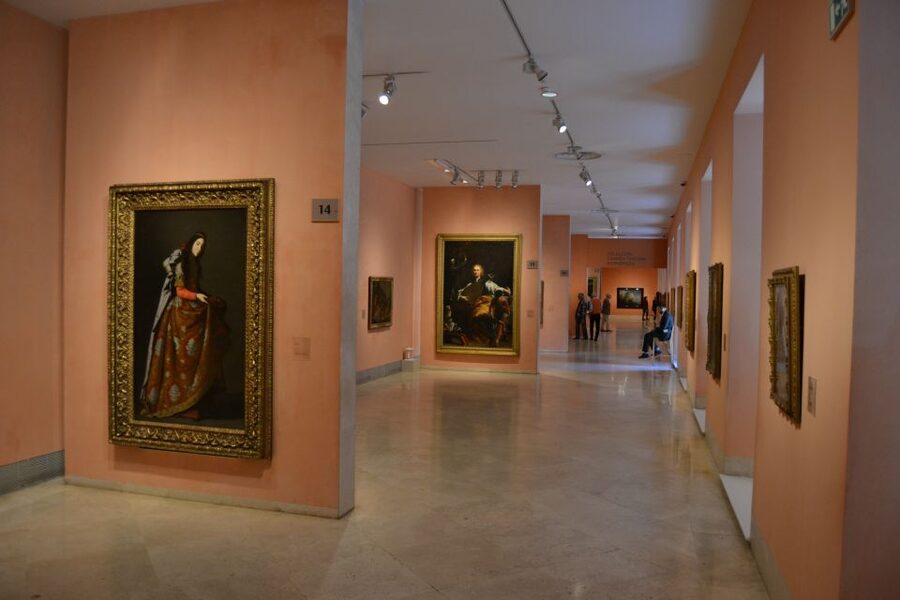
This is the kind of tour that works because it’s built around contrast. You start with the Thyssen-Bornemisza, which is a show of European art development across centuries. Then you step over to the Reina Sofía, where the conversation tightens around Spanish modern art and the big creative names you’ve heard for years.
You’ll spend the whole time with someone who can translate visual choices into language you can actually use. That matters in these museums, because art can look like a jumble of styles until you get a guide who can point out the patterns: what changed, why it mattered, and how artists broke rules (and sometimes broke them on purpose).
The tour also keeps your logistics simple. You’re not managing tickets and timing for two major venues. You get entry included for both, and the schedule is designed around walking between them with your guide.
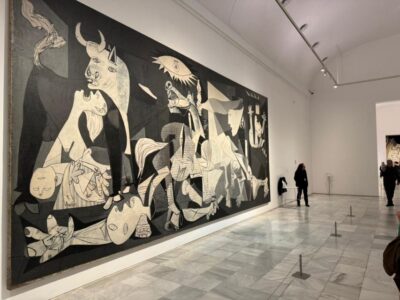
Guernica and the moderns, another look
- Madrid: Reina Sofía Museum Entrance Ticket★ 4.5 · 8,788 reviews
- Madrid: Reina Sofía Museum Guided Tour★ 4.3 · 659 reviews
- Spanish Civil War start of 2 World War, Guernica Franco★ 5.0 · 462 reviews
- Reina Sofia Museum Small Group Tour -6 people maximum-★ 5.0 · 433 reviews
Thyssen-Bornemisza: From Italian and Flemish Roots to 20th-Century Shockwaves
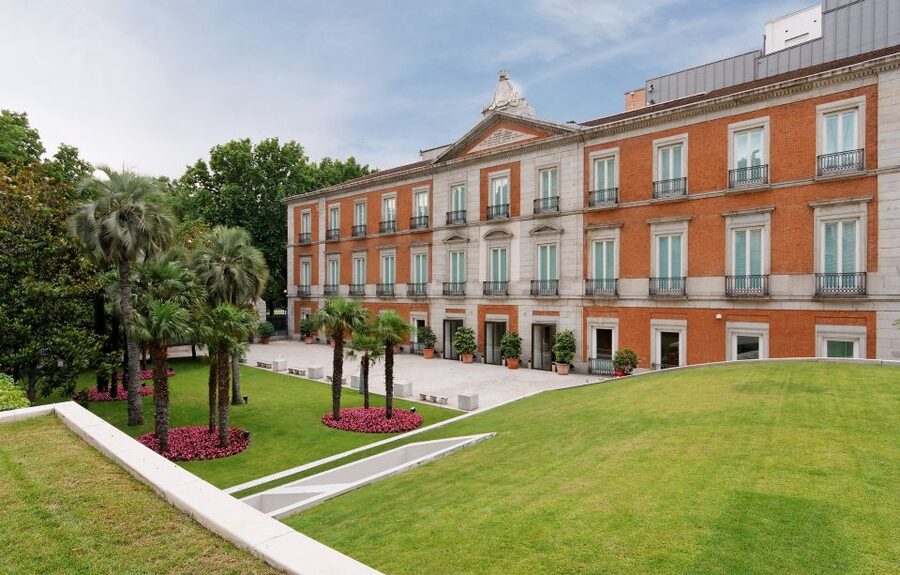
At the Thyssen-Bornemisza, you’re set up to understand how European art evolves. The collection spans early European painters (including Italian and Flemish artists from the 14th and 15th centuries), Renaissance works, Dutch Baroque painting, and even Italian Vedutism from the 18th century. That’s a lot of time periods in one place, so the private guide is key for making it feel logical.
Here’s what I like about this part of the tour: it doesn’t treat history like a textbook. Instead, you move by visual ideas. You can expect to see older master techniques and then follow how tastes shift toward drama, realism, and later toward distortion and experimentation.
Then the tour shifts gear into the 19th and 20th centuries. You’ll look at an Impressionist repertoire, and you’ll also see modern movements such as:
- Cubism
- German Expressionism
- abstract painting
- Pop Art
- figuration of the 1980s
That sequence helps you understand that modern art isn’t one thing. It’s a series of different answers to the question, What should painting do now?
One detail that’s worth keeping in mind: with a private tour, you can steer your attention toward the styles you actually care about. If you’re more drawn to Cubism than Pop Art, for example, your guide can spend more time on the connections and less on the things you’d otherwise skim.
And if you’re lucky enough to get a guide with the kind of energy shown by Carmen in past experiences, you’ll probably notice how quickly explanations turn from generic to personal. The point isn’t just facts. It’s how your guide can explain what you’re looking at and why it was painted that way.
Walking to the Reina Sofía: The Setting Matters
After the Thyssen-Bornemisza, you’ll walk with your guide to the Reina Sofía. This isn’t just a move between buildings. It’s part of the experience.
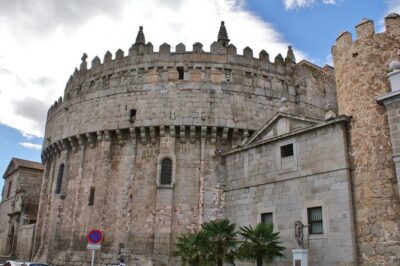
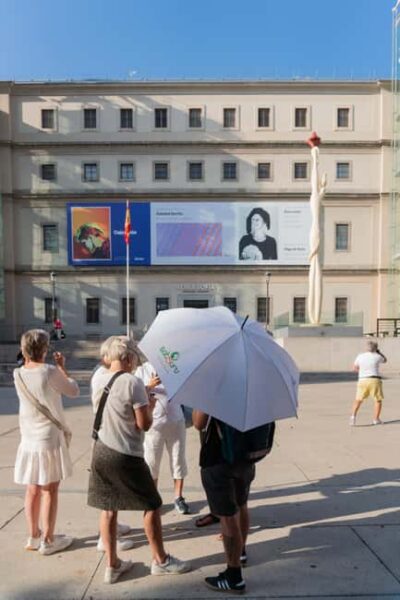
The Reina Sofía is housed in the former General Hospital of Madrid, a large neoclassical building from the 18th century designed by the Italian architect Sabatini. That setting gives the museum a different feel than a museum built only for art. You’re moving from one art “world” into another, with architecture that quietly reminds you that culture and institutions evolve over time.
Practical tip: wear comfortable shoes. The tour is only 4 hours total, and museum visits move quickly. You’ll be on your feet, and the walk is short enough to stay pleasant, but long enough that your footwear matters.
Reina Sofía Focus: Picasso, Dalí, Miró, and the Modern Spanish Pulse
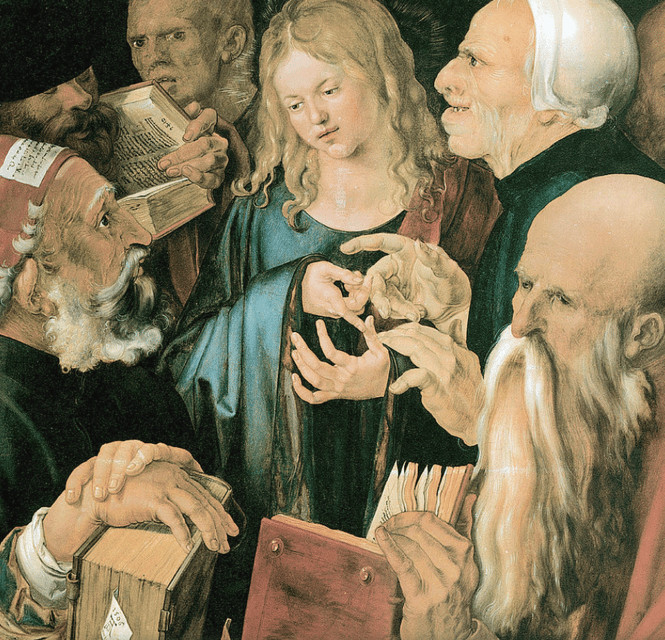
At the Reina Sofía, the tour shifts from broad European development to the core Spanish twentieth-century story. You’ll see major works connected to Pablo Picasso, Salvador Dalí, and Joan Miró. That’s a strong payoff if you want your “greatest hits” without losing context.
You’ll also explore movements that shaped the modern look of painting in Spain and beyond, including:
- surrealist art
- cubism
- the presence of artists associated with New Figuration, such as Francis Bacon and Antonio Saura
What makes this portion valuable is the way it connects styles to people. Instead of treating Picasso or Dalí like museum celebrities, your guide can help you connect their artistic choices to the broader currents you saw earlier at the Thyssen-Bornemisza. By the time you reach the Reina Sofía, the jump to modern Spanish art feels less like a sudden left turn and more like the next chapter.
If you’re interested in how artists react to the world around them—war, identity, politics, psychology—this museum is the kind of place where your guide’s direction helps you make sense of the emotional impact. Modern art doesn’t always show you what to feel. A good guide can help you find the clues.
What You Gain with a Private Guide (and How to Use It)
A private tour sounds good on paper, but the real value shows in how you can ask better questions. The Thyssen and Reina Sofía are massive. Even if you have a good guidebook, it’s hard to know where to look first and which details matter.
Here’s how this format helps you:
- You can spend more time on the art that connects with you.
- You can ask about specific pieces you want to understand better.
- You get a guided path through big rooms, so you’re not wandering for the first hour like a tourist with a foggy plan.
Based on the strongest praise from past guests, the guide’s explanations are a standout part of the experience. In one account, Carmen was singled out for incredible knowledge and explanations tailored to what people were interested in. That’s exactly what you should hope for: not a lecture, but guidance that adapts to your curiosity.
If you want to make the most of it, come in with at least one or two art questions. Something like:
- What makes this style different from the one before it?
- Why did the artist change direction?
- What should I notice first in a painting like this?
Your guide can work with that instantly.
The third corner of the Golden Triangle, up close



How the 4-Hour Timing Works in Real Life
Four hours sounds short until you picture two major museums. The good news is that this tour is designed to keep momentum without turning it into a sprint.
You’re scheduled for:
- guided time at the Thyssen-Bornemisza
- then a guided walk to the Reina Sofía
- guided time inside both museums with entrance tickets included
Because the tour is private, the pace can flex a bit. Still, you should expect a focused route rather than every room. That’s normal for a 4-hour format. Instead of trying to see everything, you’re seeing the story points: the eras and styles that connect to the bigger picture of European and Spanish twentieth-century art.
I’d plan to arrive with energy. If you’ve rushed across town, this is when museum fatigue hits. Grab water before you meet your guide and keep your phone charged for quick reference photos if you use them.
Price and Value: Is $283 Worth It?
The price is listed as $283 per person for a 4-hour private tour that includes entrance tickets for both museums plus a guide and taxes.
Here’s how I think about value for this kind of experience:
You’re paying for three things at once:
- Two museum entrances (Thyssen-Bornemisza and Reina Sofía)
- A private guide for the full block of time
- Saved time from skipping the ticket line
If you were doing this on your own, you’d still be paying for tickets. The difference is that self-guiding usually costs you time in planning and decision-making, especially at museums of this scale. A private guide turns that time into actual looking.
Also, this is a good option if you don’t want to spend your entire day bouncing between museums without direction. In four hours, you’ll get a guided route through major movements, plus context that makes the art easier to understand.
Is it the cheapest way? No. But it’s priced like a “smart art day” for people who want meaning, not just access.
One note: transportation isn’t included. That won’t change the tour value, but it can affect your total cost depending on where you’re staying.
Practical Notes: Where to Meet and What to Bring
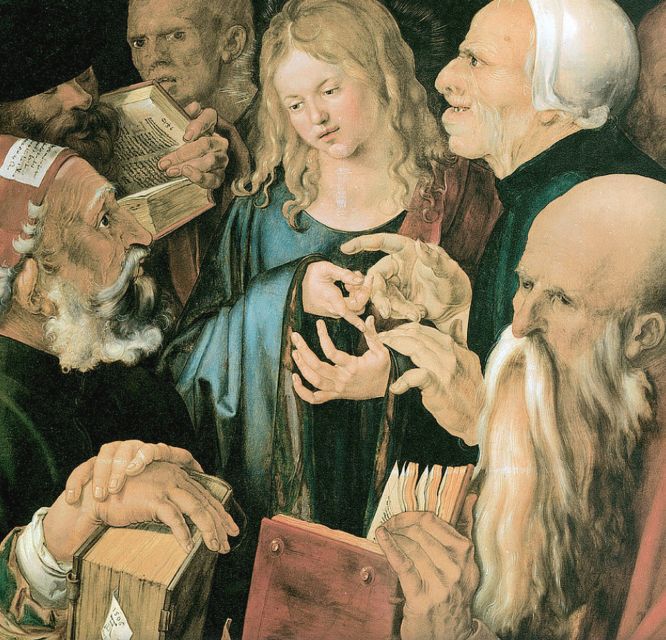
You meet your guide at the Hall of the museum, next to the desk. That’s straightforward, but show up a few minutes early. These museums can be busy, and you’ll want time to confirm you’re in the right spot.
Bring:
- comfortable walking shoes
- a light layer if you’re sensitive to museum climate controls
- a short list of what you want to prioritize, since the tour is only 4 hours
Also remember: live tour guide languages are Spanish and English, and the tour is wheelchair accessible. If anyone in your group needs that, it’s good to know it’s supported.
Should You Book This Private Tour of Thyssen-Bornemisza and Reina Sofía?
Book it if you want a guided art day that connects centuries of European art to Spain’s modern voices, without wasting time on logistics. This is especially smart for your first visit to Madrid’s top art pair, or if you know you’ll get more out of the museums with interpretation.
I would skip it or adjust your plan if you’re the type who wants to wander every room at a slow pace. With only 4 hours, you’ll cover highlights and key ideas rather than trying to see everything.
Best match:
- art lovers who want structure and context
- couples or small groups who prefer a private pace
- anyone who likes the idea of moving from Impressionism and Cubism into Spanish twentieth-century art with a clear guide path
If you’re trying to choose between doing these museums separately on your own versus pairing them with one expert, I’d lean toward this tour. It’s one of those formats where time becomes the advantage, not the limitation.
FAQ
What museums are included on this tour?
The tour includes the Thyssen-Bornemisza and the Reina Sofía museums.
How long is the private tour?
It lasts 4 hours.
Is the ticket line skipped?
Yes, you skip the ticket line.
What’s included in the price?
Included are the 4-hour guide, entrance tickets for both museums, public liability insurance, and taxes.
Is transportation included?
No. Transportation isn’t included, so you’ll need to arrange getting to the meeting point.
Where do I meet the guide?
Meet the guide at the Hall of the museum, next to the desk.
What languages is the live guide available in?
The tour guide is available in Spanish and English.
Is the tour wheelchair accessible?
Yes, it is wheelchair accessible.
Private Days in the Capital
- Madrid: Private City Tour by Eco Tuk Tuk
★ 4.9 · 3,465 reviews - Madrid Welcome Tour with Local Guide in Eco Tuk Tuk Private
★ 5.0 · 2,936 reviews - Madrid Historical Tour with Local Guide in Eco Tuk Tuk Private
★ 5.0 · 876 reviews - Toledo Private Tour with Licensed Guide and Driver from Madrid
★ 5.0 · 637 reviews - Madrid Private Segway tour. Retiro Park – Centro Historico
★ 4.9 · 636 reviews - Madrid Express Tour with Local Guide in Eco Tuk Tuk Private
★ 5.0 · 413 reviews
The Thyssen, Room by Room
- Museo Nacional Thyssen-Bornemisza with Skip the line ticket
★ 4.5 · 435 reviews - Madrid: Museo Nacional Thyssen-Bornemisza Entry Ticket
★ 4.7 · 181 reviews - Madrid: Thyssen Museum Guided Tour with Skip-the-Line Entry
★ 4.5 · 165 reviews - Madrid: Thyssen-Bornemisza Museum Guided Tour & Entry Ticket
★ 4.6 · 70 reviews - Madrid Thyssen Museum Small Group Guided Tour
★ 5.0 · 59 reviews - Madrid Thyssen Museum Guided Tour with Small Group
★ 4.9 · 56 reviews
Reina Sofia, Beyond Guernica
- Madrid: Reina Sofía Museum Entrance Ticket
★ 4.5 · 8,788 reviews - Madrid: Reina Sofía Museum Guided Tour
★ 4.3 · 659 reviews - Spanish Civil War start of 2 World War, Guernica Franco
★ 5.0 · 462 reviews - Reina Sofia Museum Small Group Tour -6 people maximum-
★ 5.0 · 433 reviews - Madrid: Guided Tour of Reina Sofía Museum with Entry Ticket
★ 4.9 · 363 reviews - Madrid: Reina Sofia and Prado Museum Tickets and Guided Tour
★ 4.6 · 342 reviews
Just Added: New Madrid Tour Reviews



Reina Sofía Museum Tours, compared.
 ★ 4.5Reina Sofía Museum Entrance TicketFrom $148,788 reviews
 ★ 4.3Reina Sofía Museum Guided TourFrom $38659 reviews
 ★ 5.0Spanish Civil War start of 2 World War, Guernica FrancoFrom $3462 reviews
 ★ 5.0Reina Sofia Museum Small Group Tour -6 people maximum-From $59433 reviews
 ★ 4.9Guided Tour of Reina Sofía Museum with Entry TicketFrom $59363 reviews
 ★ 4.6Reina Sofia and Prado Museum Tickets and Guided TourFrom $68342 reviews
 ★ 4.0Prado Museum with Reina Sofia Museum Guided TourFrom $81311 reviews
 ★ 4.3Reina Sofía Guided Tour with Skip-the-Line TicketsFrom $44293 reviews
Browse the lists this tour appears in