

REVIEW · THYSSEN MUSEUM TOURS
Madrid: Thyssen Museum Guided Tour with Skip-the-Line Entry
Madrid’s art museum tours can feel rushed. This one is built for pacing. You get skip-the-line entry and a live guide to help you make sense of the Thyssen-Bornemisza collection without getting lost in the galleries.
I really like the way the tour puts context front and center—how styles and ideas change over centuries, and what to look for beyond the obvious. And because it includes audio guide headphones in Spanish or English, you can follow along even when the museum gets busy.
The main thing to consider: you’ll be moving at a museum pace, and there are security rules—so leave your backpack at home and wear comfortable shoes.
In This Review
- Key things you’ll notice on this Thyssen tour
- Why the Thyssen-Bornemisza feels different from other Madrid art stops
- Where you meet and how the tour starts (Starbucks at Fuente de Neptuno)
- The skip-the-line entry: how much time you really save
- What the guide actually does inside the museum
- The art highlights the route is likely to hit
- Understanding Dutch and American schools through what you see
- Pacing and timing: getting value from 105 minutes
- Audio guide headphones: why they’re more than a bonus
- The big drawback: museum security and the backpack rule
- Who this tour is best for (and who might want another plan)
- Is it worth $55? My value take
- Should you book the Thyssen guided tour with skip-the-line entry?
Key things you’ll notice on this Thyssen tour
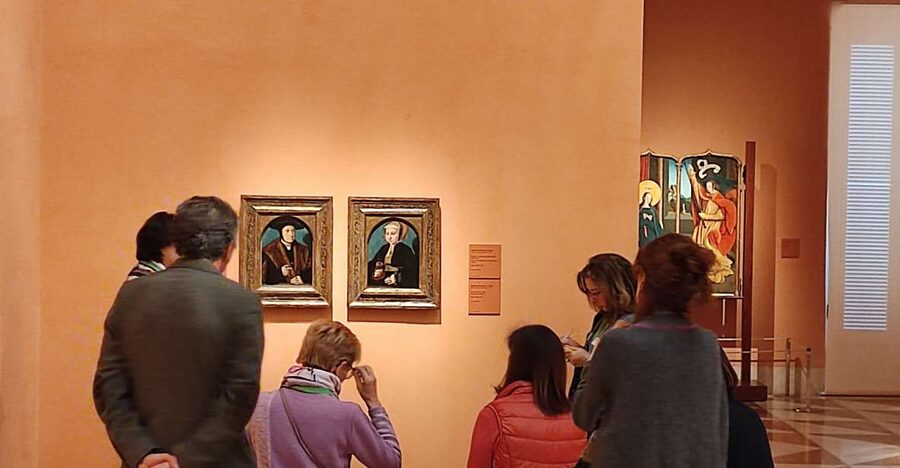
- Separate entrance + skip-the-line access so your time goes to art, not waiting
- 105-minute guided route that highlights major works without trying to cover everything
- Style sweep across centuries, from expressionism to pop art and beyond
- Stories behind the paintings, not just artist names
- Works by heavy hitters like Degas, Renoir, Van Gogh, Monet, Rembrandt, Rubens, and Caravaggio
- Audio guide in Spanish or English to keep your momentum inside the museum
The third corner of the Golden Triangle, up close
- Museo Nacional Thyssen-Bornemisza with Skip the line ticket★ 4.5 · 435 reviews
- Madrid: Museo Nacional Thyssen-Bornemisza Entry Ticket★ 4.7 · 181 reviews
- Madrid: Thyssen Museum Guided Tour with Skip-the-Line Entry★ 4.5 · 165 reviews
- Madrid: Thyssen-Bornemisza Museum Guided Tour & Entry Ticket★ 4.6 · 70 reviews
Why the Thyssen-Bornemisza feels different from other Madrid art stops
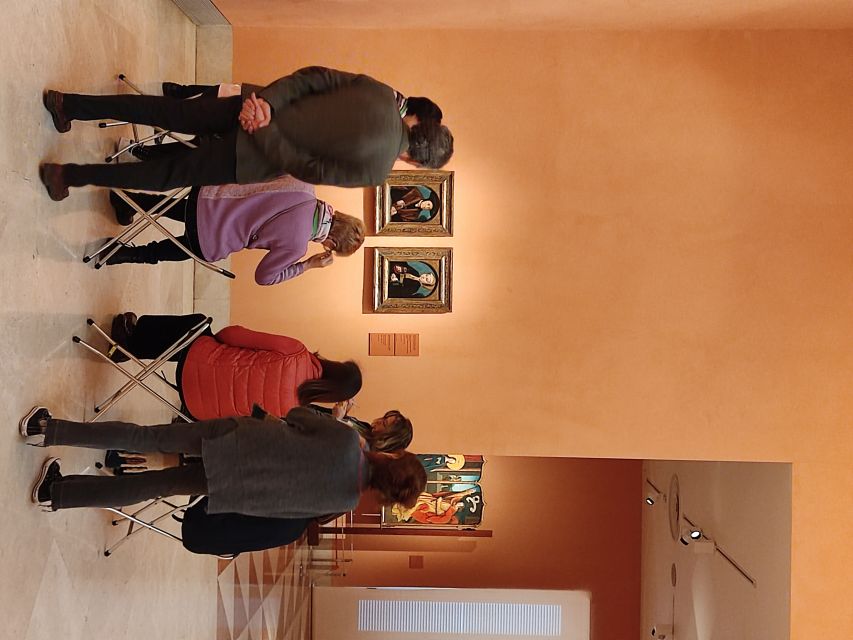
If you’re choosing just one big painting museum in Madrid, the Thyssen-Bornemisza is a smart pick. It’s famous for being wide-ranging—spanning centuries and styles—so even if you’re not an art-history person, you’re still likely to find something that clicks fast.
What makes this guided version especially appealing is the match between your time and the museum. You’re not wandering room to room guessing what matters. You meet your guide at the start, move into the building through a dedicated entry, and get a route that’s designed to help you understand the collection as a whole.
And yes, you’re seeing iconic names (Degas, Renoir, Van Gogh, Monet, Rembrandt, Rubens, Caravaggio). But the real value is how the tour connects them—how European painting changes its language over time, and why those shifts happened.
Where you meet and how the tour starts (Starbucks at Fuente de Neptuno)
You’ll meet your guide about 10 minutes before the tour begins at the door of a Starbucks in Plaza de Cánovas del Castillo, at the Fuente de Neptuno.
This meeting setup is practical for two reasons:
- It’s an easy landmark in central Madrid.
- It helps you avoid the common stress of scrambling to find the correct museum entrance when you’re already on vacation schedule.
From there, you’ll head to the museum together. The plan is straightforward: quick walk, then you go straight in using the skip-the-line route.
The skip-the-line entry: how much time you really save
The Thyssen-Bornemisza can be one of those museums where the line is long enough to steal your energy. This tour solves that with skip-the-line entry through a separate entrance, so you don’t spend your limited Madrid hours standing around.
For me, this is one of the tour’s biggest advantages because museum tickets are only the start. The hours after you enter are what matter: you want those hours to be guided and meaningful.
At 105 minutes, you’ll be able to see a solid set of highlights, and the pacing feels intentional. You’re not stuck doing a long self-guided shuffle where you keep thinking, I should have read that sign earlier.
What the guide actually does inside the museum
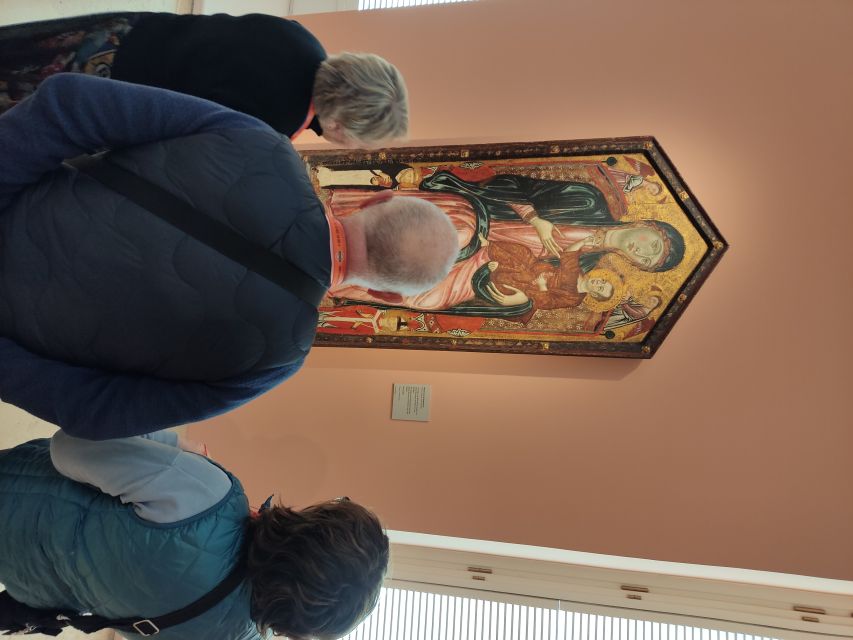
Once inside, your live guide leads you through a curated selection of the Thyssen collection and explains how the works fit together.
The tour is built around three things:
- History of European painting over more than 1000 pieces of art
- Styles and periods that connect across time
- Themes that keep showing up—like genre subjects, and the way different countries approached scene-making
Your guide focuses on what you’re looking at, including the meaning behind major works and how artists influenced each other. This is especially useful if you’re walking in with general interest but no clear plan.
Based on how guides have been described in top experiences, the best tours aren’t just lectures—they’re the kind where you can ask yourself, wait, that’s why this painting looks different.
A local guide takes the strain





The art highlights the route is likely to hit
You asked for a lot of what’s in the museum, and this tour is designed around major names and major shifts in style.
Here’s what the tour description signals you should expect to see discussed as you move through galleries:
- Impression-era and post-Impression works, including artists like Degas, Renoir, and Van Gogh
- Masterpieces from other big schools, including Monet
- Baroque and dramatic realism, including Rubens, Rembrandt, and Caravaggio
- A broader style range stretching into modern periods, with an emphasis on how painting ideas shift toward expressionism and pop art
Even if you’re not sure what those terms mean, don’t panic. The guide’s job is to translate the visual language: brushwork, composition, lighting, and subject choice.
One of the tour’s key strengths is that it doesn’t treat painting as isolated masterpieces. Instead, it frames them like a conversation across centuries.
Understanding Dutch and American schools through what you see
One of the most useful parts of this experience is that it points you toward themes that repeat in European and later Western painting. The tour description specifically notes attention to Dutch 17th-century themes and American 19th-century themes.
Why you’ll care: once you understand how those schools tended to represent scenes—what they emphasized, what audiences wanted, and how artists signaled meaning—your eye changes. You stop only asking, Is it pretty? and start asking, What is this trying to say?
If you like “why” answers, this is where the guided format really pays off. The museum is large enough that without help, you can miss the patterns that make the collection feel coherent.
Pacing and timing: getting value from 105 minutes
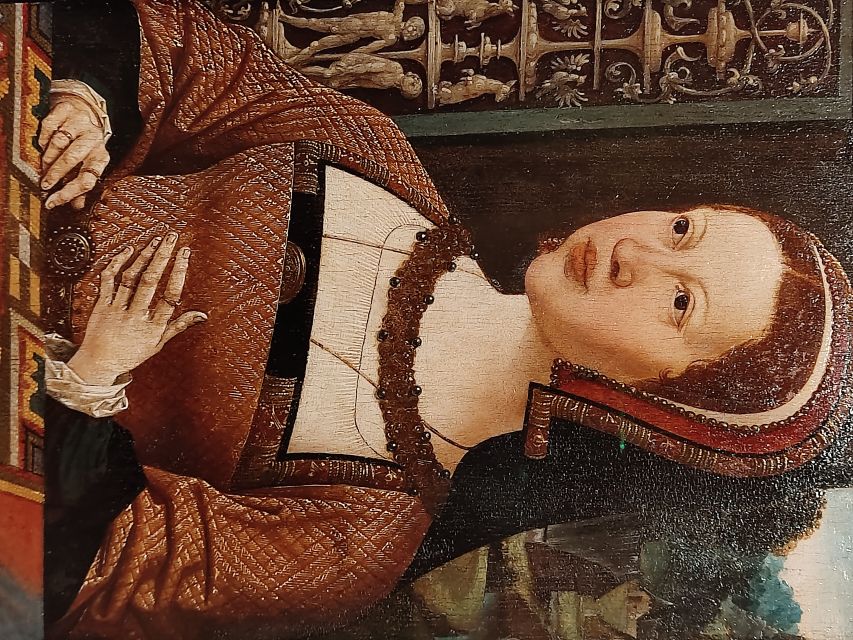
A 105-minute museum tour is a sweet spot. Long enough for a real storyline. Not so long that you’re trapped in fatigue.
Here’s how I’d think about it when deciding if it fits you:
- If you only have a short window in Madrid, guided time helps you see more meaningful highlights than a quick solo loop.
- If you already know some art history, you’ll still benefit from the tour’s connections and the quick clarifications that make details click.
- If you’re extremely detail-obsessed, note that the tour can’t cover everything—so you’ll want to prioritize where the guide takes you.
You’re walking and looking, following instructions, and staying together as the route unfolds. Comfortable shoes matter here. Also, if you’re the type who likes to stop for long stretches, you may need to do extra time on your own after the tour.
Audio guide headphones: why they’re more than a bonus
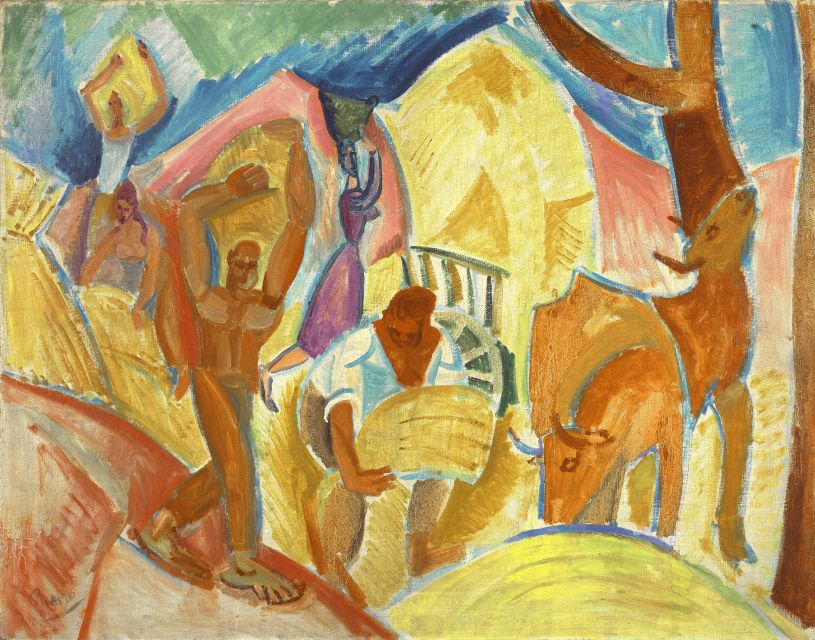
This tour includes an audio guide with headphones in Spanish or English.
Even if your live guide is doing the heavy lifting, the audio is valuable in two practical ways:
- It gives you a second way to absorb details if you miss a moment.
- It gives you a chance to keep your place while listening—especially if a room is crowded or you’re switching attention from one work to the next.
This matters because museum sound can be chaotic. Having audio support helps you avoid the classic problem of hearing only part of the explanation and then losing the thread.
The big drawback: museum security and the backpack rule
This experience comes with a clear heads-up: due to high security measures, you should not bring backpacks.
That’s the one logistical issue that could affect your day. If you’re the type who travels with a bag for snacks, water, or extra layers, plan to keep your load light. A small day bag is better than a backpack-style setup, but stick to what the tour info explicitly says.
Also, bring comfortable shoes. You’ll be walking inside the museum route and likely moving at a pace you can’t fully control.
Who this tour is best for (and who might want another plan)
This is a great match if:
- You want skip-the-line entry so your time stays focused on art
- You prefer learning through explanation, not just reading labels
- You like a museum experience that connects artists and styles across time
- You’re excited by major names and want context for why the works matter
It’s less perfect if:
- You want total freedom to linger at a single painting for a long time
- You’re fluent in art history and would rather build your own route
- You travel with a backpack and don’t want to deal with security restrictions
It’s also not suitable for children under 3 years, based on the provided guidelines.
Is it worth $55? My value take
At $55 per person for about 105 minutes, you’re paying for three bundled things:
- Skip-the-line entry
- A live guide
- An audio guide with headphones
If you’ve ever visited major museums, you know the hard part isn’t buying a ticket—it’s spending your time efficiently once you’re inside. This tour is priced for that exact problem. You’re not just paying for access; you’re paying for direction and context that you’d otherwise have to supply yourself.
For shorter stays, I think this is strong value. For people who love museum labels and don’t care about structure, it may feel like you could do the museum on your own for less. But for most first-timers, the guide + entry combo is the kind of practical spending that pays off quickly.
Should you book the Thyssen guided tour with skip-the-line entry?
Book it if you want a structured, high-signal art experience that gets you into the museum fast and helps you understand what you’re seeing. The combination of skip-the-line entry, live guidance, and audio support is exactly what makes a 105-minute visit feel like more than a quick look.
Skip it or consider a different approach if you’re the kind of visitor who hates group pacing or you’re worried about the no-backpack security rule.
If your goal is to leave the Thyssen-Bornemisza with a clearer sense of how Western painting evolves—and with a handful of standout works you can talk about—you’ll likely feel this was money well spent.
More Tours in Madrid
- Madrid: Tour Bernabéu Entry Ticket
★ 4.5 · 21,573 reviews - Madrid: Panoramic Route City Tour
★ 4.1 · 12,259 reviews - Avila & Segovia Tour with Tickets to Monuments from Madrid
★ 5.0 · 9,762 reviews - Madrid: Royal Palace Expert Guided Tour with Skip-the-Line
★ 4.7 · 8,407 reviews - Madrid: Segovia and Toledo Tour, Alcazar, and Cathedral
★ 4.7 · 7,797 reviews - Toledo Tour from Madrid: Cathedral, Synagogue & St. Tome’s Church
★ 5.0 · 6,784 reviews
More Tour Reviews in Madrid
- Madrid: Tour Bernabéu Entry Ticket
★ 4.5 · 21,573 reviews - Madrid: Prado Museum Entry Ticket
★ 4.6 · 20,699 reviews - Madrid: “Emociones” Live Flamenco Performance
★ 4.8 · 12,866 reviews - Madrid: Panoramic Route City Tour
★ 4.1 · 12,259 reviews - Madrid: Live Flamenco Show with Food and Drinks Options
★ 4.5 · 9,901 reviews - Avila & Segovia Tour with Tickets to Monuments from Madrid
★ 5.0 · 9,762 reviews
The Thyssen, Room by Room
- Museo Nacional Thyssen-Bornemisza with Skip the line ticket
★ 4.5 · 435 reviews - Madrid: Museo Nacional Thyssen-Bornemisza Entry Ticket
★ 4.7 · 181 reviews - Madrid: Thyssen-Bornemisza Museum Guided Tour & Entry Ticket
★ 4.6 · 70 reviews - Madrid Thyssen Museum Small Group Guided Tour
★ 5.0 · 59 reviews - Madrid Thyssen Museum Guided Tour with Small Group
★ 4.9 · 56 reviews - Guided Tour Thyssen Museum Skip the Line
★ 5.0 · 36 reviews
Just Added: New Madrid Tour Reviews






Thyssen Museum Tours, compared.
 ★ 4.5Museo Nacional Thyssen-Bornemisza with Skip the line ticketFrom $16435 reviews
 ★ 4.7Museo Nacional Thyssen-Bornemisza Entry TicketFrom $16181 reviews
 ★ 4.6Thyssen-Bornemisza Museum Guided Tour & Entry TicketFrom $7470 reviews
 ★ 5.0Madrid Thyssen Museum Small Group Guided TourFrom $5759 reviews
 ★ 4.9Madrid Thyssen Museum Guided Tour with Small GroupFrom $5656 reviews
 ★ 5.0Guided Tour Thyssen Museum Skip the LineFrom $4636 reviews
 ★ 4.5Guided Visit to Thyssen-Bornemisza MuseumFrom $7719 reviews
 ★ 4.2Guided visit to Reina Sofia & Thyssen MuseumFrom $1369 reviews
Browse the lists this tour appears in