
REVIEW · THYSSEN MUSEUM TOURS
Madrid Thyssen Museum Guided Tour with Small Group
Art history, served fast and focused. This Thyssen-Bornemisza Museum guided tour is a smart way to get oriented in Madrid’s famed Art Boulevard, while you hop straight in thanks to skip-the-line tickets. You’ll also appreciate the tiny group size and the way the tour moves in a clear timeline, from older masters to 20th-century modern art.
Two other things I really like: the meeting setup is straightforward (you meet at the bust of the Baron Thyssen right by the museum gate), and the guides bring the collection to life with real context. Just keep in mind the one possible downside: at just 1.5 hours, this is best viewed as a highlights-and-guidance visit, not an all-day museum stroll where you can linger everywhere.
In This Review
- Key Things That Make This Tour Worth Your Time
- Why the Thyssen-Bornemisza Feels Different in Madrid
- Skip the Ticket Line, Then Get Your Bearings Fast
- The Small-Group Size: Where the Tour Gets Personal
- A Typical Flow Inside the Museum (And What to Watch For)
- Early Rooms: Older Masters, Big Clues
- Italian Baroque to Drama: Caravaggio-Style Intensity
- Impressionism and the Color-Seeing Moment
- 20th Century: From Avant-Garde Energy to Spanish Stars
- Who This Tour Is Best For
- Price and Value: Is $56 Fair?
- Logistics That Actually Matter During Your Visit
- What Makes the Best Guides Shine Here
- Should You Book This Thyssen-Bornemisza Guided Tour?
- FAQ
- How long is the Madrid Thyssen Museum Guided Tour with a small group?
- Is the guided tour offered in English?
- Where do we meet for the tour?
- What is the maximum group size?
- Is the tour wheelchair accessible?
- Are there any restrictions on what I can bring?
Key Things That Make This Tour Worth Your Time

- Skip-the-line entry after meeting outside, so you don’t waste your morning in queues
- Small group (max 7), which makes it easier to ask questions and steer the route
- English live guide who connects paintings across centuries (the kind of explanation that helps you see details)
- Chronological route that usually starts with older works and progresses toward the 20th-century avant-garde
- Meets at the Baron Thyssen bust, so you can find the group without guesswork
The third corner of the Golden Triangle, up close
- Museo Nacional Thyssen-Bornemisza with Skip the line ticket★ 4.5 · 435 reviews
- Madrid: Museo Nacional Thyssen-Bornemisza Entry Ticket★ 4.7 · 181 reviews
- Madrid: Thyssen Museum Guided Tour with Skip-the-Line Entry★ 4.5 · 165 reviews
- Madrid: Thyssen-Bornemisza Museum Guided Tour & Entry Ticket★ 4.6 · 70 reviews
Why the Thyssen-Bornemisza Feels Different in Madrid
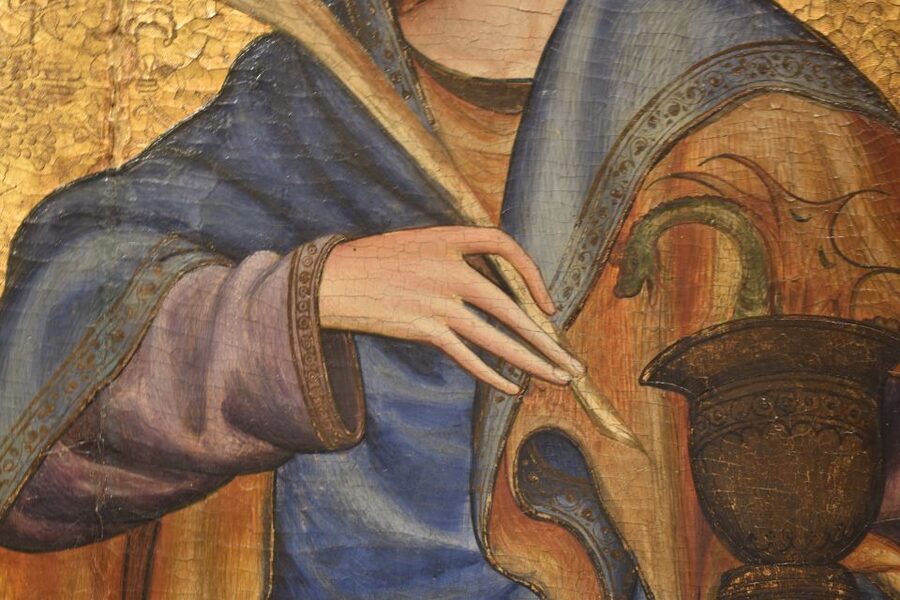
The Thyssen-Bornemisza Museum is often described as eclectic, and that’s accurate—but the better idea is this: it’s eclectic with purpose. You’re not stuck in one style for the whole visit. Instead, you get a guided path through a collection that spans big art moments and different artistic languages.
That matters because museums like this can overwhelm you fast. You walk in, you see famous names, and then you’re left deciding what to prioritize. A good guide turns that choice into a route with meaning. You’re led through the collection in a way that helps you connect eras—why certain painters look the way they do, and how styles shift over time.
Skip the Ticket Line, Then Get Your Bearings Fast
One of the practical wins here is the ticket line skip. You meet outside the museum, and tickets are handled so you can head straight in. That doesn’t sound glamorous, but it changes the whole pace of the visit. Instead of standing around before the real fun begins, you’re already inside before you fully feel the day’s heat or cold.
And because the group is capped at seven, the tour doesn’t feel like a herd moving through rooms. It’s easier to keep up, and it’s easier to hear explanations without straining. If you’re the type who likes to ask a quick question when something catches your eye, the small group format is a big deal.
The Small-Group Size: Where the Tour Gets Personal
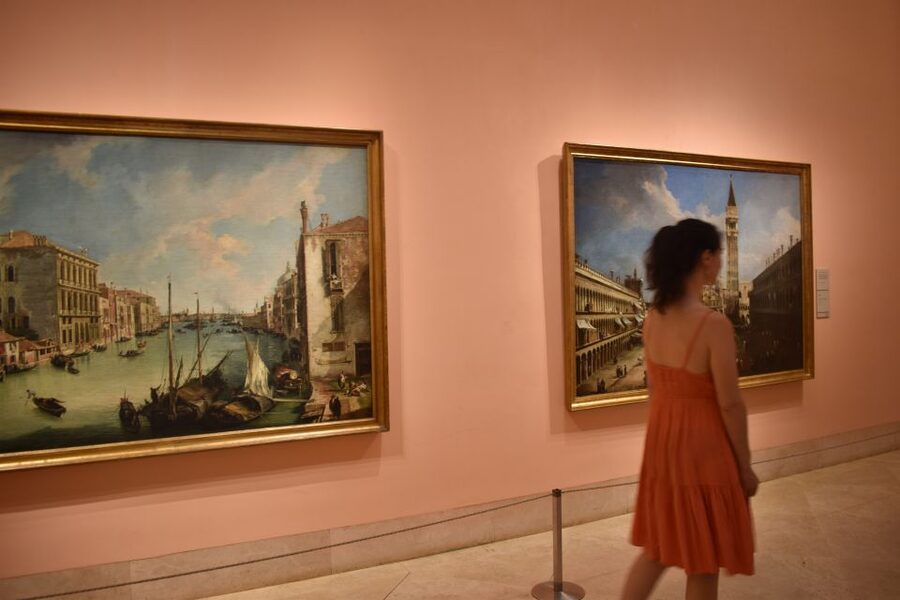
Maximum group size of seven is the difference between a generic highlights tour and a visit that can flex a bit. The guides encourage questions and preferences, and the group setup makes it realistic to adjust.
I like this approach, especially at the Thyssen, where the collection ranges from Italian baroque to impressionism to major Spanish modern names. If you’re more excited by Caravaggio-style drama than by Monet’s light, or you’d rather jump toward Picasso and Dalí than linger in the earlier rooms, you’ll have a better chance of getting what you want.
In the same spirit, guides like Belén and Stefi/Stephi are praised for how well they tailor explanations to what people care about—art technique, historical context, and how to actually look at what’s in front of you. That’s where the small group really pays off.
A Typical Flow Inside the Museum (And What to Watch For)
The tour normally begins with the oldest pieces and moves forward chronologically. That structure is useful because it gives your brain a timeline to hang on to. You’re not just collecting famous titles—you’re watching art develop and change.
Here’s how that tends to feel in practice:
A local guide takes the strain





Early Rooms: Older Masters, Big Clues
In the earlier galleries, you’re getting the foundation. This is where you learn how painters built images before modern art broke the rules in so many ways. Even if you don’t know a single artist name, a guide’s context helps you notice patterns: lighting choices, realism versus stylization, and how composition guides your eye.
This is also a good moment to slow down, because those early works train your looking. Later on, you’ll spot more clearly what the artists are responding to—or rejecting.
Italian Baroque to Drama: Caravaggio-Style Intensity
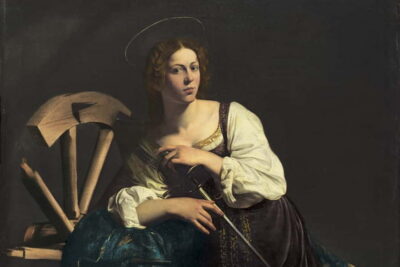
When the tour reaches the baroque side, you’ll feel the shift. The Thyssen collection includes major Italian baroque artists, and that’s where you’ll notice stronger emotion, sharper contrasts, and theatrical use of light.
If you’ve ever wondered why certain art feels like it’s almost moving, this is where the answer starts. Watch for how artists stage a scene—where your attention goes first, and how the painter uses shadows to shape the story.
Impressionism and the Color-Seeing Moment
Then you move toward impressionism, where the focus changes. Instead of everything being perfectly polished, the paintwork often feels more immediate: light flickers, brushstrokes become part of the meaning, and scenes can look like they’re mid-second.
A strong guide will explain technique in plain terms, like what painters are trying to capture when the goal isn’t exact realism. This is where you start to see why the collection includes artists like Monet and Degas—you’re watching different ways of handling movement, light, and everyday subjects.
20th Century: From Avant-Garde Energy to Spanish Stars
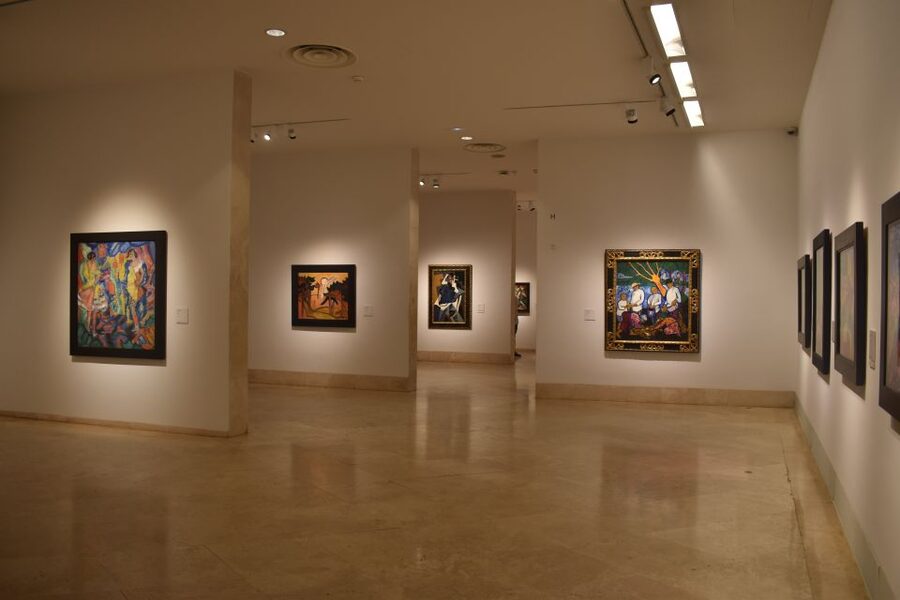
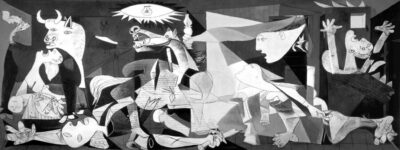
The tour keeps going into the 20th century, including the most famous Spanish names of the 20th century. This is where Picasso and Dalí come into play.
This part can be hit-or-miss if you go in with the expectation that modern art should feel like the paintings you grew up with. But a guided timeline makes it easier. You’re not just seeing odd shapes—you’re seeing how artists broke away from earlier ideas and experimented with new ways to represent reality.
If you care about modern art, this section is often the payoff. If you don’t, don’t skip it. The earlier parts help you read the later ones like a story.
Who This Tour Is Best For
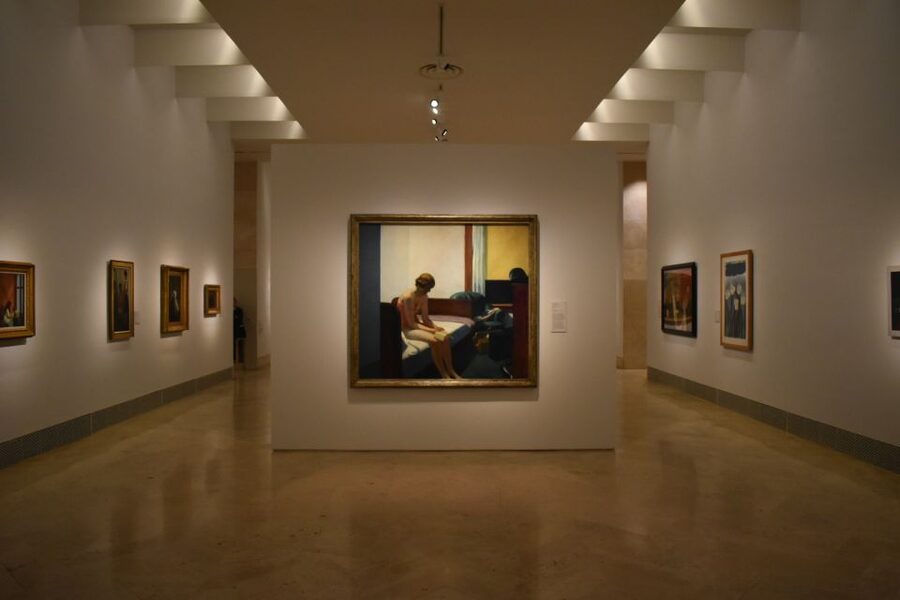
This tour is a great match if you want structure and context without spending half your day trying to plan your own museum route.
It’s especially good for:
- First-time visitors to the Thyssen-Bornemisza Museum
- People who like art history explanations but don’t want to get lost in museum size
- Small groups and couples who want a guided experience instead of wandering alone
- Anyone who wants to focus on big names (Caravaggio, Monet, Degas, Picasso, Dalí) without missing the threads connecting them
It’s less ideal if you want to spend hours in the museum at your own pace, reading everything slowly, or if you plan to linger for long stretches at every single painting.
Price and Value: Is $56 Fair?

At $56 per person for about 1.5 hours, this isn’t the cheapest way to visit a museum. But it’s also not overpriced for what you’re actually buying.
You’re getting:
- Entry ticket included
- A live guide
- Small group limit
- Skip-the-line entry, which saves time and stress
Think of it as paying for momentum. In a museum setting, time is part of the cost. If you were planning to figure out a route on your own, you’d likely spend time deciding where to go and then catch up with the museum only after your attention drifts. Here, the guide’s job is to keep you focused on the most meaningful works and explain what to notice.
If you enjoy learning while you look, it’s good value. If you prefer silent, self-directed wandering, you might decide to do it on your own instead.
Logistics That Actually Matter During Your Visit
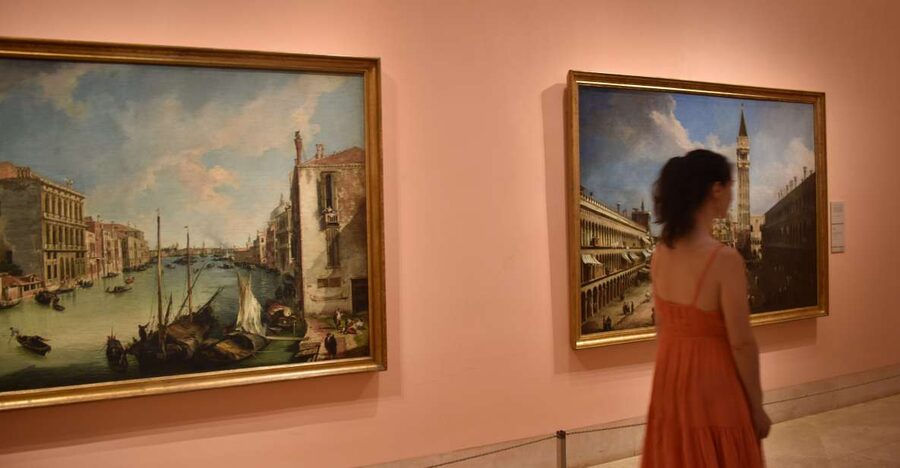
A few practical notes help you enjoy it more:
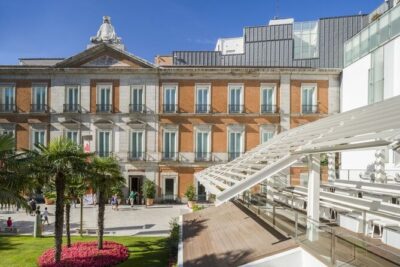
- You meet outside by the bust of the Baron Thyssen, right in front of the museum gate. It’s one of those meeting points that’s easy to find once you’re there.
- The tour runs in all weather unless the museum closes. Bring what you need for Madrid conditions, but at least you’re not betting the day on sunshine.
- No drinks and no loose clothing are allowed. If you show up in something super comfy, just make sure it still meets the rules.
- The tour is English and is wheelchair accessible with elevators.
One more small reality check: because it’s a guided route, you’ll move between rooms as the guide directs. Wear shoes you’re comfortable walking in, even if you’re only on-site for 90 minutes.
What Makes the Best Guides Shine Here
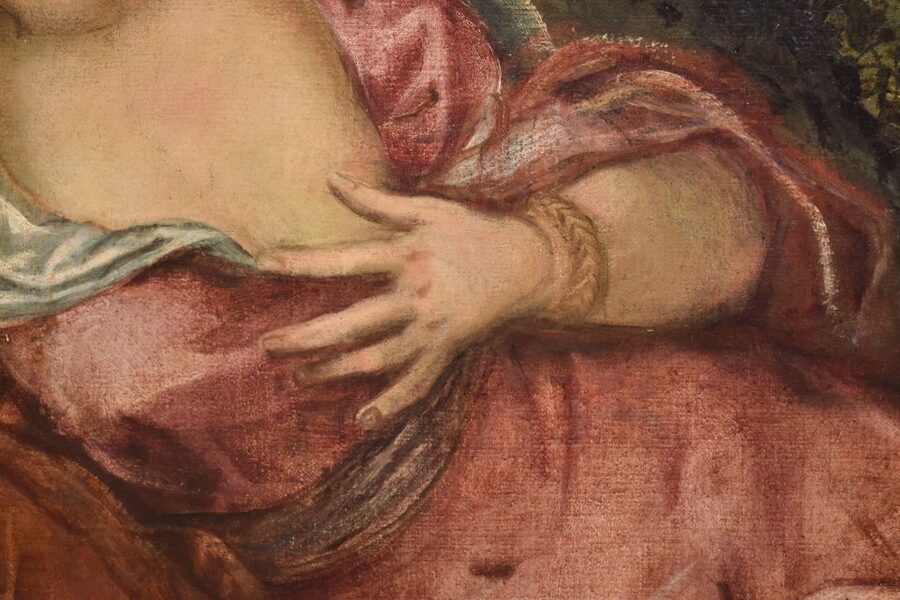
What really comes through in strong museum guides is not just knowing names. It’s explaining why those works matter and teaching you how to look.
Guides such as Belén and Stefi/Stephi are praised for offering art-historical context and for delivering explanations that fit the moment—how the centuries of art in the collection connect, how technique supports meaning, and how to understand what you’re seeing rather than just reading a label.
If you’ve ever left a museum thinking you saw a lot but didn’t absorb much, this is the opposite style. The tour helps you connect the dots so the paintings stick in your memory.
Should You Book This Thyssen-Bornemisza Guided Tour?
Book it if you want:
- A guided path through a large, famous collection
- Skip-the-line entry to save time
- A small group format where questions and preferences are possible
- Clear explanations from an English-speaking guide, with strong technique and context
Skip it (or consider self-guided) if you:
- Want maximum flexibility to roam at your own pace for several hours
- Prefer reading labels quietly without a scheduled route
- Are only interested in one tiny corner of the museum and don’t care about the timeline connection
My take: for most visitors, this tour is a smart way to turn the Thyssen into a coherent experience rather than a long list of paintings.
FAQ
How long is the Madrid Thyssen Museum Guided Tour with a small group?
The tour lasts 1.5 hours.
Is the guided tour offered in English?
Yes, the live guide provides the tour in English.
Where do we meet for the tour?
You meet outside the museum by the bust of the Baron Thyssen, right in front of the gate.
What is the maximum group size?
The group is small, with a maximum of 7 participants.
Is the tour wheelchair accessible?
Yes. The museum has elevators, and the tour is described as wheelchair accessible.
Are there any restrictions on what I can bring?
You should note that drinks are not allowed, and loose clothing is also not allowed during the tour.
More Tours in Madrid
- Madrid: Tour Bernabéu Entry Ticket
★ 4.5 · 21,573 reviews - Madrid: Panoramic Route City Tour
★ 4.1 · 12,259 reviews - Avila & Segovia Tour with Tickets to Monuments from Madrid
★ 5.0 · 9,762 reviews - Madrid: Royal Palace Expert Guided Tour with Skip-the-Line
★ 4.7 · 8,407 reviews - Madrid: Segovia and Toledo Tour, Alcazar, and Cathedral
★ 4.7 · 7,797 reviews - Toledo Tour from Madrid: Cathedral, Synagogue & St. Tome’s Church
★ 5.0 · 6,784 reviews
More Tour Reviews in Madrid
- Madrid: Tour Bernabéu Entry Ticket
★ 4.5 · 21,573 reviews - Madrid: Prado Museum Entry Ticket
★ 4.6 · 20,699 reviews - Madrid: “Emociones” Live Flamenco Performance
★ 4.8 · 12,866 reviews - Madrid: Panoramic Route City Tour
★ 4.1 · 12,259 reviews - Madrid: Live Flamenco Show with Food and Drinks Options
★ 4.5 · 9,901 reviews - Avila & Segovia Tour with Tickets to Monuments from Madrid
★ 5.0 · 9,762 reviews
The Thyssen, Room by Room
- Museo Nacional Thyssen-Bornemisza with Skip the line ticket
★ 4.5 · 435 reviews - Madrid: Museo Nacional Thyssen-Bornemisza Entry Ticket
★ 4.7 · 181 reviews - Madrid: Thyssen Museum Guided Tour with Skip-the-Line Entry
★ 4.5 · 165 reviews - Madrid: Thyssen-Bornemisza Museum Guided Tour & Entry Ticket
★ 4.6 · 70 reviews - Madrid Thyssen Museum Small Group Guided Tour
★ 5.0 · 59 reviews - Guided Tour Thyssen Museum Skip the Line
★ 5.0 · 36 reviews
Just Added: New Madrid Tour Reviews




Thyssen Museum Tours, compared.
 ★ 4.5Museo Nacional Thyssen-Bornemisza with Skip the line ticketFrom $16435 reviews
 ★ 4.7Museo Nacional Thyssen-Bornemisza Entry TicketFrom $16181 reviews
 ★ 4.5Thyssen Museum Guided Tour with Skip-the-Line EntryFrom $55165 reviews
 ★ 4.6Thyssen-Bornemisza Museum Guided Tour & Entry TicketFrom $7470 reviews
 ★ 5.0Madrid Thyssen Museum Small Group Guided TourFrom $5759 reviews
 ★ 5.0Guided Tour Thyssen Museum Skip the LineFrom $4636 reviews
 ★ 4.5Guided Visit to Thyssen-Bornemisza MuseumFrom $7719 reviews
 ★ 4.2Guided visit to Reina Sofia & Thyssen MuseumFrom $1369 reviews
Browse the lists this tour appears in