
REVIEW · REINA SOFÍA MUSEUM TOURS
Madrid: Reina Sofía Museum Entrance Ticket
If you love 20th-century art, start here. The Reina Sofía throws you into modern Spain with Picasso’s Guernica and more than one way to read what you see. It’s a museum built for long looking, not quick snapshots at the door.
I like two things right away: the full-day ticket that gets you into the main building for the long haul, and the scale—21,000+ works—so you can chase favorites or wander by theme. You also get access to temporary exhibitions, which helps keep the visit feeling current, not like a single-artist museum.
One thing to plan for: navigation can feel confusing, and some areas may be less exciting (and occasionally parts of the museum aren’t open). If you want strong guidance while you walk, the audio guide costs extra and signage can be a little hard to decode on the fly.
In This Review
- Key things to know before you go
- Finding the right entrance: Nouvel Courtyard on Ronda de Atocha
- The price: what $14 really buys you (and when it’s not needed)
- A full-day museum: how I’d structure your time
- Step 1: Go straight to Guernica (then breathe)
- Step 2: Use Dalí and Miró to shape your route
- Step 3: Spend time with Spanish 20th-century art
- Step 4: Don’t ignore the other media rooms
- What the museum feels like: modern art you can actually use
- Audio guide vs. self-guided: pick what fits your brain
- Crowds, timing, and how to avoid the worst friction
- Rules that can affect your day (and how to pack smart)
- Best fit: who will enjoy the Reina Sofía ticket most
- Should you book this entrance ticket?
- FAQ
- What’s the duration of the Reina Sofía ticket?
- What’s included with this ticket?
- Do I need an audio guide?
- Where do I meet for the museum entrance?
- What’s the museum free admission schedule?
- What days is the museum closed?
- Is the museum wheelchair accessible?
Key things to know before you go
- Guernica is the emotional anchor: expect a crowd and a strong, still feeling in the room
- You get a full day to manage your own pace across the main building
- Dalí and Miró are a big draw with multiple works, not just a token stop
- Art meets other media: photography, film, sound, and dance show up alongside paintings
- Skip-the-line matters most at peak hours when you’d rather be looking than waiting
- Audio guide is optional but helps you connect the dots across rooms
Guernica and the moderns, another look
- Madrid: Reina Sofía Museum Entrance Ticket★ 4.5 · 8,788 reviews
- Madrid: Reina Sofía Museum Guided Tour★ 4.3 · 659 reviews
- Spanish Civil War start of 2 World War, Guernica Franco★ 5.0 · 462 reviews
- Reina Sofia Museum Small Group Tour -6 people maximum-★ 5.0 · 433 reviews
Finding the right entrance: Nouvel Courtyard on Ronda de Atocha
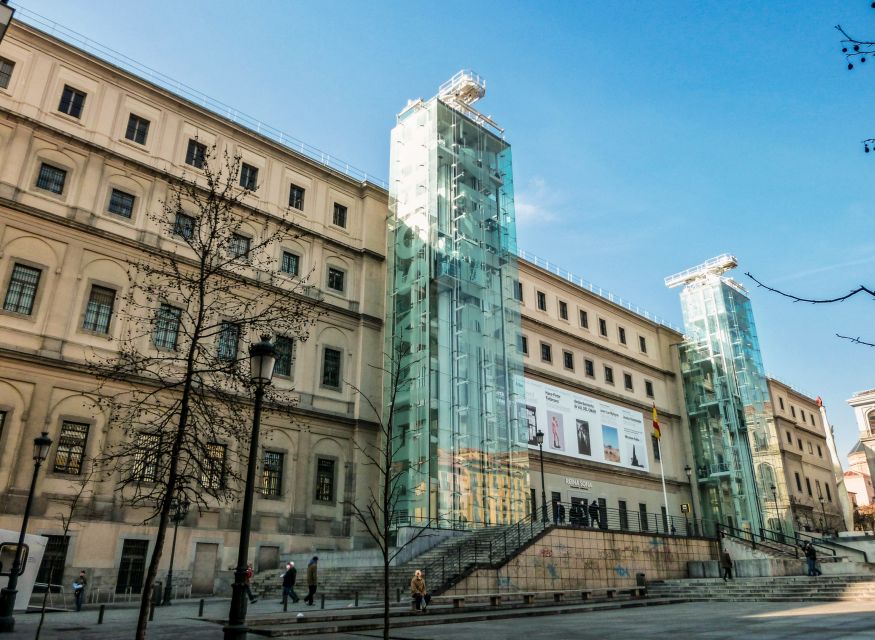
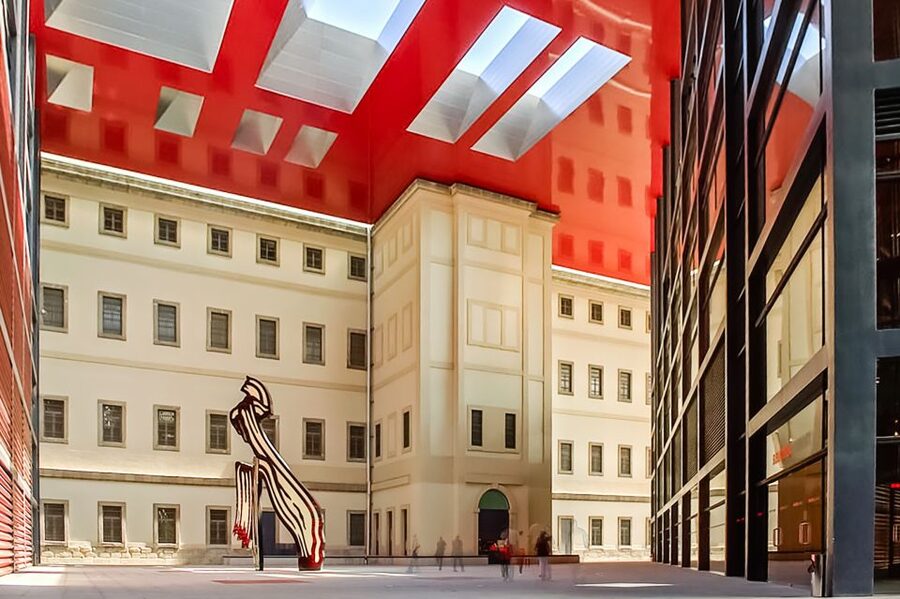
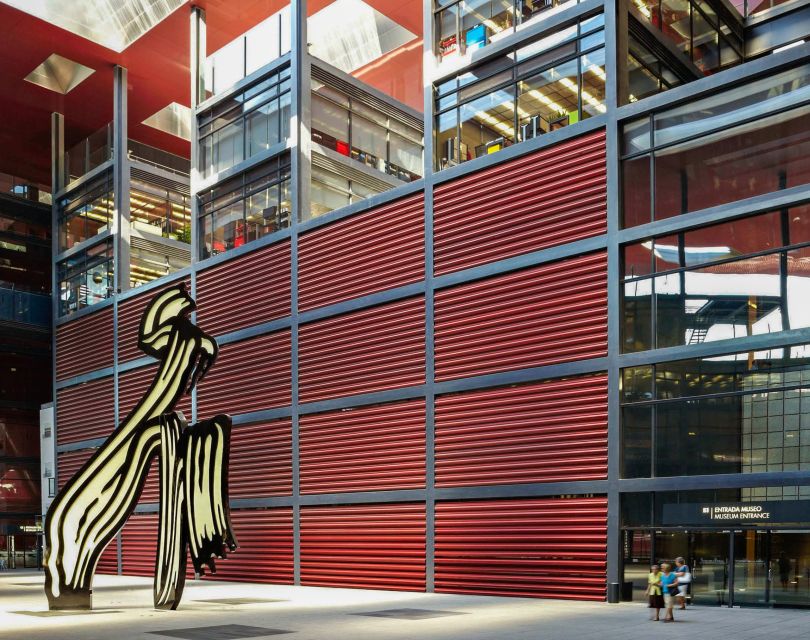
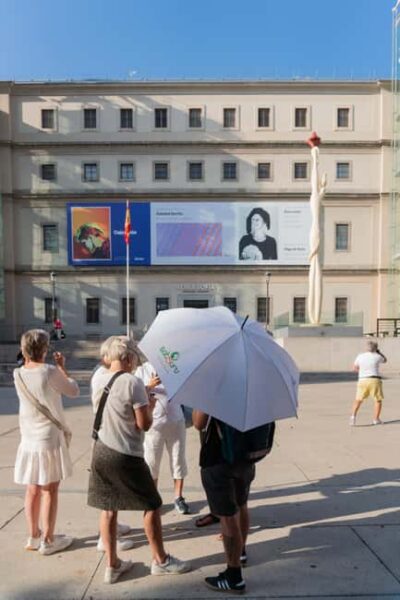
Your ticket experience starts before you even see art. Meet at the access through the Nouvel courtyard, at Ronda de Atocha nº2. In practice, this matters because it sets you up to enter efficiently instead of circling Madrid’s museum traffic like a confused painting character.
Once you’re inside, the museum’s layout is the next reality check. The Reina Sofía isn’t as straightforward as some “one-room-per-masterpiece” museums. You’ll likely want a simple plan: pick your must-sees first, then let the rest be flexible. That approach keeps you from feeling like you’re “missing” things when you’re actually just choosing a route.
Also note the practical rules. No pets, no food or drinks, and no luggage or large bags. Stick to a 40x30x10 cm-style bag if you’re bringing one, and remember only closed folding umbrellas are allowed. If you’re traveling light, you’ll move faster and spend more time looking.
The price: what $14 really buys you (and when it’s not needed)
The ticket price listed is about $14 per person, and it includes the entrance plus temporary exhibitions and the booking/handling fee. Value comes from two angles.
First, this museum can get busy. An advance ticket often lets you avoid the long “stand and wait” part of the day and switch that energy into galleries. Several people in the feedback specifically called out getting in quickly with a ticket.
Second, the museum has free time windows. If you’re flexible and timing works, you might save money by going during these free periods:
- Monday to Saturday: 7 PM–9 PM
- Sundays and public holidays: 12:30 PM–2:30 PM
So here’s the decision rule I’d use:
- If you’re locked into a specific day and time, the ticket is a smart way to protect your schedule.
- If your plans are loose and you can work around the free hours, you can potentially spend less.
A full-day museum: how I’d structure your time
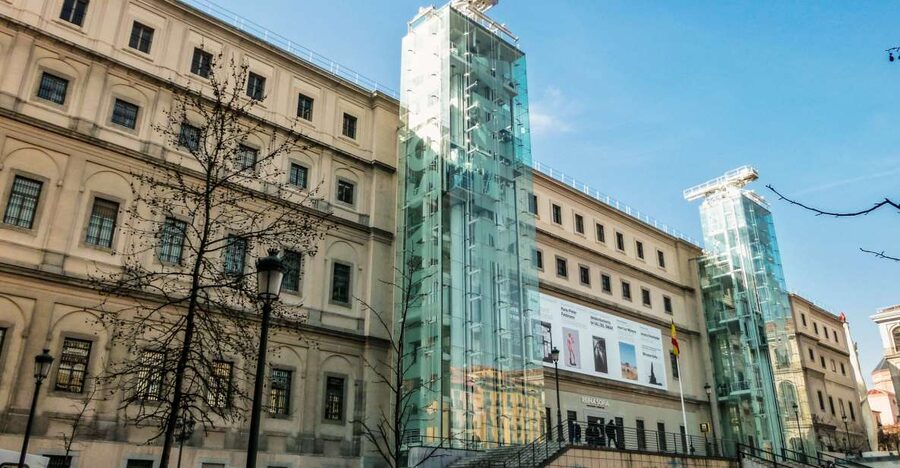
A “1 day” ticket at the Reina Sofía is not a challenge coin. It’s a real invitation to slow down. People who loved the visit often mention spending half a day to a full day, especially if they read labels and stay with each room longer than “just passing through.”
Here’s a practical rhythm that works for most visitors:
Step 1: Go straight to Guernica (then breathe)
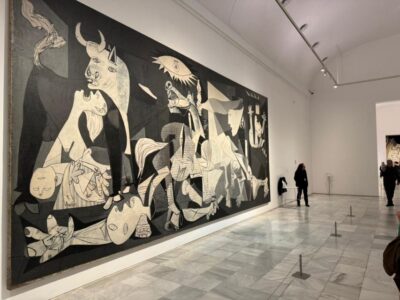
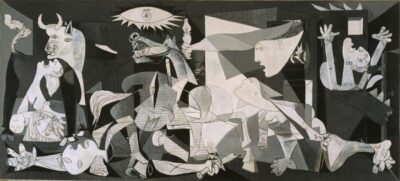
Picasso’s Guernica is the centerpiece. Plan to see it early in your visit if you can. Even when you’re not trying to beat crowds, you’ll get a calmer experience and more room to actually look at details.
Expect a setting where people gather for photos, and you may have to manage your position to see clearly. I’d treat it like a moment, not a stop: stand, look, and then move when you feel your attention level dropping. That’s the fastest way to avoid the “I saw it” feeling without really seeing it.
Straight past the ticket queue




Step 2: Use Dalí and Miró to shape your route
After Guernica, I’d use the other major anchors to guide your path:
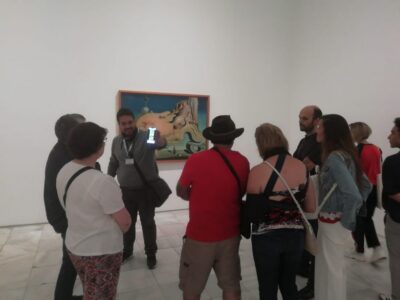
- Salvador Dalí: the collection includes around 20 canvases and surrealist favorites such as El gran masturbador.
- Joan Miró: his works are often described through bright primary colors, and they can brighten your mood after the intensity of Picasso.
This is a good strategy because it turns the museum into a story you can follow. Instead of “lots of paintings,” you’re moving through different ways artists reacted to their world.
Step 3: Spend time with Spanish 20th-century art
A huge part of what makes the Reina Sofía feel worth it is that it’s not only famous names. The museum covers 20th-century Spanish artists, and the collection is big enough to support multiple themes: politics, society, identity, and artistic experimentation.
This is where the museum’s multi-narrative approach shows up. You aren’t just handed one interpretation. The galleries feel like they’re asking you to compare how different works speak to the same century from different angles.
Step 4: Don’t ignore the other media rooms
One detail I’d actively plan for: the museum includes more than painting. You’ll find photography, film, sound, and even dance working alongside traditional genres. That changes the pacing. If you start getting “label fatigue,” these rooms can reset your attention because you’re listening or watching instead of reading.
And yes, you might still want to return to paintings after. Treat the museum like a playlist: some tracks hit hard, others change the tempo.
What the museum feels like: modern art you can actually use
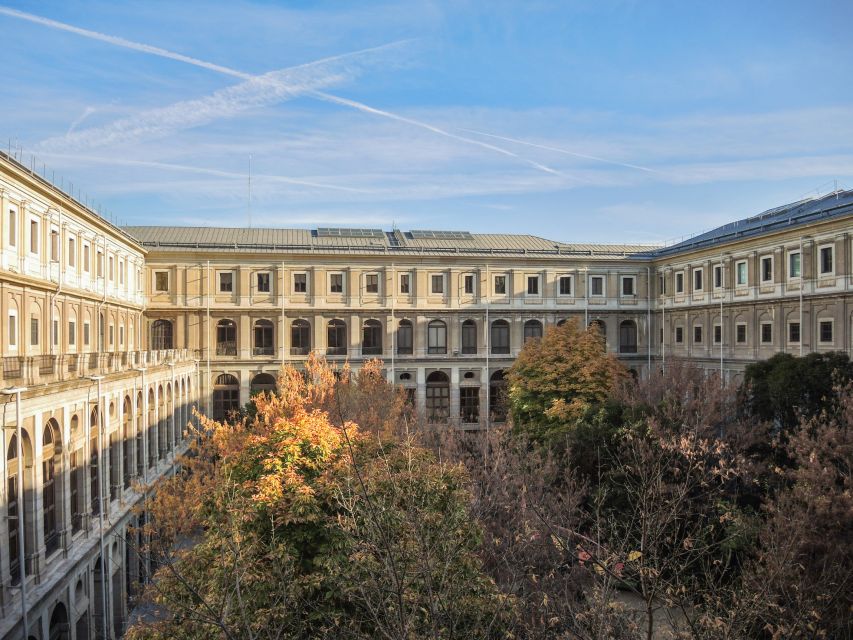
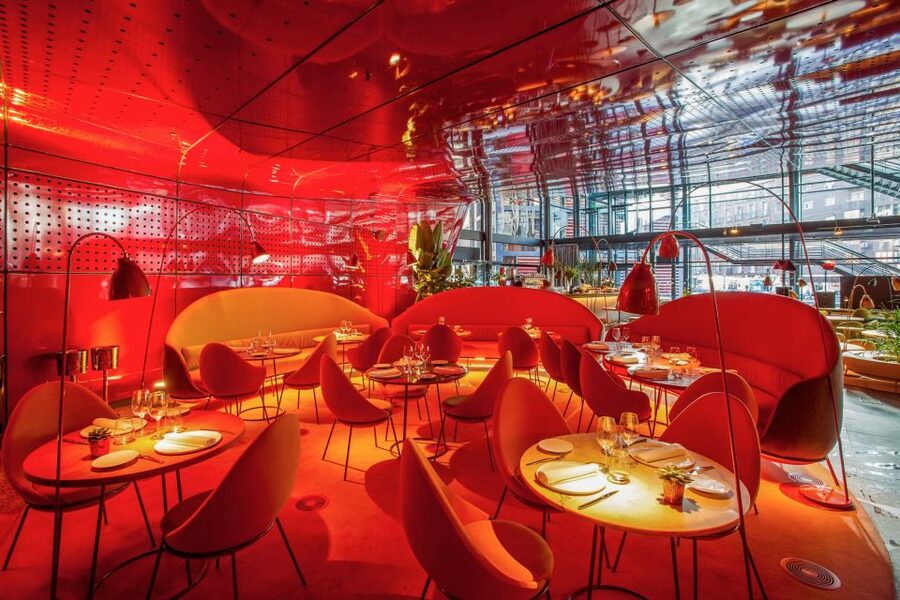
The Reina Sofía describes itself through intersections—spaces, objects, and times colliding into stories you piece together as you go. You’ll notice this in how rooms relate to each other. Even if you don’t catch every detail, the overall effect is that you keep building a personal understanding.
Here’s what I think that means for you on the ground:
- You won’t get bored because you’ll keep switching from paintings to other formats.
- You’ll probably have more than one reaction. Intense works land emotionally; surrealism lands in your brain; design-y visuals might land as pure form.
- Your experience will be shaped by what you choose to prioritize.
A small caution: a few visitors found parts of the museum harder to navigate than they expected. That’s not a deal-breaker, but it’s a reason to avoid rigid “hour-by-hour” planning.
Audio guide vs. self-guided: pick what fits your brain
An audio guide isn’t included. You can purchase one in the museum for about €4.50. From the feedback, the audio guide is commonly seen as helpful—especially for turning famous names and artworks into something more coherent.
If you’re the type who likes structure, audio is a good investment. If you prefer quiet wandering, you can still do it without—just know you may spend more time guessing what you’re looking at and why it matters.
One more practical note: people also flagged that signage can be confusing in places. An audio guide helps reduce the amount of “wandering with no purpose” when you’re trying to move efficiently between major works.
Crowds, timing, and how to avoid the worst friction
You can’t control crowds in Madrid. What you can control is when you arrive.
Some visitors described heavy lines at certain times and praised the ticket for allowing smooth entry. Others specifically pointed out that the free hours can attract lots of people. In other words, your choice is either:
- Pay a bit to make timing easier, or
- Go during free windows and accept that the museum may get packed.
If you want a middle path, aim to arrive earlier in the day when possible. That reduces the chance of feeling rushed in the galleries you care most about.
Also, plan for small “flow problems.” A few comments mentioned issues like crowded areas around Guernica for selfies. You can’t stop that, but you can outsmart it by revisiting the room later after the initial surge.
Rules that can affect your day (and how to pack smart)
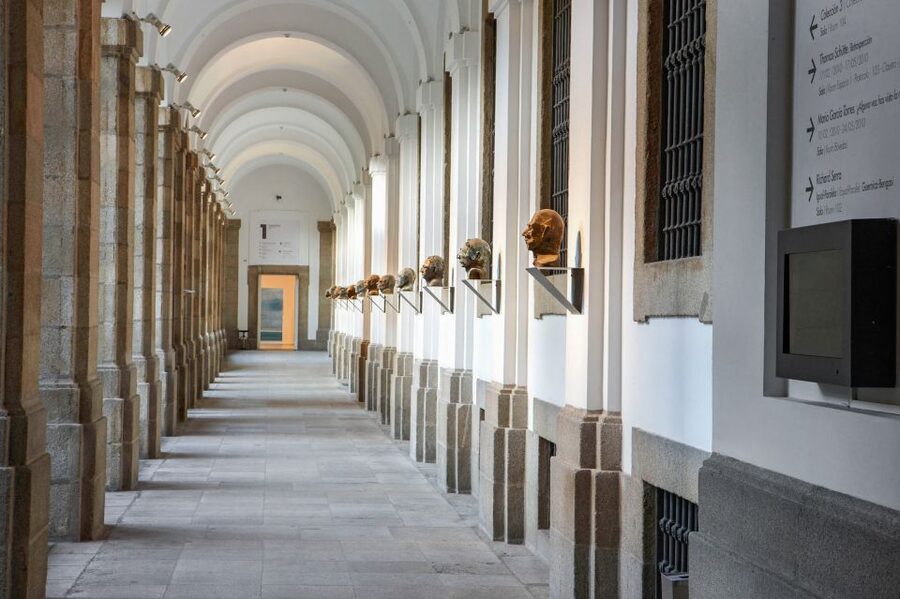
The museum has clear restrictions, and they matter because they can slow you down if you show up with the wrong bag.
Not allowed:
- Pets
- Food and drinks
- Luggage or large bags
- Sharp objects and anything that could pose a risk to museum property (knives, tools, scissors, and similar)
Permitted guidance:
- Bags/purses/backpacks are best around 40x30x10 cm
- Closed folding umbrellas only
- Assistance dogs allowed (emotional support dogs only with proper justification)
If you want an easier day, pack like you’re going to a show: small bag, phone charged, water plan elsewhere, and no surprises at security.
Best fit: who will enjoy the Reina Sofía ticket most
This ticket is especially worth it if:
- You care about Picasso, Dalí, and Miró and want more than one painting by each
- You like museums that mix painting with film, photography, sound, and other media
- You want flexibility: a full-day window lets you choose how much you read versus how much you feel
It may feel less ideal if:
- You want a tightly guided, step-by-step “tour of the highlights” structure (this ticket is essentially self-guided, with an optional audio guide)
- You get stressed by museums that aren’t simple to navigate room-to-room
Should you book this entrance ticket?
If your schedule is fixed or you really care about seeing Guernica with minimal waiting, I’d book. The ticket price is often justified by saving time and keeping your day from getting hijacked by lines.
If you’re budget-first and you can confidently visit during the free windows, you may be able to skip the ticket and still enjoy the museum. Just be ready for larger crowds during those times.
My practical call: book the ticket when you want control. Don’t book it when timing is loose and you’re happy to go with the free-hour flow.
FAQ
What’s the duration of the Reina Sofía ticket?
The ticket is valid for 1 day, with availability depending on starting times.
What’s included with this ticket?
It includes entrance to the Reina Sofía Museum and access to all temporary exhibitions, plus the booking and handling fee.
Do I need an audio guide?
The audio guide is not included. You can purchase it inside the museum for about €4.50.
Where do I meet for the museum entrance?
You should find the access through the Nouvel courtyard, at Ronda de Atocha nº2.
What’s the museum free admission schedule?
It’s free from:
- Monday to Saturday: 7 PM–9 PM
- Sundays and public holidays: 12:30 PM–2:30 PM
What days is the museum closed?
It’s closed on 1 and 6 January, 1 and 15 May, 9 November, and 24, 25, and 31 December.
Is the museum wheelchair accessible?
Yes, the activity is wheelchair accessible.
Straight In, No Queue
- Madrid: Tour Bernabéu Entry Ticket
★ 4.5 · 21,573 reviews - Madrid: Prado Museum Entry Ticket
★ 4.6 · 20,699 reviews - Avila & Segovia Tour with Tickets to Monuments from Madrid
★ 5.0 · 9,762 reviews - Madrid: Avila and Segovia Day Trip with Tickets to Monuments
★ 4.6 · 4,568 reviews - Toledo & Segovia Tour with Cathedral and Alcazar Tickets & Lunch
★ 4.5 · 4,046 reviews - Madrid: La Cueva de Lola Flamenco Show Tickets with Drink
★ 4.8 · 2,567 reviews
More Tour Reviews in Madrid
- Madrid: Tour Bernabéu Entry Ticket
★ 4.5 · 21,573 reviews - Madrid: Prado Museum Entry Ticket
★ 4.6 · 20,699 reviews - Madrid: “Emociones” Live Flamenco Performance
★ 4.8 · 12,866 reviews - Madrid: Panoramic Route City Tour
★ 4.1 · 12,259 reviews - Madrid: Live Flamenco Show with Food and Drinks Options
★ 4.5 · 9,901 reviews - Avila & Segovia Tour with Tickets to Monuments from Madrid
★ 5.0 · 9,762 reviews
Reina Sofia, Beyond Guernica
- Madrid: Reina Sofía Museum Guided Tour
★ 4.3 · 659 reviews - Spanish Civil War start of 2 World War, Guernica Franco
★ 5.0 · 462 reviews - Reina Sofia Museum Small Group Tour -6 people maximum-
★ 5.0 · 433 reviews - Madrid: Guided Tour of Reina Sofía Museum with Entry Ticket
★ 4.9 · 363 reviews - Madrid: Reina Sofia and Prado Museum Tickets and Guided Tour
★ 4.6 · 342 reviews - Prado Museum with Reina Sofia Museum Guided Tour
★ 4.0 · 311 reviews
Just Added: New Madrid Tour Reviews


Reina Sofía Museum Tours, compared.
 ★ 4.3Reina Sofía Museum Guided TourFrom $38659 reviews
 ★ 5.0Spanish Civil War start of 2 World War, Guernica FrancoFrom $3462 reviews
 ★ 5.0Reina Sofia Museum Small Group Tour -6 people maximum-From $59433 reviews
 ★ 4.9Guided Tour of Reina Sofía Museum with Entry TicketFrom $59363 reviews
 ★ 4.6Reina Sofia and Prado Museum Tickets and Guided TourFrom $68342 reviews
 ★ 4.0Prado Museum with Reina Sofia Museum Guided TourFrom $81311 reviews
 ★ 4.3Reina Sofía Guided Tour with Skip-the-Line TicketsFrom $44293 reviews
 ★ 3.1Reina Sofía Museum Ticket with In-App Audio GuideFrom $35231 reviews
Browse the lists this tour appears in