
REVIEW · TOLEDO DAY TRIPS FROM MADRID
Tour of the Inquisition and Witchcraft in Toledo
Toledo’s dark past is easy to see up close. This 90-minute Inquisition and witchcraft tour connects the story to real streets, real squares, and real institutions, starting at Plaza de Zocodover. I especially like how the guide keeps it grounded in history (not campfire myths), and I also like the focus on how the system worked: how cases were identified, processed, and punished.
The topic is heavy. You will hear about interrogation, torture to obtain confessions, public penance, and even execution. If your group includes people who may feel personally connected to these themes, the guide’s tone matters a lot, and guides such as Vanesa have been specifically praised for handling the subject with care and sensitivity.
In This Review
- Key things you’ll notice on this tour
- Why Toledo’s Inquisition Story Hits at Zocodover
- What you’ll learn: autos de fe, heresy, and the witchcraft scare
- Meeting point reality check: Calle Armas 3 and the colored flag
- Zocodover Plaza: where public repentance became public control
- Posada de la Hermandad: prisons, punishments, and how power moved
- Toledo Cathedral area: religion and authority in the same footprint
- Ancient Jewish Quarter: persecution inside a living city
- Convento de San Pedro Mártir: a key step in the process
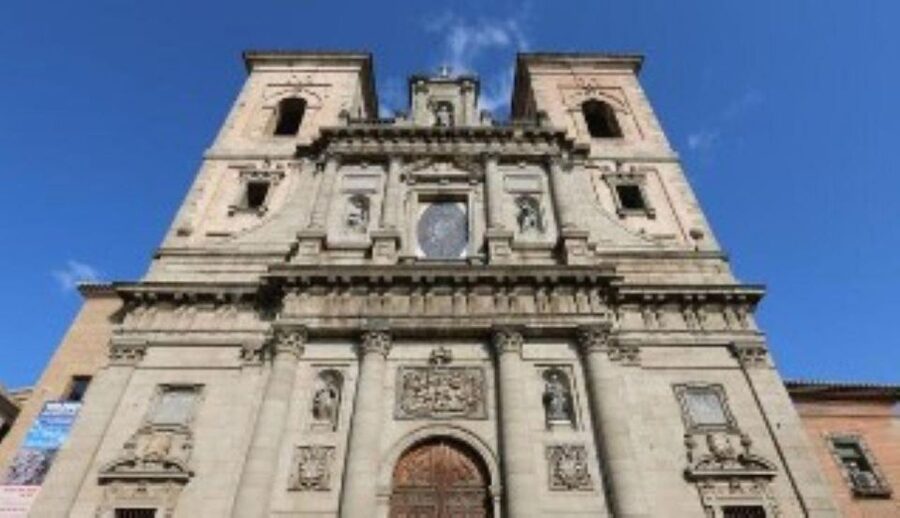
- Iglesia de los Jesuitas: how the story changes over time
- Plaza de San Vicente: the end of the Inquisition in Spain
- Price and 90-minute value: what $10 buys you
- Who should book this tour, and who might choose differently
- Should you book? My take on booking this Inquisition walk
- FAQ
- FAQ
- How long is the Inquisition and witchcraft tour in Toledo?
- How much does the tour cost?
- Where do I meet the guide?
- What language is the tour in?
- Does the tour require buying tickets or paying extra entry fees?
- Is the tour wheelchair accessible?
- Is there a group size limit?
- Is there a minimum number of people needed for the tour to run?
- What is the guide supposed to carry at the meeting point?
Key things you’ll notice on this tour
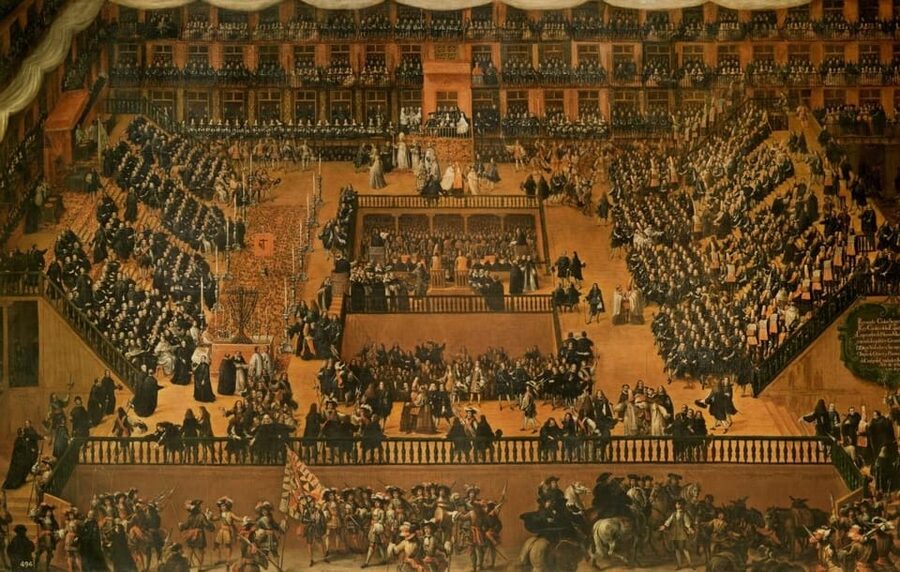
- Zocodover Plaza is the center of the story, linked to public autos de fe in Toledo
- You get the “how it worked” part, including the Inquisition hierarchy and trial process
- Witchcraft is treated as heresy, not fantasy, with arrests and sentences explained
- You walk through key religious landmarks, including the Toledo Cathedral area and major church stops
- The route includes Toledo’s older Jewish Quarter, placing persecution in a living neighborhood
The darker corners of old Madrid, retold
- Night Walking Tour of Toledo to learn about Secrets and Legends★ 4.5 · 56 reviews
- Toledo Mágico, the original night tour: mystery, curiosities, and secrets.★ 4.7 · 34 reviews
- Tour of the Inquisition and Witchcraft in Toledo★ 3.3 · 13 reviews
- Night Tour of Aranjuez Mysteries and Legends★ 4.5 · 9 reviews
Why Toledo’s Inquisition Story Hits at Zocodover
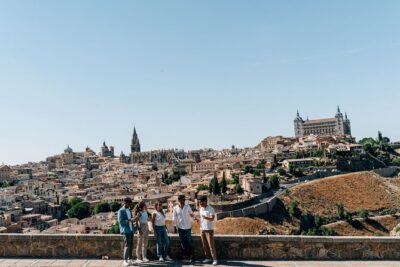
Toledo feels like a museum you can actually walk through. The charm of old stone streets is real, but so is the darker layer beneath it. This tour uses that contrast on purpose, and it starts where the public drama happened most often: Zocodover, the city’s big meeting point and stage for many of the autos de fe.
Autos de fe were not just “punishments.” They were public ceremonies that signaled power and forced unity. In other words: this was religion used as governance. When you hear how condemned people were expected to renounce their sins and show repentance to reconcile with the Catholic Church, the whole city layout makes more sense.
I also like that the tour doesn’t just say what was done. It explains what the Inquisition was trying to control: belief, behavior, and community reputation. That makes the story feel less like a distant atrocity and more like something that shaped daily life in Toledo.
What you’ll learn: autos de fe, heresy, and the witchcraft scare
The tour frames the Inquisition as an ecclesiastical court created to pursue heresy and practices considered contrary to Catholic faith, tied to the Catholic Monarchs Ferdinand and Isabella. You’ll hear the timeline too: it begins in the 15th century and continues until the 19th century, with Toledo as a strong local center.
Here’s what I’d watch for as you go:
- The end of the Inquisition in Spain gets explained through a specific stop near San Vicente.
- The Inquisition hierarchy is covered, so you understand it wasn’t one lone authority figure.
- Stories of famous prisoners connected to Toledo come up as you move between sites.
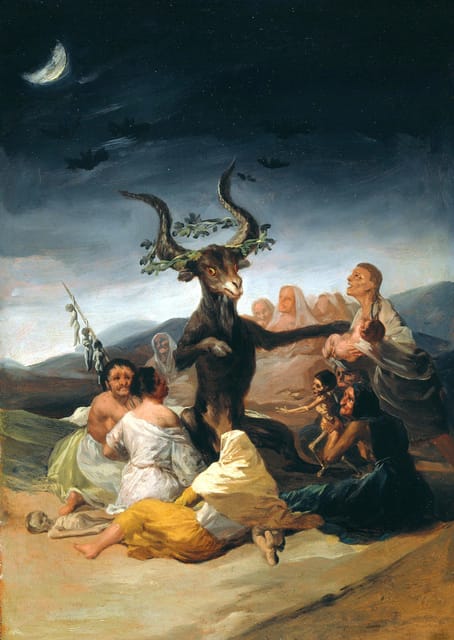
Then there’s the witchcraft piece. In this period, witchcraft and sorcery were treated as heresy. The tour describes how people accused of practicing witchcraft were often arrested, interrogated, and tortured to obtain confessions, and how punishments could include property confiscation, public penance, and execution in extreme cases. I appreciate that it doesn’t lean on horror theatrics. It explains the mechanism behind fear—how rumors and superstition fed a system that demanded proof.
Meeting point reality check: Calle Armas 3 and the colored flag
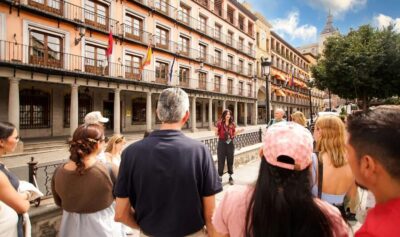
Meet at C. Armas, 3, opposite RODILLA café, at the start of Plaza de Zocodover. Your guide carries a small colored flag—and the key is to spot it quickly, because the group starts on time.
This tour is Spanish only, and it’s best if you can follow the narration at walking speed. If your Spanish is basic, you’ll still pick up a lot from names of places and the flow of the story, but it helps to be comfortable listening.
Group size matters here. The maximum allowed per group (family or friends) is 6, and the tour requires a minimum of 6 people to run. In practice, that means you should book with the expectation that the schedule depends on getting enough participants, not just on one fixed departure time.
Zocodover Plaza: where public repentance became public control
You begin at Zocodover because Toledo used this central space for major public acts. The tour connects the autos de fe to this plaza, where the condemned would abjure their sins and show repentance as a way to reconcile with the Church.
This is the moment in the tour where I think the whole theme comes into focus. A lot of people know the Inquisition by reputation, but autos de fe show the everyday goal: making belief visible, measurable, and correctable. When something is performed in public, it becomes social pressure as much as punishment.
Even if you don’t love grim history, you’ll find the architecture and location useful here. Zocodover is the type of square where crowds naturally gather. The story suddenly feels plausible because the setting matches the plan.
South to Toledo, more ways to make the run

Posada de la Hermandad: prisons, punishments, and how power moved
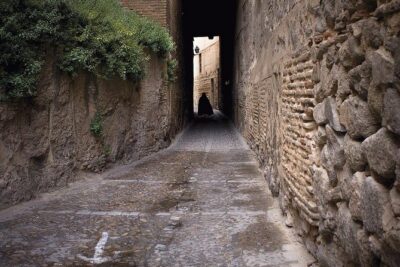
As you continue through the historic lanes, you pass Plaza Mayor and Posada de la Hermandad. This is where the tour shifts from the theater of public ceremony to the machinery underneath it.
You’ll talk about prisons and punishments tied to the Holy Inquisition, along with torture methods used to obtain confessions. That can feel intense, so I’d treat this part like a museum visit, not like entertainment. The guide’s job is to explain, not to sensationalize—and the best versions of this tour keep the tone factual and steady.
What makes this stop worth your attention is that you stop seeing the Inquisition as a vague idea. You start to see it as a system with steps: detection, confinement, interrogation, judgment, and outcome. Once you grasp that structure, the later stops make more sense.
Toledo Cathedral area: religion and authority in the same footprint
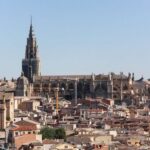
The tour includes a stop at the Toledo Cathedral. Even if the guide doesn’t turn the visit into a full architecture lesson, the Cathedral anchors the subject in what the Inquisition claimed to protect: faith, doctrine, and the Church’s role in governing moral life.
I like pairing this kind of site with the trial stories. It prevents a common mistake: thinking the Inquisition was only about cruelty. It was also about authority. By placing the court in a city where religious institutions were central, you see how people experienced power in everyday spaces.
You’ll also likely notice how Toledo’s religious and civic identity overlap. That overlap is part of why the Inquisition could gain control. If the community’s main institutions agree on what counts as correct belief, dissent becomes not only dangerous but socially isolating.
Ancient Jewish Quarter: persecution inside a living city
Toledo’s Jewish Quarter is one of the most sensitive parts of the route. The tour includes it because the Inquisition era reshaped community life, and because that history is visible in Toledo’s street pattern and sacred landmarks.
I appreciate that the tour doesn’t treat this neighborhood like a backdrop. It uses it to widen the lens: heresy accusations, fear, and forced conformity affected more than one group. The guide may also address the human cost behind the dates and terms, which matters here.
If your group has mixed backgrounds or religious identities, it’s smart to remember that this is not light sightseeing. Choose your pace. Take a moment to look at the streets and then listen. The goal is understanding, not shock value.
Convento de San Pedro Mártir: a key step in the process
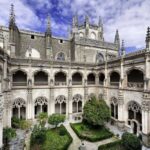
You also visit Convento de San Pedro Mártir. This stop connects directly to one of the tour’s standout historical details: the first auto-da-fé in the 15th century launched here with more than 700 people.
That number lands differently when you hear it on location. Seven hundred isn’t a handful of cases. It’s a public event at city scale—meaning the Inquisition’s influence was not subtle. It was loud. It was organized. It involved witnesses, community participation, and a visible chain of command.
The guide explains the organization of the headquarters and the processes from detection of the crime to execution. I like this part because it answers the question many people have: what happened between accusation and final sentence?
It’s also a useful correction if you’ve only heard the Inquisition described as chaos. The tour presents it as procedure-driven power, executed through a hierarchy and repeated rituals.
Iglesia de los Jesuitas: how the story changes over time
The walk includes Iglesia de los Jesuitas. This stop helps connect the Inquisition era to later religious influence and shifting authority structures. Even without a deep architectural focus, it keeps the timeline from feeling frozen in the 1400s.
Witchcraft and heresy fear didn’t vanish overnight. It ebbed and flowed with politics, doctrine, and local leadership. A stop like this reminds you that religious institutions evolved, even while coercive methods left long shadows.
This is also one of the points where you can pay attention to how the guide transitions from trials to the question of endings—how the system stopped, and why. It sets up the final theme in the last plaza stop.
Plaza de San Vicente: the end of the Inquisition in Spain
Near Plaza de San Vicente, the tour addresses the end of the Inquisition in Spain and tells stories of some of the most famous prisoners in Toledo connected to the Tribunal of the Holy Office.
Ending a tour on the closing chapter is smart. It prevents the experience from feeling like a one-way descent into suffering. Instead, you get context for how institutions change, and why the Inquisition eventually lost its role as a court with that particular reach.
This last section is also where I think you benefit most from listening actively, especially if you’re the type who likes to understand causes. You’ll get a clearer sense of how fear-based control can persist for centuries—and then how reform and shifting legal realities can dismantle it.
Price and 90-minute value: what $10 buys you
This tour costs $10 per person and runs about 1.5 hours. That’s excellent value for Toledo, where many history walks charge far more for less content. In this case, you’re paying for a local guide who ties together multiple landmarks and a specific theme: Inquisition courts, witchcraft persecution, and the public rituals behind it.
What you should consider is not price—it’s content. This tour spends time on methods like interrogation and torture and describes executions and sentences. If you want light storytelling, this isn’t your pick. If you want a clear, street-level explanation of how a religious court operated, this is strong value.
The tour is also designed for small group sizes (with family/friends capped at 6), which can make questions easier and pacing more manageable.
Who should book this tour, and who might choose differently
I think this experience fits best if you:
- like history tied to real places
- want the trial process, not just dramatic legends
- can handle dark topics without needing comedy or theatrical horror
It might feel like too much if you want a purely aesthetic Toledo walk or if you prefer modern storytelling over older institutional brutality. Also note that the tour is Spanish only, so if language is a major barrier, you may spend too much time decoding and not enough time absorbing.
The best match is someone who enjoys reading between the stones—someone who wants Toledo’s past to make sense, not just sound grim.
Should you book? My take on booking this Inquisition walk
Book it if you want a focused, low-cost history route that’s built around Toledo’s key Inquisition-related sites and rituals, starting at Zocodover and ending at San Vicente. The $10 price and 1.5-hour format make it easy to fit into a day without burning your schedule.
Skip it if you’re looking for a ghost tour or a mystery vibe. The tone here is about historical court behavior and community control, including witchcraft accusations and what people could face. If you can handle that, you’ll leave with a much clearer picture of how belief, law, and fear intersected in Toledo.
FAQ
FAQ
How long is the Inquisition and witchcraft tour in Toledo?
The tour is about 1.5 hours.
How much does the tour cost?
It costs $10 per person.
Where do I meet the guide?
Meet at Calle Armas 3, opposite RODILLA café, at the beginning of Plaza de Zocodover.
What language is the tour in?
The tour is guided in Spanish.
Does the tour require buying tickets or paying extra entry fees?
No. The tour does not require payment of tickets or additional expenses.
Is the tour wheelchair accessible?
Yes, it is wheelchair accessible.
Is there a group size limit?
Yes. The maximum allowed per group (family/friends) is 6.
Is there a minimum number of people needed for the tour to run?
Yes. A minimum of 6 people is required.
What is the guide supposed to carry at the meeting point?
The guide carries a small colored flag so you can identify the group.
More Tour Reviews in Toledo
- Guided Walking Tour of Immortal Toledo
★ 5.0 · 1,116 reviews - Toledo Private Tour with Licensed Local Guide
★ 5.0 · 884 reviews - Toledo: City Sightseeing Hop-On Hop-Off Bus Tour & Extras
★ 4.3 · 683 reviews - Madrid: Full-Day Guided Tour of Toledo with Cathedral Visit
★ 4.6 · 647 reviews - Toledo: Tourist Bracelet with Entry to 7 Attractions
★ 4.3 · 597 reviews - Toledo: Three Cultures English Tour
★ 4.7 · 468 reviews
Down to Toledo for the Day
- Guided Walking Tour of Immortal Toledo
★ 5.0 · 1,116 reviews - Toledo Private Tour with Licensed Local Guide
★ 5.0 · 884 reviews - Toledo: City Sightseeing Hop-On Hop-Off Bus Tour & Extras
★ 4.3 · 683 reviews - Madrid: Full-Day Guided Tour of Toledo with Cathedral Visit
★ 4.6 · 647 reviews - Toledo: Tourist Bracelet with Entry to 7 Attractions
★ 4.3 · 597 reviews - Toledo: Three Cultures English Tour
★ 4.7 · 468 reviews
The Legends and Ghosts of Madrid
- Toledo: Mysteries and Secrets Tour in Spanish
★ 4.7 · 106 reviews - Night Walking Tour of Toledo to learn about Secrets and Legends
★ 4.5 · 56 reviews - Toledo Mágico, the original night tour: mystery, curiosities, and secrets.
★ 4.7 · 34 reviews - Night Tour of Aranjuez Mysteries and Legends
★ 4.5 · 9 reviews - 7 Highlights of Toledo.History, mystery+subterranean spaces
★ 3.9 · 7 reviews - Toledo Ghost Tour: haunted houses and strange events
★ 3.7 · 4 reviews
Just Added: New Toledo Tour Reviews

Toledo Day Trips from Madrid, compared.
 ★ 5.0Three Cities in One Day: Segovia, Avila and Toledo from MadridFrom $1268,402 reviews
 ★ 4.7Segovia and Toledo Tour, Alcazar, and CathedralFrom $487,797 reviews
 ★ 5.0Toledo Tour from Madrid: Cathedral, Synagogue & St. Tome’s ChurchFrom $816,784 reviews
 ★ 4.6Toledo & Segovia Tour w/ Cathedral, Alcazar & LunchFrom $465,846 reviews
 ★ 4.5Toledo Half or Full Day Tour with Optional Lunch from MadridFrom $645,807 reviews
 ★ 4.1From Madrid: Guided Day Trip to Toledo by BusFrom $405,280 reviews
 ★ 4.5Toledo & Segovia Tour with Cathedral and Alcazar Tickets & LunchFrom $454,046 reviews
 ★ 4.3From Madrid: Toledo Guided Day TripFrom $323,501 reviews
Browse the lists this tour appears in