
REVIEW · TOLEDO DAY TRIPS FROM MADRID
Guided tour of Imperial Toledo
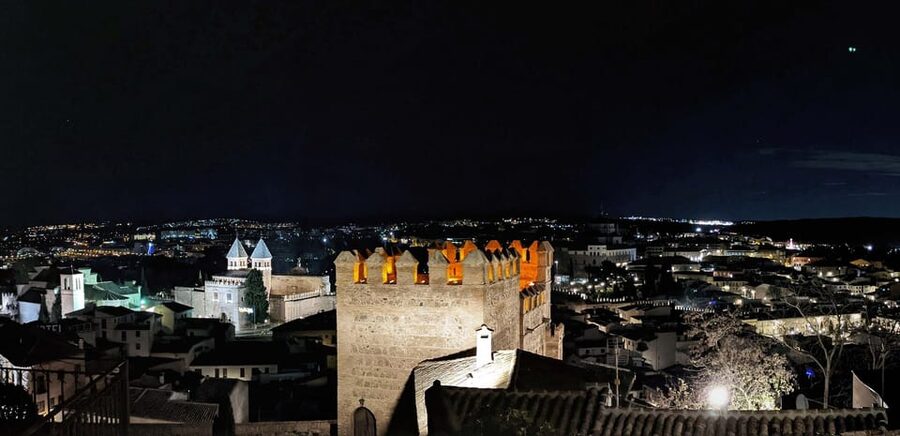
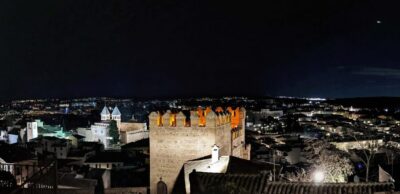
Toledo changes its mood fast after dark. This Imperial Toledo guided night tour leans into the eerie quiet, the lights-and-shadows feeling, and the stories that most daytime walks skip. You’ll hear about life and death in Renaissance and Baroque Toledo, plus how 19th-century romantics saw the city.
I like two things a lot: the focus on lesser-known Toledo (especially the quieter convent district), and the way the guide ties big names and dramatic events to real places. I also appreciate that it’s short and punchy—about 2 hours—so you’re not stuck strolling forever.
One thing to consider: the tour can start around 5:30 PM, so some sections may still be partly daylight before it fully turns night.
In This Review
- Key things you’ll notice on this Imperial Toledo night tour
- Why Toledo at night makes this tour make sense
- Getting there and starting at Plaza de Zocodover
- What the tour really talks about: power, suffering, and resistance
- From Plaza de Zocodover to Parroquia Mozárabe de las Santas Justa y Rufina
- Plaza Amador de los Ríos and the shift from sacred to civic space
- Iglesia de los Jesuitas, Toledo and Iglesia de San Román: authority and memory
- Plaza de Padilla: resistance, politics, and dramatic stories
- Convento de Santo Domingo El Antiguo and the quiet that amplifies the stories
- Plaza de San Vicente: finishing with sunset-era drama
- Price and value: why $14 works for what you get
- Who this tour suits best (and who might want something else)
- Should you book the Imperial Toledo night tour?
- FAQ
- What is the duration of the Guided Tour of Imperial Toledo?
- How much does the tour cost?
- Is the tour in Spanish?
- Where do I meet the guide?
- Is the tour wheelchair accessible?
- How many people are needed for the tour to run?
Key things you’ll notice on this Imperial Toledo night tour
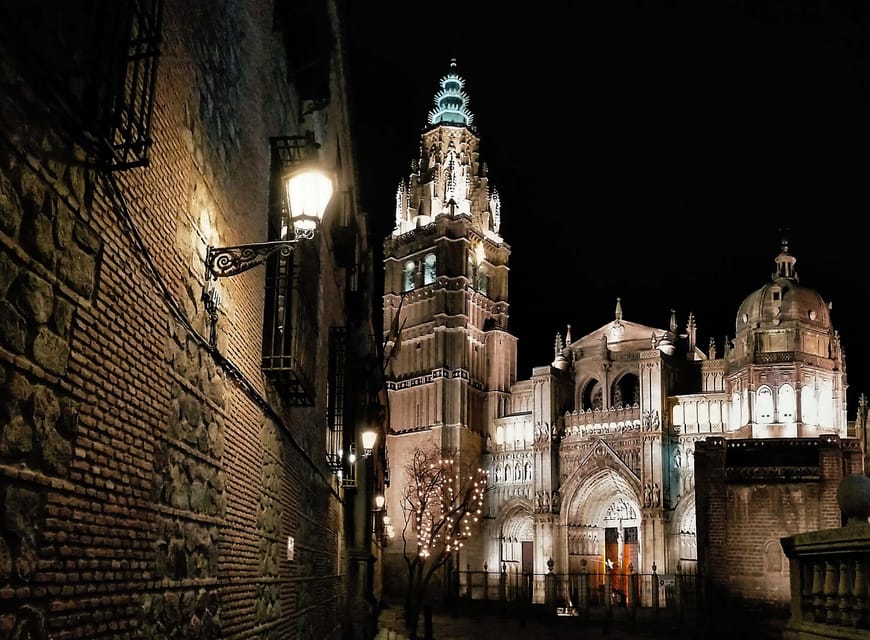
- Convent district after dark: a quieter pocket of Toledo that sets the mood for the darker stories.
- Imperial life-and-death themes: Inquisition-era topics, executions, epidemics, and relics, placed in context.
- María Pacheco and other names: women and historical figures connected to what you see on the walk.
- Sunset-to-night timing: you catch Toledo shifting as evening falls, not just darkness.
- Stop-by-stop pacing: about 10 minutes at each main spot, with short walking segments between.
- Spanish guide with local focus: an official local guide leads the route, with some content in the original language.
South to Toledo, more ways to make the run
- Guided Walking Tour of Immortal Toledo★ 5.0 · 1,116 reviews
- Toledo Private Tour with Licensed Local Guide★ 5.0 · 884 reviews
- Toledo: City Sightseeing Hop-On Hop-Off Bus Tour & Extras★ 4.3 · 683 reviews
- Madrid: Full-Day Guided Tour of Toledo with Cathedral Visit★ 4.6 · 647 reviews
Why Toledo at night makes this tour make sense
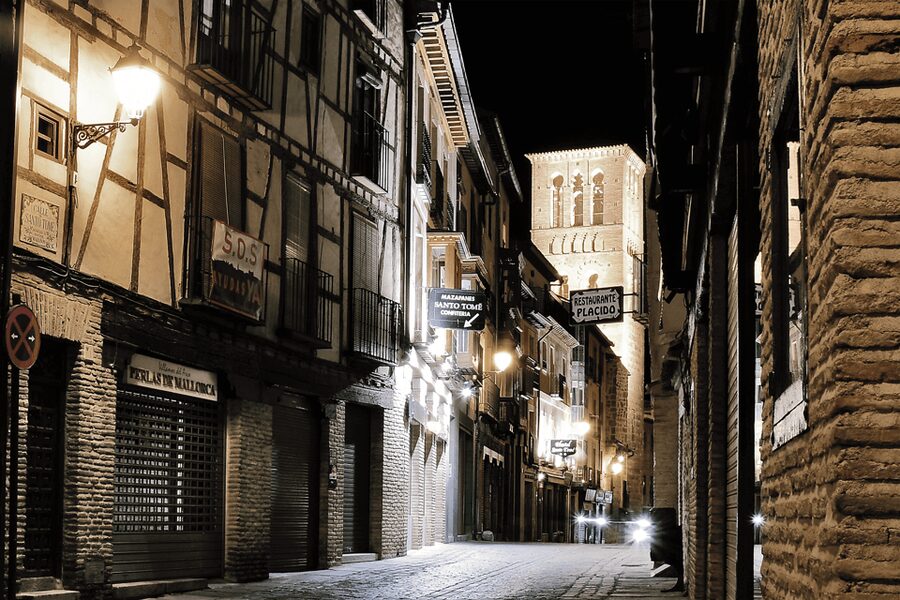
During the day, Toledo feels like a famous city with famous views. At night, the tone changes. Streets, alleys, and squares get quieter, and the city feels more private—like you’re seeing it the way locals might after closing time. That shift matters for this particular tour, because the stories are not light and fluffy. They lean into fear, survival, and power—especially during the Renaissance and Baroque periods.
What I like is that this isn’t just about “spooky atmosphere.” The tour is built around the idea of Imperial Toledo, when the city’s institutions, beliefs, and politics shaped everyday life. You’ll hear about the Holy Inquisition and its hidden prison, plus what institutions and hospitals meant in practice. The guide also brings in executions, epidemics, and ancient relics—so the city becomes a map of human experiences, not just architecture.
If you’re someone who loves history but gets bored when tours stay too general, this format helps. The walk keeps you moving through recognizable places, while the themes give the places sharper meaning. And because it’s timed around sunset, you get that extra “before and after” feeling—Toledo looking different as the sky drops.
Getting there and starting at Plaza de Zocodover
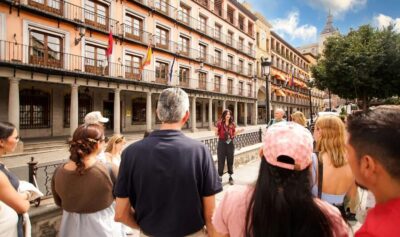
The meeting point is Plaza de Zocodover, right in the center. Look for the green flags—that’s your signal you’re in the right place.
From the start, this tour is designed for comfort and momentum. It’s only 2 hours, with brief stops of about 10 minutes each at the major points. That short rhythm is great for an evening walk: you can keep your energy, take photos without rushing too hard, and still absorb what the guide is saying.
You’ll want comfortable shoes. Toledo’s streets can be uneven, and night lighting can make footing feel trickier. A good rule: wear shoes you’d walk in for a long day, not just for a quick stroll.
One more practical detail: the tour requires a minimum of 4 people to run. That doesn’t mean you should panic—just check your date when you book, especially in low-season weeks.
Language-wise, it’s led in Spanish by an official local guide. Some content may be shown in its original language, so if you don’t read Spanish comfortably, you’ll rely on the spoken guide as you go. Wheelchair access is listed as available, which is important if you need that option.
What the tour really talks about: power, suffering, and resistance
This is a “life and death” kind of walk. The guide’s topics are heavy, but they’re grounded in the places you pass. You’ll hear about the Holy Inquisition, including its hidden prison. You’ll also learn how institutions and hospitals fit into the city’s daily rhythm—because in those centuries, care and control often showed up together.
There’s also a focus on public events that shaped fear and order: executions are mentioned directly, along with epidemics. That may sound grim, but it’s exactly why the night setting works. In the daylight, those topics can feel abstract. After sunset, they land more emotionally, because the city itself quiets down and gives the stories room.
The tour also covers ancient relics and the “lights and shadows” feeling of Imperial Toledo. That phrase isn’t just poetic. It translates into how the guide frames contrasts: sacred versus brutal, public versus hidden, faith versus punishment.
And then there are the people who push back against the standard script. You’ll hear about admirable women like María Pacheco, plus historical figures such as El Greco and Juan de Padilla. The walk also brings in a literary angle with Gustavo Adolfo Bécquer, tying Toledo to how it was imagined by writers later on.
Finally, the guide shows the city through the eyes of 19th-century romantics. That’s a smart choice, because it explains why Toledo became so mythologized. Even if you’ve never read the romantics, you’ll feel how their lens shaped what people expect from the city.
From Plaza de Zocodover to Parroquia Mozárabe de las Santas Justa y Rufina
You start at Plaza de Zocodover. This is a strong launching pad because it’s central and easy to orient around. After you meet by the green flags, the walk immediately sets the evening tone. Expect your guide to frame what you’ll be seeing and why it matters for Imperial Toledo.
Next comes Parroquia Mozárabe de las Santas Justa y Rufina (about 10 minutes). This stop matters because it points you toward Toledo’s deeper religious layers. Even on a tour focused on Imperial themes, starting with a Mozarabic church signals that Toledo wasn’t one simple storyline. It’s more like a stack of cultures and traditions, layered over time.
What to watch for here: how the guide connects place to story. The quick stop format means you won’t get a museum-style lecture. Instead, you’ll likely get a few crisp facts and a couple of memorable anecdotes to carry forward as you walk.
Then you move on—short walk segments, then the next stop, keeping the night pace from dragging.
A local guide takes the strain



Plaza Amador de los Ríos and the shift from sacred to civic space
At Plaza Amador de los Ríos (about 10 minutes), the tour starts to feel more public and civic. Plazas in Spain are where stories become communal: gossip travels, authority is visible, and people gather. Even if you’re not here for shopping or sightseeing, the guide’s framing can make these open spaces feel like stage sets for the city’s darker chapters.
After this, you’ll continue into places tied to major power structures—religious orders and institutions. That’s where the tour’s “Imperial” identity shows up most clearly. In these centuries, influence wasn’t only political. It was religious, educational, and medical too.
This is a good moment to slow your pace slightly and listen. Night tours can move fast, and you’ll get more out of it if you keep your attention on what the guide is linking to each stop.
Iglesia de los Jesuitas, Toledo and Iglesia de San Román: authority and memory
Next up is Iglesia de los Jesuitas, Toledo (about 10 minutes). Jesuit history is tightly connected to education, social influence, and the way religious movements operated inside cities. For this tour, it’s not just a name-drop. You’re meant to see how institutions shaped daily life—and how that connects to later themes like punishment and imprisonment.
Then you’ll head to Iglesia de San Román (about 10 minutes). This stop gives you a bridge between the institutional story and the personal one—memory, faith, and how cities preserve meaning through buildings. Even if you aren’t an architecture expert, the guide’s job is to point out what’s worth noticing so you don’t feel lost.
A practical tip: when the guide stops you, look around before you focus inward. Even in a short 10-minute window, spotting surroundings (street angles, nearby squares, how you’ll walk next) helps the story stick.
Plaza de Padilla: resistance, politics, and dramatic stories
Plaza de Padilla (about 10 minutes) is a key thematic node. Here, the guide’s stories of historical figures like Juan de Padilla fit naturally into a public square. Even if you don’t know the name today, you’ll understand quickly why it belongs in a tour about Imperial Toledo. It’s the kind of place where politics turned into real consequences.
This is also where the “eyes of 19th-century romantics” idea may start to feel more concrete. Romantic authors often loved dramatic settings and moral conflict. When your guide connects those later literary impressions back to specific places, you start seeing Toledo as a city that keeps re-writing itself.
One small drawback to keep in mind: the tour is packed with meaningful stops, so if you want to do heavy photo-taking at each location, you may feel slightly rushed. I’d treat photos as quick context shots here—save your detailed photo time for earlier daylight hours, or later on your own.
Convento de Santo Domingo El Antiguo and the quiet that amplifies the stories
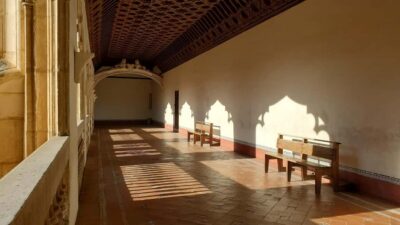
Now you get into the part that’s designed to feel different: the convent district, described as quiet and dark at night. You’ll visit Convento de Santo Domingo El Antiguo (about 10 minutes). This is where the tour’s mood shift really pays off.
Convents, by nature, feel enclosed and private. At night, that sense of separation becomes stronger. That matters because this tour talks about the hidden and the controlled—things like the Inquisition’s prison, executions, and the way epidemics affected public health and daily routines. A quiet convent setting doesn’t make the topics softer, but it makes them more understandable. You can feel the contrast between what is known in public and what’s hidden behind walls.
Then the route continues to Plaza de Santo Domingo el Real (about 10 minutes). Squares are where you catch your breath and reorient. After a stop that feels enclosed, this plaza acts like a release valve—open sky, more visibility, and the sense of moving from one layer of the city’s story to the next.
If you like history, but you also like a bit of atmosphere, this is the stretch where you’ll probably enjoy the experience most.
Plaza de San Vicente: finishing with sunset-era drama
The tour ends at Plaza de San Vicente (finish). This final stop is timed to give you the “historic Toledo at sunset” feeling—though if you’re doing the 5:30 PM start, you may notice that part of the route isn’t fully in the dark yet.
That’s worth planning for. Evening light can make stone glow beautifully and can soften heavy stories. But if you absolutely want a fully nocturnal experience, choose a later start time if one is available. The tour is still framed as nighttime, so even partial daylight won’t ruin the value—you’ll just experience the transition in a different way.
At the end, the guide’s overall theme clicks into place. You’ll have gone through hidden and public spaces, sacred and institutional settings, and stories about resistance, suffering, and cultural influence. You’ll also have a better sense of why Toledo became so mythologized: it’s a city where imagination and reality keep borrowing each other’s costumes.
Price and value: why $14 works for what you get
At $14 per person for about 2 hours, this is one of the more cost-effective ways to experience Toledo at night with a guide. You’re paying for two things: interpretation and structure.
Without a guide, you could still walk around Toledo after dark. But you’d likely miss the connections that make the evening meaningful—especially the link between themes like the Inquisition’s hidden prison and the specific stops you pass. The guide turns scattered locations into a timeline of power, belief, and consequences.
The tour also feels efficient. Each stop is about 10 minutes, so you’re constantly moving. That’s ideal for an evening slot when you want a strong experience, not a long commitment.
The only “value catch” is language. It’s Spanish. If you don’t speak Spanish, you’ll still get ambiance, but you may not get the full payoff from the anecdotes and named historical figures.
Who this tour suits best (and who might want something else)
I’d recommend this for you if:
- you like history but want it told through places, not just dates
- you enjoy atmosphere and want Toledo at night, not just daytime highlights
- you’re curious about darker topics presented in context (Inquisition-era institutions, epidemics, executions)
- you like story-driven tours with named figures like El Greco, Juan de Padilla, and María Pacheco
I’d hesitate if you:
- want a light, cheerful evening stroll
- need slow pacing with lots of free time to wander independently
- don’t speak Spanish and would struggle with guided narration
That said, even if some topics feel intense, the short duration helps. You get a complete experience without spending your whole evening in heavy material.
Should you book the Imperial Toledo night tour?
Yes, if you want an evening that feels different from the usual Toledo circuit. For $14 and about 2 hours, you get guided storytelling, a strong nighttime mood, and a focus on Imperial-era themes and named characters that day tours often skim.
Book it if you’re the type who likes history with emotional context—power, punishment, resistance, and how romantics later shaped Toledo’s image. Skip it only if you’re looking for a gentle stroll or if Spanish narration would be a deal-breaker.
If you’re deciding between this and a standard day sightseeing tour, pick this one for your night slot. It’s the kind of experience that leaves you looking back at the city differently the next morning.
FAQ
What is the duration of the Guided Tour of Imperial Toledo?
It lasts about 2 hours.
How much does the tour cost?
The price is $14 per person.
Is the tour in Spanish?
Yes. The guide leads the tour in Spanish.
Where do I meet the guide?
Meet at Plaza de Zocodover, and look for the green flags in the center of the plaza.
Is the tour wheelchair accessible?
Yes, wheelchair accessibility is listed for this activity.
How many people are needed for the tour to run?
A minimum of 4 people is required for the tour to take place.
More Tours in Toledo
- Guided Walking Tour of Immortal Toledo
★ 5.0 · 1,116 reviews - Toledo Private Tour with Licensed Local Guide
★ 5.0 · 884 reviews - Toledo: City Sightseeing Hop-On Hop-Off Bus Tour & Extras
★ 4.3 · 683 reviews - Madrid: Full-Day Guided Tour of Toledo with Cathedral Visit
★ 4.6 · 647 reviews - Toledo: Three Cultures English Tour
★ 4.7 · 468 reviews - Night Guided Tour of Magical Toledo
★ 4.5 · 459 reviews
More Tour Reviews in Toledo
- Guided Walking Tour of Immortal Toledo
★ 5.0 · 1,116 reviews - Toledo Private Tour with Licensed Local Guide
★ 5.0 · 884 reviews - Toledo: City Sightseeing Hop-On Hop-Off Bus Tour & Extras
★ 4.3 · 683 reviews - Madrid: Full-Day Guided Tour of Toledo with Cathedral Visit
★ 4.6 · 647 reviews - Toledo: Tourist Bracelet with Entry to 7 Attractions
★ 4.3 · 597 reviews - Toledo: Three Cultures English Tour
★ 4.7 · 468 reviews
Down to Toledo for the Day
- Guided Walking Tour of Immortal Toledo
★ 5.0 · 1,116 reviews - Toledo Private Tour with Licensed Local Guide
★ 5.0 · 884 reviews - Toledo: City Sightseeing Hop-On Hop-Off Bus Tour & Extras
★ 4.3 · 683 reviews - Madrid: Full-Day Guided Tour of Toledo with Cathedral Visit
★ 4.6 · 647 reviews - Toledo: Tourist Bracelet with Entry to 7 Attractions
★ 4.3 · 597 reviews - Toledo: Three Cultures English Tour
★ 4.7 · 468 reviews
Just Added: New Toledo Tour Reviews


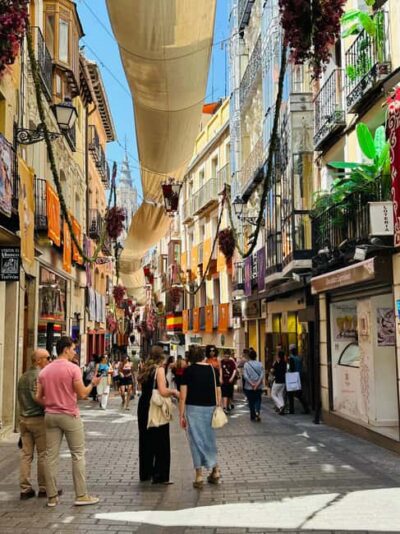
Toledo Day Trips from Madrid, compared.
 ★ 5.0Three Cities in One Day: Segovia, Avila and Toledo from MadridFrom $1268,402 reviews
 ★ 4.7Segovia and Toledo Tour, Alcazar, and CathedralFrom $487,797 reviews
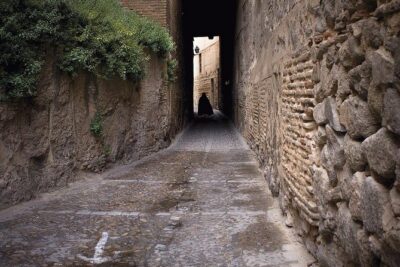 ★ 5.0Toledo Tour from Madrid: Cathedral, Synagogue & St. Tome’s ChurchFrom $816,784 reviews
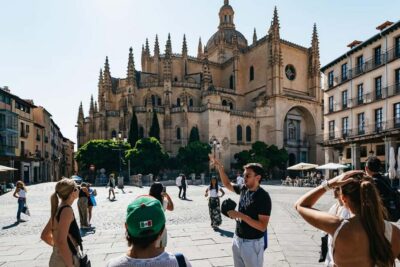 ★ 4.6Toledo & Segovia Tour w/ Cathedral, Alcazar & LunchFrom $465,846 reviews
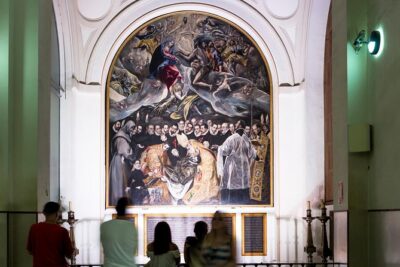 ★ 4.5Toledo Half or Full Day Tour with Optional Lunch from MadridFrom $645,807 reviews
 ★ 4.1From Madrid: Guided Day Trip to Toledo by BusFrom $405,280 reviews
 ★ 4.5Toledo & Segovia Tour with Cathedral and Alcazar Tickets & LunchFrom $454,046 reviews
 ★ 4.3From Madrid: Toledo Guided Day TripFrom $323,501 reviews
Browse the lists this tour appears in