
REVIEW · TOLEDO DAY TRIPS FROM MADRID
Tour Toledo 5 Underground Discover Hidden History in English
Toledo has layers under your feet. This 2-hour underground history walk links Roman public baths, Islamic hydraulic engineering, and a Mudéjar courtyard with a basement tied to Jewish ritual life. I like how the sites feel real and lived-in, not museum-silent, and the guide keeps the pace moving.
Two things I’d put at the top: the chance to see underground spaces that explain daily hygiene and belief systems, and the way the guide’s explanations stay clear (Juan-style humor helps). One caution: this route is not set up for reduced mobility, and public toilets aren’t included, so plan around that.
In This Review
- Key highlights to know before you go
- The value: $13.30 for a fast pass into real Toledo
- How the 5-stop route makes Toledo’s water story make sense
- Baños árabes del Cenizal: the Middle Ages meeting point for body and faith
- Caballel Islamic Baths on Pl. Colegio Infantes: hydraulic engineering you can feel
- Casa del Judío: a Mudéjar courtyard plus a basement linked to ritual bathing
- Pozo del Salvador: domed basement life tied to a water tank
- Termas Romanas: the 1st–2nd century public bath foundations
- Logistics that make a difference: timing, groups, and your comfort
- Who should book this underground Toledo tour
- A real-world feel: what you’ll take away after 2 hours
- Should you book this tour?
- FAQ
- Is the Toledo underground tour offered in English?
- How long is the tour?
- Where do I meet and where does it end?
- What’s included in the ticket price?
- Are there public toilets during the tour?
- Is the tour suitable for reduced mobility?
- Are pets allowed?
Key highlights to know before you go
- Roman-to-Islamic-to-Jewish: you’ll see multiple eras in one tight route
- Baños árabes del Cenizal shows Middle Ages social, hygienic, and religious life
- Caballel/Horse Baths is known for its hydraulic engineering
- Casa del Judío pairs a Mudéjar courtyard with a basement possibly used as a mikve
- Pozo del Salvador adds a domed, water-connected underground chapter
- Audio system + official guide helps you follow the story without straining
South to Toledo, more ways to make the run
- Guided Walking Tour of Immortal Toledo★ 5.0 · 1,116 reviews
- Toledo Private Tour with Licensed Local Guide★ 5.0 · 884 reviews
- Toledo: City Sightseeing Hop-On Hop-Off Bus Tour & Extras★ 4.3 · 683 reviews
- Madrid: Full-Day Guided Tour of Toledo with Cathedral Visit★ 4.6 · 647 reviews
The value: $13.30 for a fast pass into real Toledo
At $13.30 per person for about 2 hours, this is priced like a budget walking tour, but it delivers more than just surface sights. You’re not only looking at old walls; you’re going into spaces that were built for water, cleanliness, and communal life.
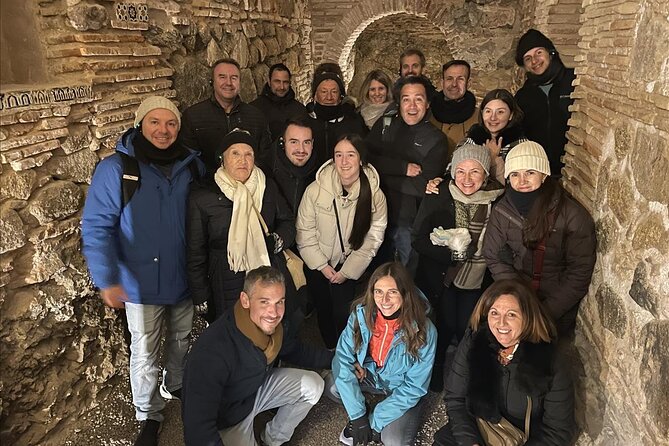
You’ll also benefit from the audio system, which matters when you’re standing close to entrances or moving through compact areas. And with a maximum of 50 people, it’s still big enough to run efficiently, but small enough that you can hear your guide’s explanations and ask questions at stops.
How the 5-stop route makes Toledo’s water story make sense
Toledo’s underground spaces aren’t random. Water runs through the whole timeline, from Roman bathing culture to Islamic bath engineering to Jewish ritual bathing areas. The tour is structured as a sequence, so when you see one site, you’ll have a better chance of understanding why the next one exists.
The pacing is short at each stop (about 15 minutes), which is perfect if you like “enough to get it” rather than long lectures. It’s also a good choice if you’re sightseeing in the city center and want a focused program that doesn’t steal a half day.
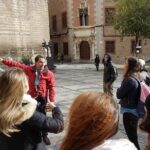
The tour starts at Plaza del Ayuntamiento (45002) and ends at Followme Toledo, Pl. de Zocodover 5 (45001). That end point is convenient because Zocodover is a natural hub for finding your next meal, viewpoint, or bus stop.
Baños árabes del Cenizal: the Middle Ages meeting point for body and faith
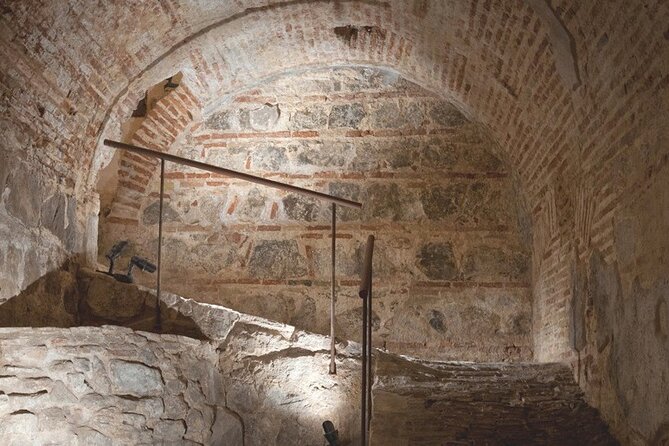
This stop is the Baños árabes del Cenizal, a site listed as Property of Cultural Interest. The big idea here is how one place could handle multiple needs at once: social life, hygiene, and religious routines in the Middle Ages.
What I like about this kind of stop is that it turns baths from a vague concept into something concrete. You’re learning how water wasn’t just for comfort—it supported community rules and personal discipline. In a city layered with different cultures, seeing the bath complex connected to daily rhythms helps everything else you see in Toledo click into place.
Practical tip: since it’s a short stop, come in knowing you’ll get the main story fast—so listen for how the guide ties the bath to everyday life, not just architecture.
Caballel Islamic Baths on Pl. Colegio Infantes: hydraulic engineering you can feel
Next you’ll head to Pl. Colegio Infantes, 13 for the Caballel Islamic Bath (often called the Horse Baths). The defining detail is that it’s one of the city’s most studied hydraulic complexes—meaning the water system isn’t an afterthought.
This is a great stop for people who love how buildings work. If you pay attention to the way water had to be managed, you’ll start to notice how advanced planning was required just to keep a bathing space running. Even if you’re not an architecture person, the “water as infrastructure” angle makes the site easier to understand.
Drawback to keep in mind: because the stop is listed as about 15 minutes, you’ll likely be shown the highlights rather than an extended technical explanation. If you want every last detail, be ready with questions.
Further into the old Toledo
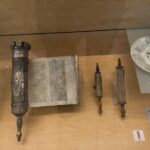


Casa del Judío: a Mudéjar courtyard plus a basement linked to ritual bathing
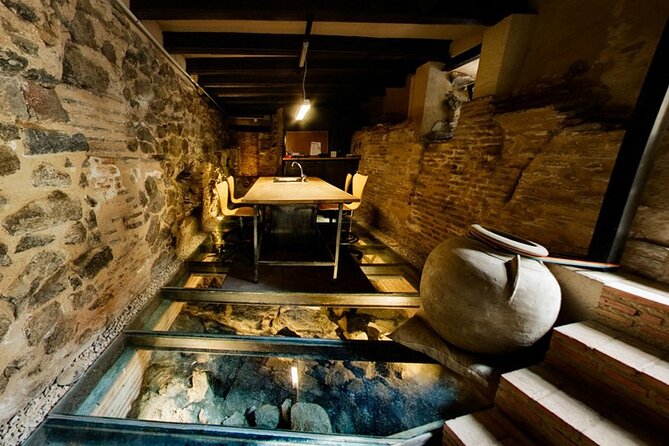
At Casa del Judío, you’ll step into a Mudéjar building from the 14th–15th centuries. The standout features are a preserved courtyard with plasterwork and a basement that’s possibly used as a mikve (a Jewish ritual bath).
This is one of the most thought-provoking stops on the route because it shows how spaces can carry both art and practice. The courtyard reminds you that aesthetic craftsmanship mattered, while the basement connection points to how religious routines shaped everyday geography.
What to watch for: the guide’s explanation will help you connect “what you see upstairs” with “what mattered downstairs.” If you enjoy cultural overlap, this stop is especially satisfying because it turns a building into a timeline of community needs.
Pozo del Salvador: domed basement life tied to a water tank
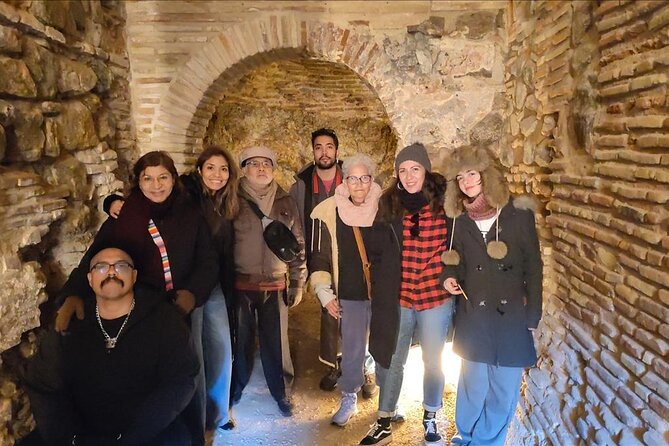
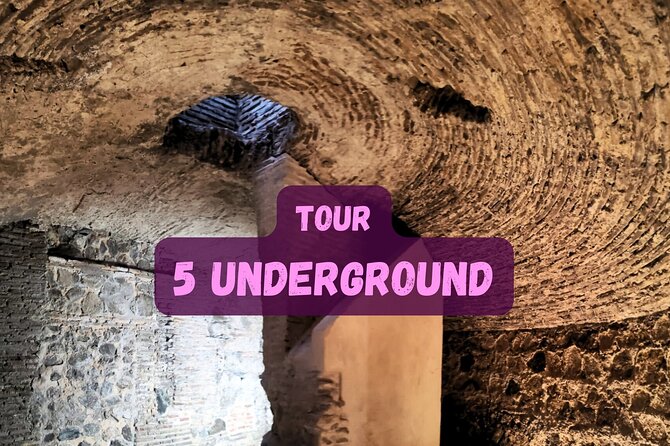
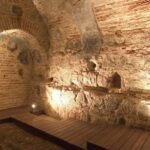
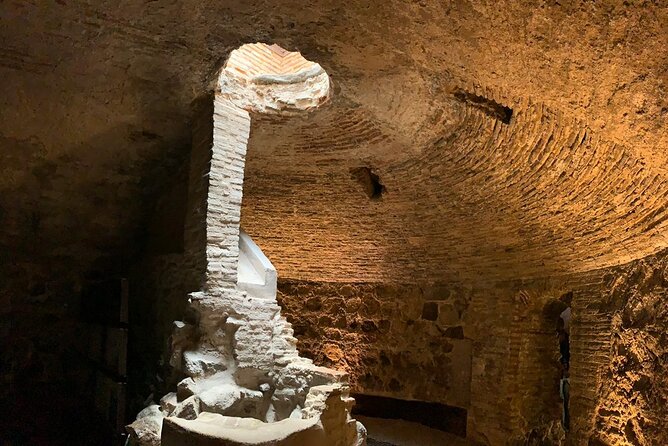
The tour then moves to Pozo del Salvador, a domed basement from the 12th–13th centuries. It’s described as being parallel to Trinidad Street and linked to a water tank.
This is the kind of stop that makes you look up and around differently. A domed underground space isn’t just a leftover cellar—it implies intentional design for storage, flow, and controlled access to water. For me, it reinforces the tour’s theme: these aren’t only “pretty ruins.” They’re functional structures that once supported daily work.
Since it’s another 15-minute visit, you’ll want to focus on the big visual and the water relationship your guide highlights. If you’re tempted to rush photos, pause first. This is one of those spots where a clear mental picture beats a dozen quick snaps.
Termas Romanas: the 1st–2nd century public bath foundations
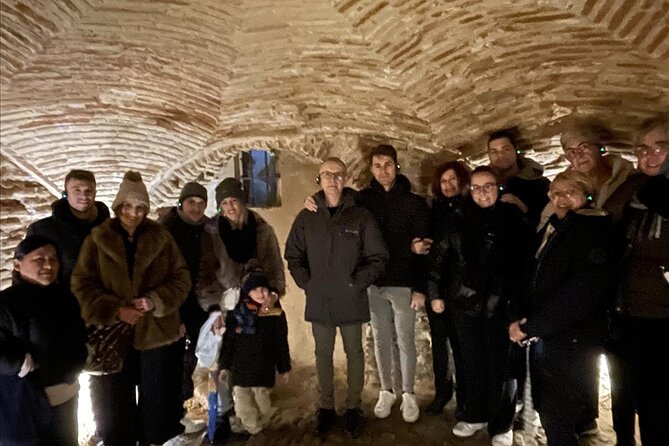
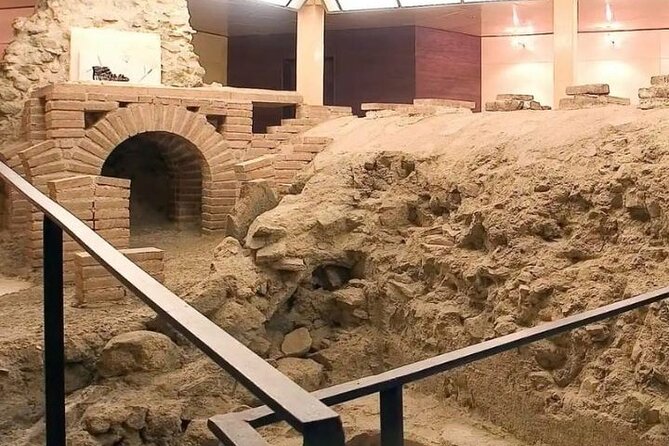
Finally, you’ll reach Termas Romanas, which includes Roman remains with part of a public bath from the 1st–2nd century AD. This is a useful anchor for the entire tour because it shows that communal bathing wasn’t invented by one culture alone.
What’s rewarding here is the comparison effect. You can see how later bathing traditions kept the social idea of public or communal hygiene while changing the technology and style around it. Even in a short stop, the Roman segment helps your brain map the broader history you’re witnessing in Toledo.
If you like history that affects the senses, Roman baths are a strong finale. The idea of warmth, water routines, and public life feels more imaginable because you’re not starting from scratch—you’re finishing with a foundation that explains why later systems evolved.
Logistics that make a difference: timing, groups, and your comfort
The tour runs for about 2 hours and uses a mobile ticket. That combination is great for city travel because you don’t have to worry about printing or hunting paperwork.
You’ll also appreciate that it’s offered in English. And because it’s near public transportation, you can fit it between other Toledo stops without building a complicated route plan.
Comfort notes you should take seriously:
- It’s not suitable for people with reduced mobility, so expect parts of the underground route may be awkward to navigate.
- Public toilets aren’t included, so don’t assume there will be a convenient break halfway through.
Also, pets aren’t allowed, which is standard in many historical sites but worth knowing before you travel with an animal.
Who should book this underground Toledo tour
This is a strong pick if you want:
- a short, structured way to see Roman, Islamic, and Jewish layers in Toledo
- an education that focuses on how people lived—hygiene, water systems, and religious routine
- a guide style that’s lively and responsive, with humor and time for questions at each site (Juan-style energy is a real plus)
It’s less ideal if you need step-free access or if you require guaranteed restroom options during the tour. And if you prefer long, slow museum-style time, the 15-minute-per-stop format may feel brisk.
A real-world feel: what you’ll take away after 2 hours
By the end, you’ll likely remember three things more than dates:
- Water was politics and religion, not just plumbing.
- Underground spaces can reveal how communities worked day to day.
- Toledo’s history didn’t change overnight; it layered, adapted, and reused ideas.
That’s the tour’s real strength. It doesn’t just show old rooms. It shows how people shaped their built environment around water, cleanliness, and belief.
Should you book this tour?
Yes—if you like history you can see and stand inside, this is a smart way to spend your time in Toledo. The price is low enough to feel low-risk, and the 5-stop underground-and-water focus gives you more payoff than a typical quick city walk.
Book it especially if you want a guided thread that connects Roman baths to Islamic bath engineering and on to Jewish ritual bathing hints. Just be honest about logistics: it isn’t designed for reduced mobility, and there are no public toilets provided. If that works for you, this is a clear winner for a compact, high-impact Toledo afternoon.
FAQ
Is the Toledo underground tour offered in English?
Yes. The tour is offered in English.
How long is the tour?
The tour lasts about 2 hours.
Where do I meet and where does it end?
You start at Plaza del Ayuntamiento, 45002 Toledo and the tour ends at Followme Toledo, Pl. de Zocodover 5, 45001.
What’s included in the ticket price?
Included are the entrance fee (where applicable on the listed stops), an audio system, and an official guide.
Are there public toilets during the tour?
No. Public toilets are not included.
Is the tour suitable for reduced mobility?
No. The tour is not suitable for people with reduced mobility.
Are pets allowed?
No. Pets are not allowed.
More Tours in Toledo
- Guided Walking Tour of Immortal Toledo
★ 5.0 · 1,116 reviews - Toledo Private Tour with Licensed Local Guide
★ 5.0 · 884 reviews - Toledo: City Sightseeing Hop-On Hop-Off Bus Tour & Extras
★ 4.3 · 683 reviews - Madrid: Full-Day Guided Tour of Toledo with Cathedral Visit
★ 4.6 · 647 reviews - Toledo: Three Cultures English Tour
★ 4.7 · 468 reviews - Night Guided Tour of Magical Toledo
★ 4.5 · 459 reviews
More Tour Reviews in Toledo
- Guided Walking Tour of Immortal Toledo
★ 5.0 · 1,116 reviews - Toledo Private Tour with Licensed Local Guide
★ 5.0 · 884 reviews - Toledo: City Sightseeing Hop-On Hop-Off Bus Tour & Extras
★ 4.3 · 683 reviews - Madrid: Full-Day Guided Tour of Toledo with Cathedral Visit
★ 4.6 · 647 reviews - Toledo: Tourist Bracelet with Entry to 7 Attractions
★ 4.3 · 597 reviews - Toledo: Three Cultures English Tour
★ 4.7 · 468 reviews
Down to Toledo for the Day
- Guided Walking Tour of Immortal Toledo
★ 5.0 · 1,116 reviews - Toledo Private Tour with Licensed Local Guide
★ 5.0 · 884 reviews - Toledo: City Sightseeing Hop-On Hop-Off Bus Tour & Extras
★ 4.3 · 683 reviews - Madrid: Full-Day Guided Tour of Toledo with Cathedral Visit
★ 4.6 · 647 reviews - Toledo: Tourist Bracelet with Entry to 7 Attractions
★ 4.3 · 597 reviews - Toledo: Three Cultures English Tour
★ 4.7 · 468 reviews
Just Added: New Toledo Tour Reviews
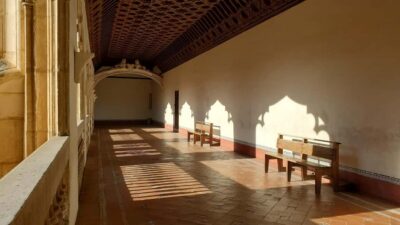


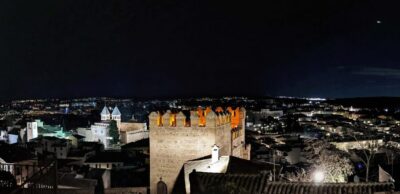
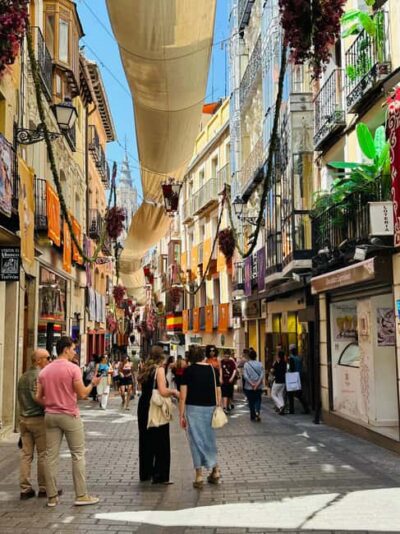
Toledo Day Trips from Madrid, compared.
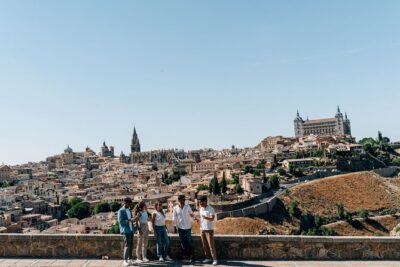 ★ 5.0Three Cities in One Day: Segovia, Avila and Toledo from MadridFrom $1268,402 reviews
 ★ 4.7Segovia and Toledo Tour, Alcazar, and CathedralFrom $487,797 reviews
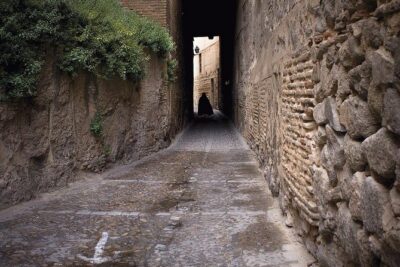 ★ 5.0Toledo Tour from Madrid: Cathedral, Synagogue & St. Tome’s ChurchFrom $816,784 reviews
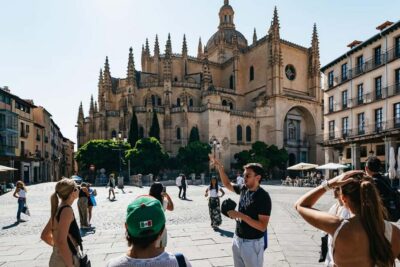 ★ 4.6Toledo & Segovia Tour w/ Cathedral, Alcazar & LunchFrom $465,846 reviews
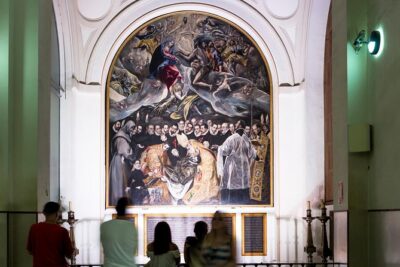 ★ 4.5Toledo Half or Full Day Tour with Optional Lunch from MadridFrom $645,807 reviews
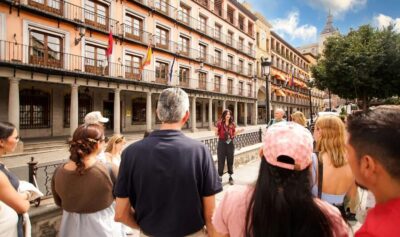 ★ 4.1From Madrid: Guided Day Trip to Toledo by BusFrom $405,280 reviews
 ★ 4.5Toledo & Segovia Tour with Cathedral and Alcazar Tickets & LunchFrom $454,046 reviews
 ★ 4.3From Madrid: Toledo Guided Day TripFrom $323,501 reviews
Browse the lists this tour appears in