
REVIEW · TOLEDO DAY TRIPS FROM MADRID
Toledo: Ancient Underground City Tour in Spanish
Toledo has a second city underground. In this 2-hour Spanish tour, you move through five buried spaces and hear how Toledo’s forefathers carved rock for water, shelter, and secrets. Legends show up too, but the guide keeps the story grounded in what these places were used for.
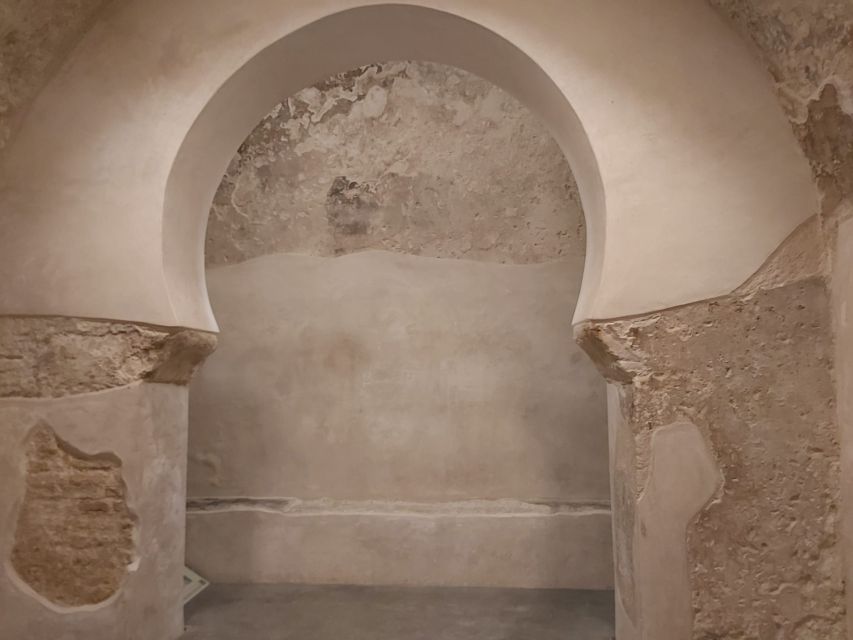
I love the way the tour connects specific rooms to real daily needs, especially the bath Cenizal (an old hammam linked to 11th-century Arab baths) and the later Roman baths that were as much about social life as soaking. You also get the benefit of a guide who explains architecture and purpose, not just names and dates.
One drawback to plan around: it is not suitable for people with mobility impairments, and you’ll want comfortable shoes because the route is underground and you’re on your feet.
In This Review
- Key highlights you will remember
- Why Toledo’s underground city exists in the first place
- Price and time: what $15 gets you (and why it’s fair)
- Getting started: the meeting point at Secretos de Toledo
- Stop 1: bath Cenizal and the 11th-century Arab hammam angle
- Stop 2 and 3: Roman baths as a social space (old nuncio baths)
- The fifth underground stop: where the guide connects the dots
- Salvador’s Well: 11th-century mosque water, then a Christian-era setting
- Church of the Savior and the House of the Jew: seeing cultures through one route
- Legends, curiosities, and how the guide keeps it believable
- Who should book this Toledo underground tour
- Should you book it?
- FAQ
- FAQ
- How long is the Toledo ancient underground city tour in Spanish?
- How many underground locations do you visit?
- What language is the tour guide?
- Is entry to the underground sites included in the price?
- What does the price include and what doesn’t it include?
- Where do I meet the group?
- Are video recordings allowed during the tour?
- What should I bring for the tour?
- Is this tour suitable for people with mobility impairments?
- Can I cancel for a refund?
Key highlights you will remember
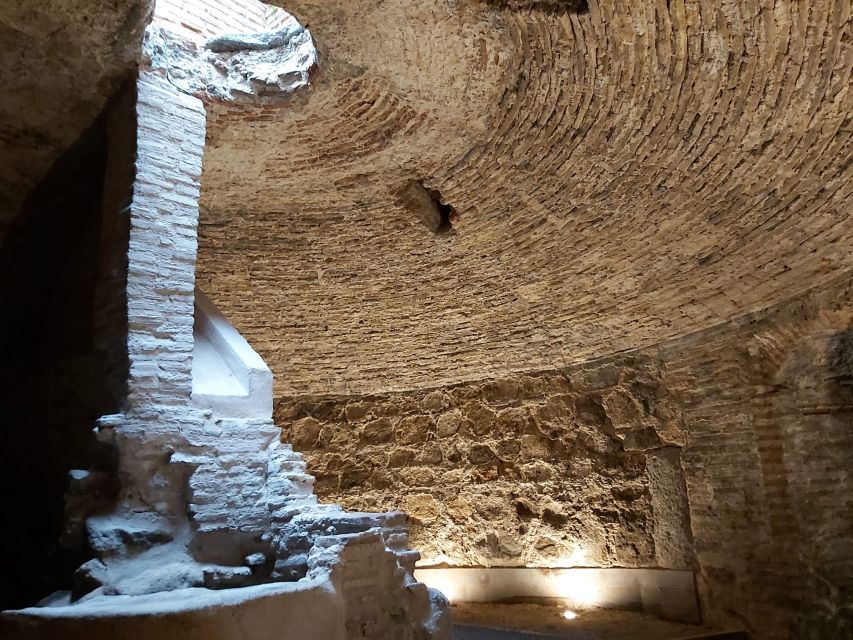
- Five underground locations packed into a tight, 2-hour loop
- Bath Cenizal and the Arab hammam story from the 11th century
- Roman Toledo’s baths framed as a social space, not only a facility
- Salvador’s Well tied to an earlier mosque connection
- Church of the Savior and House of the Jew as key cultural layers
- Spanish guides who explain clearly, with Ruth singled out for long, detailed explanations and making sure you understand
South to Toledo, more ways to make the run
- Guided Walking Tour of Immortal Toledo★ 5.0 · 1,116 reviews
- Toledo Private Tour with Licensed Local Guide★ 5.0 · 884 reviews
- Toledo: City Sightseeing Hop-On Hop-Off Bus Tour & Extras★ 4.3 · 683 reviews
- Madrid: Full-Day Guided Tour of Toledo with Cathedral Visit★ 4.6 · 647 reviews
Why Toledo’s underground city exists in the first place
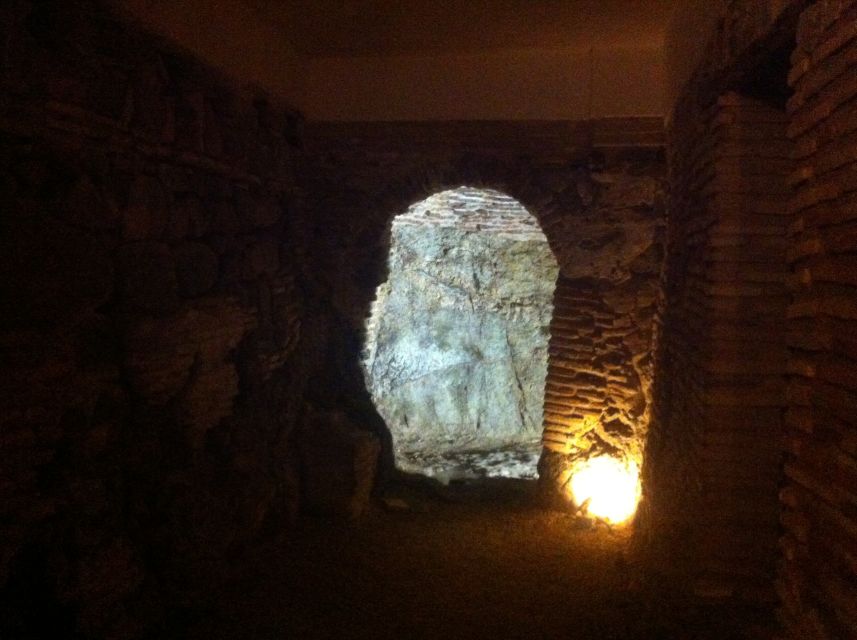
Toledo’s underground isn’t just a neat curiosity. It’s the result of centuries of practical problem-solving. Long before tourism, people carved rock for storage, defense, and movement. Water storage mattered. Wars forced creativity. Hidden passageways were useful. And bathing facilities showed up too, including spas, baths, and tunnels.
That mix is exactly why this tour feels different from a basic monument walk. You’re not only looking at stone. You’re learning how the stone shaped daily life and survival. The tour also leans into the tension between legend and evidence. Some legends may blur what we can actually confirm, while others exist because people wanted an explanation for what was hard to understand. That push-and-pull is part of the fun.
You’ll also be tracking three major cultural layers through the same bones of the city: Roman influence, Arab influence (with the hammam/bath tradition), and later Christian and Jewish presence reflected in stops like the Church of the Savior and the House of the Jew. The underground spaces help you see those layers as part of one ongoing Toledo, not separate eras sealed in time.
Price and time: what $15 gets you (and why it’s fair)
At about $15 per person for a 2-hour guided visit, this is good value if you like focused tours with entry included. You’re paying for access to underground areas plus a Spanish-speaking guide specialized in Toledo’s history. That matters here, because the underground works only when someone explains what you’re seeing.
A key point: food and drinks are not included. That’s normal for a short tour, but it changes how you plan your day. If you’re hungry beforehand, grab a snack before you start. If you’re starting near lunch or dinner time, you’ll likely want to schedule this earlier so you can eat after.
The tour also has a simple rule: video recording is not allowed. If you rely on filming for later, come ready to take notes or photos instead (still images aren’t restricted in the provided info, but video is). This also nudges you to pay attention in the moment, which is usually a win in underground spaces where time moves fast.
Getting started: the meeting point at Secretos de Toledo
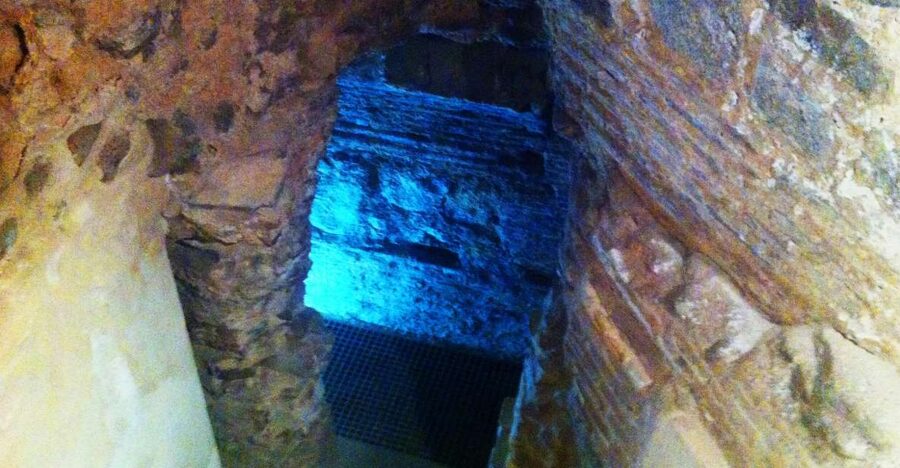
Your meeting point is practical and easy to miss if you arrive without checking details. Enter the hall of Nº7. At the end on the right is the office of Secretos de Toledo.
Quick prep tip: wear comfortable shoes. The tour is not designed for slick soles or high heels. And since you’re going underground and moving between several spaces, being able to stand comfortably for the full 2 hours makes the experience better, not harder.
Also keep expectations realistic: this isn’t sold as an all-day crawl. It’s a concentrated loop through five underground locations, so you’ll want to arrive on time and be ready to follow the guide’s pacing.
Stop 1: bath Cenizal and the 11th-century Arab hammam angle
One of the most interesting parts of this tour is how it introduces bathing culture as architecture and routine, not just decoration. The tour centers on bath Cenizal, an old hammam connected to Arab baths from the 11th century.
What to look for is the tour’s emphasis on use. The guide focuses on architectural curiosities—basically, how the layout and features supported the hammam experience. This helps you understand why certain design choices existed and what they meant for comfort, privacy, and routine. Even if you’re not an architecture person, the guide’s explanations help you translate stone into function.
This stop also ties into the bigger theme of the tour: rock excavation and reuse. A hammam isn’t only about cleanliness. It’s also a place where people spent time and talked. You’re learning that Toledo’s underground spaces were built for life, not only storage or hiding.
Broader loops across the capital


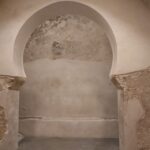


Stop 2 and 3: Roman baths as a social space (old nuncio baths)
Roman Toledo reused ideas that had worked elsewhere, and this tour highlights that with the old nuncio Roman baths. The key here is tone. These baths were a social space. People weren’t just using facilities. They were gathering.
You’ll learn how the Romans built and, just as importantly, how later people reused what they found. That reuse theme matters because it makes the underground feel like an evolving machine. The city wasn’t built once. It kept being reworked as power, belief, and practical needs changed.
If you like history that connects to human behavior, this is a strong stop. Bathing places are universal. Different cultures may set the rules, but the idea of meeting, relaxing, and speaking while you handle daily routines shows up again and again.
The fifth underground stop: where the guide connects the dots
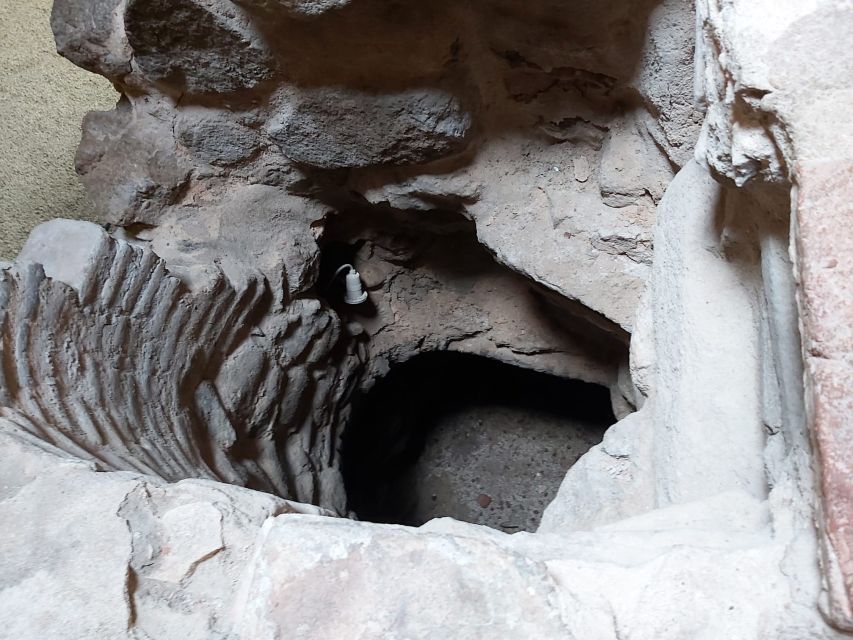
You’re promised five underground locations total. Not every one of the five stops is named with the same level of detail in the provided information, but the structure is clear: the tour moves you from baths and water systems to places that reflect later religious and community layers.
In practice, that missing name is often what ties the story together—an underground space the guide uses to explain how passageways, storage, and water systems connected. Since Toledo’s forefathers excavated not only for bathing but also for water storage and hidden passageways, you’ll likely feel how those purposes overlap as the route continues.
Don’t treat the underground tour as five random rooms. The guide’s job is to show you how the city’s underground logic works as one network.
Salvador’s Well: 11th-century mosque water, then a Christian-era setting
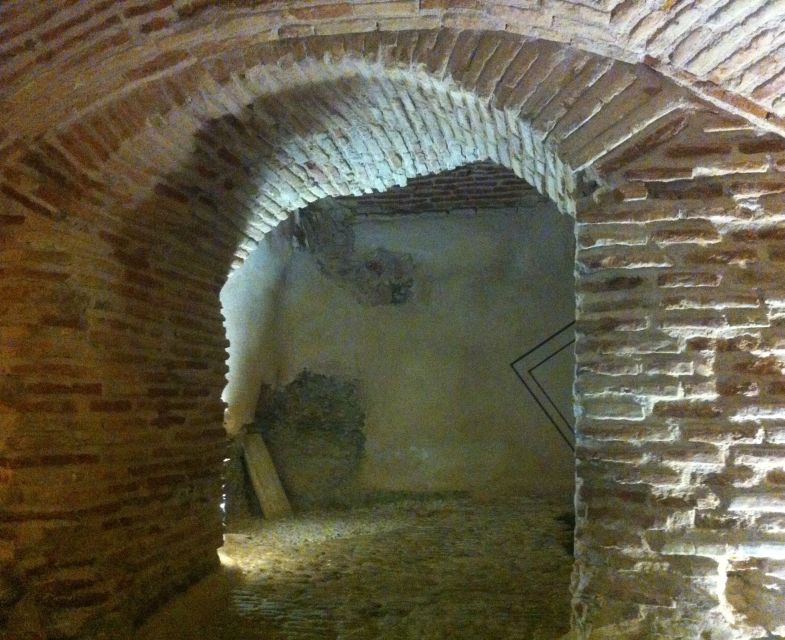
Next comes Salvador’s Well, an old well from the 11th century that belonged to the mosque before later connections to Christian Toledo.
This is a powerful stop for one simple reason: water is never just water. A well defines how a community lives—where it gets water, how it protects it, and how it organizes nearby buildings. When the well is tied to a mosque, you’re also looking at the way sacred and practical spaces often share the same geography.
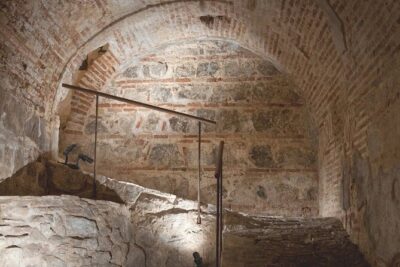
From there, the tour transitions toward the Church of the Savior. You’ll learn how these spaces sit in the same underground fabric even as Toledo’s dominant cultural power shifted. It’s a reminder that buildings and communities change, but the physical constraints of a city remain. Stone keeps the story even when the language of the story changes.
Church of the Savior and the House of the Jew: seeing cultures through one route
The tour doesn’t end with baths and wells. It also brings you to the Church of the Savior and the House of the Jew, both presented as part of Toledo’s evolving underground story.
These stops help you connect the “how” (water systems, bathing architecture, excavation) with the “who” (the communities living above and shaping the city). The guide’s explanations are built around those cultural influences and why they mattered here.
What I like about ending in these kinds of places is that they stop the tour from feeling purely technical. You start with stone purpose—storage, shelter, passages, baths—and you end with identity and community. The underground tour becomes a way to understand coexistence and transition in Toledo, rather than a single-culture story.
Legends, curiosities, and how the guide keeps it believable
Toledo underground is famous for stories. The tour leans into that, explaining that legends have lasted centuries for two reasons: they can mask known historical data, and they can also try to explain what people couldn’t. That is exactly the kind of framing that makes a tour feel honest instead of scripted.
A Spanish guide specialized in Toledo’s history is the reason this works. You don’t just get facts. You get the meaning behind why these places were important enough to keep telling stories about.
And this is where the human part of the experience really matters. In the feedback tied to this tour, Ruth is highlighted for giving explanations that run over two hours and staying interested in whether you truly understood. That’s the kind of guide energy you want in a tour like this, because underground spaces can be confusing. Clear explanations turn confusion into a chain of understanding.
Who should book this Toledo underground tour
This tour is a strong fit if you:
- like history you can walk through, not only read about
- enjoy baths and water as cultural history
- want a Spanish-language guide focused on Toledo specifically
- prefer a structured 2-hour route with access included
It’s less ideal if you:
- have mobility impairments, since it’s not suitable
- need to record video during your visit
- expect food and drinks to be included
If you’re traveling with kids, the tour could work if they’re patient with indoor walking and explanations, but the underground nature and the no-video rule may be a factor. For adults who like Toledo beyond the postcard stops, this is exactly the kind of add-on that makes the city feel layered.
Should you book it?
I’d book this tour if you want Toledo to surprise you in a practical way. The price is reasonable, you get access plus a specialized Spanish guide, and the experience follows a clear logic: water, bathing, passage systems, and then the cultural layers you can see through Church of the Savior and House of the Jew.
Skip it if you hate underground spaces, want lots of free time wandering at your own pace, or need the experience to be fully accessible for mobility needs.
FAQ
FAQ
How long is the Toledo ancient underground city tour in Spanish?
The tour lasts about 2 hours.
How many underground locations do you visit?
You explore 5 underground locations during the tour.
What language is the tour guide?
The tour is guided in Spanish by a live guide specialized in the history of Toledo.
Is entry to the underground sites included in the price?
Yes, entry to the sites is included.
What does the price include and what doesn’t it include?
The price includes entry to the sites and a Spanish-speaking guide. Food and drinks are not included.
Where do I meet the group?
Meet at the hall of Nº7. At the end on the right, you’ll find the office of Secretos de Toledo.
Are video recordings allowed during the tour?
No, video recording is not allowed.
What should I bring for the tour?
Wear comfortable shoes.
Is this tour suitable for people with mobility impairments?
No, it is not suitable for people with mobility impairments.
Can I cancel for a refund?
Yes. You can cancel up to 24 hours in advance for a full refund.
More Tours in Toledo
- Guided Walking Tour of Immortal Toledo
★ 5.0 · 1,116 reviews - Toledo Private Tour with Licensed Local Guide
★ 5.0 · 884 reviews - Toledo: City Sightseeing Hop-On Hop-Off Bus Tour & Extras
★ 4.3 · 683 reviews - Madrid: Full-Day Guided Tour of Toledo with Cathedral Visit
★ 4.6 · 647 reviews - Toledo: Three Cultures English Tour
★ 4.7 · 468 reviews - Night Guided Tour of Magical Toledo
★ 4.5 · 459 reviews
More Tour Reviews in Toledo
- Guided Walking Tour of Immortal Toledo
★ 5.0 · 1,116 reviews - Toledo Private Tour with Licensed Local Guide
★ 5.0 · 884 reviews - Toledo: City Sightseeing Hop-On Hop-Off Bus Tour & Extras
★ 4.3 · 683 reviews - Madrid: Full-Day Guided Tour of Toledo with Cathedral Visit
★ 4.6 · 647 reviews - Toledo: Tourist Bracelet with Entry to 7 Attractions
★ 4.3 · 597 reviews - Toledo: Three Cultures English Tour
★ 4.7 · 468 reviews
Down to Toledo for the Day
- Guided Walking Tour of Immortal Toledo
★ 5.0 · 1,116 reviews - Toledo Private Tour with Licensed Local Guide
★ 5.0 · 884 reviews - Toledo: City Sightseeing Hop-On Hop-Off Bus Tour & Extras
★ 4.3 · 683 reviews - Madrid: Full-Day Guided Tour of Toledo with Cathedral Visit
★ 4.6 · 647 reviews - Toledo: Tourist Bracelet with Entry to 7 Attractions
★ 4.3 · 597 reviews - Toledo: Three Cultures English Tour
★ 4.7 · 468 reviews
Just Added: New Toledo Tour Reviews
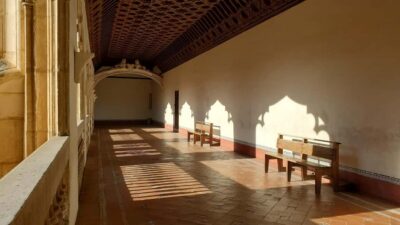


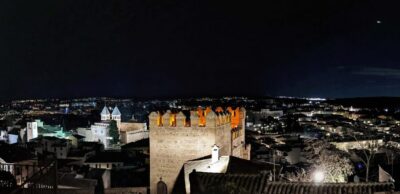
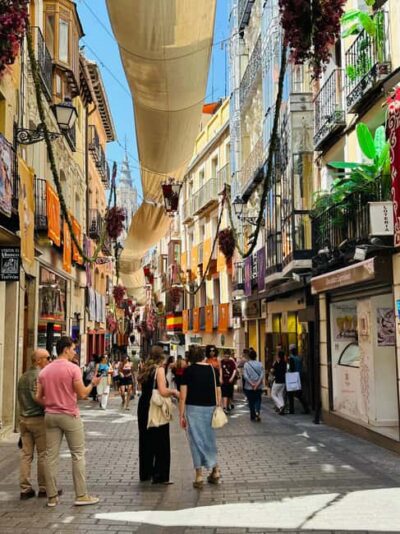
Toledo Day Trips from Madrid, compared.
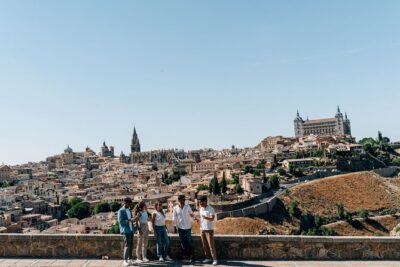 ★ 5.0Three Cities in One Day: Segovia, Avila and Toledo from MadridFrom $1268,402 reviews
 ★ 4.7Segovia and Toledo Tour, Alcazar, and CathedralFrom $487,797 reviews
 ★ 5.0Toledo Tour from Madrid: Cathedral, Synagogue & St. Tome’s ChurchFrom $816,784 reviews
 ★ 4.6Toledo & Segovia Tour w/ Cathedral, Alcazar & LunchFrom $465,846 reviews
 ★ 4.5Toledo Half or Full Day Tour with Optional Lunch from MadridFrom $645,807 reviews
 ★ 4.1From Madrid: Guided Day Trip to Toledo by BusFrom $405,280 reviews
 ★ 4.5Toledo & Segovia Tour with Cathedral and Alcazar Tickets & LunchFrom $454,046 reviews
 ★ 4.3From Madrid: Toledo Guided Day TripFrom $323,501 reviews
Browse the lists this tour appears in