
REVIEW · EL ESCORIAL & VALLEY OF THE FALLEN
San Lorenzo de El Escorial: Monastery and Site Guided Tour
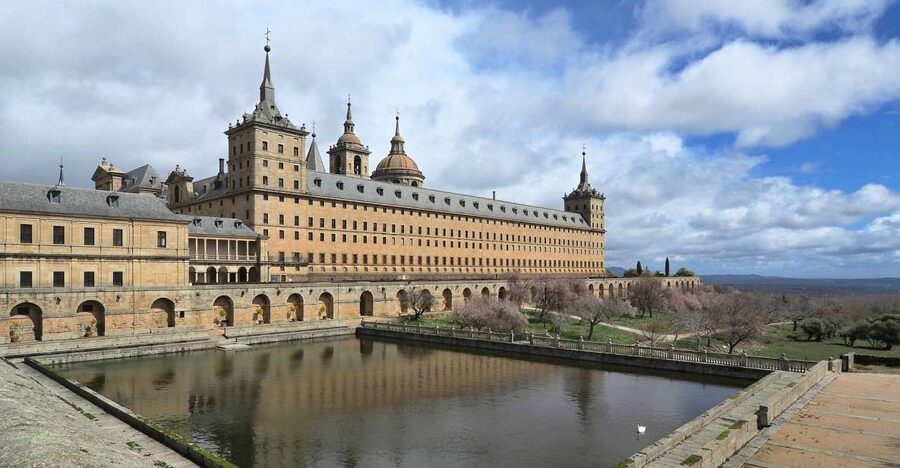
One building, a whole ideology. A guided look at San Lorenzo de El Escorial turns Spain’s Renaissance ambition into something you can follow, especially with guides such as Alejandro and Isabella explaining how Philip II shaped the place. I especially like the focus on the Royal Library and the basilica—two spaces where power, faith, and design all feel tied together.
The main drawback is the pace. It’s efficient by design, and with only two hours you won’t have long to wander or re-read every detail if you prefer a slow, do-it-your-way visit. Do arrive on time and watch for the guide at the blue-umbrella meeting spot from Todo Tours.
In This Review
- Key highlights worth your attention
- San Lorenzo de El Escorial: why this monastery feels like a whole system
- Inside the 2-hour guided route: what you’ll actually see
- The basilica and pantheon: where faith and monarchy share space
- Battle Hall and palatial rooms: the monarchy’s different moods
- Royal Library: the Renaissance power move you can feel
- Meeting point, dress rules, and bag limits: don’t let small stuff slow you down
- Price and value: is $47 worth it for El Escorial?
- Who this tour fits best (and who might want another plan)
- Should you book the guided tour of San Lorenzo de El Escorial?
- FAQ
- How long is the San Lorenzo de El Escorial monastery guided tour?
- How much does the tour cost?
- What is included in the ticket price?
- Where do I meet the guide and how do I check in?
- What language is the guided tour?
- What do I need to bring for entry?
- What items are not allowed during the visit?
Key highlights worth your attention
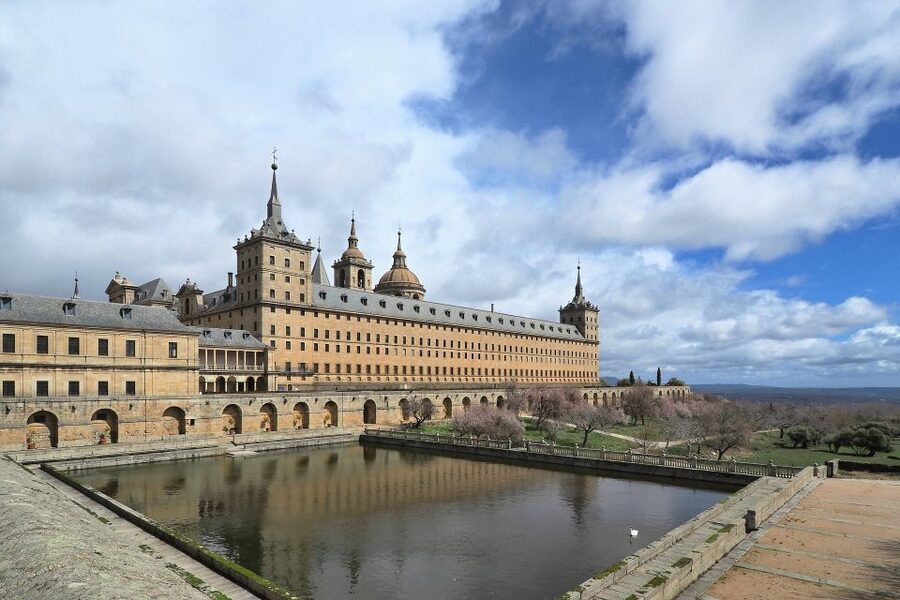
- UNESCO World Heritage site, made understandable through a guided route
- Philip II and the Spanish Golden Age explained through how the building is arranged
- Basilica, Battle Hall, pantheon, and palatial rooms in a tight, smart sequence
- Royal Library as a visible statement of control and humanistic ambition
- Two hours with entry included, so you spend time inside the monument instead of figuring it out
The monastery and the Valley, more days out
- From Madrid: El Escorial, Valley and Segovia Day Trip★ 4.5 · 134 reviews
San Lorenzo de El Escorial: why this monastery feels like a whole system
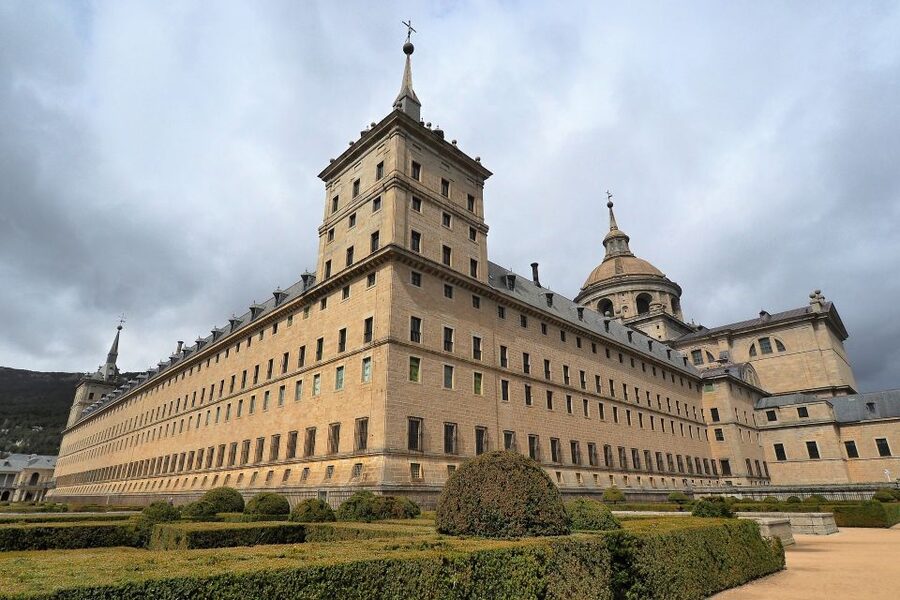
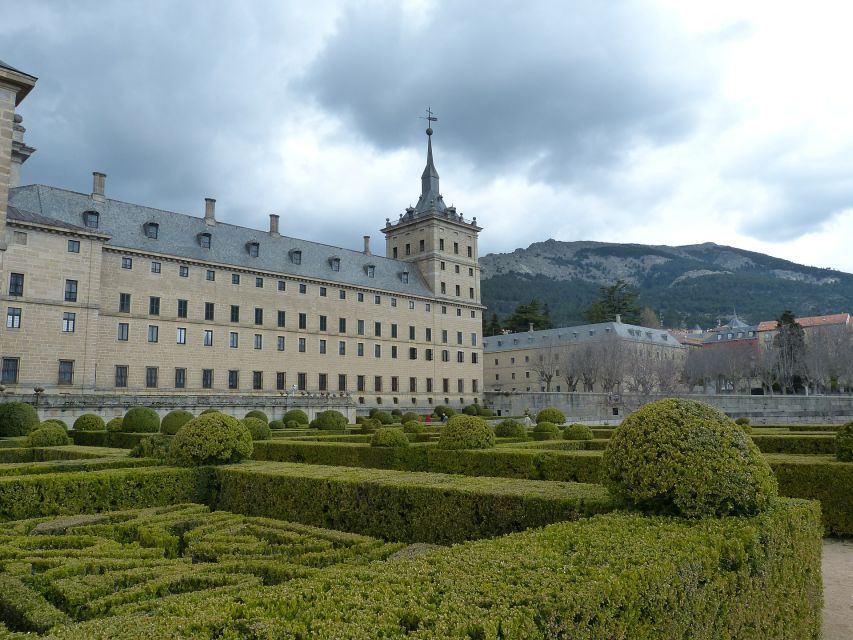
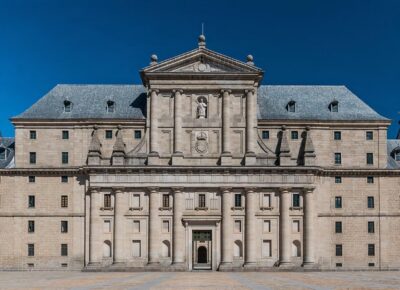
If you’ve ever looked at a map of El Escorial and thought, that can’t be simple, you’re right. This is a giant 16th-century complex, and it’s famous for being one of Spain’s most important Renaissance monuments. A guide matters here because the building doesn’t just sit there. It communicates—about faith, authority, and the Spanish Golden Age—through its layout and its interiors.
The tour is built around that idea: you’re not only touring rooms, you’re learning how the monarchy used architecture as messaging. You’ll connect the dots between the reign of Philip II and what the Spanish court wanted to project, from stone-heavy spirituality to the culture of study. And because the Royal Monastery is a UNESCO World Heritage Site, the stakes feel real. This isn’t a quick sightseeing stop. It’s a designed statement.
The setting also helps. You’re visiting from the Madrid area, so El Escorial works well as a focused day plan. And if you only have a short window, a two-hour guided route is a strong way to get the big picture without turning your day into a marathon.
Inside the 2-hour guided route: what you’ll actually see
The tour lasts two hours, so it’s structured. That sounds obvious, but it’s key to understanding the value. You’ll get a guided sweep through the major interiors instead of getting stuck at the first impressive doorway and losing the rest.
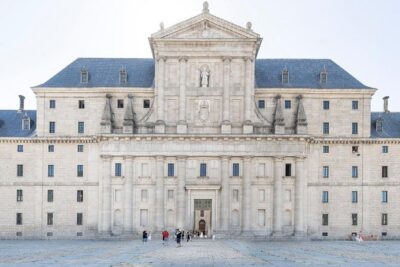
Your day begins at the monastery’s main entrance, the access door with the flag of Spain at the top. You should arrive 15 minutes early and exchange your voucher at the meeting point. The guide waits holding a blue umbrella from Todo Tours. This detail matters because the complex is large, and you don’t want to waste your limited time hunting for the right group.
Once you’re in, the highlights are the classic “you can’t skip these” stops:
- the basilica
- the Battle Hall
- the pantheon
- the palatial rooms
- and, finishing with the Royal Library
The tour ends back near the entrance after the two-hour circuit. That’s helpful if you want to keep exploring afterward on your own, because you’ll leave with enough orientation to choose what to revisit.
The basilica and pantheon: where faith and monarchy share space
Two interior stops do a lot of work for your understanding: the basilica and the pantheon. Even if you’re not the kind of person who memorizes dates, you’ll notice a pattern. These areas are designed for ritual and meaning, not casual wandering.
The basilica is where the monastery’s religious identity comes through most directly. A good guide helps you read what you’re seeing—how the space is organized, what the setting is meant to communicate, and why this monument became such a major symbol in Spain during the period of the Spanish Golden Age.
Then the pantheon adds the royal layer. The pantheon is tied to the Spanish monarchy in a very literal way. The impression you get is that this place isn’t only about worship; it’s also about lineage, legitimacy, and the long memory of rulers. If you want to understand why El Escorial mattered politically as well as spiritually, the pantheon is one of the strongest places in the complex to connect those themes.
Together, basilica + pantheon give you a quick “why this monastery exists” lesson: one part sacred ritual, one part royal continuity, both expressed through Renaissance planning.
Battle Hall and palatial rooms: the monarchy’s different moods
El Escorial can feel monastic from the outside, but inside it’s more complicated. The tour gives you a look at how the building switches gears between ceremony, power, and the political theater of the court.
The Battle Hall is one of those signature interiors that helps you understand the building as a showcase. You’re learning how Philip II’s reign shaped not just policy, but also how the state wanted to frame itself—through art, symbolism, and space. A guide’s explanation turns the room from a name on a checklist into a piece of the larger story.
Then come the palatial rooms, which are key if you want to see how the monastery complex also functioned like a seat of authority. These spaces help you understand the Renaissance idea that power can be expressed through design: symmetry, hierarchy of spaces, and controlled movement through corridors and chambers.
If you’re the kind of traveler who likes to see how one building can serve multiple roles, this is where the tour pays off. You’re not only looking at “pretty interiors.” You’re seeing how the complex is organized to support different functions and messages.
Royal Library: the Renaissance power move you can feel
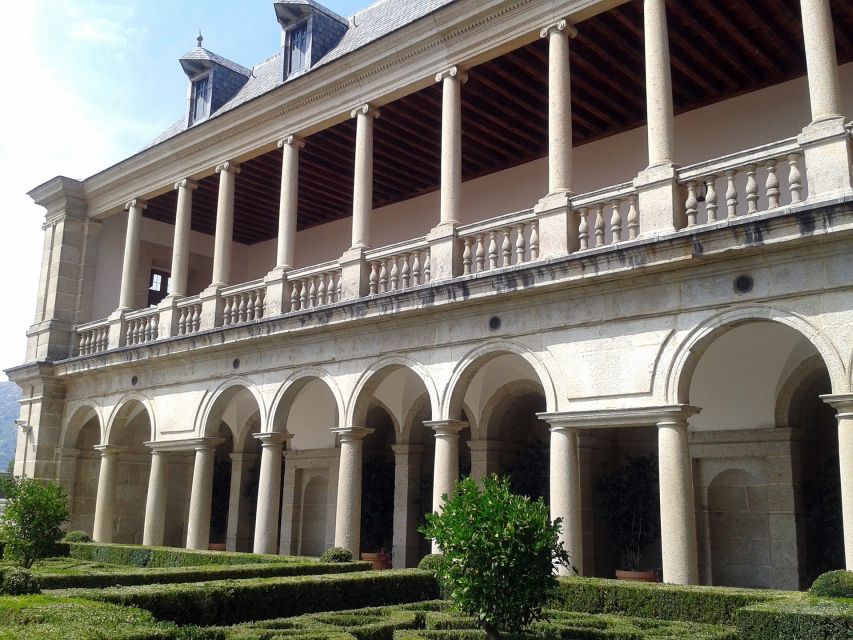
The Royal Library is a major reason to take a guided tour here. It’s not just a room of books; it’s described as a Renaissance statement of power, and the story behind it is tied directly to Philip II.
The tour covers how volumes were collected by Philip II to expand humanistic knowledge. That detail matters because it helps you interpret what you’re seeing. The library becomes part of the monarchy’s self-image: rulers weren’t only governing. They were presenting themselves as patrons of learning, culture, and the educated world.
Practically, this is also one of the stops where your brain likes the most explanation. The building’s other interiors can speak strongly through atmosphere. But the library benefits from context—why it was important, what collecting knowledge meant at the time, and how the Renaissance model of authority showed up in an object like a library.
If you care about the Spanish Golden Age beyond battles and kings—if you want the “how did they think?” angle—this stop is the best payoff in the two hours.
Meeting point, dress rules, and bag limits: don’t let small stuff slow you down
This is one of those tours where the rules are simple, but they’re real. You should plan your entry day accordingly.
Bring a passport or ID card. You’ll want to have it ready, not buried at the bottom of a bag. And keep your clothing sensible for a religious site. Short skirts and sleeveless shirts are not allowed, and swimwear is out of the question. Think “shoulders covered” and you’ll be fine.
Bags are another practical issue. Luggage or large bags aren’t allowed. That doesn’t mean you can’t bring a small day bag, but it does mean you should travel light. If you’re carrying a big backpack, you’ll want to rethink it before you get to the meeting point.
Finally, remember the tour environment is quiet. Making noise isn’t allowed, and this is the kind of place where you’ll naturally keep your voice down anyway. The good news: because you’re with a guide and on a schedule, you’re not stuck in a chaotic free-for-all. You know where to go next.
Tip: arrive 15 minutes early. The guide is waiting with the blue umbrella from Todo Tours at the main entrance. If you’re late, you’ll lose the chance to match up with your group and settle in before the interior route begins.
Price and value: is $47 worth it for El Escorial?
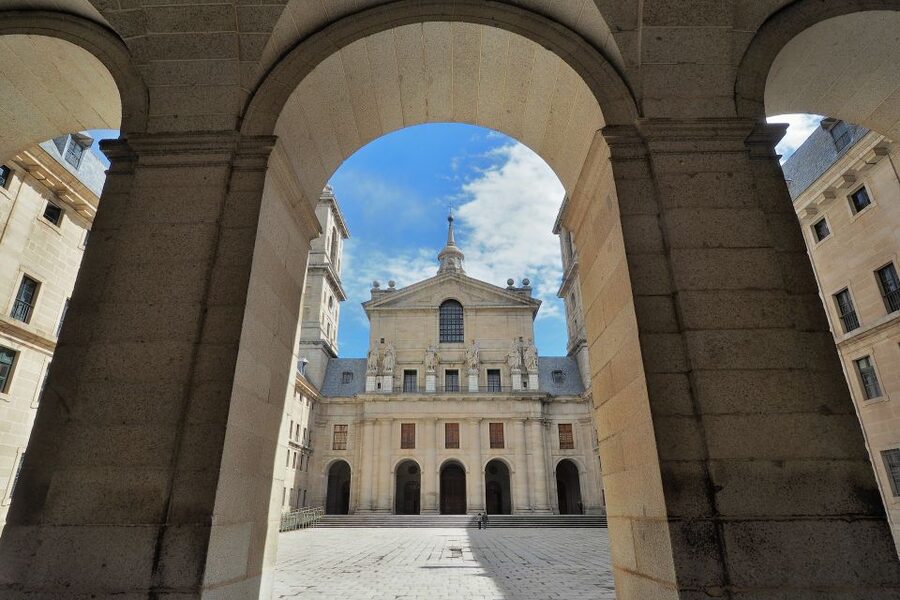
At $47 per person for a two-hour guided tour, the value comes from two things you can’t easily DIY in the same way: interpretation and time management.
First, you get a tour guide plus entry ticket to the Monastery. That turns the cost into paying for access and an expert lens, not just paying for yourself to wander. Second, El Escorial’s layout is big, and the story you’re meant to understand runs through multiple interiors. With only two hours, the guidance helps you prioritize and connect themes as you go.
If you love architecture, this is a solid spend because it helps you read design choices in context—especially around Philip II and the Golden Age ambitions. If you’re more of a casual museum visitor, you’ll still benefit, because the big themes are easy to grasp when the tour tells you what to look for.
My practical verdict: this is a good deal when you want the meaning, not just the photos. If your plan is to take your time slowly and soak up every corner, you might prefer a self-guided visit with extra hours. But for a structured hit of the monastery’s core interiors, $47 feels reasonable for what you get.
Who this tour fits best (and who might want another plan)
This tour is a strong match for you if you’re:
- interested in Spanish Renaissance architecture and how it connects to political power
- curious about Philip II and the Spanish Golden Age beyond the textbook version
- working within a limited schedule and want the main interiors covered efficiently
- comfortable following site rules like ID requirements and respectful dress
It’s also wheelchair accessible, which makes it a helpful option if you need mobility-friendly planning.
If you’re the type who hates moving on a set timeline, keep expectations realistic. Two hours is a sprint through major spaces. You’ll leave with strong orientation and the key story beats, but you won’t have hours to linger in one room. That’s not bad. It’s just the trade-off.
Should you book the guided tour of San Lorenzo de El Escorial?
Book it if you want El Escorial to make sense quickly—especially the connections between the monument, the reign of Philip II, and the way the Royal Library reflects Renaissance ideas about learning and authority. The tour’s format is built for clarity: you see the basilica, Battle Hall, pantheon, palatial rooms, and the Royal Library in a focused two-hour sweep.
Skip it only if you’re planning to spend a long day and would rather wander at your own speed without being guided through the complex. If you can handle a structured schedule and want the most meaning per hour, this is a smart choice.
FAQ
How long is the San Lorenzo de El Escorial monastery guided tour?
The guided tour lasts 2 hours.
How much does the tour cost?
The price is $47 per person.
What is included in the ticket price?
The package includes a tour guide and an entry ticket to the Monastery.
Where do I meet the guide and how do I check in?
You should arrive 15 minutes early. You must exchange your voucher at the meeting point. The guide is waiting with a blue umbrella from Todo Tour at the access door to the monastery (the main entrance with the flag of Spain at the top).
What language is the guided tour?
The live tour guide operates in Spanish.
What do I need to bring for entry?
Bring a passport or ID card.
What items are not allowed during the visit?
Luggage or large bags are not allowed, and short skirts, sleeveless shirts, swimwear, and making noise are not allowed.
More Tour Reviews in El Escorial
- From Madrid: El Escorial, Valley and Segovia Day Trip
★ 4.5 · 134 reviews
El Escorial and the Valley
- From Madrid: El Escorial, Valley and Segovia Day Trip
★ 4.5 · 134 reviews
Just Added: New El Escorial Tour Reviews
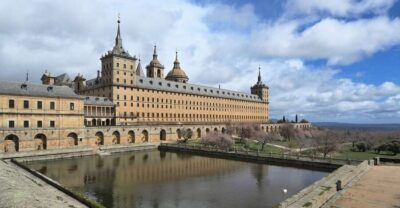
El Escorial & Valley of the Fallen, compared.
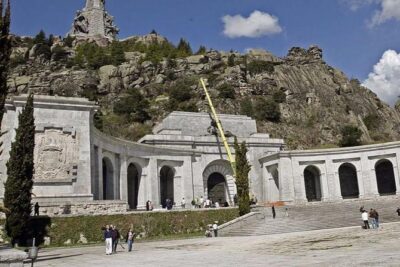 ★ 5.0Escorial Monastery and the Valley of the Fallen Tour from MadridFrom $742,494 reviews
 ★ 4.0Escorial Monastery and the Valley of the Fallen from MadridFrom $791,023 reviews
 ★ 4.4From Madrid: El Escorial and Valley’s Basilica Half Day TourFrom $78638 reviews
 ★ 4.4From Madrid: Escorial Monastery & Valley of the Fallen TripFrom $78389 reviews
 ★ 4.5From Madrid: El Escorial, Valley and Segovia Day TripFrom $105134 reviews
 ★ 4.0Escorial Monastery and Toledo Afternoon TourFrom $128109 reviews
From Madrid: Avila, Segovia and El Escorial Private TourFrom $2,038106 reviews
★ 4.0Escorial Monastery and Toledo Afternoon TourFrom $128109 reviews
From Madrid: Avila, Segovia and El Escorial Private TourFrom $2,038106 reviews
 ★ 4.0Escorial & Valley Half-Day Morning Tour from MadridFrom $79104 reviews
Browse the lists this tour appears in