
REVIEW · MADRID GHOST & LEGEND TOURS
Madrid: The Spanish Inquisition Walking Tour
Madness on the streets of Madrid. This Spanish Inquisition walking tour turns grim ideas into a clear, street-level story as you move from Plaza Mayor into the darker corners of the city’s past. The vibe is part history lesson, part evening walk with key sights that help you picture what life and fear looked like.
I love the way the tour covers the Inquisition’s path from its origins to the real-world effects in Spain, including public terror and how Spain’s reputation spread abroad. You’ll get a guided “how it worked” explanation, not just spooky legends.
One thing to keep in mind: you’re mostly walking outdoors, and a lot of the story stretches beyond what you can literally see in Madrid. If you’re expecting lots of indoor museums or multiple preserved Inquisition buildings, you may find the sights are limited.
In This Review
- Key things to look forward to
- The 3:00 pm route: why this tour feels like a strong Madrid intro
- Plaza Mayor: where public terror played out in the open
- Tracing the Inquisition’s beginnings: origins, fear, and how it spiraled
- The former Inquisition jail: Carcel de la Inquisicion and the St. Plácido story
- Mass expulsion and targeted persecution: how Madrid was affected
- Where autos-de-fe happened: turning belief into spectacle
- Myth vs. truth: witches, covens, and the darkest legends of Madrid
- The Black Legend: how Spain’s image got shaped abroad
- Who this tour suits best (and who might want to choose something else)
- Practical value: what you’re really paying for at about $31.46
- Should you book the Madrid Inquisition walking tour?
- FAQ
- How much does the Madrid Spanish Inquisition walking tour cost?
- How long is the tour?
- Where does the tour meet, and where does it end?
- Is the tour offered in English?
- Do I need a mobile ticket?
- What’s included in the price?
- Is this tour family-friendly?
- Is there a limit on how many people join?
- Can I cancel and get a refund?
Key things to look forward to

- Plaza Mayor as the starting point where public spectacles shaped the city’s image
- A tight, 2-hour route designed for a fast grasp of the Inquisition’s impact in Spain
- Inquisition jail and exorcism storytelling tied to places you can stand near
- Autos-de-fe and expulsions explained with clear context for what happened and who was targeted
- Myth vs. truth moments on witches, covens, and Madrid’s darkest legends
- A guide-led “crash course” feel that makes a heavy topic easier to follow
The darker corners of old Madrid, retold
- Madrid: Spanish Inquisition and Legends Evening Walking Tour★ 4.7 · 1,396 reviews
- Madrid Oscuro: Torture, Ghosts, Crimes and Legends★ 5.0 · 1,363 reviews
- Madrid: Entry Ticket to Legends The Home of Football Museum★ 4.7 · 856 reviews
- Madrid: The Spanish Inquisition Walking Tour★ 5.0 · 399 reviews
The 3:00 pm route: why this tour feels like a strong Madrid intro
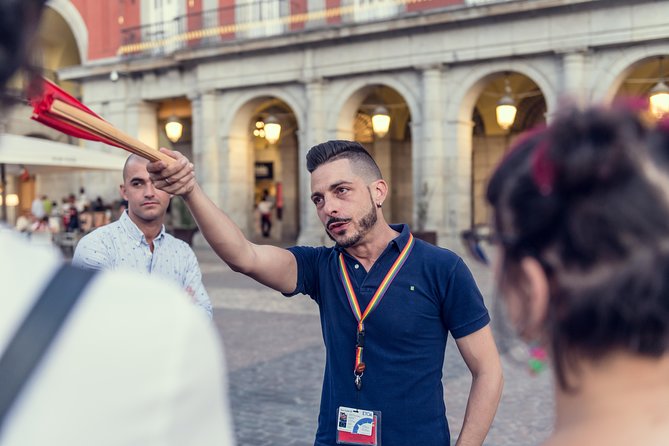
This tour is built for people who want history without getting stuck in a slow museum loop. You start in the center of Madrid and return to the same meeting spot, so the experience stays simple: meet up, walk, learn, wrap up, and keep exploring on your own.
The timing matters too. Starting around 3:00 pm gives you a usable chunk of the afternoon—especially in warm months when later walking can feel better than midday heat. Also, it’s offered in English and keeps the pacing steady for most visitors.
Price is around $31.46 per person for about two hours. That isn’t “cheap-history” pricing, but it also isn’t premium museum territory. You’re paying mainly for a local guide who explains the chain of events and ties it to Madrid street corners—plus a format that avoids extra admissions.
Plaza Mayor: where public terror played out in the open
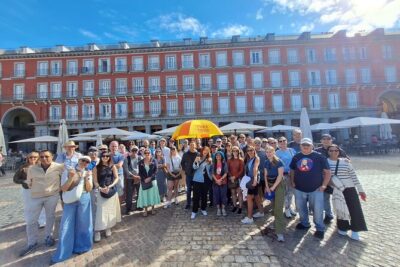
Plaza Mayor is one of Madrid’s most recognizable squares, and it’s a smart place to begin because public space is part of the story. Here, the tour sets up the Inquisition as something the authorities used not only to punish, but to display power in front of crowds.
At this first stop, expect the guide to connect architecture and location to the psychology of the time. Think of it as learning to read the city: why public rituals mattered, how fear spread, and how spectacle turned belief and obedience into something visible.
A practical note: you’ll likely spend this phase listening and looking around the square rather than touring an indoor site. That works well if you enjoy guide talk and quick photo stops.
Tracing the Inquisition’s beginnings: origins, fear, and how it spiraled
After Plaza Mayor, the tour focuses on how the Spanish Inquisition got started—and how it became a long-running system of control. This is where you’ll want to lean in, because this part makes later stops make sense.
The guide’s job here is to explain both the origins and the escalation. You’ll hear how the practices turned from an idea into repeated actions, and how fear became a tool. Even if you already know the Inquisition name, this section is typically what turns vague awareness into a working mental timeline.
I also like this part because it helps you avoid two extremes: either treating everything like pure myth, or treating it like a single fixed event. The story is presented as a process—step by step—so you can follow it without needing a textbook.
The former Inquisition jail: Carcel de la Inquisicion and the St. Plácido story
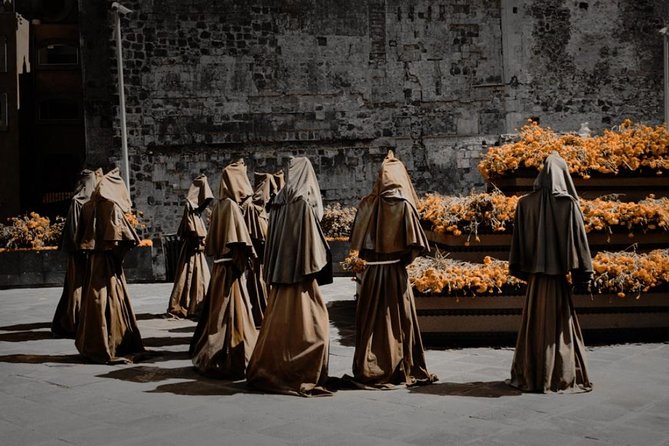
One of the most chilling stops is at the Inquisition Jail, Carcel de la Inquisicion. The key word here is imagination. The tour uses the exterior space to help you picture what it meant to be inside a place built for interrogation and punishment.
You also get the story of the possessed of St. Plácido and the exorcisms that gripped Madrid. This is where the tour can feel especially intense because it connects religious belief, fear, and public reaction. The guide’s explanations aim to show what people believed, why it mattered, and how accusations could escalate.
A likely drawback: since this is a walking format and not an interior museum visit, you may not be seeing rooms or exhibits. But the trade-off is you get the context and the location-based atmosphere in one shot, without wasting time searching for open sites that may not match your schedule.
The centre on foot, other ways round





Mass expulsion and targeted persecution: how Madrid was affected

The tour then turns to a darker chapter: the mass expulsion of Jewish communities and other targeted groups. This part is valuable because it moves the story from abstract “inquisitorial activity” to direct consequences for real communities.
You’ll hear the logic authorities used, and how those actions reshaped Spain. Even if you’ve read about expulsions before, hearing it explained in the context of Madrid helps you understand why the city carries so many layered stories—religious, political, and social all tangled together.
This is also a section where I’d suggest you ask yourself what you want from the tour: if you’re here for the theatrical parts, you’ll get them. If you’re here for understanding human impact, this is one of the most important segments.
Where autos-de-fe happened: turning belief into spectacle

Next comes the idea of autos-de-fe and why these events became terrifying spectacles. The tour sets up how public ceremonies functioned like a warning system: they were meant to show what happened when people were accused, and what society should fear.
This stop works best if you pay attention to the guide’s emphasis on performance and audience. It’s not only about theology; it’s about power in front of people. The guide’s explanation helps you see why crowds could become part of the machine, not just bystanders.
If you’re sensitive to heavy topics, you may find this section emotionally heavy. The tour does keep it explanatory and guided rather than graphic, but the theme is still fear-as-public-policy.
Myth vs. truth: witches, covens, and the darkest legends of Madrid

One of the more intriguing parts of the experience is the attempt to separate myth from truth: witch covens, exorcisms, and Madrid’s darker legends. This is where a good guide makes a big difference, because the Inquisition story attracts lots of exaggeration and pop-culture nonsense.
The tour aims to clarify what’s legend, what’s belief, and what’s tied to actual historical mechanisms. Expect a mix of spooky storytelling and corrective context—so you get chills without losing your footing.
I also like that this section gives you permission to wonder. You’re not being asked to blindly accept everything, and you’re not being asked to pretend it was all fake. Instead, you learn how fear, rumor, and authority can blend into stories that last for centuries.
The Black Legend: how Spain’s image got shaped abroad
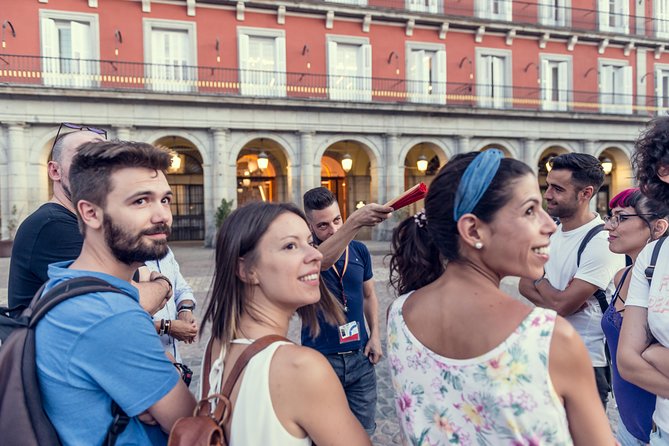
Near the end, the tour explains how the Inquisition shaped Spain’s image abroad—helping create the “Black Legend.” This part matters because it connects your street walk to global reputation.
You’ll hear the idea of how Spain was seen from outside, and how a mix of documented events, political agendas, and storytelling hardened into a lasting narrative. It’s the kind of information that makes you look at later references in books, films, and even other European histories with better context.
If you’ve been wondering why Spain gets described in such extreme terms sometimes, this is the section that helps the answer click.
Who this tour suits best (and who might want to choose something else)
This walking tour is a strong fit if you want:
- A guided crash course on how the Spanish Inquisition evolved and why it mattered in Spain
- A way to get oriented in central Madrid while learning
- A history experience that mixes context with specific Madrid-linked stops like Plaza Mayor and Carcel de la Inquisicion
It may be less ideal if you prefer:
- Lots of indoor time at major museums
- A route packed with multiple preserved Inquisition buildings you can tour inside
- A lighter, purely entertainment-style ghost tour (this one is heavier and more explanatory)
Group size is capped at 40, which usually helps with pacing and allows the guide to keep track of the group.
From the guide-name pattern in the experience’s track record, I’d also expect a lively style. Guides such as Joaquin, Sebastian, Enrique, Lexi, and others have been praised for making the subject engaging and easy to follow—even for people who didn’t know much going in.
Practical value: what you’re really paying for at about $31.46
For the money, you’re getting three things that add up:
- A local guide who links the Inquisition’s story to Madrid street locations
- A concentrated timeframe (about two hours) that won’t eat your whole day
- Outdoor sight visits that avoid the hassle of hunting for multiple ticketed sites
No hotel pickup or drop-off is included, so you should plan to get yourself to the meeting point. The good news is it’s near public transportation, so it’s not a “special travel” commitment.
Also, you get a mobile ticket, which is one less thing to manage in a busy city.
Should you book the Madrid Inquisition walking tour?
If you want a clear, guided way to understand the Spanish Inquisition’s impact on Madrid and Spain, I think this is a smart booking. The Plaza Mayor start, the stop near Carcel de la Inquisicion, and the way the guide connects autos-de-fe, expulsions, and the Black Legend make it more than a spooky stroll.
Book it if you like history explained in human terms and tied to places you can actually stand in front of. Consider alternatives if your top priority is museum-style sightseeing or lots of indoor time.
FAQ
How much does the Madrid Spanish Inquisition walking tour cost?
It costs $31.46 per person.
How long is the tour?
The tour lasts about 2 hours.
Where does the tour meet, and where does it end?
It meets at Plaza Mayor in Centro, Madrid, Spain, and ends back at the meeting point.
Is the tour offered in English?
Yes, the tour is offered in English.
Do I need a mobile ticket?
Yes. A mobile ticket is included.
What’s included in the price?
A local guide is included.
Is this tour family-friendly?
Children up to 13 years old are welcome to join for free (the operator may ask for valid ID for children).
Is there a limit on how many people join?
Yes. The maximum group size is 40 travelers.
Can I cancel and get a refund?
Yes, it offers free cancellation. You can cancel up to 24 hours in advance of the experience for a full refund.
More Tour Reviews in Madrid
- Madrid: Tour Bernabéu Entry Ticket
★ 4.5 · 21,573 reviews - Madrid: Prado Museum Entry Ticket
★ 4.6 · 20,699 reviews - Madrid: “Emociones” Live Flamenco Performance
★ 4.8 · 12,866 reviews - Madrid: Panoramic Route City Tour
★ 4.1 · 12,259 reviews - Madrid: Live Flamenco Show with Food and Drinks Options
★ 4.5 · 9,901 reviews - Avila & Segovia Tour with Tickets to Monuments from Madrid
★ 5.0 · 9,762 reviews
Walk the Heart of Madrid
- Madrid Tapas & Wine Tasting Walking Tour – Small Group Local Bars
★ 5.0 · 3,644 reviews - Madrid Welcome Tour with Local Guide in Eco Tuk Tuk Private
★ 5.0 · 2,936 reviews - Madrid Walking Tour from Puerta del Sol to Retiro Park
★ 5.0 · 2,285 reviews - Madrid Old Town & Royal Palace Walking Tour Skip the Line Ticket
★ 4.5 · 1,829 reviews - Madrid: Welcome to Madrid Guided Walking Tour
★ 4.9 · 1,738 reviews - Madrid: Spanish Inquisition and Legends Evening Walking Tour
★ 4.7 · 1,396 reviews
The Legends and Ghosts of Madrid
- Madrid: Spanish Inquisition and Legends Evening Walking Tour
★ 4.7 · 1,396 reviews - Madrid Oscuro: Torture, Ghosts, Crimes and Legends
★ 5.0 · 1,363 reviews - Madrid: Entry Ticket to Legends The Home of Football Museum
★ 4.7 · 856 reviews - Evening Walking Tour: Spanish Inquisition & Legends of Old Madrid
★ 4.5 · 311 reviews - Madrid: The Spanish Inquisition Walking Tour
★ 4.8 · 281 reviews - Inquisition, The Executioner, Witches, Expulsion Jews and Muslims
★ 5.0 · 85 reviews
Just Added: New Madrid Tour Reviews



Madrid Ghost & Legend Tours, compared.
 ★ 4.7Spanish Inquisition and Legends Evening Walking TourFrom $231,396 reviews
 ★ 5.0Madrid Oscuro: Torture, Ghosts, Crimes and LegendsFrom $31,363 reviews
 ★ 4.7Entry Ticket to Legends The Home of Football Museum856 reviews
 ★ 4.5Evening Walking Tour: Spanish Inquisition & Legends of Old MadridFrom $24311 reviews
The Spanish Inquisition Walking TourFrom $31281 reviews
★ 4.5Evening Walking Tour: Spanish Inquisition & Legends of Old MadridFrom $24311 reviews
The Spanish Inquisition Walking TourFrom $31281 reviews
 ★ 4.7Toledo: Mysteries and Secrets Tour in SpanishFrom $14106 reviews
 ★ 5.0Inquisition, The Executioner, Witches, Expulsion Jews and MuslimsFrom $385 reviews
 ★ 4.52-Hour Tour of the Madrid of MysteriesFrom $1475 reviews
Browse the lists this tour appears in