
REVIEW · TAPAS & TABERNA TOURS
Madrid Tapas, Traditions & History Tour
A tapas crawl with actual Madrid stories. This 3.5-hour small-group tour takes you through historic spots with food stops built around Spain’s cured-meat and tavern culture. I like that the guide doesn’t just hand you bites; you get explanations on things like how ham is cured, plus tastings that can include local cheese, wine, chocolate, and hot sauces. A possible drawback: there’s no hotel pickup, so you’ll need to get to the start on time at Teatro Real.
I also love the pace—ten people max—so you’re not shouting over a busload of strangers, and you can ask questions as you go. Between stops, you’ll do short walking segments that include major landmarks like the Royal Palace area and Plaza Mayor. One more consideration: it’s marked for moderate physical fitness, and it runs in all weather, so plan for real walking even if each sight stop is short.
In This Review
- Key Things to Know Before You Go
- A Solid Introduction to Spanish Tapas Culture in Central Madrid
- The Food Stops: More Sampling Than a Typical One-Spot Tapas Night
- The Seven-Stop Flow (and why it works)
- Itinerary Highlights: Plaza de Isabel II, Royal Palace Area, and the Cathedral Zone
- Stop 1: Plaza de Isabel II (Teatro Real area)
- Stop 2: Royal Palace area
- Madrid’s Cathedral zone
- Plaza Mayor is part of the between-stops story
- Ham Curing Lessons That Actually Change How You Taste
- The Drink Plan: Vermouth, Wine, and Local Rules About Sangria
- What the Final Tapas Restaurant Stop Feels Like
- Who This Tour Is Best For (and When to Skip It)
- Price and Value: Why $112 Can Actually Make Sense
- What I’d Watch For Before Booking
- Guide Quality and the Human Side of the Tour
- Should You Book This Madrid Tapas, Traditions & History Tour?
- FAQ
- How long is the Madrid Tapas, Traditions & History Tour?
- Where does the tour start and end?
- Is a vegetarian option available?
- Do I need to tell the company about dietary requirements?
- Is the tour suitable for children?
- Is alcohol included, and are there age limits?
- What’s the cancellation window for a full refund?
Key Things to Know Before You Go
- Max 10 people keeps the group feeling personal and makes it easier to talk with the guide.
- Seven food stops means you’ll sample broadly rather than getting stuck with one theme.
- One drink at each stop is part of the deal, with vermouth highlighted and sangria treated like the local-friendly villain.
- History walks connect bites to landmarks such as Plaza de Isabel II, the Royal Palace area, and Plaza Mayor.
- Vegetarian option available if you request it during booking.
- Mobile ticket makes day-of check-in simpler—no hunting for printouts.
Still peckish? More canas and small plates
- Madrid Tapas & Wine Tasting Walking Tour – Small Group Local Bars★ 5.0 · 3,644 reviews
- Madrid Tapas & Taverns Small Group Food & History Tour★ 5.0 · 2,664 reviews
- Madrid: Small Group of Prado Museum Tour & Optional Tapas★ 4.6 · 2,437 reviews
- Madrid: Tapas & Wine Tasting Tour with Local Guide★ 4.8 · 2,171 reviews
A Solid Introduction to Spanish Tapas Culture in Central Madrid
If you’ve ever tried to order tapas in Spain and felt like you were guessing—this is the kind of tour that helps you stop guessing. The big idea here is simple: you move through the city, snack at multiple taverns, and learn what you’re actually eating and why it matters.
You start in Centro at the Teatro Real area (Pl. de Isabel II), then you finish in Barrio de las Letras. That end neighborhood choice is smart. Barrio de las Letras is lively, walkable, and full of dinner options, so it’s a natural place to continue your night without feeling stranded.
One interesting twist: the tour’s food story is framed through Granada’s culinary history, even though you’re touring Madrid. You still get the Andalusian-flavored logic behind things like cured meats, cheeses, and the way taverns build meals around small plates and drinks. Think of it as a regional lens applied in a Madrid setting.
The Food Stops: More Sampling Than a Typical One-Spot Tapas Night
This tour is built around seven food stops, with food and drink paired along the way. The structure matters for two reasons. First, you avoid the common problem of a tapas night where you order one dish, it’s fine, and you never get a real variety. Second, you learn the logic behind the pairings—like why vermouth shows up so often in Spanish bar culture.
Here’s what you can expect the tastings to include, based on what’s listed for the experience:
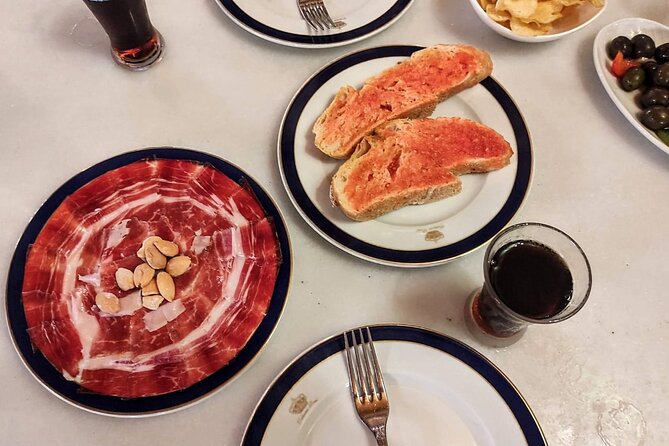
- Different hams, including time spent learning how ham is cured
- Local cheese
- Wine
- Chocolate
- Hot sauces
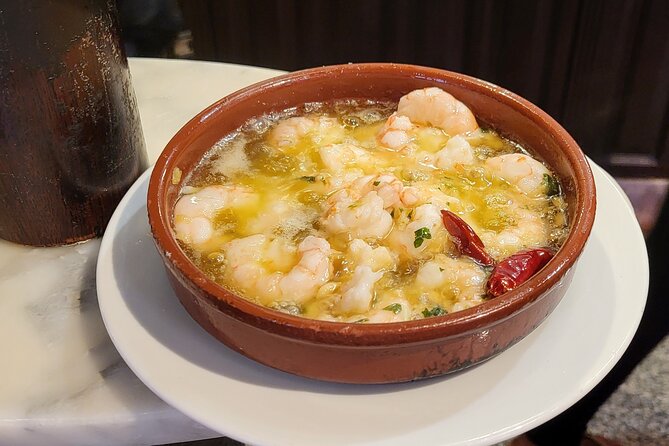
- A final tapas meal where you savor small plates of traditional food
Your day-of experience will feel like a guided tasting route rather than a single restaurant stop. And because the tour includes a drink at each stop, you don’t have to decide what to order every time. You’ll still be able to choose if you want beer or a soft drink instead of alcohol, but the plan keeps you moving.
The Seven-Stop Flow (and why it works)
You’ll hit historic landmarks briefly and then move into the food rhythm. The goal is steady, repeatable snack-and-learn. That rhythm is what makes it fun, especially if you’re not the type who wants to spend hours researching where to go.
Also: since you’re capped at ten people, the guide can usually manage pacing better. If a stop runs slow, you’re less likely to get rushed through the last tastings. If a stop runs quick, you’re not stuck waiting around either.
Itinerary Highlights: Plaza de Isabel II, Royal Palace Area, and the Cathedral Zone
The route includes short, meaningful stops where you get context for the city as you eat. You’ll start at Plaza de Isabel II, at the Teatro Real meeting point area, with a brief stop that ties into the surrounding landmarks.
Further into the old Madrid
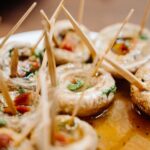

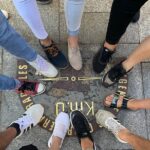
Stop 1: Plaza de Isabel II (Teatro Real area)
Plaza de Isabel II is a strong starting point because it sets you in the heart of Centro without immediately feeling chaotic. You’ll spend around ten minutes here, and the sightseeing portion is free. This is a good moment to get oriented—what direction you’re heading, where plazas sit relative to the taverns, and how the city layout shapes the walking route.
Stop 2: Royal Palace area
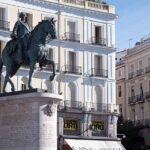
Next up is the Royal Palace area and the King Felipe IV Statue. Again, the sightseeing portion is free, with about ten minutes allotted. This matters for your experience because it gives you a sense of Madrid’s “showpiece” power while you’re also about to shift into the food story. It’s one of those quiet tour tricks: when you understand the city’s shape, the meal stops feel more intentional rather than random.
Madrid’s Cathedral zone
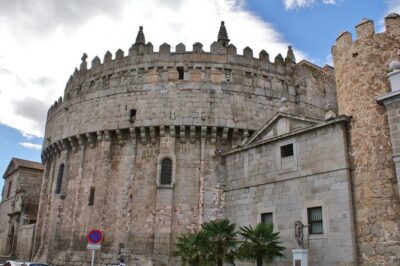
There’s also a stop in the cathedral area. You’ll get a short visit as part of the history-walk pattern. The time is brief, so don’t treat it like a full cathedral visit. Treat it like context between bites.
Plaza Mayor is part of the between-stops story
Even when the formal sight time is short, you’ll be walking between stops and the guide will weave in key landmarks such as Plaza Mayor. That’s useful because Plaza Mayor is one of the easiest places in Madrid to use as a mental map later. If you want to keep exploring after the tour, you’ll already feel like you know where you are.
Ham Curing Lessons That Actually Change How You Taste
Let’s talk about the star topic: ham. You’re not just eating it; you learn about curing. That might sound like a lecture, but in a food tour setting it does something practical: it changes your attention.
Once you hear how cured ham is made and why different cuts and processes matter, you start tasting with a purpose:
- The salt level and how it balances with fat
- The texture differences you’d otherwise ignore
- How wine pairing can either soften flavors or sharpen them
This is one of the highly praised parts of the experience, and it’s easy to see why. When the guide explains what you’re tasting, every bite becomes a clue instead of just a snack.
And because the tour also includes local cheese and wine, you can compare flavors across categories—cured meat, dairy, and drink—rather than only focusing on one thing.
The Drink Plan: Vermouth, Wine, and Local Rules About Sangria
Alcohol is included in the form of one drink at each stop, with beer and soft drinks available if you prefer not to drink alcohol. The tour also highlights local vermouth and the idea that locals don’t really treat sangria like the default.
Here’s the practical value: vermouth is a Madrid-and-Spain bar culture ingredient, and tasting it on a guided route helps you understand what to order when you’re on your own. You’ll also be more confident ordering wine because you’ll hear the pairing logic instead of picking randomly from a card.
A small but important detail: the minimum drinking age is 18. If you’re traveling with anyone younger, make sure the tour fits your group.
What the Final Tapas Restaurant Stop Feels Like
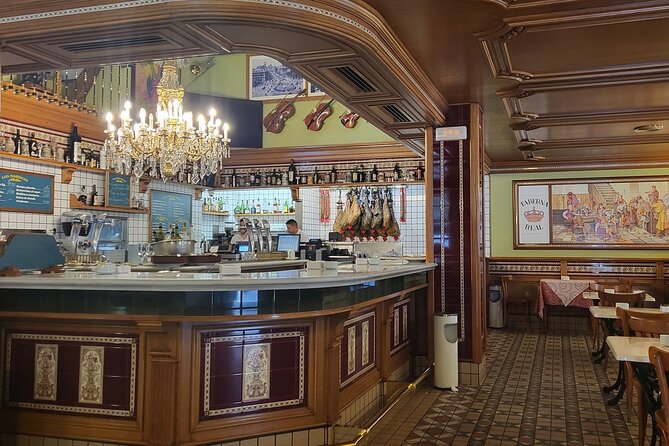
Near the end, you move to a tapas restaurant for a meal built from small plates of traditional food. The “small plates” part is key. It means you’ll likely sample more than one item and stay in the tasting mindset rather than committing to one huge dish.
This final stop also ties the whole evening together. You’ve already learned the food framework—ham curing, cheese logic, how sauces and flavors show up in tavern food—so the last meal doesn’t feel like a random finish line. It feels like the guided payoff.
Who This Tour Is Best For (and When to Skip It)
This is a great fit if:
- You want tapas variety without spending your evening mapping restaurants
- You like your food tours with a history thread, not just a string of quick samples
- You enjoy asking questions and you prefer a 10-person max group size
- You’re interested in Iberian cured meats and the curing story behind what you eat
You might want a different plan if:
- You hate walking and would rather stay in one neighborhood the whole time
- You’re expecting a full museum-style sightseeing tour (this is food-led, with short landmark stops)
- You need a fully quiet experience—this is social, guided, and includes tastings and drinks
It also runs in all weather, so plan clothing for rain or heat. And it’s not recommended for a child aged 5 and under, likely because of the walking and drinking environment.
Price and Value: Why $112 Can Actually Make Sense
At $112 for about 3 hours 30 minutes, the value comes from what’s bundled:
- Seven food stops
- A final tapas restaurant meal with traditional small plates
- Alcoholic beverages (one drink per stop, with alternatives available)
- A local expert guide and history walks
- A small group experience capped at ten people
- A mobile ticket
If you tried to copy this on your own, the hardest part wouldn’t be finding one great tapas bar—it would be doing it in a structured sequence with drinks, variety, and the kind of curing-and-pairing explanations that tell you what you’re tasting. The included drink at each stop also matters. Madrid bar tabs add up fast when you’re hopping between places, and here you’re doing the hopping with the costs baked in.
In short: the price feels fair when you treat this as a guided tasting evening plus city context—not just a meal.
What I’d Watch For Before Booking
Two things to plan around:
- No hotel pickup: you’ll need to show up at the start location near Teatro Real (Pl. de Isabel II, s/n, Centro).
- Dietary needs must be shared at booking: they ask you to advise specific dietary requirements, and there’s a vegetarian option if you request it.
If you’re a strict vegetarian (or have allergies), message your needs clearly during booking. That way you’re more likely to get the right swaps at tastings rather than being stuck with plain bread and water.
Guide Quality and the Human Side of the Tour
The best tours feel like the guide has real relationships with the places you’re visiting. In the feedback for this experience, names like Laura, Molly, and Fernando show up for strong food knowledge and smooth hosting.
One recurring theme: guides who are good at both the history and the practical food side. Laura, for example, is praised for knowing great places to take people and having a way of making you feel welcome, while also being educated beyond food. Molly is noted for being informative, with history of the region and food that connects directly to what you taste. Fernando comes up in connection with hands-on food instruction moments, which suggests the guide style can be more interactive than a purely sit-and-listen approach.
That matters because it’s not only about what you eat; it’s about how the guide makes you notice it.
Should You Book This Madrid Tapas, Traditions & History Tour?
Book it if you want a fun, structured tapas night with real explanations and a manageable walking route in central Madrid. The small group size, the mix of seven food stops, and the inclusion of one drink at each stop make it feel like good value, especially if you’re the kind of traveler who likes to understand what you’re eating.
Skip it if you want a long, stand-alone food crawl at your own tempo, or if you’re not comfortable with walking in all weather conditions. Also, if you’re traveling with someone who needs no-alcohol environments, confirm the non-alcohol options at booking since alcohol is part of the standard plan.
If you’re deciding between doing tapas randomly or with a guide: I’d choose the guided route. You’ll finish the night with stronger ordering instincts for Madrid—and a better sense of why cured ham, cheese, and vermouth belong together.
FAQ
How long is the Madrid Tapas, Traditions & History Tour?
It runs for about 3 hours 30 minutes.
Where does the tour start and end?
It starts at Teatro Real, Pl. de Isabel II, s/n, Centro, 28013 Madrid, Spain, and ends in Barrio de las Letras, Centro, Madrid.
Is a vegetarian option available?
Yes. You should advise that you want the vegetarian option at the time of booking.
Do I need to tell the company about dietary requirements?
Yes. The tour asks you to advise any specific dietary requirements at booking.
Is the tour suitable for children?
It is not recommended for a child aged 5 and under.
Is alcohol included, and are there age limits?
Alcoholic beverages are included, with a minimum drinking age of 18. Beer and soft drinks are available if you prefer not to drink alcohol.
What’s the cancellation window for a full refund?
You can cancel for a full refund up to 24 hours in advance of the tour start time. If you cancel less than 24 hours before, the amount paid is not refunded.
More Tours in Madrid
- Madrid: Tour Bernabéu Entry Ticket
★ 4.5 · 21,573 reviews - Madrid: Panoramic Route City Tour
★ 4.1 · 12,259 reviews - Avila & Segovia Tour with Tickets to Monuments from Madrid
★ 5.0 · 9,762 reviews - Madrid: Royal Palace Expert Guided Tour with Skip-the-Line
★ 4.7 · 8,407 reviews - Madrid: Segovia and Toledo Tour, Alcazar, and Cathedral
★ 4.7 · 7,797 reviews - Toledo Tour from Madrid: Cathedral, Synagogue & St. Tome’s Church
★ 5.0 · 6,784 reviews
More Tour Reviews in Madrid
- Madrid: Tour Bernabéu Entry Ticket
★ 4.5 · 21,573 reviews - Madrid: Prado Museum Entry Ticket
★ 4.6 · 20,699 reviews - Madrid: “Emociones” Live Flamenco Performance
★ 4.8 · 12,866 reviews - Madrid: Panoramic Route City Tour
★ 4.1 · 12,259 reviews - Madrid: Live Flamenco Show with Food and Drinks Options
★ 4.5 · 9,901 reviews - Avila & Segovia Tour with Tickets to Monuments from Madrid
★ 5.0 · 9,762 reviews
Small Plates and Cold Canas
- Madrid Tapas & Wine Tasting Walking Tour – Small Group Local Bars
★ 5.0 · 3,644 reviews - Madrid Tapas & Taverns Small Group Food & History Tour
★ 5.0 · 2,664 reviews - Madrid: Small Group of Prado Museum Tour & Optional Tapas
★ 4.6 · 2,437 reviews - Madrid: Tapas & Wine Tasting Tour with Local Guide
★ 4.8 · 2,171 reviews - Madrid Tapas & Wine Tour with Rooftop Views and Local Guide
★ 5.0 · 2,047 reviews - Madrid by Night Small Group Tour: Stories, Sights and Tapas Bites
★ 5.0 · 1,956 reviews
Just Added: New Madrid Tour Reviews




Tapas & Taberna Tours, compared.
 ★ 5.0Madrid Tapas & Wine Tasting Walking Tour – Small Group Local BarsFrom $933,644 reviews
 ★ 5.0Madrid Tapas & Taverns Small Group Food & History TourFrom $952,664 reviews
 ★ 4.6Small Group of Prado Museum Tour & Optional TapasFrom $532,437 reviews
 ★ 4.8Tapas & Wine Tasting Tour with Local GuideFrom $912,171 reviews
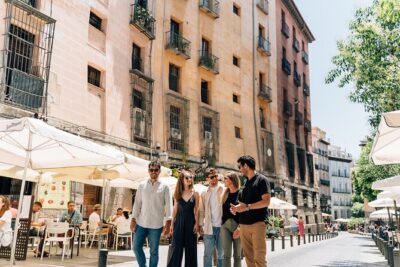 ★ 5.0Madrid Tapas & Wine Tour with Rooftop Views and Local GuideFrom $1132,047 reviews
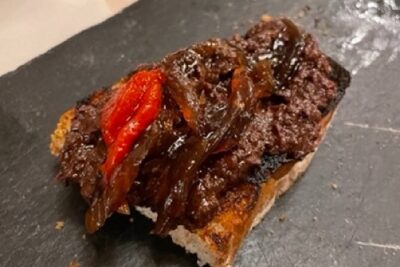 ★ 5.0Madrid by Night Small Group Tour: Stories, Sights and Tapas BitesFrom $721,956 reviews
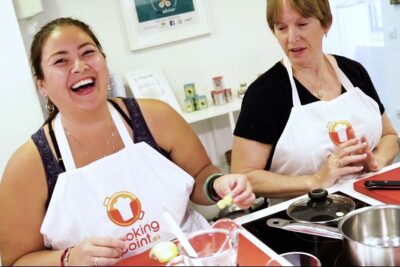 ★ 5.0Spanish Cooking Class Paella Tapas and Sangria in MadridFrom $1021,340 reviews
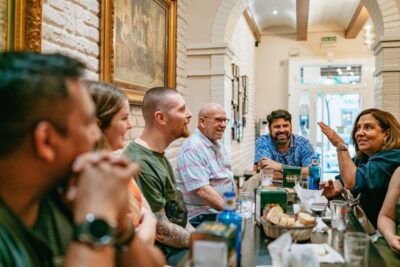 ★ 4.9Food & Wine Tour with 10 Tapas & 4 Drinks IncludedFrom $82984 reviews
Browse the lists this tour appears in