
REVIEW · TAPAS & TABERNA TOURS
Spanish Cooking Class Paella Tapas and Sangria in Madrid
Paella tastes better when you make it. This Madrid cooking class turns you from diner into chef for about 4 hours, with a small group, an English-speaking local chef, and real cooking steps from start to finish. I especially like the hands-on format (you do the work, not just watch) and the option for a local market visit on the morning class.
One thing to consider before you book: the experience comes in two different versions—morning paella versus evening tapas—and the menus aren’t the same. Pick the right time slot for the dishes you’re craving, and you’ll be happy from first ingredient to last sip of sangria.
In This Review
- Key highlights you’ll feel right away
- Madrid’s Spanish Cooking Class: Paella, Tapas, Sangria, and Real Cooking Time
- Morning vs Evening: Paella Class or Tapas Class?
- Morning class: Paella, gazpacho, and sangria
- Evening class: a tapas lineup plus dessert and sangria
- My practical tip
- Where You Meet in Madrid and How the 4 Hours Usually Flow
- The Market Stop (Morning Class): Picking Ingredients Like a Local
- In the Kitchen: Pair Cooking, Step-by-Step Help, and Kitchen Cleanliness
- What You’ll Actually Cook and Eat (Menu Notes That Matter)
- Paella and gazpacho focus (morning)
- Tapas spread and dessert finish (evening)
- Sangria Drinks and the 18+ Reminder
- Dietary Needs: Building the Menu Around You
- Price and Value: Is $102.79 Worth It?
- Instructors and the Human Side of Cooking
- Where This Class Fits Best in Your Madrid Plans
- Should You Book This Madrid Paella and Tapas Cooking Class?
- FAQ
- How long is the Spanish cooking class in Madrid?
- Is the class offered in English?
- How many people are in the group?
- Does the class include a market visit?
- What dishes are included?
- Are dietary restrictions accommodated?
- Where does the class start and end?
Key highlights you’ll feel right away
- Small-group size (max 12) with paired cooking so you stay busy, not bored
- Morning includes a market stop to shop for fresh ingredients before you cook
- Two menu styles: paella-focused in the morning, tapas spread in the evening
- English-speaking local chef guidance with step-by-step support and lots of questions
- Dietary needs are accommodated by building your menu around your requirements
- Take-home recipe booklet so your Spanish cooking doesn’t stop when class ends
Still peckish? More canas and small plates
- Madrid Tapas & Wine Tasting Walking Tour – Small Group Local Bars★ 5.0 · 3,644 reviews
- Madrid Tapas & Taverns Small Group Food & History Tour★ 5.0 · 2,664 reviews
- Madrid: Small Group of Prado Museum Tour & Optional Tapas★ 4.6 · 2,437 reviews
- Madrid: Tapas & Wine Tasting Tour with Local Guide★ 4.8 · 2,171 reviews
Madrid’s Spanish Cooking Class: Paella, Tapas, Sangria, and Real Cooking Time
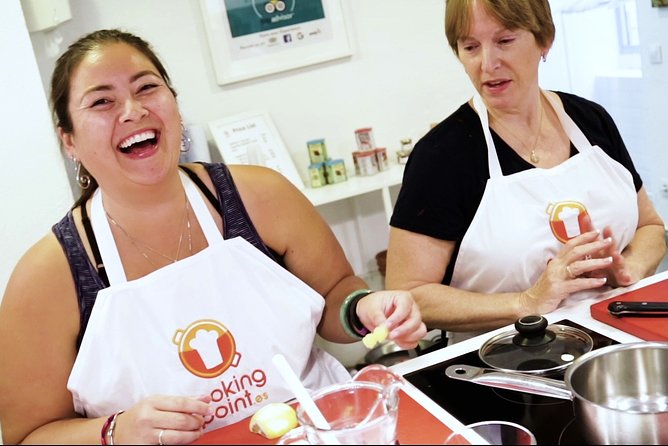
If you want a Madrid food activity that feels more like learning and less like paying for a meal, this is the ticket. You’ll roll up your sleeves, work in a kitchen with others, and cook a full spread of classic Spanish dishes. The format is family-friendly and built for non-chefs. That matters in a city with a lot of great eating options, because you’re not just consuming Madrid—you’re understanding it.
For your schedule, you choose either a morning paella class or an evening tapas class, and you’ll be with a maximum of 12 participants. Most people work in pairs. If you come solo, you’ll be matched with a cooking buddy, which is a simple way to avoid that awkward start where you’re standing around waiting for someone else to take over a spoon.
You also get more than food. The chef’s approach is to talk through ingredients and everyday Spanish eating habits while you cook. Even if you only catch part of the explanation, it helps you connect what’s in your pan to what you’ll later spot in restaurants.
Morning vs Evening: Paella Class or Tapas Class?
This class is best understood as two separate experiences that share the same “cook together” spirit.
Morning class: Paella, gazpacho, and sangria
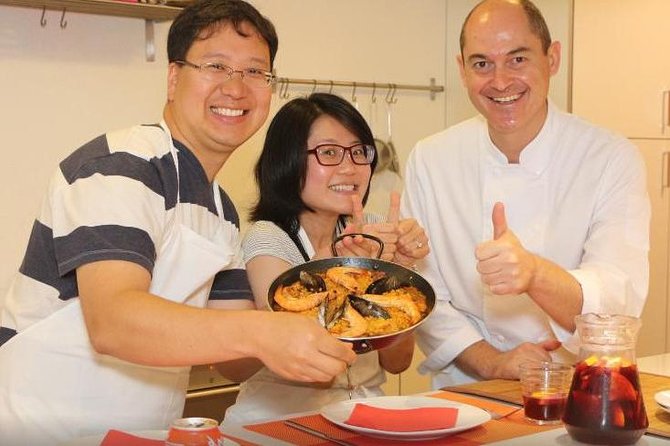
In the morning version, the menu centers on paella plus classic starters and drinks. A sample menu includes gazpacho, paella, and sangria. If you’re chasing that iconic Spanish rice dish, this is the most direct path.
Evening class: a tapas lineup plus dessert and sangria
The evening version spreads across multiple tapas-style plates and finishes with dessert. A sample menu includes:
- Spanish potato omelet
- Garlic shrimp
- Chorizo in cider
- Patatas bravas
- Tomato bread with ham
- Crema catalana
- Sangria
If you’re more in the mood for variety and small bites—think ordering a few things at once and sharing—this option feels more like a guided “Spanish night out,” just with your hands on the food.
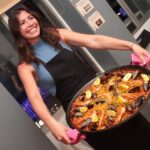
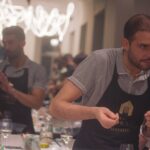
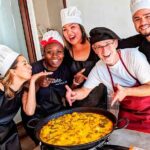
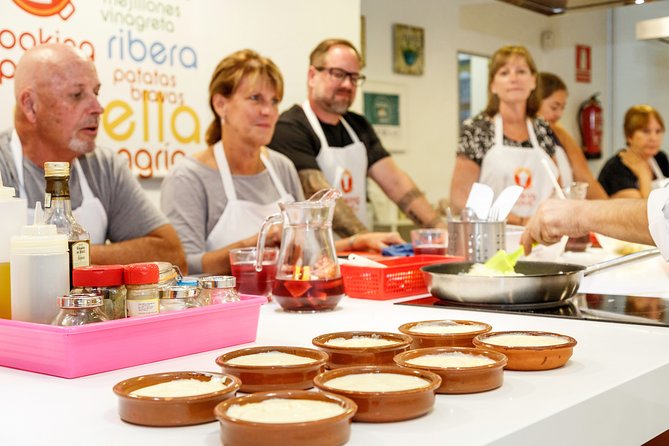
Apron back on for a Spanish kitchen
My practical tip
Read your confirmation carefully so your timing matches your menu expectations. The biggest complaint pattern here isn’t about the food quality—it’s about booking the wrong time slot and then realizing too late that paella and tapas menus don’t overlap.
Where You Meet in Madrid and How the 4 Hours Usually Flow
You meet at C. de Moratín, 11, Centro, 28014 Madrid. The activity ends back at the meeting point, so you don’t need to plan a long walk back. There’s also no hotel pickup, so build in normal Madrid neighborhood travel time. The meeting spot is near public transportation, which helps if you’re hopping between sights.
The class runs about 4 hours. Here’s the realistic rhythm you’ll experience:
1) meet the group and get organized
2) if it’s the morning option, you may head out to shop at a local market
3) you return and cook as pairs under chef guidance
4) you sit down together to eat what you made
5) you take home a recipe booklet
That’s the key value: you get a complete arc, not a quick demo. You leave with food in your stomach and instructions you can actually use later.
The Market Stop (Morning Class): Picking Ingredients Like a Local
If you book the morning paella class, you may start with a short market visit. This is one of the best parts because it explains the “why” behind Spanish cooking: ingredient quality isn’t a marketing slogan here. You’ll see produce, seafood, and other staples that shape the final dish.
What I like about this segment is how practical it is. The chef talks about what people buy and what tends to matter for flavor and texture. You’re not just taking photos. You’re learning what to look for, which helps later when you shop back home.
You’ll also get a sense of pace. Spanish markets aren’t about rushing through a checklist. They’re about choosing ingredients and talking with people who know what’s good. You don’t need to memorize everything you hear. Even hearing the logic once can change how you shop next time you try to cook paella or make gazpacho.
In the Kitchen: Pair Cooking, Step-by-Step Help, and Kitchen Cleanliness
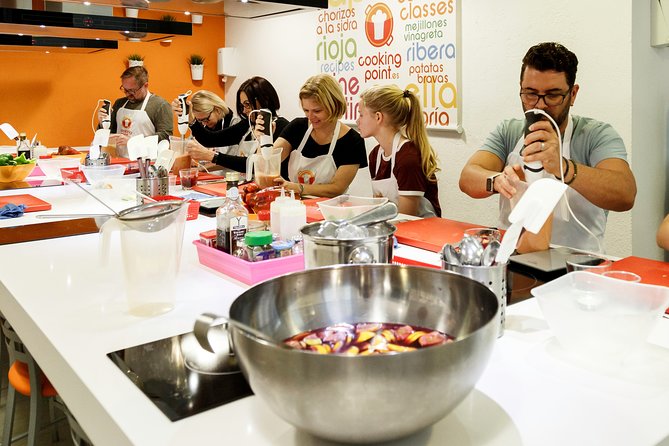
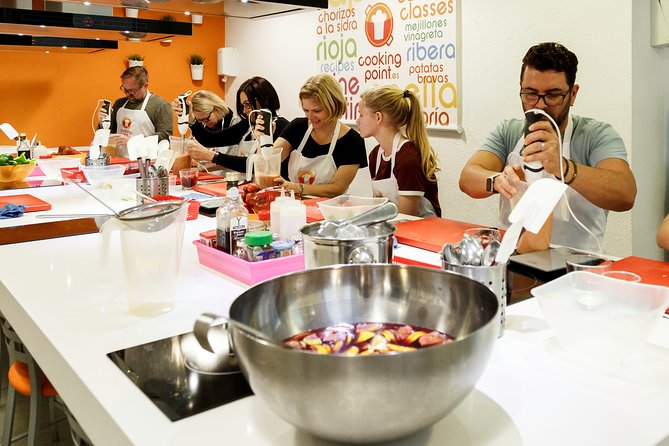
Back at the kitchen, the class stays hands-on. Ingredients are often prepped in advance so you don’t lose the whole afternoon to chopping. Still, you’re doing real cooking work, which is the difference between a class that teaches and one that just entertains.
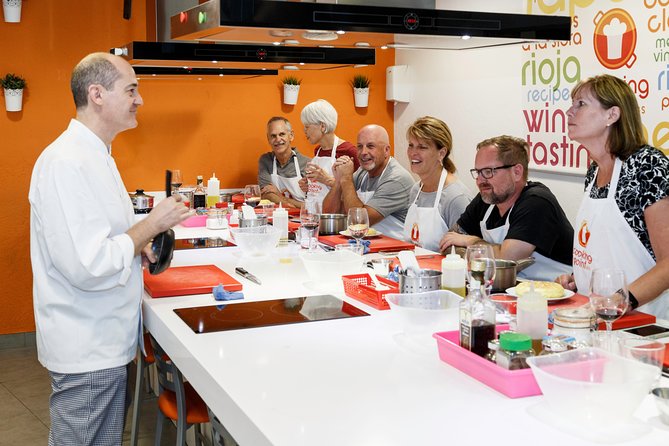
Since the group is small, the chef can keep an eye on everyone’s timing. In my view, that’s what makes the experience feel doable for beginners. Your job isn’t to execute like a professional chef. Your job is to follow the process, ask questions, and adjust when something needs attention.
You’ll likely notice a few teaching moves that keep things moving:
- clear instructions before key steps
- help when a technique matters (mixing, cooking sequence, plating basics)
- a pace that allows conversation without turning the kitchen into chaos
Kitchen setup also matters. People consistently highlight that the space is very clean and well run. That affects comfort, especially if you’re cooking with kids or cooking for the first time and you don’t want to feel like you’re fighting the environment.
What You’ll Actually Cook and Eat (Menu Notes That Matter)
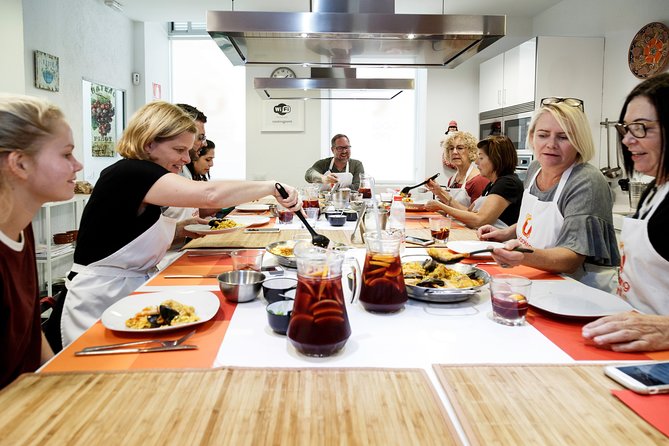
This is a cooking class, so you should expect you’ll eat what you make. The dishes aren’t random either. They’re built around Spanish favorites that show up again and again on menus across the country.
Paella and gazpacho focus (morning)
For the paella-centered menu, a sample sequence looks like:
- gazpacho as the starter
- paella as the main
- sangria with your meal
Gazpacho is a great starter because it’s approachable and helps you understand fresh flavors and balance. Paella is the centerpiece, and you’ll learn that it’s less about one magic ingredient and more about cooking sequence and proper technique.
Tapas spread and dessert finish (evening)
For the evening tapas class, the sample menu is built like a Spanish table you might share:
- a savory beginning with options like tomato bread with ham
- seafood and sausage-type flavors like garlic shrimp and chorizo in cider
- the potato classics: patatas bravas and Spanish potato omelet
- dessert: crema catalana
- drinks: sangria
This combo is great value because you’re getting variety without needing to hop between restaurants. You also learn how different Spanish flavors play together: salty and savory (ham, shrimp), tangy sauces, and then a sweet finish.
Sangria Drinks and the 18+ Reminder
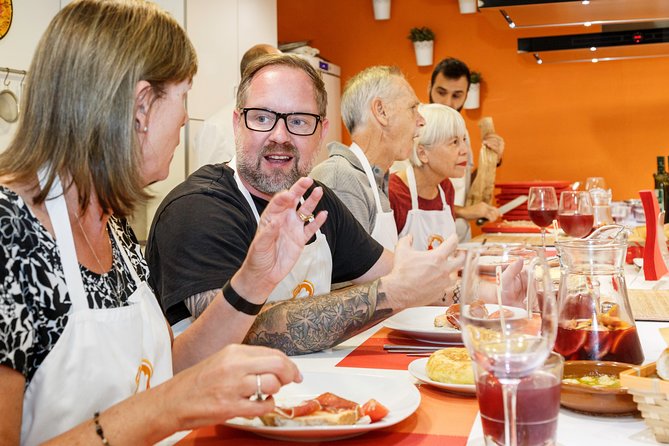
Sangria shows up as part of the meal experience. There’s a clear rule: the minimum drinking age is 18. If you’re traveling with a younger group, you’ll still enjoy the cooking and eating, but you’ll want to plan around that policy.
Also, since drinks are included with the class, you’re not left wondering how much extra money to spend to make it feel like a full experience. You can focus on the cooking instead.
Dietary Needs: Building the Menu Around You
A big practical plus: the class can accommodate dietary restrictions. The general idea is that your menu is built based on your requirements, not that you’re offered a sad alternate plate while everyone else cooks something “normal.”
This matters because food rules in Spain can be tricky if you’re relying on restaurants alone. Here, you’re inside the process. You can communicate needs at booking, and you’ll cook in a way that matches your restrictions.
Price and Value: Is $102.79 Worth It?
At $102.79 per person, you’re paying for three things at once: instruction, ingredients, and a full meal in a small group. If you compare that to a single restaurant meal, it looks higher. But the value comes from the fact that you’re not just eating. You’re getting skills you can reproduce.
You’re also getting:
- a local guide/chef leading the process
- included drinks
- recipe booklet to take home
- a small group setting (max 12), plus pair work
For many people, the “aha” is this: you end up leaving with more than photos. You leave with a method. And paella and crema catalana are not hard, but they do have steps that matter. Learning them once in a guided way saves you from guesswork later.
If you’re the type who always buys a “food souvenir” and ends up regretting it, this is the better buy. You get edible memories and reusable knowledge.
Instructors and the Human Side of Cooking
The experience is led by an English-speaking local chef, and names you might hear include Angel, Eduardo, Teresa, and Elisa. The common thread is how they manage the class: friendly, patient coaching, plus humor and guidance that keeps you from getting stuck.
This matters because cooking classes can go two ways:
- the chef talks and you watch, or
- the chef makes you feel like you can actually do it
Here, the tone stays hands-on. People also mention that instructors can read the room and know when to help and when to let you create. That’s a real skill in teaching kitchens.
Where This Class Fits Best in Your Madrid Plans
This is ideal if you want a Madrid activity that isn’t just sightseeing. It’s also great as a rainy-day plan, since your focus is indoors and you’re not tied to specific museums or walking routes.
You’ll get the most out of it if:
- you like food and want to learn technique, not just taste
- you’re traveling with family or friends and want shared bonding
- you want a structured activity that doesn’t require advanced cooking skills
- you want a break from long walking days
If you’re short on time and hate planning, choose based on the menu you want. Morning paella is focused. Evening tapas is varied and meal-like. Either way, you leave fed.
Should You Book This Madrid Paella and Tapas Cooking Class?
Book it if you want the best kind of souvenir: one you can cook later. The small group, hands-on pace, chef-led guidance, and take-home recipe booklet make the experience feel worth it. The market visit on the morning option adds an extra layer of Madrid authenticity, especially if you like food shopping and ingredient quality.
Skip or think twice if you already know you only want one specific dish and you’re strict about timing. Since morning and evening are different menus, you’ll want to match your booking to your dinner cravings. Also remember sangria is included, with an 18+ minimum drinking age.
If those fit your trip style, this class is an easy yes.
FAQ
How long is the Spanish cooking class in Madrid?
It runs for about 4 hours.
Is the class offered in English?
Yes, the class is offered in English.
How many people are in the group?
The class is limited to a maximum of 12 participants.
Does the class include a market visit?
The market visit is included as a bonus for the morning class.
What dishes are included?
The menu depends on whether you book morning or evening, but examples include paella, gazpacho, Spanish potato omelet, garlic shrimp, chorizo in cider, patatas bravas, tomato bread with ham, crema catalana, and sangria.
Are dietary restrictions accommodated?
Yes. You can advise dietary requirements at booking, and the menu is built around your needs.
Where does the class start and end?
It starts at C. de Moratín, 11, Centro, 28014 Madrid and ends back at the same meeting point.
More Tour Reviews in Madrid
- Madrid: Tour Bernabéu Entry Ticket
★ 4.5 · 21,573 reviews - Madrid: Prado Museum Entry Ticket
★ 4.6 · 20,699 reviews - Madrid: “Emociones” Live Flamenco Performance
★ 4.8 · 12,866 reviews - Madrid: Panoramic Route City Tour
★ 4.1 · 12,259 reviews - Madrid: Live Flamenco Show with Food and Drinks Options
★ 4.5 · 9,901 reviews - Avila & Segovia Tour with Tickets to Monuments from Madrid
★ 5.0 · 9,762 reviews
Cook a Spanish Meal Yourself
- Madrid: Paella and Sangria Workshop in the City Center
★ 4.9 · 1,264 reviews - Paella Cooking Class in Madrid with Bottomless Wine Pairing
★ 5.0 · 985 reviews - Paella Workshop with Bottomless Sangria in Central Madrid
★ 5.0 · 763 reviews - Madrid Tapas & Paella Cooking Experience with Local Market Visit
★ 5.0 · 432 reviews - Taste of Spain: Tapas Cooking Class with Bottomless Wine Pairing
★ 5.0 · 414 reviews - Madrid: Half-Day Spanish Cooking Class
★ 5.0 · 345 reviews
Small Plates and Cold Canas
- Madrid Tapas & Wine Tasting Walking Tour – Small Group Local Bars
★ 5.0 · 3,644 reviews - Madrid Tapas & Taverns Small Group Food & History Tour
★ 5.0 · 2,664 reviews - Madrid: Small Group of Prado Museum Tour & Optional Tapas
★ 4.6 · 2,437 reviews - Madrid: Tapas & Wine Tasting Tour with Local Guide
★ 4.8 · 2,171 reviews - Madrid Tapas & Wine Tour with Rooftop Views and Local Guide
★ 5.0 · 2,047 reviews - Madrid by Night Small Group Tour: Stories, Sights and Tapas Bites
★ 5.0 · 1,956 reviews
Just Added: New Madrid Tour Reviews






Tapas & Taberna Tours, compared.
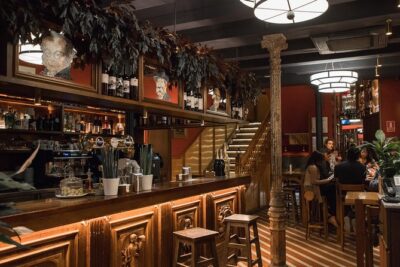 ★ 5.0Madrid Tapas & Wine Tasting Walking Tour – Small Group Local BarsFrom $933,644 reviews
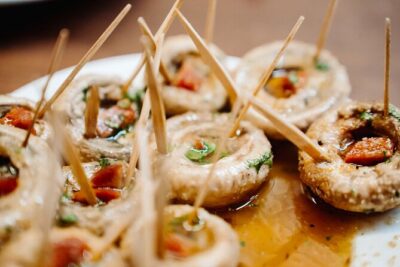 ★ 5.0Madrid Tapas & Taverns Small Group Food & History TourFrom $952,664 reviews
 ★ 4.6Small Group of Prado Museum Tour & Optional TapasFrom $532,437 reviews
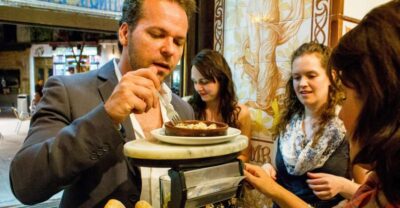 ★ 4.8Tapas & Wine Tasting Tour with Local GuideFrom $912,171 reviews
 ★ 5.0Madrid Tapas & Wine Tour with Rooftop Views and Local GuideFrom $1132,047 reviews
 ★ 5.0Madrid by Night Small Group Tour: Stories, Sights and Tapas BitesFrom $721,956 reviews
 ★ 4.9Food & Wine Tour with 10 Tapas & 4 Drinks IncludedFrom $82984 reviews
 ★ 4.5Royal Palace Expert Guided Tour with Optional TapasFrom $47887 reviews
Browse the lists this tour appears in