
REVIEW · SPANISH COOKING CLASSES
Madrid: Half-Day Spanish Cooking Class
Four hours, full bellies, real skills. This Madrid cooking class lets you make paella or tapas step by step, then sit down and eat what you cooked. I especially like the market-and-cooking flow in the morning option and the clear, chef-led process that turns simple ingredients into a real Spanish meal. One thing to plan for: there’s no hotel pickup, so you’ll want to know how you’ll get to the meeting point.
You cook in pairs, but if you’re traveling solo you’ll be matched with a partner, which keeps the experience from feeling awkward or slow. I also like that dietary needs can be accommodated, and the teaching is in English—I’ve seen this make a big difference for families and first-timers. The evening tapas class is a great casual-dinner option, while the morning paella class adds a grocery trip where you learn what locals actually look for.
In This Review
- Key Points at a Glance
- Paella in the morning, tapas in the evening: how to choose
- The market stop for paella: where the real learning starts
- Classroom style: how the hands-on cooking actually works
- Your paella menu: chicken-and-seafood, gazpacho, and sangria
- Your tapas menu: five savory bites plus Catalan crème
- What you eat at the end: lunch or dinner, plated at the table
- Food allergies and dietary needs: how to think about it
- Price and value at $100: what you’re paying for
- Timing and location: making the meeting point work for you
- Who this class suits best (and who might skip it)
- Should you book this Madrid cooking class?
- FAQ
- Is the paella class in the morning and the tapas class in the evening?
- What will I cook in the paella morning class?
- What tapas are included in the evening class?
- Do I need to have a cooking partner?
- Is the class taught in English?
- Can the class accommodate allergies or dietary restrictions?
- What’s included in the $100 price?
Key Points at a Glance
- Paella morning includes a market visit, then you cook chicken-and-seafood paella, gazpacho, and sangria
- Tapas evening is a full menu of 5 tapas + Catalan crème + sangria, built for an easy dinner vibe
- Hands-on pairing format means you’re working at the stove, not just watching
- Dietary requirements can be accommodated, so you’re not stuck with a one-size-fits-all meal
- English instruction keeps the explanations practical and easy to follow
- Everything for the meal is included: ingredients, drinks, and a recipe booklet
Apron back on for a Spanish kitchen
- Spanish Cooking Class Paella Tapas and Sangria in Madrid★ 5.0 · 1,340 reviews
- Madrid: Paella and Sangria Workshop in the City Center★ 4.9 · 1,264 reviews
- Paella Cooking Class in Madrid with Bottomless Wine Pairing★ 5.0 · 985 reviews
- Paella Workshop with Bottomless Sangria in Central Madrid★ 5.0 · 763 reviews
Paella in the morning, tapas in the evening: how to choose
This class comes in two formats, and choosing the right one is mostly about your timing and appetite.
If you love the idea of a bigger, celebratory Spanish dish, go for the morning paella class. You’ll shop first at a local market (for the ingredients you’ll use), then come back to cook a mixed paella with chicken and seafood, plus gazpacho and sangria. The morning option is also a smart choice if you want more structure: you’re shopping, learning, cooking, and eating in a smooth block.
If your goal is a relaxed dinner and variety, the evening tapas class is the move. You’ll cook a menu of five tapas, one dessert, and sangria. It feels like the Spanish way of eating at home or in a lively bar: different bites, different textures, all in one sitting.
There’s no wrong pick. The tapas class is often easier to pair with a night out because it ends as dinner time arrives. The paella class is more “full experience,” especially if you like understanding ingredients before the heat hits the pan.
The market stop for paella: where the real learning starts
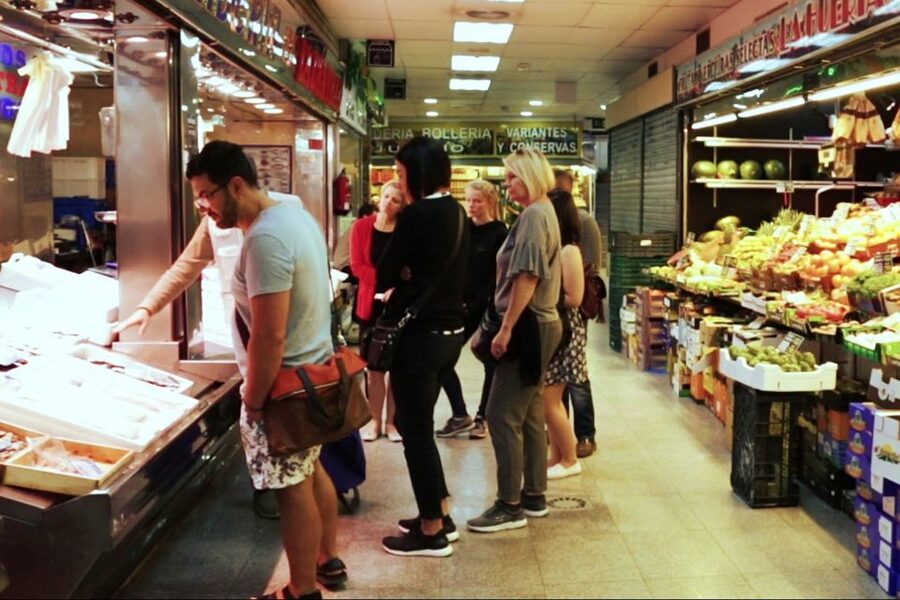
For the paella option, the market visit isn’t just a nice add-on. It changes how you cook because you’re choosing ingredients with an explanation behind them.
You’ll head out to a local food market for grocery shopping—then you’ll bring those ingredients back and cook with them. In the past, instructors have shared details like what to look for when choosing items such as ham, and how market shopping works in daily Spanish life. One review even mentioned learning about ham at the market, which tells you the focus isn’t limited to produce—it covers the bigger ingredient stories too.
Why this matters for you:
- You’ll understand what each ingredient is doing in the final dish, not just how to follow steps.
- You’ll come away knowing what to ask for at home when you recreate the meal.
- You’ll get a sense of how Spanish cooking starts with real shopping habits, not just pre-measured cooking.
Possible drawback: a market visit takes you out of “pure cooking time.” It’s still cooking-focused, but if you’re short on morning energy, arrive ready to walk and pay attention.
Classroom style: how the hands-on cooking actually works
Both options are designed for active participation, and the rhythm is similar.
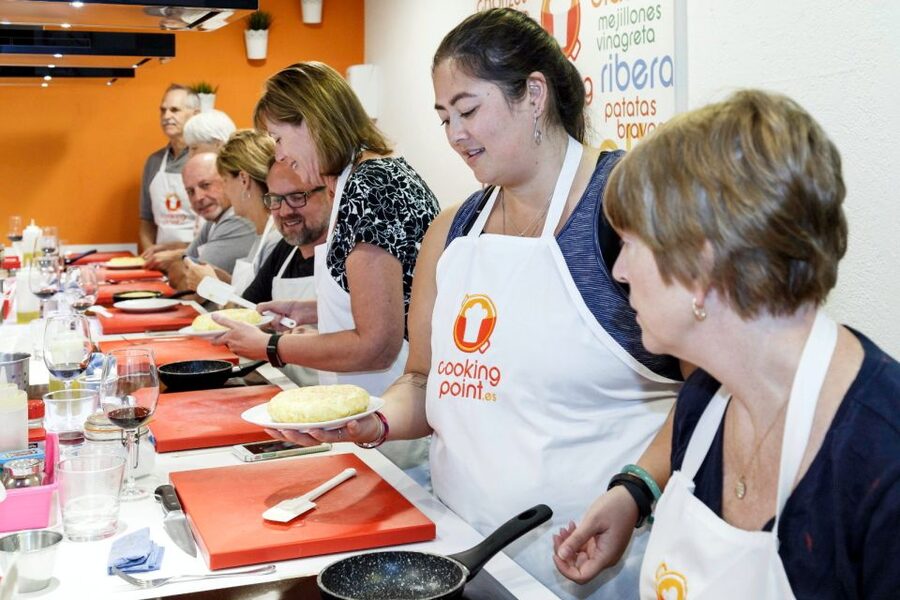
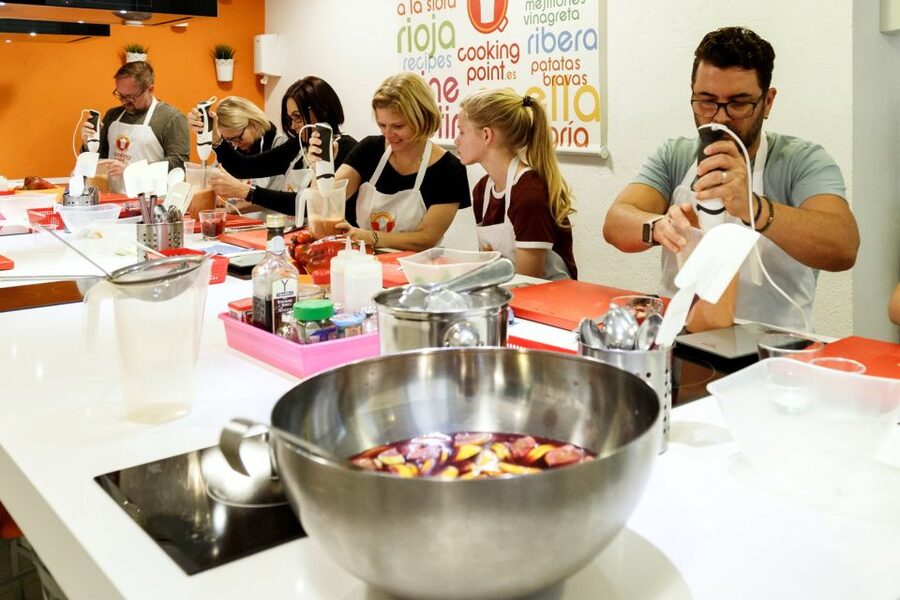
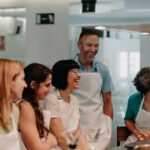
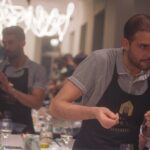
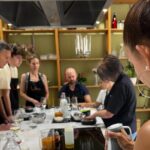
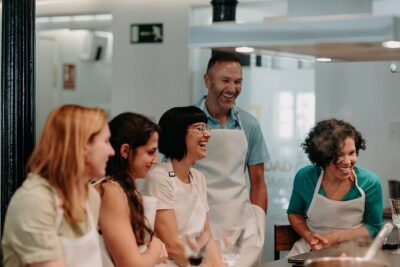
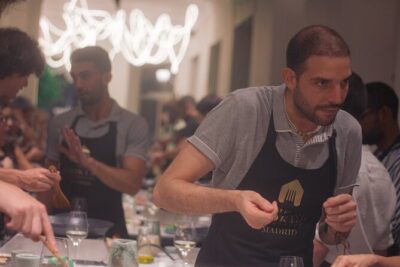
Cooking is done in pairs. If you book alone, you’ll be assigned a cooking partner. That pairing detail sounds small, but it helps the whole class feel balanced: you’re never standing around waiting for the chef to finish, and you can share tasks like chopping, mixing, and timing steps.
I like how the class is set up for clear instructions. Past participants have mentioned step-by-step teaching and an atmosphere that stays relaxed even with a full menu. Chefs such as Ángel, Eduardo, Teresa, and Elisa have been noted for explaining processes clearly and keeping the mood friendly and fun—important if you’re a nervous beginner or you’re cooking with kids.
The biggest practical advantage: after explanations, you cook. Not watch. Not plate something pre-made. You go from ingredients to finished dishes, then eat your work at the table. That “make it, then taste it” loop is what makes the skills stick.
One consideration: you’ll be cooking for a full block (the total experience is 4 hours). If you’re the type who needs frequent breaks, plan for that in your schedule around the class.
Your paella menu: chicken-and-seafood, gazpacho, and sangria
In the morning option, your meal isn’t just paella. You’re building a Spanish plate with contrast: warm, cold, and sipping on something festive.
Here’s what you’ll make:
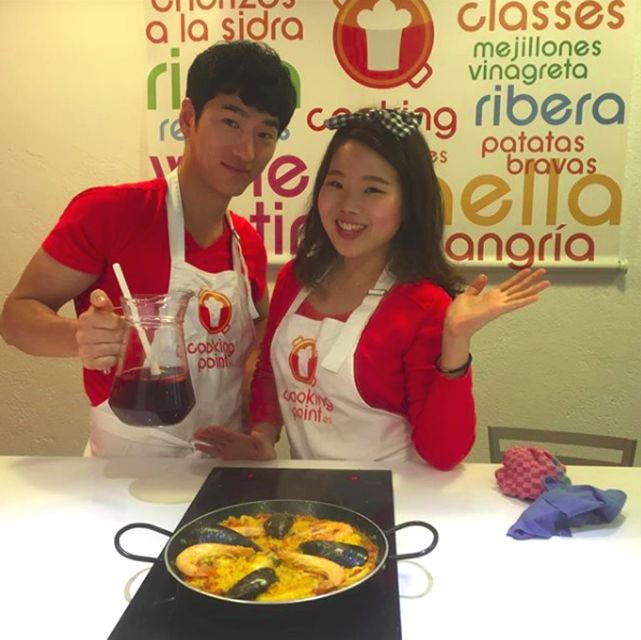
- Mixed paella with chicken and seafood
- Gazpacho, the cold tomato soup
- Sangria, made as part of the experience
That combo is smart teaching. Paella asks you to manage heat, timing, and ingredient order. Gazpacho teaches you how Spanish kitchens lean into freshness and no-cook flavor building (depending on how your instructor approaches it). And sangria ties it together as the social drink that fits a casual meal.
You’ll also get practical tips along the way. One participant mentioned a chef tip about deveining prawns, which is exactly the kind of small technique that makes your final cooking taste cleaner and more professional. If you’ve ever tried shrimp at home and thought it tasted off, a little prep advice like that is gold.
What you’ll likely leave with:
- A better feel for how paella should look and smell at each stage
- Confidence that you can recreate the process with grocery-store ingredients
- A recipe booklet you can actually use later (not just a souvenir)
More time at a Spanish stove

Your tapas menu: five savory bites plus Catalan crème
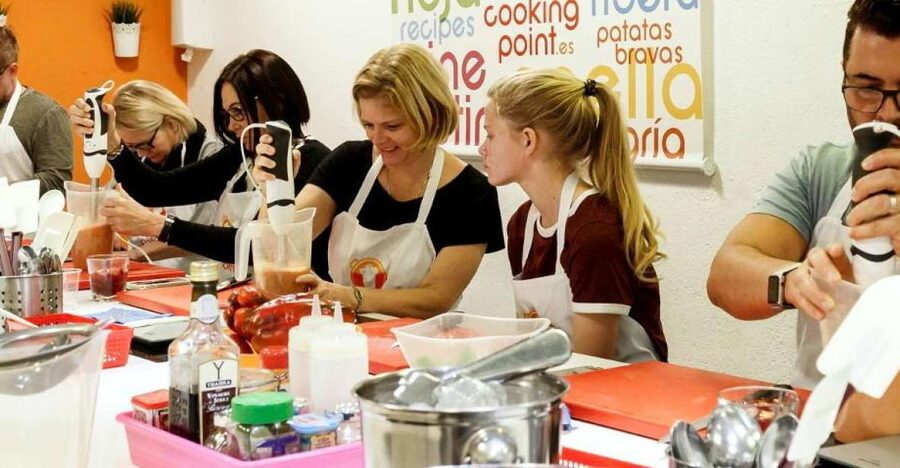
The evening class is built like a Spanish meal sampler—lots of variety, and enough cooking that you still feel the work, even if you don’t consider yourself a cook.
Your tapas lineup:
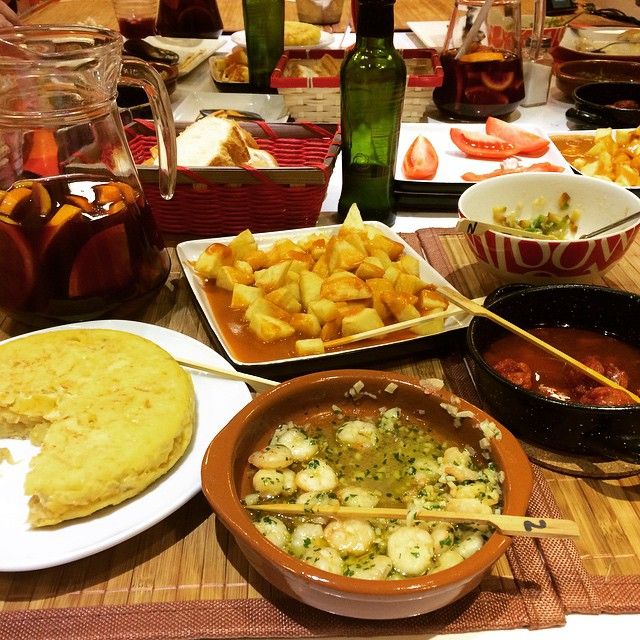
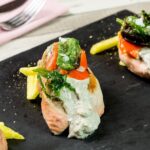
- Spanish potato omelet (tortilla de patatas)
- Garlic shrimp
- Chorizo in apple cider
- Patatas bravas
- Tomato bread with ham
Dessert:
- Catalan crème
Drinks:
- Sangria
I like how this menu teaches breadth. You’ll work with staples that show up across Spain—eggs, potatoes, cured meats, pork-based flavors, and seafood—plus a dessert that’s recognizable enough to recreate. One review also highlighted how everything felt plentiful, and that sangria was a big part of the experience, so you can expect the evening class to feel like dinner plus a cooking lesson rather than a quick tasting.
Possible drawback: if you hate planning or timing multiple items at once, the tapas format can feel busier than a single-dish class. The chef-led pacing helps, but it’s still a multi-item menu.
What you eat at the end: lunch or dinner, plated at the table
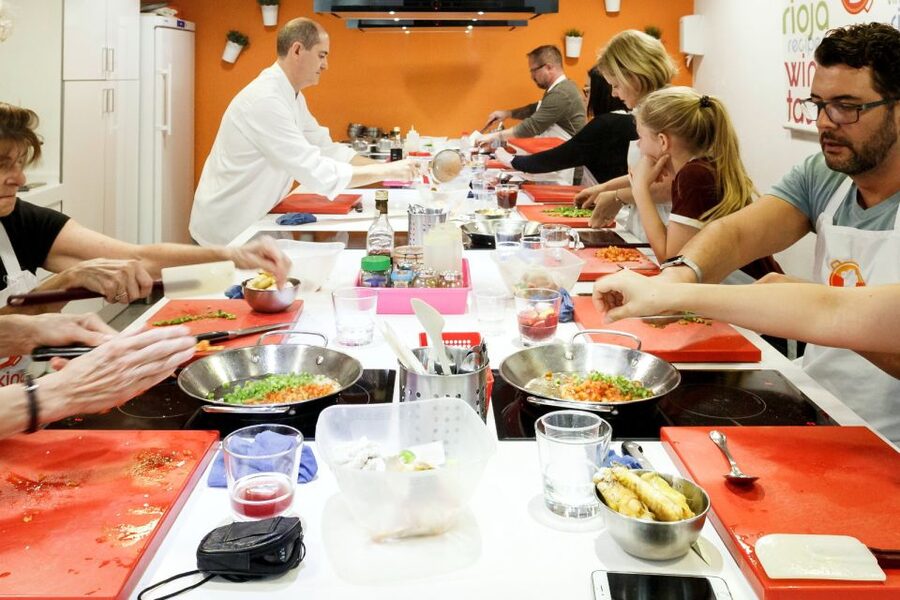
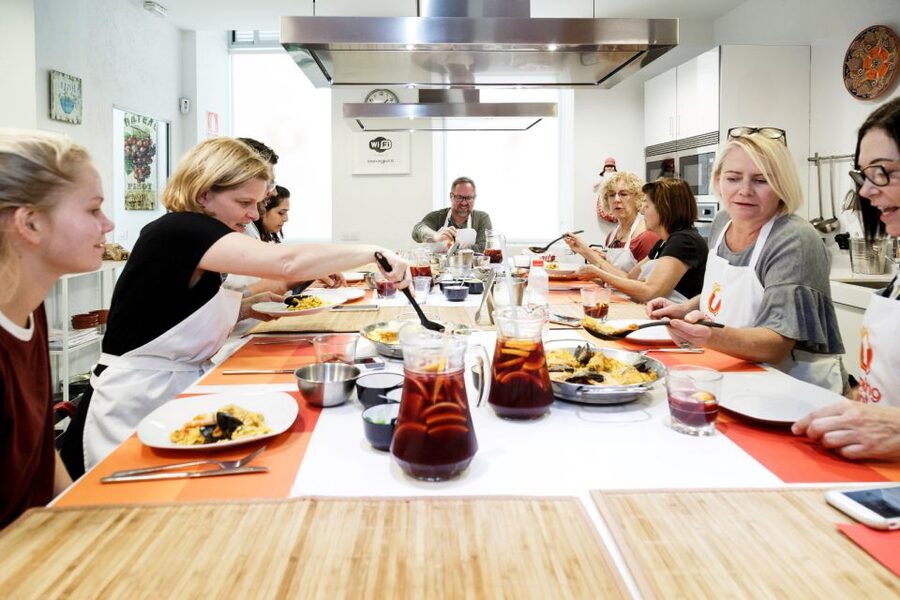
This is a meal-first experience. After cooking, you’ll sit down around the table and enjoy what you made.
For the paella option, it’s effectively lunch time. For the tapas option, it’s a dinner-style meal. Either way, the point is that you’re not leaving hungry or just snacking on something you didn’t cook.
That matters for value. With a cooking class, the real expense is usually the meal portion—here, ingredients and drinks are included, plus the food you create. You also get a recipe booklet, which makes the class more than entertainment.
If you’re traveling with kids, the “cook, then eat” flow is often the easiest sell. One review specifically noted families and young kids having a great time, which lines up with the pairing setup and the fact that children can help with safe tasks like mixing or assembling components.
Food allergies and dietary needs: how to think about it
You don’t need to go in with perfect culinary instructions in your head. The class states that food allergies, intolerances, and dietary requirements can be accommodated.
That said, the practical advice is simple:
- Share your needs clearly when booking
- Be ready to discuss what you can and can’t have
- Expect that substitutions are possible, but the exact swap will depend on the ingredients and menu
I appreciate that the class is set up to handle this, because cooking classes can be stressful when you’re unsure you’ll actually be able to eat what you make. The ability to adapt makes it more than a fun activity—it becomes a meal you can trust.
Price and value at $100: what you’re paying for
At $100 per person for a 4-hour class, you’re paying for more than “someone shows me recipes.”
You’re paying for:
- Real instruction in English
- Chef-guided step-by-step cooking
- Ingredients and drinks included
- A recipe booklet
- And, for the morning paella option, a market tour
From a value perspective, this price only looks high if you treat the class like a show. If you treat it like a hands-on meal workshop with included food and drink, it starts to make sense quickly—especially in Madrid, where a decent meal and wine/sangria can add up fast.
The clearest value signal: you’re eating what you cook. In a lot of cooking experiences, people leave with recipes but little practical competence. Here, you cook from start to finish and then taste the outcome right away. That’s the part that makes the lesson usable.
One note for your budget: hotel pickup and drop-off aren’t included, so you’ll need to cover your own transit to the meeting point. If you’re using taxis or rideshares, that’s the main extra cost to watch.
Timing and location: making the meeting point work for you
Meeting point can vary depending on which option you book. The good news is that you can plan around it easily because this class doesn’t require complicated transfers.
Here’s what I’d do:
- Decide your paella-morning or tapas-evening slot based on how your day runs
- Map your route to the meeting point ahead of time
- Arrive a few minutes early so you can settle in before cooking starts
Also, the cooking happens in a dedicated kitchen classroom. That’s good for comfort and cleanliness. Past participants have described the venue as clean and well organized, which matters because you’ll be working at stations and moving through prep and cooking steps.
Who this class suits best (and who might skip it)
This cooking class is a strong fit if you want:
- A hands-on activity that’s not just sitting and watching
- A Spanish food experience that teaches you the why behind ingredients
- A social activity that still teaches you real technique
- A family-friendly outing that kids and adults can enjoy
It’s also a good choice if you’re the kind of traveler who likes taking home practical skills. The recipe booklet and the process you learn make it easier to cook again later without guessing.
You might consider skipping it if:
- You only have a very tight schedule and can’t spare a full 4 hours
- You prefer restaurants over cooking experiences (totally fine—Madrid has incredible meals)
- You’re expecting a purely historical lecture. This is cooking-first, with food stories woven into the work.
Should you book this Madrid cooking class?
Yes, if you want a genuine Spanish food workshop where you do the cooking and then eat it. The morning paella option is especially good if you like understanding ingredients through a market visit, while the evening tapas option is ideal when you want a dinner-style variety menu that still feels hands-on.
Book it when:
- You’re comfortable cooking alongside others in pairs
- You want clear English instruction
- You’d benefit from a recipe booklet you can repeat at home
Skip or reconsider if:
- Getting to the meeting point is hard for you that day
- You can’t handle a multi-item menu cooking flow (especially in the tapas session)
If you want one simple strategy: choose the option that matches your meal plan for Madrid—lunch slot for paella, dinner slot for tapas—and you’ll get the most out of the experience without forcing your schedule.
FAQ
Is the paella class in the morning and the tapas class in the evening?
Yes. The experience offers a morning option with paella plus a market visit, and an evening option focused on tapas.
What will I cook in the paella morning class?
You’ll cook a mixed paella with chicken and seafood, plus gazpacho and sangria, and you’ll shop for ingredients at a local market first.
What tapas are included in the evening class?
The evening class includes 5 tapas: Spanish potato omelet, garlic shrimp, chorizo in apple cider, patatas bravas, and tomato bread with ham. It also includes Catalan crème for dessert and sangria.
Do I need to have a cooking partner?
Cooking is done in pairs. If you book alone, the provider will assign you a partner.
Is the class taught in English?
Yes, the instructor teaches in English.
Can the class accommodate allergies or dietary restrictions?
Yes. Food allergies, intolerances, and dietary requirements can be accommodated.
What’s included in the $100 price?
All ingredients and drinks are included, along with a recipe booklet. The market tour is included only with the paella (morning) class, and you’ll have lunch or dinner as part of the experience.
More Kitchen Time
- Spanish Cooking Class Paella Tapas and Sangria in Madrid
★ 5.0 · 1,340 reviews - Paella Cooking Class in Madrid with Bottomless Wine Pairing
★ 5.0 · 985 reviews - Madrid Tapas & Paella Cooking Experience with Local Market Visit
★ 5.0 · 432 reviews - Taste of Spain: Tapas Cooking Class with Bottomless Wine Pairing
★ 5.0 · 414 reviews - Madrid: 10 Tapas 2.5-Hour Cooking Class
★ 4.7 · 222 reviews - Tapas & Paella Cooking Class in Madrid with a Professional Chef
★ 5.0 · 177 reviews
More Tour Reviews in Madrid
- Madrid: Tour Bernabéu Entry Ticket
★ 4.5 · 21,573 reviews - Madrid: Prado Museum Entry Ticket
★ 4.6 · 20,699 reviews - Madrid: “Emociones” Live Flamenco Performance
★ 4.8 · 12,866 reviews - Madrid: Panoramic Route City Tour
★ 4.1 · 12,259 reviews - Madrid: Live Flamenco Show with Food and Drinks Options
★ 4.5 · 9,901 reviews - Avila & Segovia Tour with Tickets to Monuments from Madrid
★ 5.0 · 9,762 reviews
Cook a Spanish Meal Yourself
- Spanish Cooking Class Paella Tapas and Sangria in Madrid
★ 5.0 · 1,340 reviews - Madrid: Paella and Sangria Workshop in the City Center
★ 4.9 · 1,264 reviews - Paella Cooking Class in Madrid with Bottomless Wine Pairing
★ 5.0 · 985 reviews - Paella Workshop with Bottomless Sangria in Central Madrid
★ 5.0 · 763 reviews - Madrid Tapas & Paella Cooking Experience with Local Market Visit
★ 5.0 · 432 reviews - Taste of Spain: Tapas Cooking Class with Bottomless Wine Pairing
★ 5.0 · 414 reviews
Just Added: New Madrid Tour Reviews






Spanish Cooking Classes, compared.
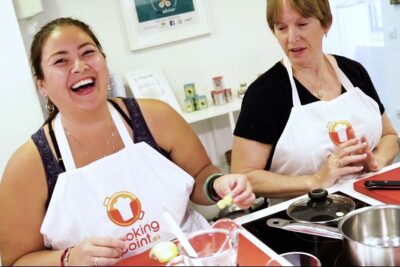 ★ 5.0Spanish Cooking Class Paella Tapas and Sangria in MadridFrom $1021,340 reviews
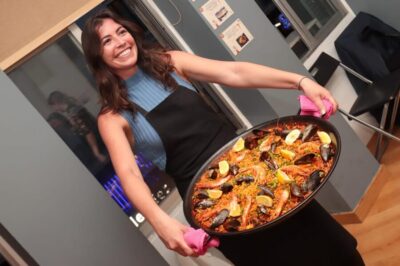 ★ 4.9Paella and Sangria Workshop in the City CenterFrom $691,264 reviews
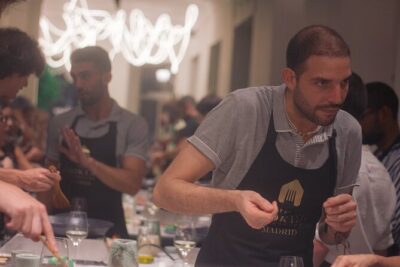 ★ 5.0Paella Cooking Class in Madrid with Bottomless Wine PairingFrom $143985 reviews
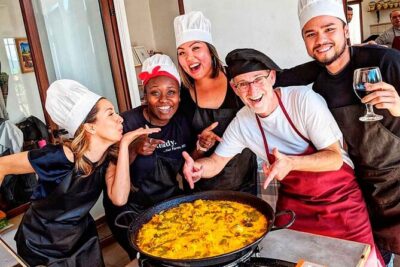 ★ 5.0Paella Workshop with Bottomless Sangria in Central MadridFrom $78763 reviews
 ★ 5.0Madrid Tapas & Paella Cooking Experience with Local Market VisitFrom $114432 reviews
 ★ 5.0Taste of Spain: Tapas Cooking Class with Bottomless Wine PairingFrom $151414 reviews
 ★ 5.0Paella & Sangria Classes- Seafood, Chicken & Vegan optionFrom $87265 reviews
 ★ 4.710 Tapas 2.5-Hour Cooking ClassFrom $80222 reviews
Browse the lists this tour appears in