
REVIEW · HISTORICAL TOURS
Madrid City Tour: Culture and History
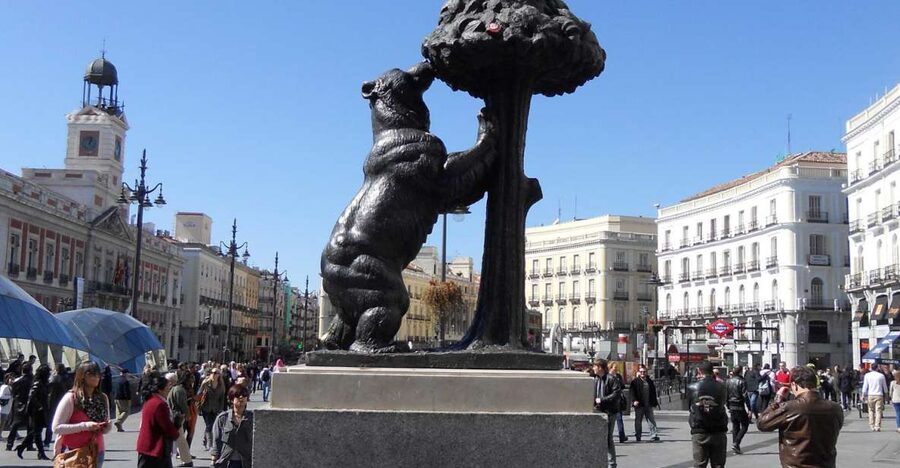
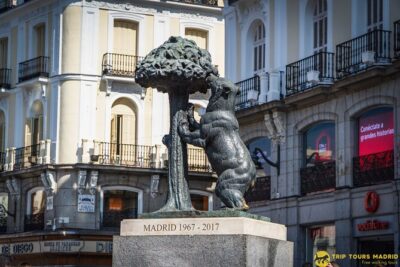
Madrid starts at a bear statue. This 2-hour culture-and-history walk turns central landmarks into a story about the Habsburgs and how Madrid grew into the capital it is today.
I really like the focus on architecture you can actually see: you’ll pass the Royal Palace area and the monastery of San Ginés, then keep moving to major civic and royal spaces. I also like that the route is built for real understanding, not just photo stops, with insider tips from the locals to help you connect the dots as you go.
One consideration: entrance fees are not included, so if you want to go inside places like the Royal Palace or Almudena Cathedral, plan for extra costs on top of the tour price. Also, the tour runs in Spanish and German, so non-speakers may feel out of the loop.
In This Review
- Key highlights you’ll notice on the walk
- Getting your bearings at Puerta del Sol
- How the Habsburg story makes the Royal Palace area click
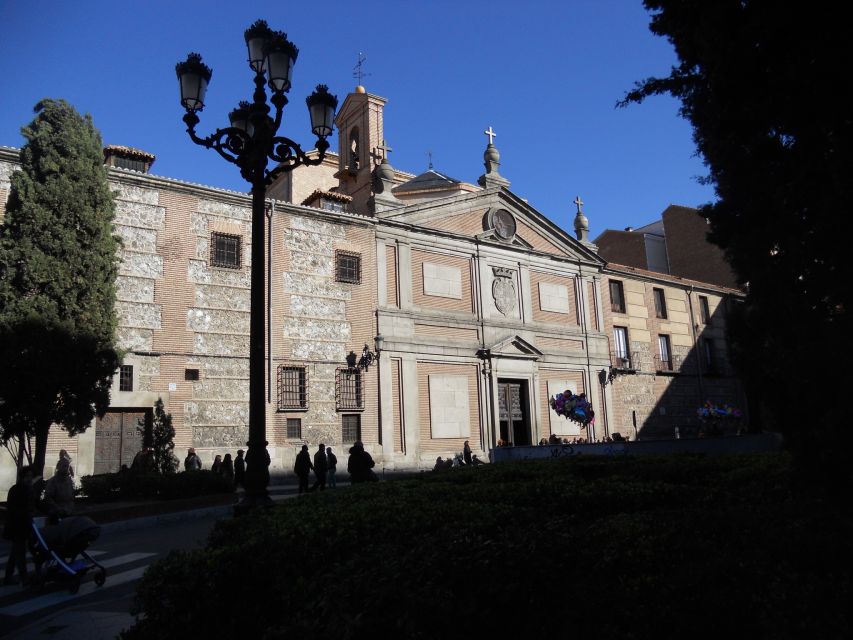
- San Ginés monastery: a quieter counterpoint before the big official sights
- Royal Theater and Almudena Cathedral: Madrid’s official cultural face
- Plaza de la Paja and Plaza de la Villa: the medieval anchors
- Local insider tips you can use immediately
- Price and value: what $47 buys you (and what it doesn’t)
- Timing, group size, and how to prepare
- Who should book this Madrid Habsburg culture tour?
- Should you book it?
- FAQ
- FAQ
- Where does the tour start?
- How long is the Madrid City Tour: Culture and History?
- How much does it cost?
- What’s included in the price?
- Are entrance fees included?
- What languages is the live guide available in?
- What should I bring?
- Is the tour guaranteed to run?
- Can I cancel if my plans change?
- Do I need transfers to join the tour?
Key highlights you’ll notice on the walk
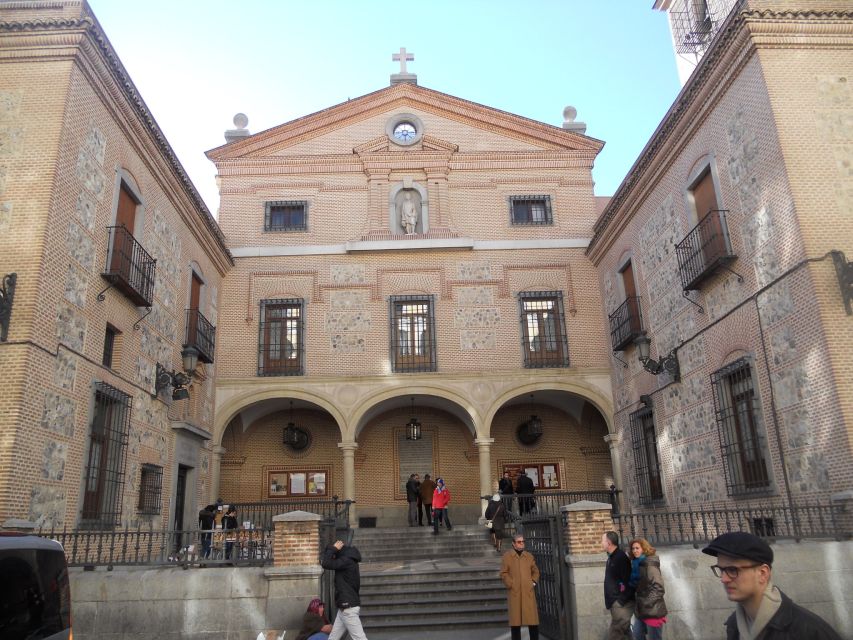
- Puerta del Sol start point at the bear statue, so you get oriented immediately in the city’s center
- Habsburg-era framing that gives the buildings meaning, not just names and dates
- San Ginés monastery on the way to the Royal Palace—a stop that adds calm to the royal-power vibe
- Royal Theater and Almudena Cathedral viewing for a strong sense of Madrid’s official culture
- Plaza de la Paja and Plaza de la Villa—two historic squares that anchor the medieval story
Broader loops across the capital
- Madrid: Panoramic Route City Tour★ 4.1 · 12,259 reviews
- Madrid: Private City Tour by Eco Tuk Tuk★ 4.9 · 3,465 reviews
- Madrid Panoramic City Bus Tour★ 3.5 · 3,118 reviews
- Madrid: Paella and Sangria Workshop in the City Center★ 4.9 · 1,264 reviews
Getting your bearings at Puerta del Sol
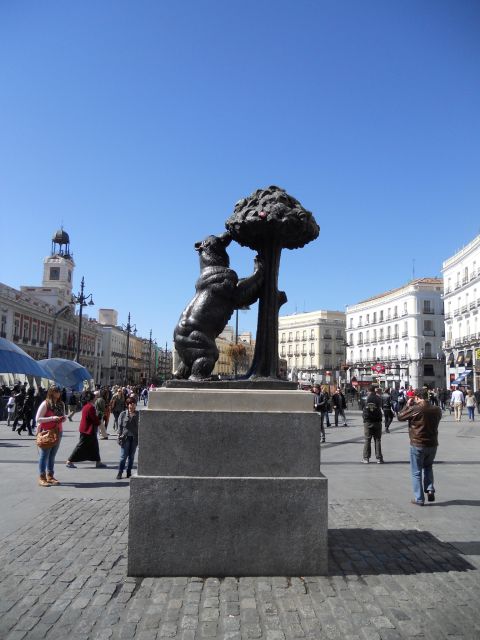
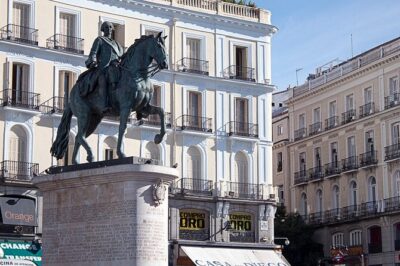
Your tour begins at the bear statue by Puerta del Sol. That matters more than it sounds. Puerta del Sol is the type of place where you can get turned around fast, especially if you’re arriving from a hotel on the edges of the center. Starting here gives you a mental map right away: from one central point, you can follow how Madrid’s important spaces connect.
This opening also sets the tone. The guide doesn’t just point at buildings; they explain the city’s past and present through the lens of the Habsburg influence—so even when you’re standing in a busy square, the tour makes it feel like a carefully designed capital rather than a random collection of streets.
And yes, you’ll be on your feet. Wear comfortable shoes and expect a steady walking pace through central Madrid.
How the Habsburg story makes the Royal Palace area click
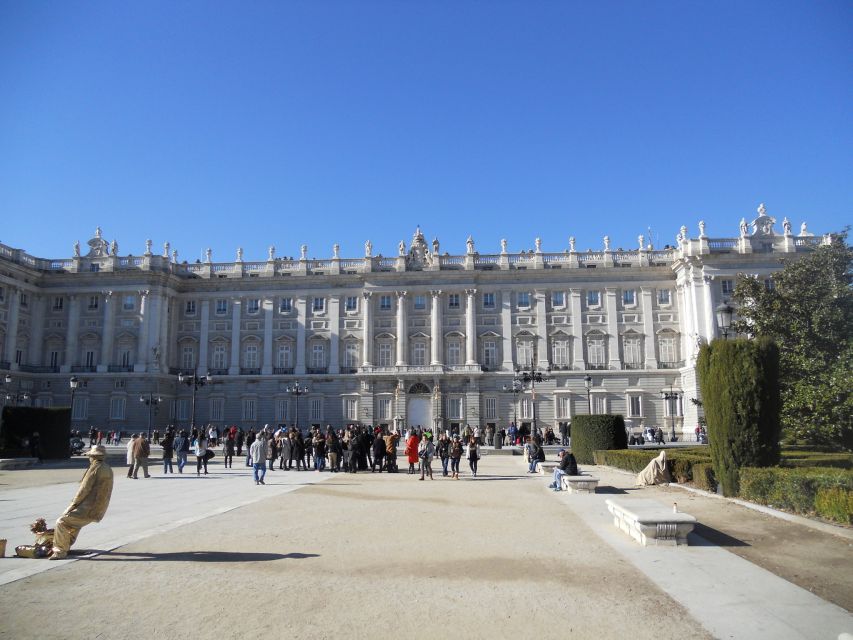
As you move toward the Royal Palace of Madrid, the tour’s core strength shows up: the route was designed by Madrilenian architects to teach you history, culture, and architectural value as you go. That design approach is what turns a typical “see these spots” walk into something more useful for your next day in Madrid.
Here’s what I’d pay attention to as you walk:
- Look at how royal and ceremonial spaces relate to surrounding streets and squares. Even without going inside, you can learn to read the city layout.
- Notice how the guide links the past framing (the Habsburg influence) to what you see today. The idea is to help you understand why Madrid looks the way it does, not just memorize stop names.
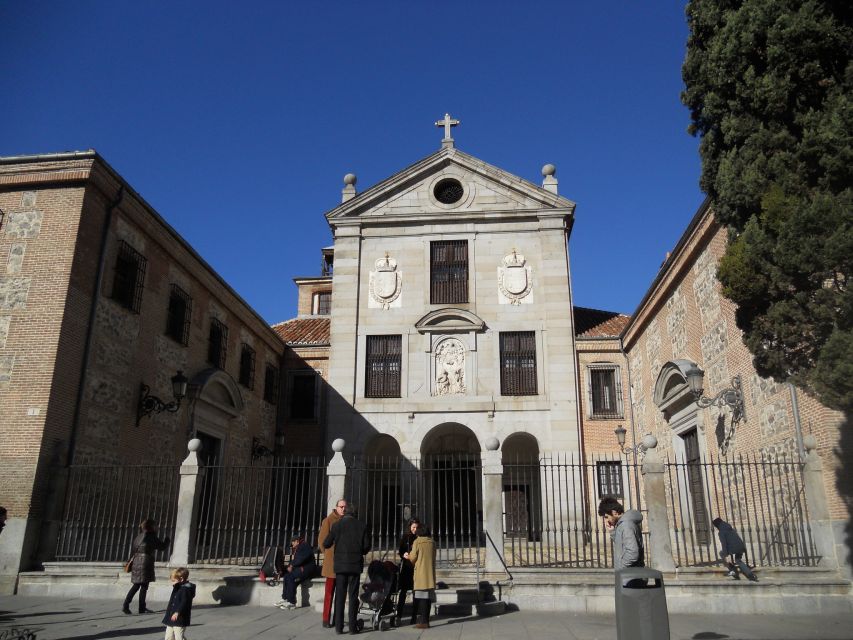
On this section, you’ll also see the monastery of San Ginés along the way. It’s a smart balance: the Royal Palace area can feel like pure state power, while a monastery brings a different kind of Madrid to the route—faith, tradition, and slower rhythms in a city center.
San Ginés monastery: a quieter counterpoint before the big official sights
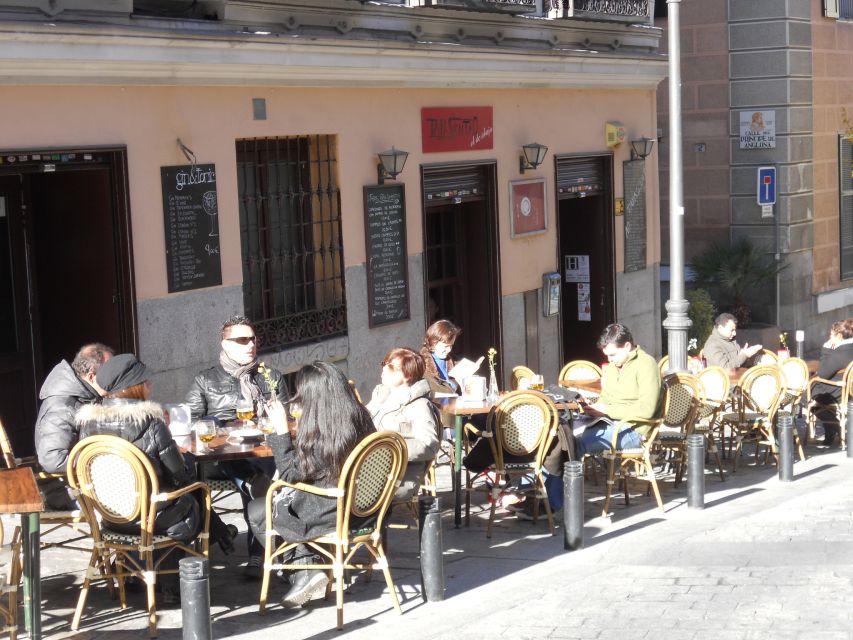
The monastery of San Ginés is one of those stops that works even if you’re not a “monastery person.” It’s less about ticking an attraction box and more about understanding Madrid’s layers. The tour uses it as a bridge between major monuments, so you don’t feel like you’re just marching between headline sights.
What makes this monastery moment valuable is contrast. Near royal power, you suddenly get a sense of something more rooted and enduring. In practical terms, it also gives you a break. After walking through heavier ceremonial zones, you get a calmer pause where you can take photos, listen closely, and reset your brain before the next official landmark.
If you tend to enjoy religious architecture and side streets that reveal how neighborhoods formed, you’ll likely enjoy this stop more than you expect.
Royal Theater and Almudena Cathedral: Madrid’s official cultural face
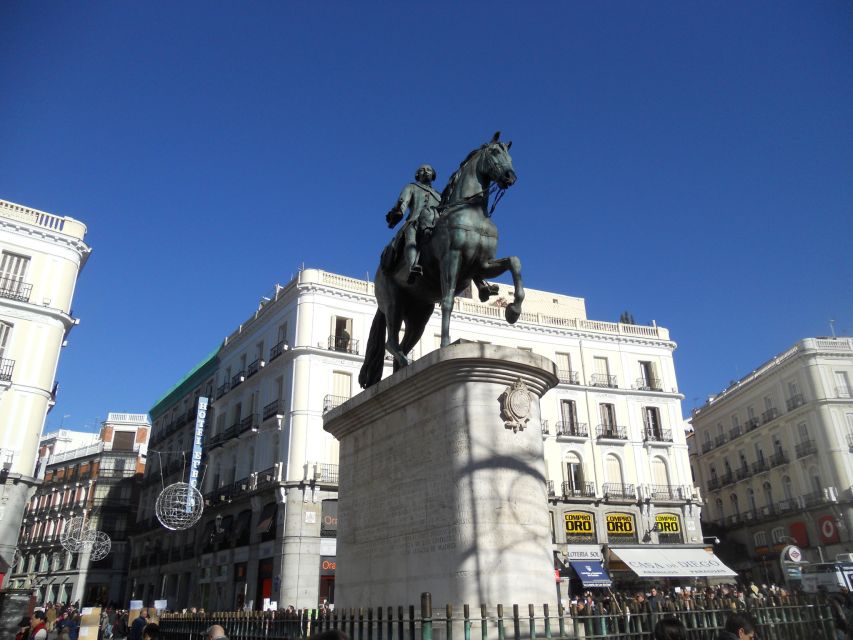
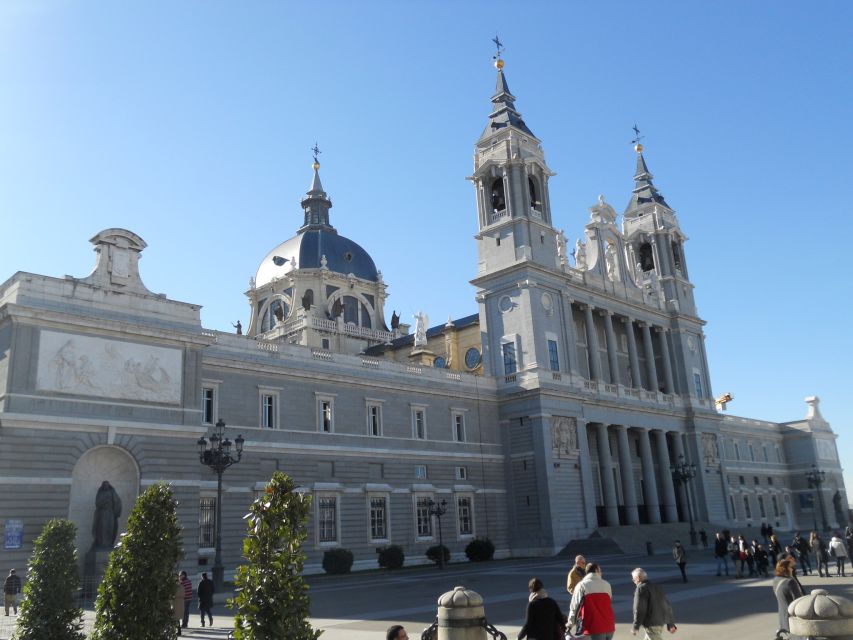
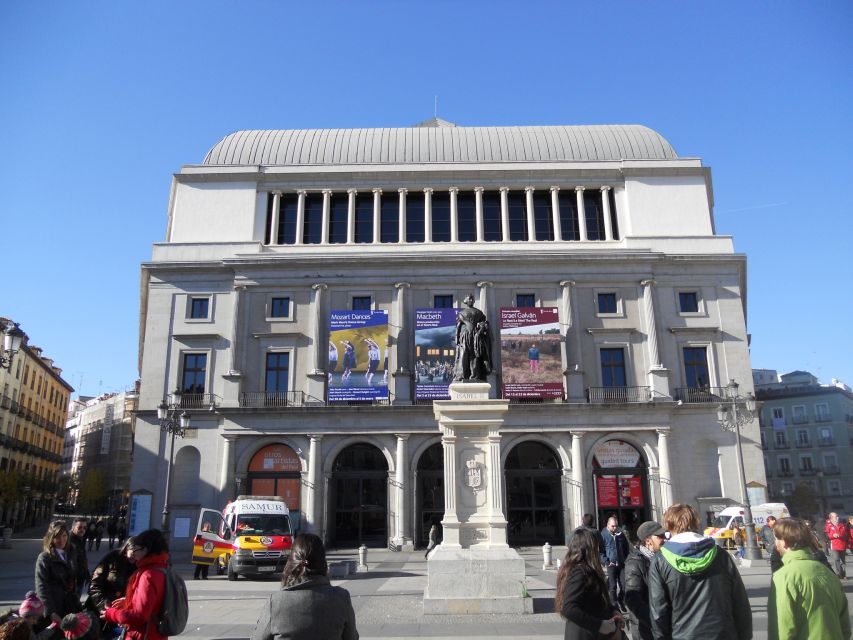
Next up are two big-name landmarks: the Royal Theater and the Almudena Cathedral. Even if you’re not planning to pay any additional entrance fees, seeing them on a guided route helps because you’re not looking at them in isolation.
The tour’s approach is to connect architectural value with cultural meaning. So when you’re looking at the Royal Theater, it’s not just a building. You’re being guided to see it as part of Madrid’s official identity—where culture and power overlap. When you reach Almudena Cathedral, you get another kind of official presence, one that anchors the skyline with a recognizable sense of permanence.
Practical tip: bring your camera for the exterior views, but also give yourself a second or two to look away from your lens. The guide will talk about what to notice. If you keep staring at the phone screen, you’ll miss that “aha” moment.
Further into the old Madrid



Plaza de la Paja and Plaza de la Villa: the medieval anchors
Madrid’s squares can feel like they’re all the same until someone points out how different they are. This tour does that job with Plaza de la Paja and Plaza de la Villa.
Plaza de la Paja is highlighted as the most important square during Medieval times. That single detail changes how you see the space. Instead of thinking of it as just a pretty square in the center, you’re encouraged to imagine its earlier role—when people gathered for key city life and the rhythm of Madrid’s growth was being shaped.
Plaza de la Villa adds another layer. It’s another historic square on the route, and together these two create a useful “time jump” from the present into older Madrid. If you like walking tours that give you a sense of how the city evolved, this part is where you’ll start building connections fast.
If you’re short on time in Madrid, squares are also one of the best ways to get value. You get atmosphere without needing multiple tickets or timed entry reservations.
Local insider tips you can use immediately
One of the most praised parts of this tour is the human factor: the guides share insider tips from locals, and the explanations are delivered live (Spanish and German). That insider layer is practical. It can help you decide what to prioritize later—whether you want to linger longer in a square, focus on certain streets, or plan the order of your next visits.
In a small-group setup, this kind of interaction can feel even more direct. There’s at least one example where the group was just two people with a competent guide, which often means more time for questions and fewer rushed answers.
I also think it helps that some guides have a reputation for keeping the mood positive even when the weather is ugly. On a rainy day, one guide named Jenny was specifically mentioned for making the walk into a highlight. That’s exactly the kind of energy that matters on a city walk: when the streets are slick and the sky won’t cooperate, a good guide keeps you moving with purpose instead of letting the day fall apart.
Price and value: what $47 buys you (and what it doesn’t)
The price is $47 per person for a 2-hour sightseeing tour with a live guide. For that length, you’re paying primarily for interpretation—turning visible landmarks into a connected story. You’re also getting included “insider tips from the locals,” plus a planned route designed to teach you history and architectural value.
What’s not included is important:
- Entrance fees
- Transfers
- Personal expenses
So here’s how I’d judge the value for your day. If you’re the kind of person who likes context before buying tickets or choosing what to enter, this tour can save you time later. After 2 hours, you’ll likely feel more confident about where to spend your money on optional entrances.
On the other hand, if you came to Madrid only for interiors—palace rooms, cathedral interiors, museum exhibits—then a walking tour like this won’t replace paid entry. Still, it can make those future tickets feel more meaningful.
Timing, group size, and how to prepare
The tour lasts 2 hours. That’s enough time to cover major sights in the center without turning the day into a marathon. But it also means you won’t get long, slow wandering. You’ll want to be ready to listen, walk, and pause when the guide stops.
There’s also a minimum of 3 participants required for the tour to take place. That’s a useful detail if you’re planning around limited availability. If your dates are flexible, you’ll have an easier time finding a departure.
Languages are Spanish and German, so choose based on your comfort level. Even if you understand a bit, the pace might move quickly. The tour works best when you can fully follow the guide’s explanations.
For what to bring: comfortable shoes. That’s the whole list for a reason—this is a walking-focused experience.
Who should book this Madrid Habsburg culture tour?
This is a great fit if you want a practical, story-based walk through Madrid’s central architecture. You’ll especially enjoy it if:
- You like history that helps you look at buildings differently
- You want to cover big landmarks without buying multiple tickets immediately
- You appreciate local guidance and insider tips that shape your next stops
- You’re traveling with someone who also likes walking tours and explanations
It may be less ideal if you need a fully intro-friendly route in English, or if you only care about interiors and don’t want to think about exterior viewing and interpretation.
If you’re doing a first visit to Madrid and want a reliable overview while you still have energy, this tour makes sense early in your trip—before you start making decisions about what to explore deeper on your own.
Should you book it?
Yes—if you want a 2-hour guided walking tour that translates Madrid’s architecture into a coherent story, this one is a strong buy. The combination of major landmarks (Puerta del Sol, Royal Palace area, San Ginés, Royal Theater, Almudena Cathedral) plus historic squares (Plaza de la Paja and Plaza de la Villa) makes it feel like real orientation, not just sightseeing.
I’d especially recommend booking if you enjoy getting local perspective and you’re the kind of person who benefits from a guide turning names into meaning. Just remember entrances cost extra, the tour is in Spanish or German, and you’ll be walking—so shoes matter.
If you want flexibility, you can reserve now and pay later, and cancellation is free up to 24 hours in advance (so you’re not locked in if plans shift).
FAQ
FAQ
Where does the tour start?
It starts at the bear statue by Puerta del Sol in Madrid.
How long is the Madrid City Tour: Culture and History?
The tour runs for 2 hours.
How much does it cost?
The price is $47 per person.
What’s included in the price?
You get a sightseeing tour with a tour guide, plus insider tips from locals.
Are entrance fees included?
No. Entrance fees are not included in the tour price.
What languages is the live guide available in?
The live tour guide is available in Spanish and German.
What should I bring?
Wear comfortable shoes.
Is the tour guaranteed to run?
A minimum of 3 participants is needed for the tour to take place.
Can I cancel if my plans change?
Yes. You can cancel up to 24 hours in advance for a full refund.
Do I need transfers to join the tour?
Transfers are not included, so you’ll need to get to the meeting point on your own.
The Capital, End to End
- Madrid: Panoramic Route City Tour
★ 4.1 · 12,259 reviews - Madrid: Private City Tour by Eco Tuk Tuk
★ 4.9 · 3,465 reviews - Madrid Panoramic City Bus Tour
★ 3.5 · 3,118 reviews - Madrid: Paella and Sangria Workshop in the City Center
★ 4.9 · 1,264 reviews - Madrid: City Highlights Guided Vintage Bike Tour
★ 4.9 · 1,159 reviews - Madrid Old City Guided Exclusive Guided Walking Tour
★ 5.0 · 553 reviews
More Tours in Madrid
- Madrid: Tour Bernabéu Entry Ticket
★ 4.5 · 21,573 reviews - Madrid: Panoramic Route City Tour
★ 4.1 · 12,259 reviews - Avila & Segovia Tour with Tickets to Monuments from Madrid
★ 5.0 · 9,762 reviews - Madrid: Royal Palace Expert Guided Tour with Skip-the-Line
★ 4.7 · 8,407 reviews - Madrid: Segovia and Toledo Tour, Alcazar, and Cathedral
★ 4.7 · 7,797 reviews - Toledo Tour from Madrid: Cathedral, Synagogue & St. Tome’s Church
★ 5.0 · 6,784 reviews
More Tour Reviews in Madrid
- Madrid: Tour Bernabéu Entry Ticket
★ 4.5 · 21,573 reviews - Madrid: Prado Museum Entry Ticket
★ 4.6 · 20,699 reviews - Madrid: “Emociones” Live Flamenco Performance
★ 4.8 · 12,866 reviews - Madrid: Panoramic Route City Tour
★ 4.1 · 12,259 reviews - Madrid: Live Flamenco Show with Food and Drinks Options
★ 4.5 · 9,901 reviews - Avila & Segovia Tour with Tickets to Monuments from Madrid
★ 5.0 · 9,762 reviews
Just Added: New Madrid Tour Reviews



Historical Tours, compared.
 ★ 5.0Madrid Essential: Historic Center, Plaza Mayor & Royal PalaceFrom $36,416 reviews
 ★ 5.0Madrid Tapas & Taverns Small Group Food & History TourFrom $952,664 reviews
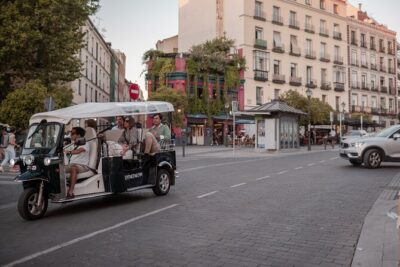 ★ 5.0Madrid Historical Tour with Local Guide in Eco Tuk Tuk PrivateFrom $28876 reviews
 ★ 5.0Madrid Historic Centre Food Tour with Authentic Tapas & WinesFrom $78814 reviews
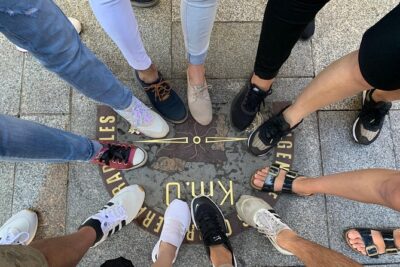 ★ 5.0Madrid Historical Walking TourFrom $3721 reviews
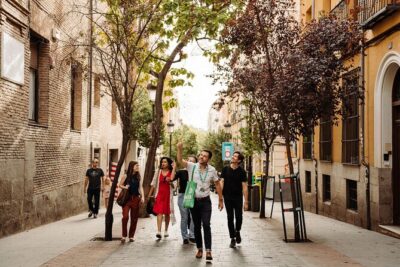 ★ 5.0Madrid in a Day Tour:Royal Palace, Historic Center & Prado MuseumFrom $119628 reviews
 ★ 5.0Madrid Local’s Tapas Tour Dinner with a side of HistoryFrom $114530 reviews
 ★ 5.0Guided Tour of Madrid of the Austrias and the Historic CenterFrom $2520 reviews
Browse the lists this tour appears in