
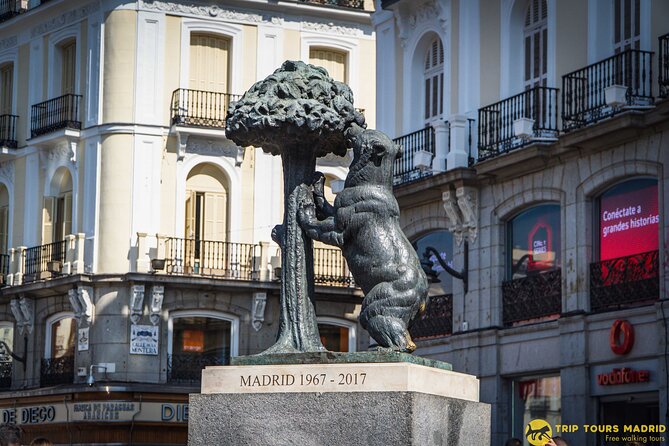
REVIEW · PLAZA MAYOR & OLD TOWN TOURS
Guided Tour of Madrid of the Austrias and the Historic Center
Madrid’s best stories start in the street. This guided walk ties big-name squares and landmarks to the Austrias dynasty, so you’re not just looking at buildings—you’re learning why they matter. You’ll also spot the guide by the yellow umbrella, which makes meeting up painless in central Madrid.
I like the focus on the city’s center, especially how it moves quickly from landmark to landmark without wasting time. I also love the small-group feel and the way the guides tell the story with facts, humor, and prompts that keep you listening, like the energetic approach attributed to guides such as Marta, Carlota, Dina, Esmeralda, Andrea, and Cristian.
One thing to consider: this tour is mostly outside views, and the big interior sights are not included—so if you’re hoping for paid entry or a museum-style visit, you’ll need to plan that separately.
In This Review
- Key highlights
- Getting oriented in Puerta del Sol (and why it sets the tone)
- Puerta del Sol to Plaza Mayor: the two-squares shortcut to Madrid’s power and pageantry
- Mercado San Miguel: charm with a quick pacing role
- Plaza de la Villa: medieval Madrid in smaller doses
- Almudena Cathedral and the Royal Palace: what you see outside still matters
- Teatro Real: closing strong with performance history
- The Austrias angle: how this differs from Asturias
- Timing, pace, and what to pack for a 2.5-hour loop
- Price and value: what you pay for, what you should budget for
- Who this walking tour is best for (and who should skip it)
- Should you book this Madrid Austrias and Historic Center tour?
- FAQ
- How long is the guided tour?
- What language is the tour offered in?
- Where does the tour start and end?
- How many people are in the group?
- What is included in the tour price?
- Are site tickets or entry fees included?
- Do I need to bring a paper ticket?
- Are snacks included?
- Is tipping included?
- Can I cancel for free?
Key highlights
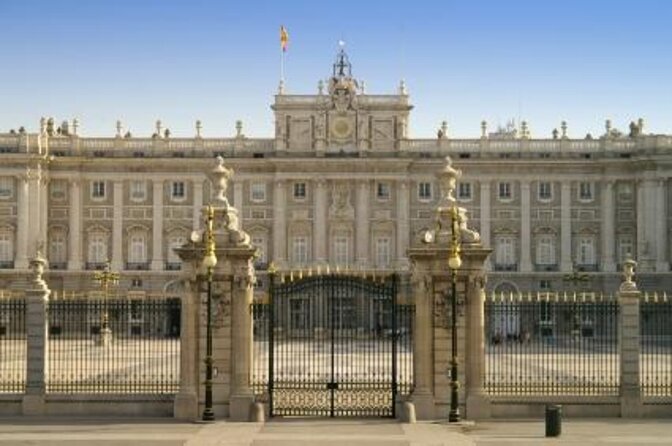
- Yellow umbrella meet-up so you can find your guide fast at Puerta del Sol
- Seven major Centro stops in about 2.5 hours, ending near Ópera
- Austrias/Habsburg focus that turns palace-era power into street-level context
- Outdoor viewpoints first, with entries not included for Almudena, the Royal Palace, and Teatro Real
- Printed materials + a recommendations link for what to do next in Madrid
- Engaging guides known for storytelling and keeping the group involved, including Marta, Carlota, Dina, and Esmeralda
Sol, the arches and the tangle of old streets
- Madrid Essential: Historic Center, Plaza Mayor & Royal Palace★ 5.0 · 6,416 reviews
- Madrid Walking Tour from Puerta del Sol to Retiro Park★ 5.0 · 2,285 reviews
- Madrid Old Town & Royal Palace Walking Tour Skip the Line Ticket★ 4.5 · 1,829 reviews
- Madrid Historic Centre Food Tour with Authentic Tapas & Wines★ 5.0 · 814 reviews
Getting oriented in Puerta del Sol (and why it sets the tone)
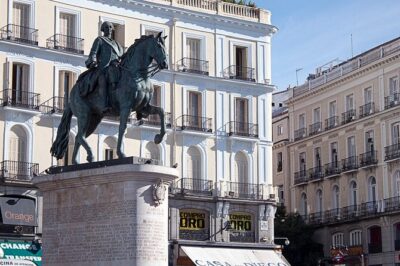
Puerta del Sol is the logical start button for Madrid. It’s the kind of square where the city’s past and present squeeze together: you’ll hear the history behind what you see, plus the little Madrid details that become way easier once a local guide frames them.
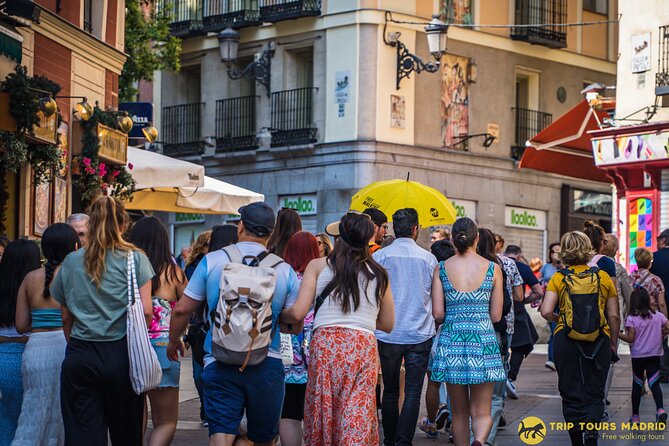
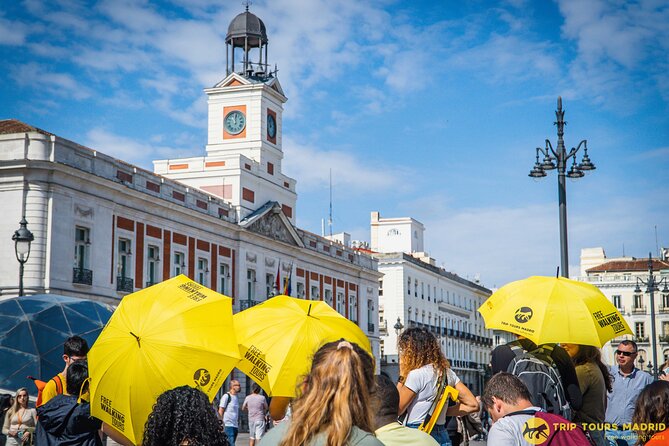
A practical tip: arrive a few minutes early so you can spot the guide’s yellow umbrella. The meeting point is in the Centro area, at Trip Tours Madrid at Puerta del Sol, and the tour keeps moving on foot. That early momentum matters because the group covers multiple stops without long detours.
What I like about starting here is how it turns a famous location into a “story map.” Instead of random facts, you get a storyline about Madrid’s development—who held power, how the city grew, and how today’s streets and squares reflect earlier rules and celebrations. It’s a smart trick for first-time visitors who want context fast.
Puerta del Sol to Plaza Mayor: the two-squares shortcut to Madrid’s power and pageantry
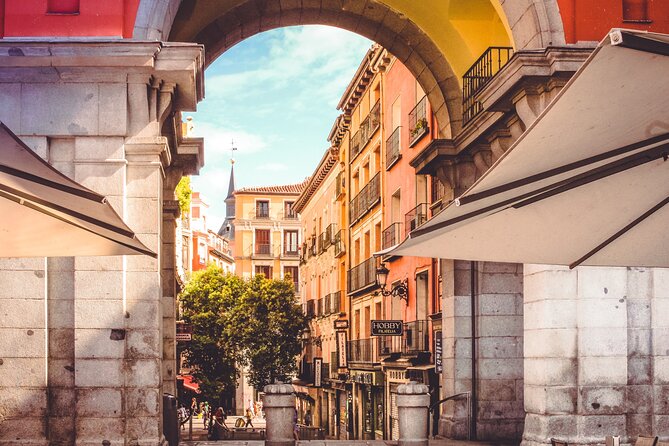
After Sol, the tour heads straight to Plaza Mayor. This is one of those places you can easily walk past without understanding what it used to be. With a guide, though, Plaza Mayor becomes a stage: a busy square tied to ceremony, crowds, and the feel of old Madrid.
You’ll spend time here learning what made the space important, plus curiosities that help you “read” the square like a page. Plaza Mayor is also a good reset point during the 2.5-hour walk because the guide can explain things while you take in the surroundings. It’s one of the best stops for people who like architecture and urban history, but don’t want a slow museum pace.
If you’re the type who gets impatient when a tour turns into a lecture, don’t worry too much. The stops are timed, and the walk keeps the focus on recognizable landmarks rather than hidden corners.
Mercado San Miguel: charm with a quick pacing role
Next up is Mercado San Miguel, a historical market setting where you can pause for atmosphere. Even if you don’t plan to eat, it’s a fun stop because markets are living history: they show how a city feeds itself and how food culture gets tied to tourist and local life.
The tour gives you only a short window here, so think of it as a “taste test” for the neighborhood vibe. If you do want a drink or snack, this is the place to do it during the walking loop—just keep in mind the time you’ll need to rejoin the group when the guide moves on.
Why this stop works: it breaks the strict sightseeing rhythm. Squares, churches, palaces, and theaters can start to feel similar on a walking tour. A market stop adds variety without changing the tour’s overall flow.
Plaza de la Villa: medieval Madrid in smaller doses
Plaza de la Villa is a quieter but meaningful stop because it connects Madrid’s present layout to medieval street origins. The square’s background—linked to small streets that reflect the city’s primitive pattern—gives you a different perspective than the big royal-centered sites.
I like this part of the tour because it adds texture. Puerta del Sol and Plaza Mayor tell you about civic life; this stop adds a layer about how the city was physically organized in earlier centuries. It’s the kind of context that makes you notice details when you later wander on your own.
If you enjoy city geometry—street grids, how areas evolve, and why squares sit where they do—this is one of the best points in the tour. It’s also a good stop for photos, because the medieval character tends to show more in the edges and angles than in the center.
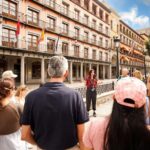
A local guide takes the strain

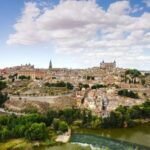


Almudena Cathedral and the Royal Palace: what you see outside still matters
The tour then moves to two headline landmarks: Catedral de Santa María la Real de la Almudena and the Royal Palace of Madrid. Here’s the key thing: the tour is designed for street-level understanding, not full interior visits.
Almudena Cathedral is described as modern, but with a Gothic cathedral presence and a Neo-Romanesque crypt behind the scenes. You’ll get the outside and the story, not a paid entry experience as part of the tour. That’s actually useful if you have limited time and want to decide later whether to purchase entry based on what you learned.
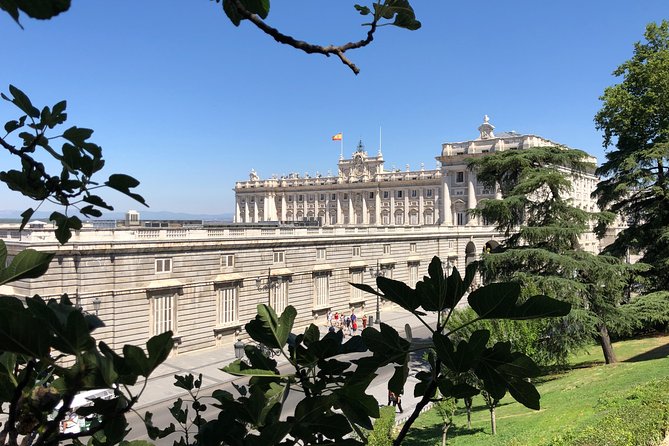
The Royal Palace stop focuses on the history and anecdotes of the kings who lived there, with the palace framed by gardens. Again, you don’t need to be inside to benefit. Learning the who-and-why behind royal power helps you interpret what you’re looking at on the exterior.
My practical advice for these stops: wear comfortable shoes and don’t try to treat them like a must-hit list where you rush every photo. Instead, let the guide’s explanations change how you look at stone, symmetry, and the palace’s place in the city.
Teatro Real: closing strong with performance history
The final major landmark in the walking loop is Teatro Real. This stop brings the tour into European performing arts territory: the theater is described as one of the most important in Europe and the first performing arts institution in Spain.
You’ll focus on the building’s impressive facade and the story behind its place in cultural life. This is a smart closing move because it shifts from royal politics (palaces and dynasties) to public culture. For a lot of people, that shift is what makes the whole “Austrias to historic center” theme feel complete.
Teatro Real also works as a finale because, after palace-and-church stops, you get a different kind of visual rhythm—more dramatic lines and a facade that feels built for attention. It’s a nice way to end before you reach the tour’s finishing point near Ópera.
The Austrias angle: how this differs from Asturias
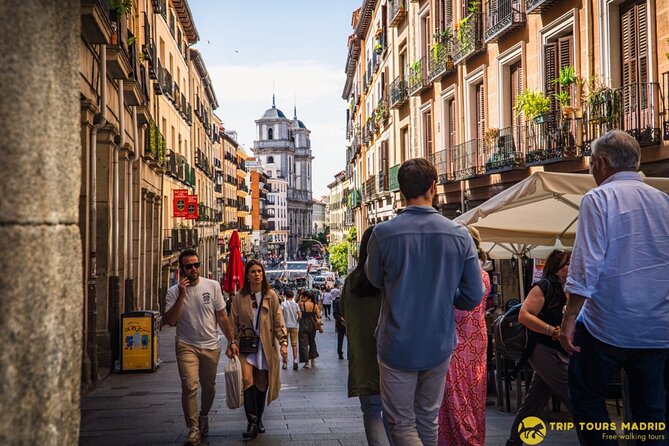
One reason this tour stands out in the title is the word Austrias. This is the Habsburg-era dynasty thread, not Asturias (the region in northern Spain). If you’ve ever booked something in Spain and gotten the name mix-up wrong, this tour’s theme makes more sense once you know it’s about the people who shaped Spain’s royal period.
The tour connects that dynasty-era story to the city spaces you’re walking through. That means you’re not just collecting random facts about separate buildings. You’re building a timeline sense: who ruled, what power looked like in Madrid, and why major civic spaces and royal buildings end up clustered where they do.
I also like that multiple guides are known for making this kind of succession story easier to remember. For example, feedback connected one guide, Juan, with helping people retain the dynasty names. Another guide, Marceli, was described as having an art history doctorate-level depth, which is exactly the kind of extra context that can turn a short stop into a lasting mental picture.
Timing, pace, and what to pack for a 2.5-hour loop
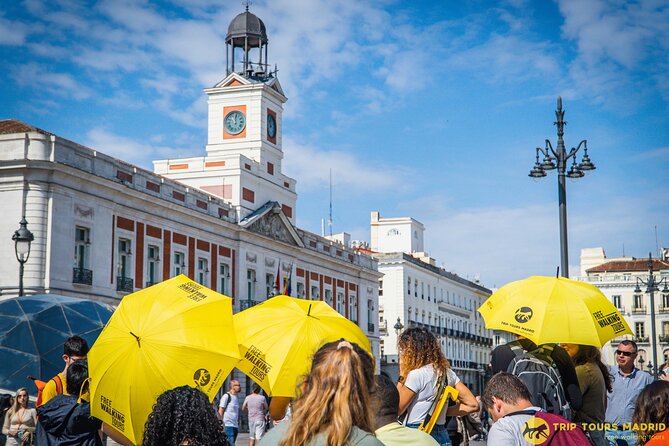
This is a 2 hours 30 minutes guided walk on foot. The route is compact and planned with time slots at each stop, including short windows for places like Mercado San Miguel and longer explanation moments at bigger squares.
What that means for you: the tour is a solid way to get oriented on a first trip day, or as a morning/early afternoon reset after you’ve arrived. It’s not a slow “wander wherever” style walk. It’s structured, so you’ll see the highlights and get context, then be set up to explore more on your own afterward.
What to pack is simple: comfortable shoes, a bottle of water, and sun protection when Madrid decides to heat things up. Because you’ll be standing for explanations at multiple stops, it helps to avoid shoes that hurt after 60–90 minutes.
Also note that the tour includes printed materials and teaching tools along the route. That’s a real benefit if you like taking in info visually while you walk.
Price and value: what you pay for, what you should budget for
The listed price is $2.41 per group (up to 6), which is unusually low at first glance. Here’s how to think about value instead of just the number.
You’re paying for a guided experience that includes the route explanations, printed teaching materials, and a link to personalized recommendations for what to do next in Madrid. You are not paying for site entry as part of the tour, and the big stops like Almudena, the Royal Palace, and Teatro Real are marked as admission not included.
You should also budget for a tip for the guide since gratuities aren’t included and tips are delivered at the end of the visit. That lines up with how many guides expect to be appreciated when a tour is priced like a booking fee rather than a full-priced ticketed attraction.
Bottom line: the value is best when you treat it as a guided orientation tool. If you show up ready to listen, ask questions, and let the story connect the squares, you’ll get far more than the price suggests.
Who this walking tour is best for (and who should skip it)
This tour is a good match if you:
- Want a fast introduction to Madrid’s historic center
- Enjoy story-driven walks that connect dynasties and buildings
- Prefer outside stops over paid-entry museum time
- Like small-group interaction, with guides who make sure people can hear and feel included
It may not be ideal if you:
- Expect interior access to the Royal Palace or Teatro Real as part of the guided loop
- Dislike standing-and-explaining moments that use photos and diagrams to speed up the story
- Want a tour that maximizes entry tickets rather than context
From the descriptions and experiences shared, the tour’s strength is explaining what you’re looking at, not turning the outing into a ticket-hopping sprint.
Should you book this Madrid Austrias and Historic Center tour?
I’d book it if you’re trying to get your bearings quickly and you like learning the why behind famous Madrid stops. The route is compact, the guide meet-up is straightforward (yellow umbrella), and the Austrias theme gives you a thread that ties the main squares and landmarks together.
If you’re more interested in doing multiple paid entries in one day, you can still do this tour—but use it as your planning engine. You’ll leave with a clearer sense of what to prioritize next, especially around royal Madrid and the cultural side of the city.
My call: book it early in your trip day or the day after you arrive, when you’ll benefit most from the context and the recommendations link you get after.
FAQ
How long is the guided tour?
It runs for approximately 2 hours 30 minutes.
What language is the tour offered in?
The tour is offered in English.
Where does the tour start and end?
It starts at Trip Tours Madrid in Puerta del Sol (Centro, 28013 Madrid) and ends near Ópera (Centro, 28013 Madrid).
How many people are in the group?
The tour has a maximum of 20 travelers.
What is included in the tour price?
Included are the guided visit, printed materials and teaching tools along the route, and a link for personalized recommendations on what to do in Madrid.
Are site tickets or entry fees included?
No. Entries to the sites are not required because the tour does not enter the buildings, and admission is marked not included for Almudena Cathedral, the Royal Palace, and Teatro Real.
Do I need to bring a paper ticket?
You’ll use a mobile ticket.
Are snacks included?
No, snacks are not included.
Is tipping included?
Gratuities are not included, and the tip to the guide is delivered at the end of the visit.
Can I cancel for free?
Yes. You can cancel up to 24 hours in advance for a full refund.
More Tours in Madrid
- Madrid: Tour Bernabéu Entry Ticket
★ 4.5 · 21,573 reviews - Madrid: Panoramic Route City Tour
★ 4.1 · 12,259 reviews - Avila & Segovia Tour with Tickets to Monuments from Madrid
★ 5.0 · 9,762 reviews - Madrid: Royal Palace Expert Guided Tour with Skip-the-Line
★ 4.7 · 8,407 reviews - Madrid: Segovia and Toledo Tour, Alcazar, and Cathedral
★ 4.7 · 7,797 reviews - Toledo Tour from Madrid: Cathedral, Synagogue & St. Tome’s Church
★ 5.0 · 6,784 reviews
More Tour Reviews in Madrid
- Madrid: Tour Bernabéu Entry Ticket
★ 4.5 · 21,573 reviews - Madrid: Prado Museum Entry Ticket
★ 4.6 · 20,699 reviews - Madrid: “Emociones” Live Flamenco Performance
★ 4.8 · 12,866 reviews - Madrid: Panoramic Route City Tour
★ 4.1 · 12,259 reviews - Madrid: Live Flamenco Show with Food and Drinks Options
★ 4.5 · 9,901 reviews - Avila & Segovia Tour with Tickets to Monuments from Madrid
★ 5.0 · 9,762 reviews
Old Madrid on Foot
- Madrid Essential: Historic Center, Plaza Mayor & Royal Palace
★ 5.0 · 6,416 reviews - Madrid Walking Tour from Puerta del Sol to Retiro Park
★ 5.0 · 2,285 reviews - Madrid Old Town & Royal Palace Walking Tour Skip the Line Ticket
★ 4.5 · 1,829 reviews - Madrid Historic Centre Food Tour with Authentic Tapas & Wines
★ 5.0 · 814 reviews - Madrid in a Day Tour:Royal Palace, Historic Center & Prado Museum
★ 5.0 · 628 reviews - Old Madrid Tapas and Fine Wine Small Group Tour
★ 5.0 · 415 reviews
Just Added: New Madrid Tour Reviews



Plaza Mayor & Old Town Tours, compared.
 ★ 5.0Madrid Essential: Historic Center, Plaza Mayor & Royal PalaceFrom $36,416 reviews
 ★ 5.0Madrid Walking Tour from Puerta del Sol to Retiro ParkFrom $32,285 reviews
 ★ 4.5Madrid Old Town & Royal Palace Walking Tour Skip the Line TicketFrom $401,829 reviews
 ★ 5.0Madrid Historic Centre Food Tour with Authentic Tapas & WinesFrom $78814 reviews
 ★ 5.0Madrid in a Day Tour:Royal Palace, Historic Center & Prado MuseumFrom $119628 reviews
 ★ 5.0Old Madrid Tapas and Fine Wine Small Group TourFrom $101415 reviews
 ★ 4.2From Madrid: Old Town Toledo Tour with Optional ActivitiesFrom $32403 reviews
 ★ 4.5Evening Walking Tour: Spanish Inquisition & Legends of Old MadridFrom $24311 reviews
Browse the lists this tour appears in