
REVIEW · HISTORICAL TOURS
Black History Tour of Madrid: Heritage & Resistance
Madrid has secrets in plain sight. This tour brings a Black-history lens to central Madrid, turning well-known streets into evidence of African legacy, resistance, and culture. With Kwame guiding the storytelling for English and Spanish speakers, you’ll connect the city’s monuments to centuries of colonial impact and Afro-European presence.
I like how it keeps the focus on what’s visible: configuration of the city, symbolism, and how power is often told through the conqueror, not the everyday people who built wealth. One thing to consider: it’s only 2 hours, so if you want slower pacing or lots of extra stops, you’ll need to pair it with your own follow-up walk after.
In This Review
- Key points to know before you go
- Madrid’s Black History in the Center: What the 2-Hour Tour Covers
- Meeting Outside Plaza de Isabel II (Metro Opera): The Start You’ll Want
- Royal Palace Photo Stop: How Power Gets Told
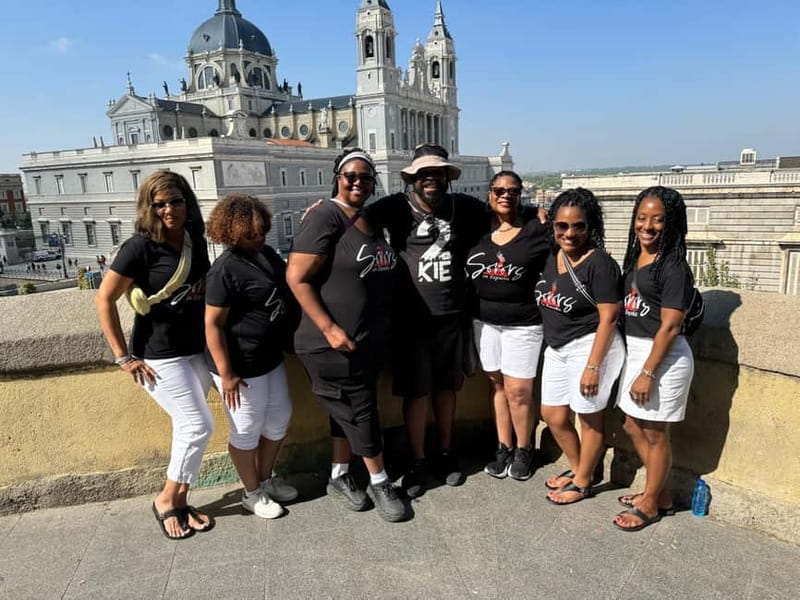
- Almudena Cathedral Stop: Symbols, Moors, and Resistance in Plain View
- Puerta del Sol Finish: What to Notice After the Tour
- Kwame’s Guide Style and Why the Private Group Format Matters
- Price and Value at $41: Is It Worth It?
- Who This Black History Tour Is Best For
- Practical Tips for a Comfortable, Respectful Walk
- Should You Book This Black History Tour of Madrid?
- FAQ
- How long is the Black History Tour of Madrid?
- Where do I meet the guide?
- What languages are available?
- Is food or drink included?
- Is the tour wheelchair accessible?
- What is the cancellation and payment policy?
Key points to know before you go
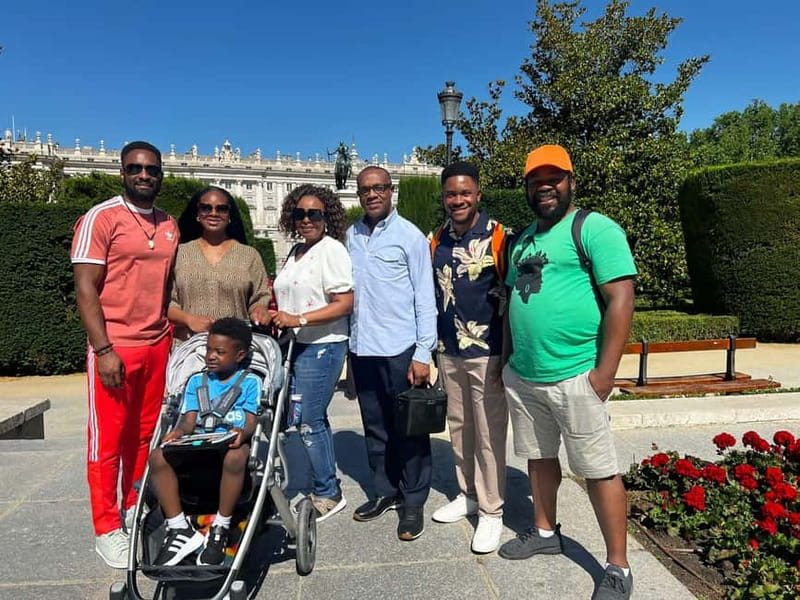
- A Black lens on famous landmarks: Royal Palace area and Almudena Cathedral stop being “just pretty” and start being historical proof.
- Storytelling designed for real conversations: visuals, community spaces, and discussion—not just a lecture.
- A guide you can actually talk with: Kwame is personable and keeps explanations clear and engaging.
- Short, focused timing: 2 hours from Plaza de Isabel II to Puerta del Sol with safety briefings along the way.
- Good practical format for many travelers: wheelchair accessible and private group, with English and Spanish offered.
- Bring your own fuel: no food or drinks included, so plan hydration and snacks on your schedule.
Further into the old Madrid
- Madrid Essential: Historic Center, Plaza Mayor & Royal Palace★ 5.0 · 6,416 reviews
- Madrid Tapas & Taverns Small Group Food & History Tour★ 5.0 · 2,664 reviews
- Madrid Historical Tour with Local Guide in Eco Tuk Tuk Private★ 5.0 · 876 reviews
- Madrid Historic Centre Food Tour with Authentic Tapas & Wines★ 5.0 · 814 reviews
Madrid’s Black History in the Center: What the 2-Hour Tour Covers
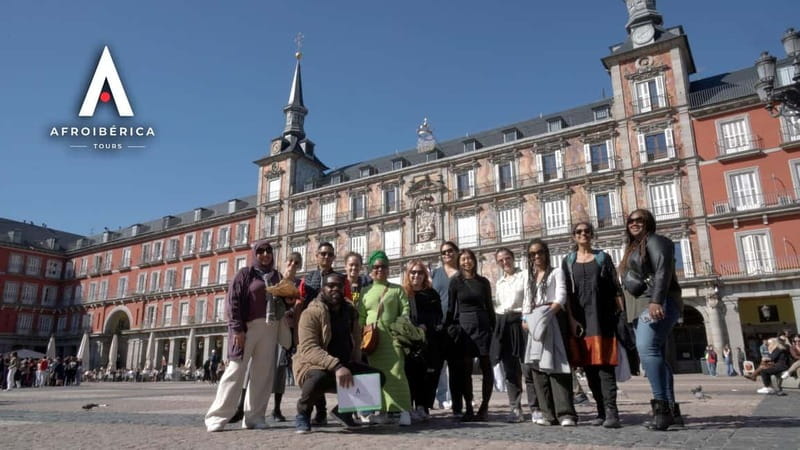
This is a walk through central Madrid with a purpose: you’ll learn how African legacy and resistance are woven into the city you already see on postcards. The tour is part of Echoes of Africa by Afroibérica Tours, shaped for Black travelers and also for educators and cultural institutions that want meaningful engagement with Afro-European history.
You’ll spend the time connecting big themes to specific places—slavery, colonization, the moors, and Black presence—without pretending this history is a side note. It also frames Spain as part of the Atlantic world in the slavery era, noting that Spain was the penultimate territory to end slavery definitively. And it makes a point that African presence in the Iberian Peninsula dates centuries before Christopher Columbus.
At $41 per person for a guided, two-hour, private-style city walk, the value is in the interpretation. This isn’t about “see the sights” as much as “understand the sight you’re standing in front of.” If you’ve ever felt history tours skip the people who actually paid the cost, this format is built to fix that.
Meeting Outside Plaza de Isabel II (Metro Opera): The Start You’ll Want
You meet your guide outside Starbucks at Plaza de Isabel II, near Metro Opera. That detail matters because central Madrid streets can look identical at a glance, especially if the group arrives in waves. Show up a few minutes early so you can spot the guide and settle before the talk begins.
This tour is set up for walking, so plan for comfort over style. Wear comfortable shoes, and bring what you’d need for sun—sunglasses, a sun hat, and sunscreen are all on the list for a reason. Madrid weather can shift, but glare and heat are common enough that you’ll thank yourself later.
You’re also told to bring a reusable water bottle, plus cash and a credit card. Since food and drinks aren’t included, you’ll want the option to buy water or a quick snack before or after your tour. A small practical move: keep your water accessible, not buried at the bottom of a bag.
Royal Palace Photo Stop: How Power Gets Told
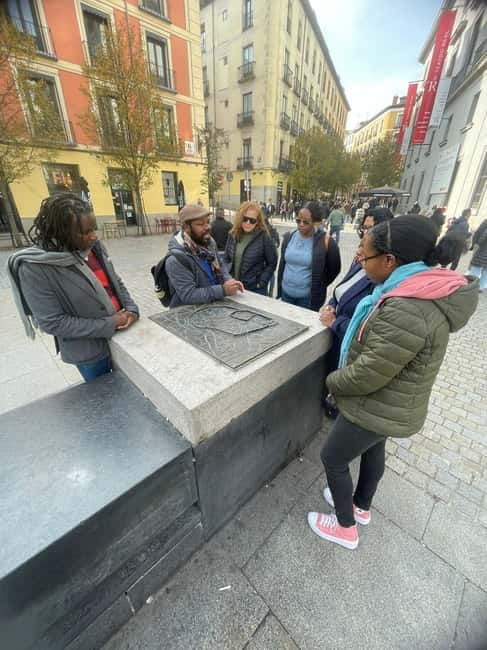
The tour starts with a stop near the Royal Palace of Madrid. You’ll get a photo stop and a safety briefing before you move on. That briefing sounds basic, but it’s worth paying attention—this route covers busy central areas where cars, scooters, and sudden crowd pockets can make even short walks feel chaotic.
Here’s what changes at this stop: instead of treating the palace area like a pure symbol of monarchy and design, you’ll be guided to see how the capital’s rise connects to colonial wealth and exploitation. The tour emphasizes that enslaved people influenced the configuration of the city “as we know it,” and it ties that ongoing trace to what you can still notice today.
You’ll likely spend your time looking at the broader story behind the architecture rather than hunting for one specific plaque. The guide’s job is to point you toward patterns—how cities reflect the economics of their time. If you’ve ever wondered why certain areas feel built for power, this is where you start answering that question.
Almudena Cathedral Stop: Symbols, Moors, and Resistance in Plain View
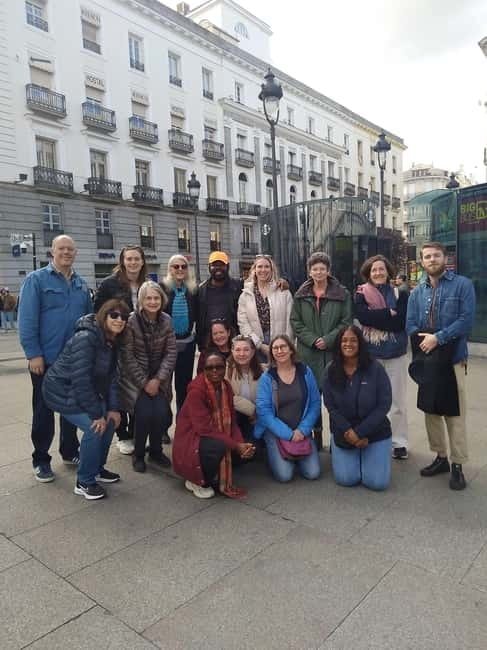
Next up is the Almudena Cathedral area. You’ll have another photo stop, followed by a guided tour and another safety briefing. This is a key moment because the tour’s central promise is about history “hidden in plain sight,” and cathedral-adjacent locations are prime for layered meaning.
What you’ll do here is shift from general themes to more grounded interpretation: moors and Black presence aren’t treated like separate footnotes. They’re placed into the wider story of Spain’s historical world—movement of people, control of land and knowledge, and the cultural mixing that followed.
The tour also leans on visuals and deep conversation. That matters because a lot of mainstream European history tours still rely on dates and rulers, and you end up learning what empires did, not what people lived through. This guide approach pushes you to ask different questions: Who benefited? Who was forced into labor? How do symbols communicate power? Where do you see resistance, even if it’s not labeled for you?
If you like learning with context rather than just facts, you’ll probably find this stop the most satisfying. The cathedral is an anchor, but the lesson is about reading the area like a historical document.


Puerta del Sol Finish: What to Notice After the Tour
The tour ends at Puerta del Sol. That finish location is useful because Sol is where you naturally regroup, grab transit, and keep exploring. It’s also a good psychological landing: you leave the structured guidance and immediately have a chance to test what you learned while the lens is still fresh.
Before you walk away, take a moment to do a mental reset. You’re aiming to carry the new questions with you, not just the new names. After this tour, you’ll likely start noticing how the city’s layout and iconic buildings can communicate wealth, control, and identity—sometimes subtly.
If you’re continuing your day on foot, pick one or two major stops you already planned. Then revisit them with the themes the tour gave you: slavery-era economics, colonization’s long shadow, and the argument that Black presence wasn’t new or accidental—it was part of the Iberian Peninsula’s centuries-long reality.
It’s a small trick, but it works. One guided experience can change the way you see the next ten sights you thought you already understood.
Kwame’s Guide Style and Why the Private Group Format Matters
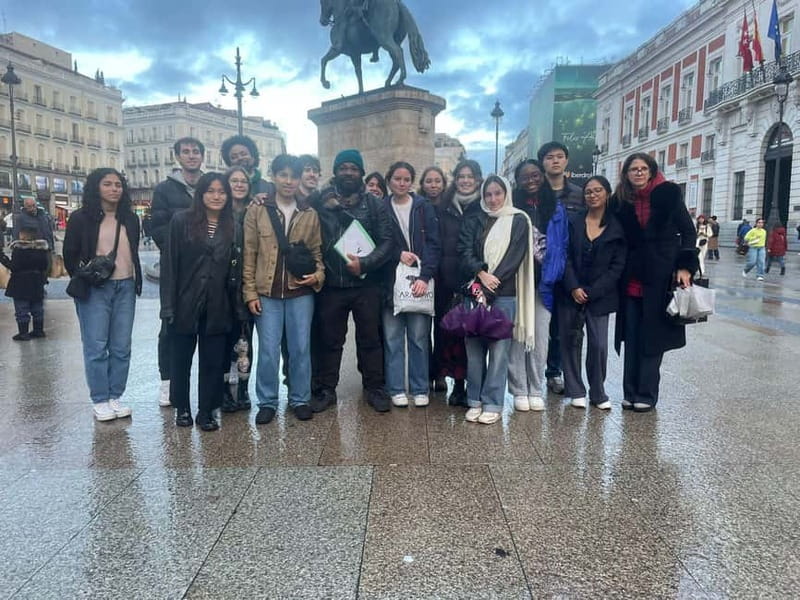
Your experience is led by Kwame (language support in English and Spanish). From the way the tour is described and the feedback attached to it, his approach is practical: explanations are clear, personable, and built for engagement rather than performance.
A big win is that the tour is designed for meaningful dialogue. You’re not just absorbing information and moving on. You’re being invited into conversation, including the kinds of questions that get uncomfortable in traditional “only the facts” tours.
The tour is also listed as a private group. That changes the vibe. Even if you’re just one group of people, private-format walking tours usually mean you can ask things without shouting over a crowd. It also helps the guide adjust pacing so you don’t feel dragged through stops you’re still processing.
For educators and cultural organizations, that conversation structure is the point. For you, it means you’ll likely leave feeling you can connect your learning to real-world framing: how history is told, who gets centered, and why certain narratives get repeated.
Price and Value at $41: Is It Worth It?
For $41 per person and a 2-hour guided walk, you’re paying for interpretation plus time with a guide—not for tickets to a museum or a meal. In that sense, it’s a straightforward value calculation.
The tour’s best value is for people who want their sightseeing to mean something. If you enjoy walking tours, you’ll appreciate how the guide uses the urban environment as a classroom. The landmarks are familiar, but the lens is different, and that difference is what you’re really buying.
Also, the tour is positioned as a reaffirmation of Black presence in the Iberian Peninsula centuries before Columbus. That framing isn’t “extra credit.” It’s the main lesson. If your goal is learning how African legacy is woven into mainstream European spaces, the $41 is less about price and more about what you’ll get: a coherent narrative you can carry beyond the tour.
Who This Black History Tour Is Best For
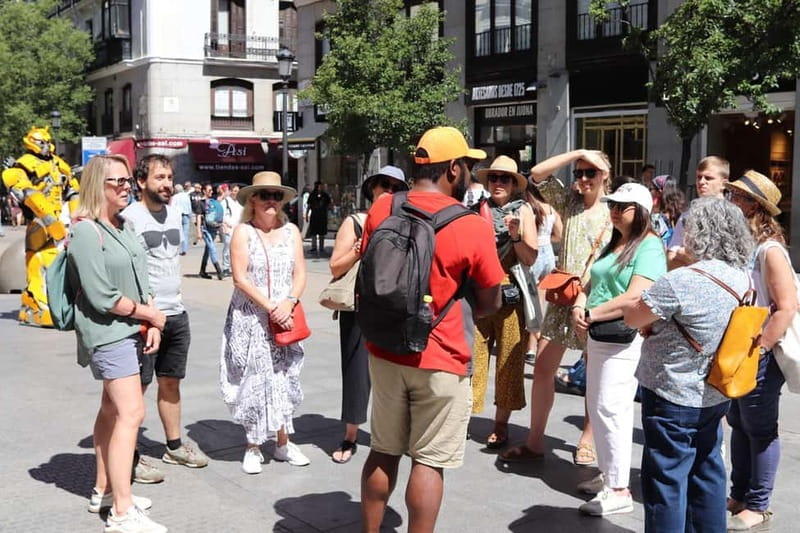
This tour is designed especially for Black travelers, but it isn’t limited to one audience. It’s explicitly aimed at educators, institutions, and cultural organizations that want authentic engagement with Afro-European history.
I think it’s also a strong choice for families with older kids who can handle conversation and context. One of the best signs of fit is whether the tour feels educational without turning into a long classroom. If you’re bringing teens, look for a guide-led format that can explain symbolism and context in ways young people can connect to real places.
It’s also a good pick if you’re the type of traveler who gets annoyed by surface-level “heritage” talk. This tour doesn’t just celebrate. It explains how the city’s wealth and structure tie back to slavery and colonization, and how Black presence persisted long before and long after Europe’s global expansion stories get taught.
Practical Tips for a Comfortable, Respectful Walk
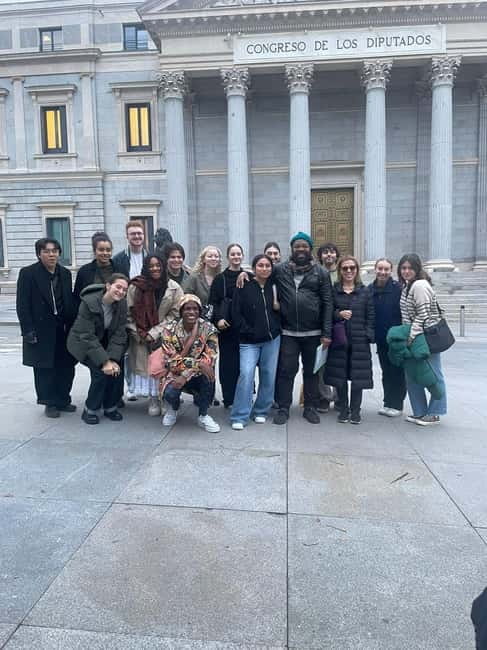
Plan around comfort first. Bring comfortable clothes and especially comfortable shoes because this is a central-city walking route. Bring sun protection—sunglasses, sun hat, and sunscreen—because outdoor time is real time.
Bring hydration even if you think you can “grab later.” You’re advised to pack a reusable water bottle, and since food and drinks aren’t included, you’ll avoid the mid-tour scramble.
Also bring cash and a credit card. Not because the tour requires them, but because you’ll likely want options once you’re done at Puerta del Sol.
Finally, arrive with a mindset of curiosity. This tour is meant to shift how you read Madrid. If you show up ready to pay attention to what’s around you—street details, building placement, the meaning of symbolism—you’ll get more out of every minute.
Should You Book This Black History Tour of Madrid?
Book it if you want history that talks about real people, not just rulers. Book it if you like walking tours but want the narrative to center Black presence and resistance, including how colonial impact shaped the city. At $41 for 2 hours, it’s a good commitment level if you want one focused experience that changes how you’ll see Madrid afterward.
Skip it if you need a lot of downtime, extended stops, or a tour that includes food and drink. Since it’s a short walk, you’ll do best if you’re okay with moving steadily, staying attentive, and then exploring on your own after you reach Puerta del Sol.
FAQ
How long is the Black History Tour of Madrid?
The tour lasts 2 hours.
Where do I meet the guide?
Meet the guide outside Starbucks at Plaza de Isabel II, near Metro Opera.
What languages are available?
The tour is offered in English and Spanish.
Is food or drink included?
No. Food and drinks are not included.
Is the tour wheelchair accessible?
Yes, the tour is wheelchair accessible.
What is the cancellation and payment policy?
You can cancel up to 24 hours in advance for a full refund, and you can reserve now and pay later.
The Old Capital, Toured Properly
- Madrid Essential: Historic Center, Plaza Mayor & Royal Palace
★ 5.0 · 6,416 reviews - Madrid Tapas & Taverns Small Group Food & History Tour
★ 5.0 · 2,664 reviews - Madrid Historical Tour with Local Guide in Eco Tuk Tuk Private
★ 5.0 · 876 reviews - Madrid Historic Centre Food Tour with Authentic Tapas & Wines
★ 5.0 · 814 reviews - Madrid Historical Walking Tour
★ 5.0 · 721 reviews - Madrid in a Day Tour:Royal Palace, Historic Center & Prado Museum
★ 5.0 · 628 reviews
More Tours in Madrid
- Madrid: Tour Bernabéu Entry Ticket
★ 4.5 · 21,573 reviews - Madrid: Panoramic Route City Tour
★ 4.1 · 12,259 reviews - Avila & Segovia Tour with Tickets to Monuments from Madrid
★ 5.0 · 9,762 reviews - Madrid: Royal Palace Expert Guided Tour with Skip-the-Line
★ 4.7 · 8,407 reviews - Madrid: Segovia and Toledo Tour, Alcazar, and Cathedral
★ 4.7 · 7,797 reviews - Toledo Tour from Madrid: Cathedral, Synagogue & St. Tome’s Church
★ 5.0 · 6,784 reviews
More Tour Reviews in Madrid
- Madrid: Tour Bernabéu Entry Ticket
★ 4.5 · 21,573 reviews - Madrid: Prado Museum Entry Ticket
★ 4.6 · 20,699 reviews - Madrid: “Emociones” Live Flamenco Performance
★ 4.8 · 12,866 reviews - Madrid: Panoramic Route City Tour
★ 4.1 · 12,259 reviews - Madrid: Live Flamenco Show with Food and Drinks Options
★ 4.5 · 9,901 reviews - Avila & Segovia Tour with Tickets to Monuments from Madrid
★ 5.0 · 9,762 reviews
Just Added: New Madrid Tour Reviews




Historical Tours, compared.
 ★ 5.0Madrid Essential: Historic Center, Plaza Mayor & Royal PalaceFrom $36,416 reviews
 ★ 5.0Madrid Tapas & Taverns Small Group Food & History TourFrom $952,664 reviews
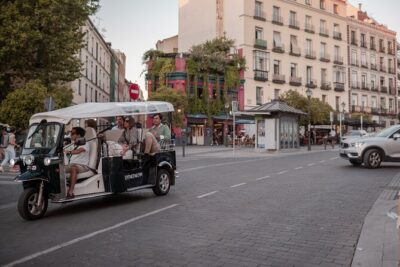 ★ 5.0Madrid Historical Tour with Local Guide in Eco Tuk Tuk PrivateFrom $28876 reviews
 ★ 5.0Madrid Historic Centre Food Tour with Authentic Tapas & WinesFrom $78814 reviews
 ★ 5.0Madrid Historical Walking TourFrom $3721 reviews
 ★ 5.0Madrid in a Day Tour:Royal Palace, Historic Center & Prado MuseumFrom $119628 reviews
 ★ 5.0Madrid Local’s Tapas Tour Dinner with a side of HistoryFrom $114530 reviews
 ★ 5.0Guided Tour of Madrid of the Austrias and the Historic CenterFrom $2520 reviews
Browse the lists this tour appears in