
REVIEW · MADRID WINE TASTING
Ribera del Duero wine region private tour
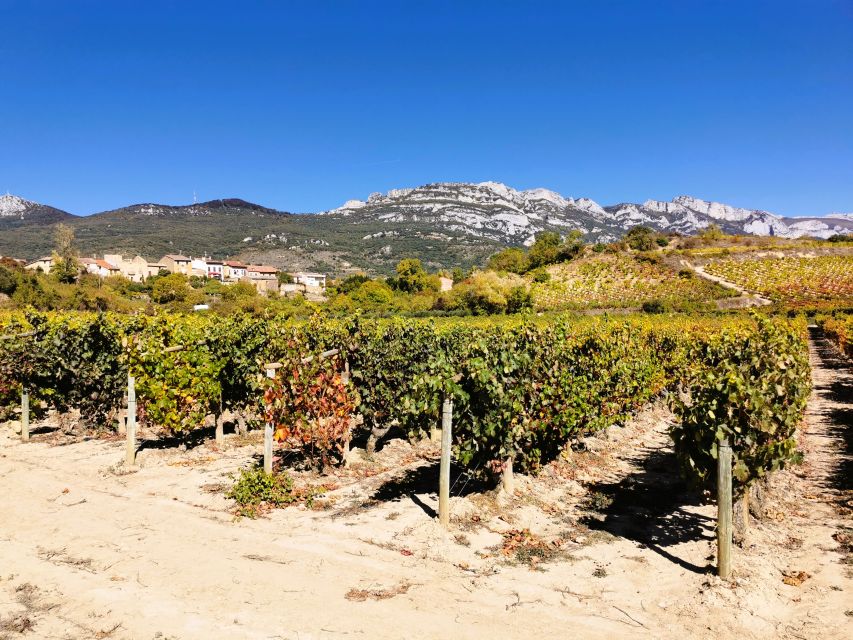
You can taste the region’s personality in one day. This private Ribera del Duero tour pairs subterranean cellar tours with tastings of tempranillo styles from two wineries, plus time for medieval villages and a proper Castilian lunch. I especially like meeting owners and wine makers, and seeing how the same grape changes depending on barrel choices and aging. One possible drawback: the wineries shown in marketing photos may not match what you visit, so it’s worth confirming the exact stops ahead of time.
In total, it runs about 10 hours with hotel pickup and drop-off from Madrid, and it moves fast but not crazy-fast. Expect two 1.5-hour winery blocks, then lunch, then the return drive. If you’re the type who wants lots of time to linger at one cellar, this may feel like a good sprint rather than a slow, dreamy day.
In This Review
- Key things I’d put on your radar
- Ribera del Duero in one day: why tempranillo feels different here
- Price and value: what the $412 per person covers
- Getting from Madrid: a long ride that sets up the day
- Winery stop one: a modern build, vineyards, and barrel education
- Winery stop two: the 16th-century subway cellar and the DO connection
- Tasting tempranillo like a pro: how to read what you’re tasting
- Lunch in a Castilian village: food, cellars, and a big view
- Guide and driver details that actually matter on a wine day
- Who this tour suits best, and who might not
- Should you book the Ribera del Duero private tour?
- FAQ
- FAQ
- How long is the Ribera del Duero private wine tour?
- Where does the tour start and end?
- How many wineries will I visit?
- Are the tastings and winery entrances included?
- Is lunch included?
- What languages are available for the guide?
- Is this tour private?
- What type of wines are featured?
- What should I wear or bring?
- Is transportation included?
- Is there free cancellation?
Key things I’d put on your radar
- Two wineries, two styles: modern techniques first, then a family operation tied to the DO and underground aging.
- Underground cellars (subway-style): you’ll tour the aging spaces and compare how different barrels perform.
- Owner and winemaker access: you’re not just tasting; you’re learning from the people making the wine.
- Barrel comparison taste: you’ll be guided through the American vs. French barrel angle down in the cellar.
- Medieval village time plus views: lunch stops in a quaint Castilian setting with a cellar hill and panorama.
- Private format from Madrid: hotel pickup, transportation, and skip-the-line winery entry so the day stays focused.
One more Ribera or Rioja, close at hand
- Madrid Tapas & Wine Tasting Walking Tour – Small Group Local Bars★ 5.0 · 3,644 reviews
- Toledo Tour & Vineyard Walk with Wine Tasting from Madrid★ 5.0 · 2,546 reviews
- Madrid: Tapas & Wine Tasting Tour with Local Guide★ 4.8 · 2,171 reviews
- Madrid Tapas & Wine Tour with Rooftop Views and Local Guide★ 5.0 · 2,047 reviews
Ribera del Duero in one day: why tempranillo feels different here
Ribera del Duero is one of Spain’s most international wine regions, but the experience never feels like “tourism wine.” The key is tempranillo—the base grape for wines here—and the way the region’s extremes shape it. In a single day, you get a real sense of how winemaking choices change the final glass.
You’ll see that the terroir story is only half the picture. The other half is what happens after fermentation: how long the wine ages, what wood it touches, and what temperature-controlled cellar conditions do to texture and aroma. When you taste at two different wineries back to back, that difference becomes obvious rather than theoretical.
The “one-day” part matters too. If you’ve got limited time in Madrid, this tour gives you a concentrated look at what people mean when they say the region is a Spanish vanguard for global markets.
Price and value: what the $412 per person covers
At $412 per person for a 10-hour private tour, you’re paying for three things: access, translation, and guided time in the cellars. This isn’t just a bus ride with a glass at the end; you get hotel pickup and drop-off, transportation, a bilingual English/Spanish guide, winery entry, tastings, and lunch. Entrance and tastings being included helps you avoid the “nickel and dime” feeling on a day that already runs long.
What’s not included is basically everything not stated. The tour lists no extras like bottled water, wine purchases, or additional drinks beyond the tastings. That’s normal for winery tours, but it helps to plan spending on what you buy, not on what the operator provides.
Also, this is private—so the guide can pace the day around your interests. If you love technical questions about barrels and aging, you’ll likely get more direct answers than you would on a larger group format.
Getting from Madrid: a long ride that sets up the day
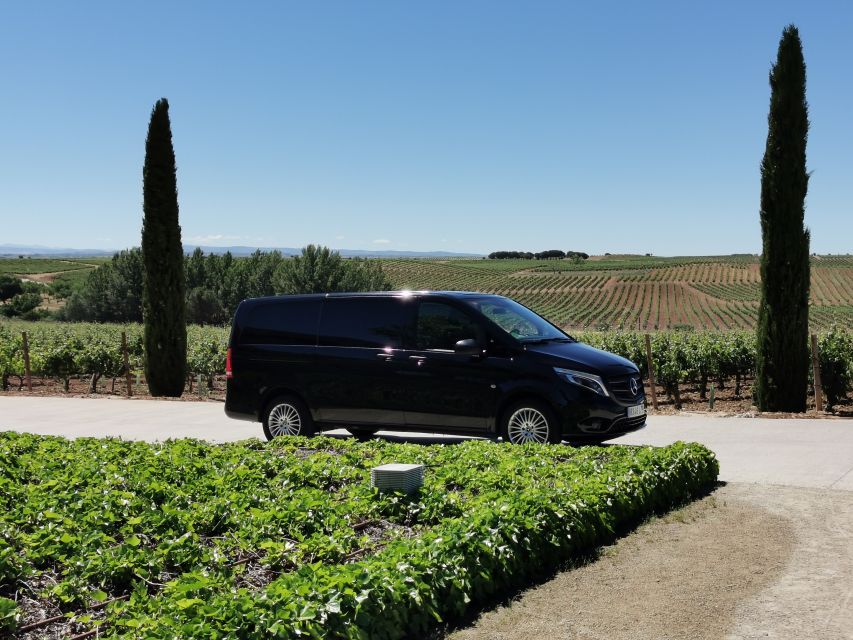
You start with pickup from your hotel in Madrid, then you’re on the van heading to Ribera del Duero. Expect around 105 minutes of driving before the first winery stop, and about 1.5 hours to return after lunch and the second stop.
That timing is part of the value. It gives you enough daylight for village views and enough cellar time to actually focus on the tastings. Bring comfortable clothes and comfortable shoes because you’ll be moving between winery facilities, underground spaces, and the lunch village areas.
One practical tip: use the ride time to decide what you want to compare. For example, you can focus your attention on how fruit shows up, how the wine feels on the palate, and how oak influence reads in American vs. French barrels when you reach the cellar tasting segment.
Winery stop one: a modern build, vineyards, and barrel education
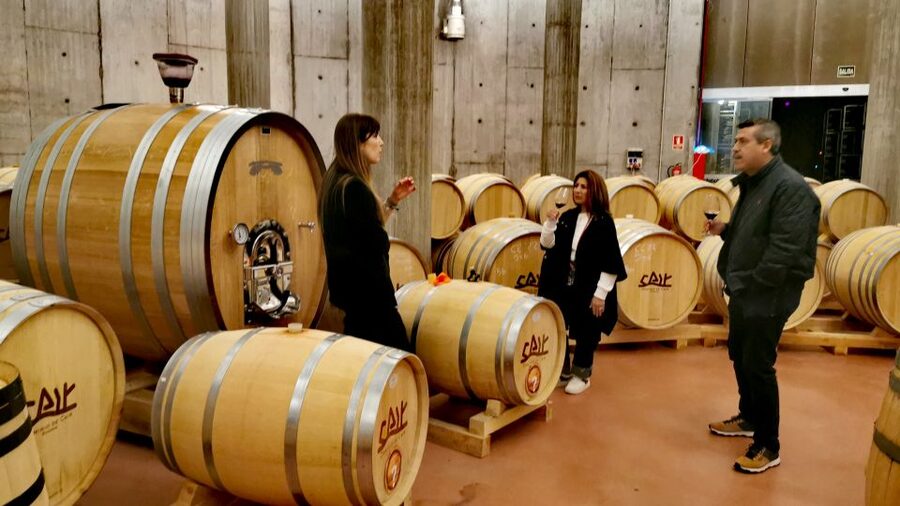
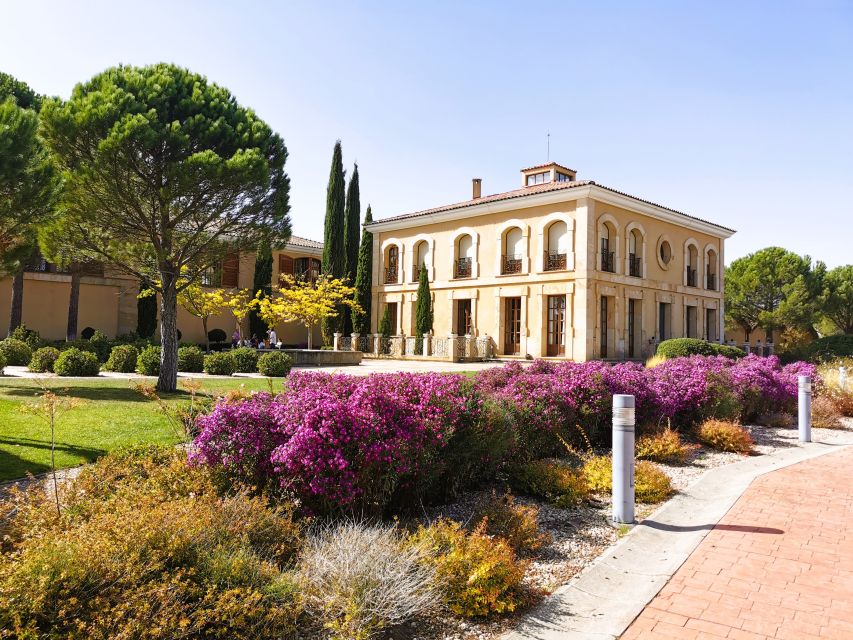
The first winery is a modern operation with an avant-garde building designed to integrate function, beauty, and its place in the territory. In the tour facilities, you learn about grape cultivation in a climate that can be extreme—part of why the wines have such a focused character.
Then comes the winemaking and aging explanation, which is where the day starts clicking. Instead of treating the process as a blur of steps, you’re guided through cultivation choices, winemaking techniques, and the thinking behind aging times. This is the part that helps you read the wine later, because you know what choices create what results.
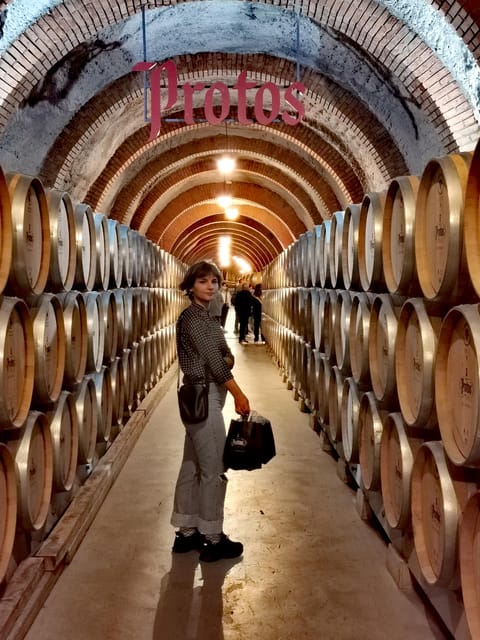
A standout segment is the tasting approach in the subway cellar. You’ll start there with barrel learning, including a tasting connected to American and French barrels, before heading up to a wine bar surrounded by old vineyards. In total, you’ll taste three of the winery’s best wines in that setting—more like “guided tasting” than “pour and go.”
Why this works: it gives you a clear framework. You hear the technical story first, then taste with context, and you do it at a modern winery with facilities meant for learning.
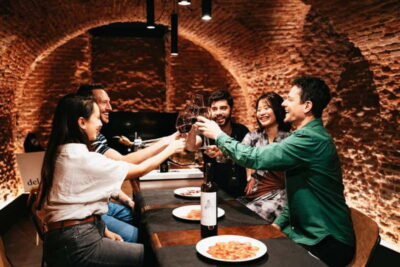
Private and unhurried, just your party



Winery stop two: the 16th-century subway cellar and the DO connection
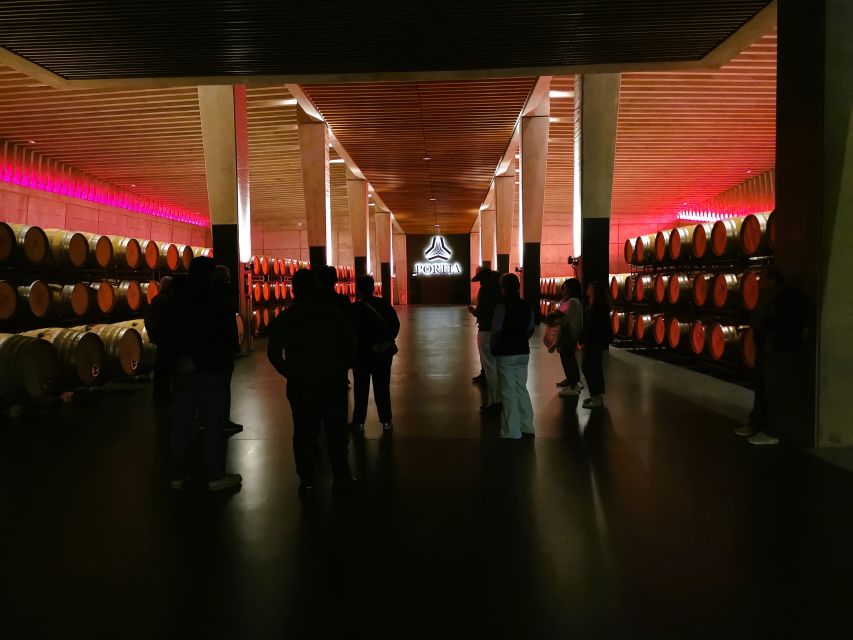
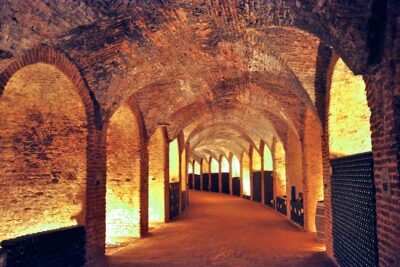
The second stop is the kind of winery visit that makes you understand why people call some places Spanish wine cathedrals. It’s a family winery that helps promote the Ribera del Duero D.O. and it’s tied to the largest subway winery still in production across the region.
Dating back to the 16th century, it’s not just old—it’s working. The owners guide you through the underground world where more than a thousand barrels are aging in ideal conditions. If you like atmosphere, this cellar section delivers, but the real payoff is the clarity: you’ll see how underground storage supports consistent aging and how the cellar environment influences results.
You’ll also experience a different style of hospitality than at the modern winery. The first place can feel like a showroom for contemporary winemaking thinking. The second feels like a heritage engine still turning—where the people running the show explain the process because it’s their livelihood, not just their job.
The tour format keeps it balanced. Even with the “wow” factor of the medieval-era setting and huge cellar capacity, you still get structured tastings tied to how wines are made and aged.
Tasting tempranillo like a pro: how to read what you’re tasting
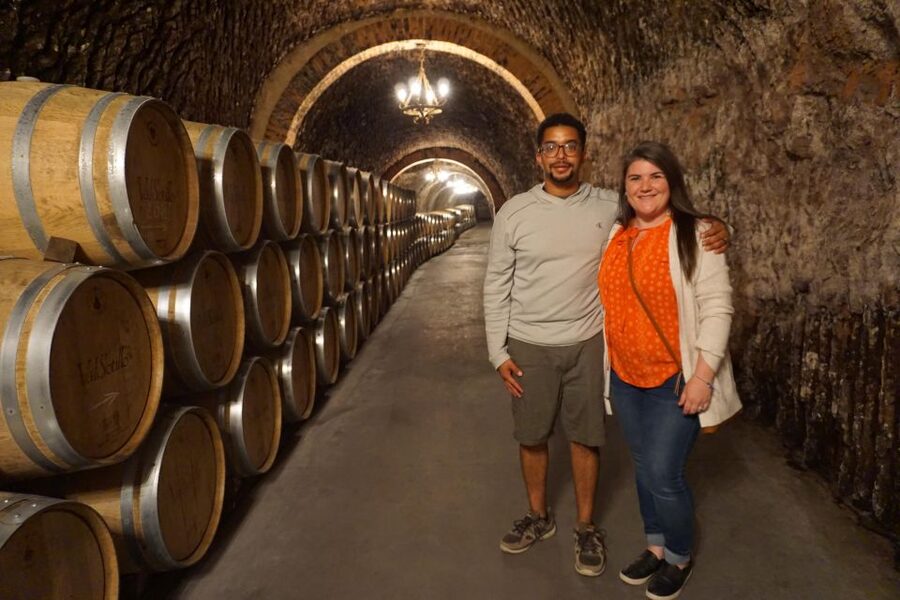
This tour gives you a natural “compare and contrast” test. You taste across different styles of tempranillo made in Ribera del Duero, and you’ll notice the differences faster because the guide ties tastings to process.
Here’s how I’d approach your own tasting notes during the day:
- Start by tracking oak influence: the American vs. French barrel element gives you a built-in reference point.
- Pay attention to body and texture as you move between wineries—aging choices change how wines feel, not just how they smell.
- Watch how fruit and acidity present themselves. In Ribera del Duero, grape character can stay vivid even when wines are structured.
At the modern winery, the tasting after the cellar barrel segment helps you connect wood and time to what reaches your glass. At the family cellar, the underground setting reinforces why conditions matter so much for aging consistency.
If you’re buying wine, this kind of comparison is gold. You can walk away with a better sense of which style you truly enjoy, not just which winery has the nicer building.
Lunch in a Castilian village: food, cellars, and a big view
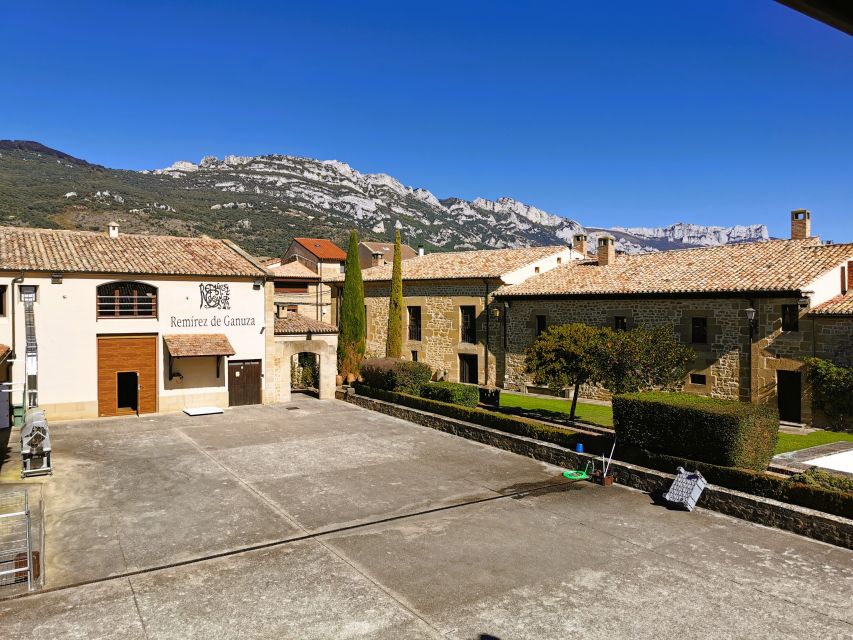
Lunch is built into a 1.5-hour stop at a quaint village, with a wide representation of traditional Castilian gastronomy. This is important because it keeps the day from turning into back-to-back winery facts without a reset.
After lunch, you can explore the wine cellars hill and get a panoramic view of the region. Even if you’re not a “photo every five minutes” person, this view time helps you reorient. You’ll go back to the tastings with a clearer sense of what the region looks like beyond the cellar doors.
Food-wise, you’re not stuck eating the same hotel-style lunch you’ve had elsewhere in Spain. Castilian dishes vary by location, but the structure here is clear: regional food as a bridge between the two winery experiences.
Guide and driver details that actually matter on a wine day
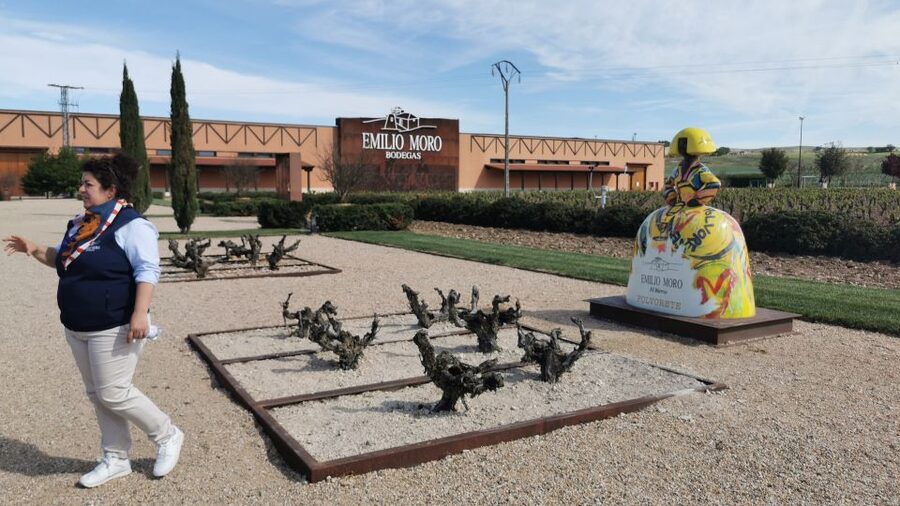
This kind of tour lives or dies on the guide’s pacing and clarity. In my experience with tours like this, the best ones make technical talk usable and keep you from feeling rushed in underground spaces.
You’ll have an expert bilingual guide (English and Spanish), and the human touch is a big part of the day. One driver named Jaime has been praised for excellent attention, which matters when you’re going on a long road trip from Madrid and want smooth pickup and arrival timing.
A guide named Enrique has led tours with strong wine and region knowledge, and that kind of leadership typically shows in the details: the explanations you remember during tastings, and the ability to answer questions without turning it into a lecture.
For you, the practical result is simple. If the guide is good, the tastings feel like learning, not just consuming.
Who this tour suits best, and who might not
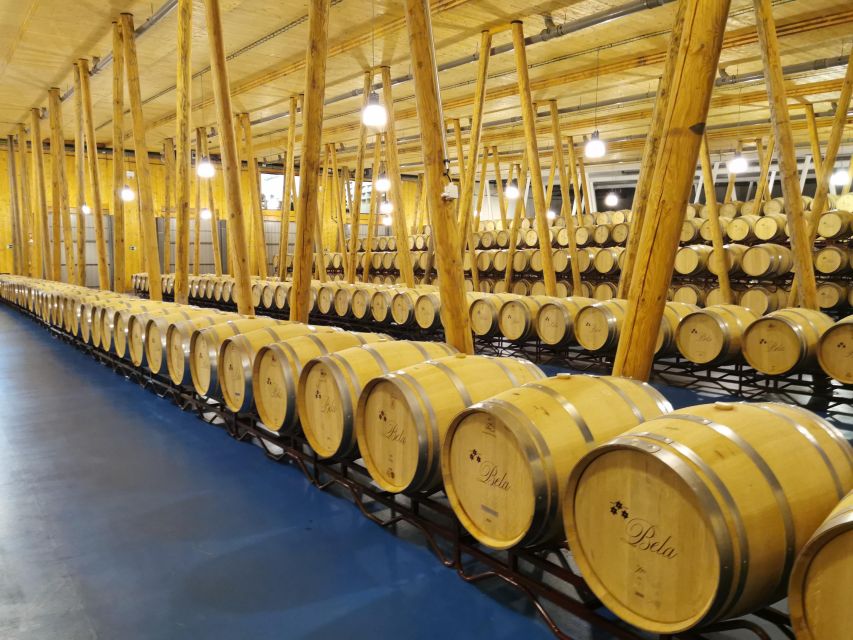
If you want a private day trip that mixes hands-on cellar time with structured tastings, you’ll likely love it. It’s also ideal if you care about tempranillo and want to see how winemaking choices create distinct styles without spending days driving yourself around.
It’s a good fit for couples, families, and small groups who want convenience: hotel pickup, transportation, included lunch, and bilingual guidance. Because it’s private, it’s easier to ask questions and tailor your pace.
Who might not love it: if you’re hoping for lots of downtime or extra free wandering time in one town, the full schedule may feel busy. You’ll also want to manage expectations about which exact wineries you’ll see, since the day is curated around two reputed stops.
Should you book the Ribera del Duero private tour?
I think it’s a strong choice if you want the Ribera del Duero story in a single day with real context. You get two very different wineries, real underground cellar access, and tastings connected to the aging process—plus lunch in a Castilian village and time for views.
Before you book, do one smart thing: confirm the exact winery stops if you’re drawn to specific famous labels. One past guest pointed out that marketing photos didn’t match the visited wineries, and that’s the sort of mismatch that can annoy you if you were coming for a particular brand.
If you’re good with a full day and want value through included transport, tastings, and guided learning, this private tour makes a lot of sense from Madrid. If you’d rather explore at your own pace and chase wineries purely by curiosity, you might prefer a more flexible itinerary.
FAQ
FAQ
How long is the Ribera del Duero private wine tour?
The tour duration is 10 hours.
Where does the tour start and end?
It includes hotel pickup and drop-off in Madrid, and you return to Madrid at the end of the day.
How many wineries will I visit?
You’ll visit two wineries and have tastings at each stop.
Are the tastings and winery entrances included?
Yes. Wineries entrance and tastings are included.
Is lunch included?
Yes. Lunch is included as part of the tour.
What languages are available for the guide?
The live tour guide is available in English and Spanish.
Is this tour private?
Yes, it’s a private group tour.
What type of wines are featured?
The tour focuses on the tempranillo grape variety and tastings of different styles made with it in Ribera del Duero.
What should I wear or bring?
Wear comfortable clothes and comfortable shoes, since you’ll be walking in and around winery facilities and cellars.
Is transportation included?
Yes. Transportation is included as part of the tour.
Is there free cancellation?
The tour offers free cancellation up to 24 hours in advance for a full refund.
More Tour Reviews in Madrid
- Madrid: Tour Bernabéu Entry Ticket
★ 4.5 · 21,573 reviews - Madrid: Prado Museum Entry Ticket
★ 4.6 · 20,699 reviews - Madrid: “Emociones” Live Flamenco Performance
★ 4.8 · 12,866 reviews - Madrid: Panoramic Route City Tour
★ 4.1 · 12,259 reviews - Madrid: Live Flamenco Show with Food and Drinks Options
★ 4.5 · 9,901 reviews - Avila & Segovia Tour with Tickets to Monuments from Madrid
★ 5.0 · 9,762 reviews
Private Days in the Capital
- Madrid: Private City Tour by Eco Tuk Tuk
★ 4.9 · 3,465 reviews - Madrid Welcome Tour with Local Guide in Eco Tuk Tuk Private
★ 5.0 · 2,936 reviews - Madrid Historical Tour with Local Guide in Eco Tuk Tuk Private
★ 5.0 · 876 reviews - Toledo Private Tour with Licensed Guide and Driver from Madrid
★ 5.0 · 637 reviews - Madrid Private Segway tour. Retiro Park – Centro Historico
★ 4.9 · 636 reviews - Madrid Express Tour with Local Guide in Eco Tuk Tuk Private
★ 5.0 · 413 reviews
Spanish Wine, Poured and Explained
- Madrid Tapas & Wine Tasting Walking Tour – Small Group Local Bars
★ 5.0 · 3,644 reviews - Toledo Tour & Vineyard Walk with Wine Tasting from Madrid
★ 5.0 · 2,546 reviews - Madrid: Tapas & Wine Tasting Tour with Local Guide
★ 4.8 · 2,171 reviews - Madrid Tapas & Wine Tour with Rooftop Views and Local Guide
★ 5.0 · 2,047 reviews - Paella Cooking Class in Madrid with Bottomless Wine Pairing
★ 5.0 · 985 reviews - Madrid: Food & Wine Tour with 10 Tapas & 4 Drinks Included
★ 4.9 · 984 reviews
Just Added: New Madrid Tour Reviews




Madrid Wine Tasting, compared.
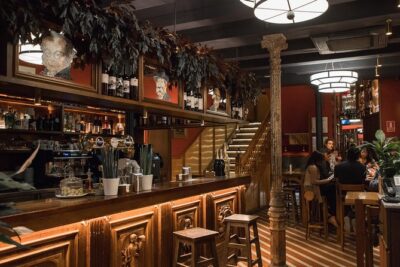 ★ 5.0Madrid Tapas & Wine Tasting Walking Tour – Small Group Local BarsFrom $933,644 reviews
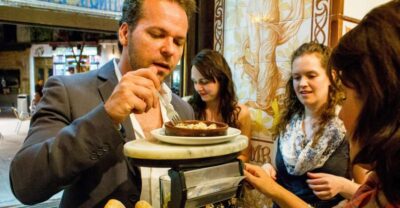 ★ 4.8Tapas & Wine Tasting Tour with Local GuideFrom $912,171 reviews
 ★ 5.0Madrid Tapas & Wine Tour with Rooftop Views and Local GuideFrom $1132,047 reviews
 ★ 5.0Paella Cooking Class in Madrid with Bottomless Wine PairingFrom $143985 reviews
 ★ 4.9Food & Wine Tour with 10 Tapas & 4 Drinks IncludedFrom $82984 reviews
 ★ 4.9Madrid Guided Food Tour with Tapas and Spanish WineFrom $96773 reviews
 ★ 5.0Madrid Countryside Wineries Guided Tour with Wine TastingFrom $175740 reviews
 ★ 4.8Guided Tapas and Wine Tour with Rooftop ViewsFrom $111608 reviews
Browse the lists this tour appears in