
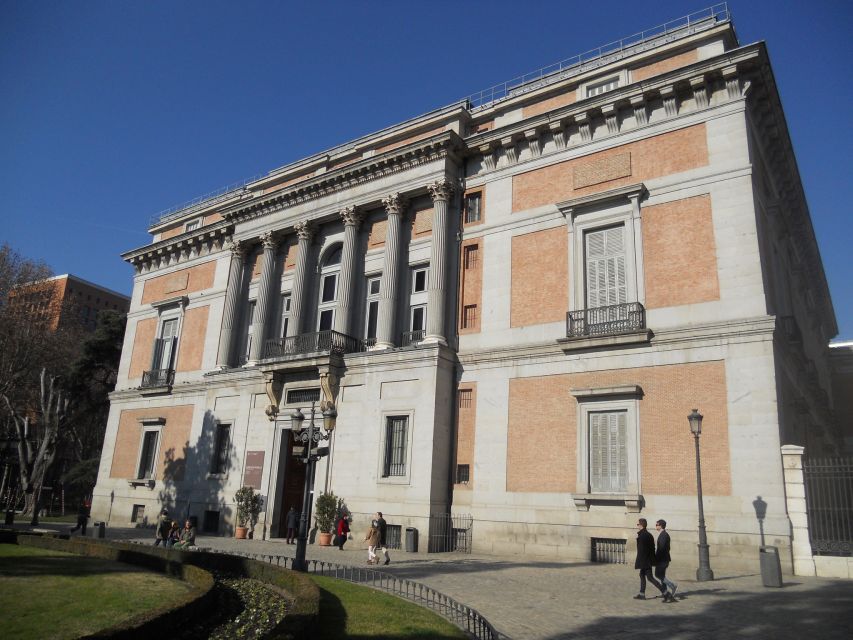
REVIEW · PRADO MUSEUM TOURS
Madrid: Private Tour of the Prado Museum
If you think the Prado is just famous names, think again. This private tour turns Madrid’s art-history timeline into a plan you can actually follow. You start at the Goya Statue, then work through major eras with a personal guide and space to ask questions.
I especially like the way the tour connects styles across time, from the Middle Ages all the way to early 20th-century works. And you’ll notice how strongly the guides shape the visit to your interests, like Javier’s storytelling style or Anne’s structured explanations that even landed well with kids. One consideration: museum entry isn’t included, so your total cost will depend on the ticket prices you pay at the venue.
In This Review
- Key Highlights You’ll Really Feel
- Prado Museum Private Tour: What Makes This Different From a Basic Visit?
- Where the Tour Starts: Goya Statue at the Main Entrance
- Two Hours to Understand Centuries: The Art Timeline You’ll Follow
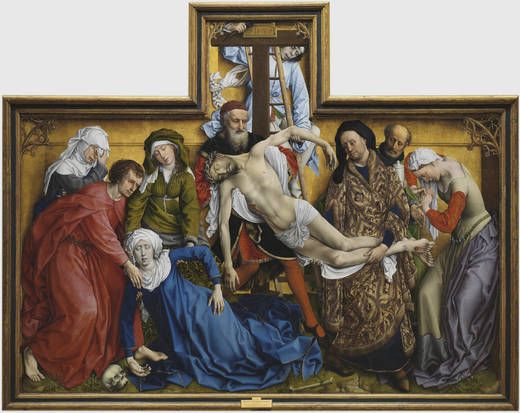
- Middle Ages to Renaissance: Spotting Skill in Van der Weyden and Rafael
- Baroque to Early 1900s: Reading Drama Through Titian, El Greco, and Friends
- How the Guide Turns Questions Into Better Looking
- Price and Value: $171 for Up to Two, Plus Museum Entry
- After the Guided Part: Keep Looking at Your Pace
- Who This Private Tour Is Best For (and Who Might Skip It)
- Final Call: Should You Book This Prado Private Tour?
- FAQ
- FAQ
- Where do we meet for the Prado Museum private tour?
- How long is the private tour?
- Is the tour private?
- What language is the live guide?
- Is museum entry included in the price?
- How much is the museum entry fee?
- Is there free cancellation?
- Is the tour wheelchair accessible?
Key Highlights You’ll Really Feel
- Private group, no other participants for a calmer, more personal pace inside the Prado
- German live guide who explains the big picture of art history, not just facts
- A guided path across eras from the Middle Ages through the Renaissance and Baroque to the start of the 1900s
- Master artists covered in context including Van der Weyden, Rafael, Titian, El Greco, Velázquez, Rubens, Tintoretto, and Goya
- Q&A stays open so the guide can answer your questions as you go
- Praise for guide quality and responsiveness from guides like Javier and Anne, plus help when anything goes off track
Still on Velazquez and Goya? A few more Prado visits
- Madrid: Prado Museum Entry Ticket★ 4.6 · 20,699 reviews
- Madrid: Small Group of Prado Museum Tour & Optional Tapas★ 4.6 · 2,437 reviews
- Madrid: Prado Museum Guided Tour with Skip-the-Line Ticket★ 4.5 · 2,018 reviews
- Madrid: Prado Museum Guided Tour With Fast Access★ 4.8 · 1,785 reviews
Prado Museum Private Tour: What Makes This Different From a Basic Visit?
The Prado Museum is huge, and without a plan, you can end up doing the art-history equivalent of zigzagging across a map without reading it. This private Prado tour is built to prevent that. You get a structured walkthrough of the museum’s major eras, guided by a live person who can connect what you’re seeing to the “why” behind it.
Two things make the experience feel worth it. First, it’s private up to two people, so you’re not sharing your guide’s attention with strangers. Second, the tour focuses on the evolution of painting—how skills and ideas develop over centuries—using major artists as signposts.
Because the tour is only 2 hours, the guide has to choose the most meaningful route. That’s a strength, not a limitation. You come away with a clear sense of how the Prado’s collection hangs together, rather than a list of paintings you barely remember.
Where the Tour Starts: Goya Statue at the Main Entrance
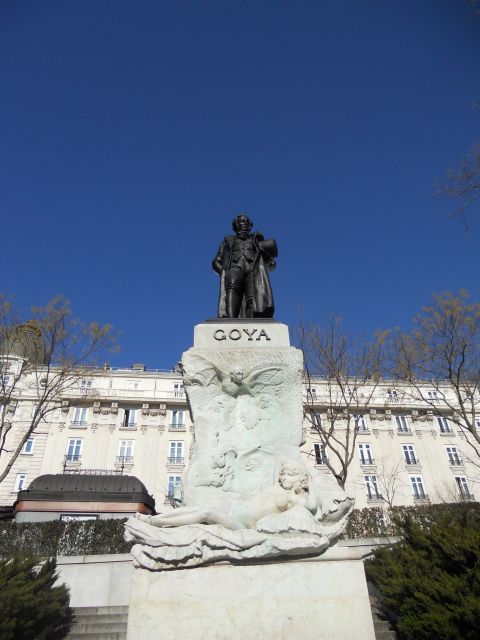
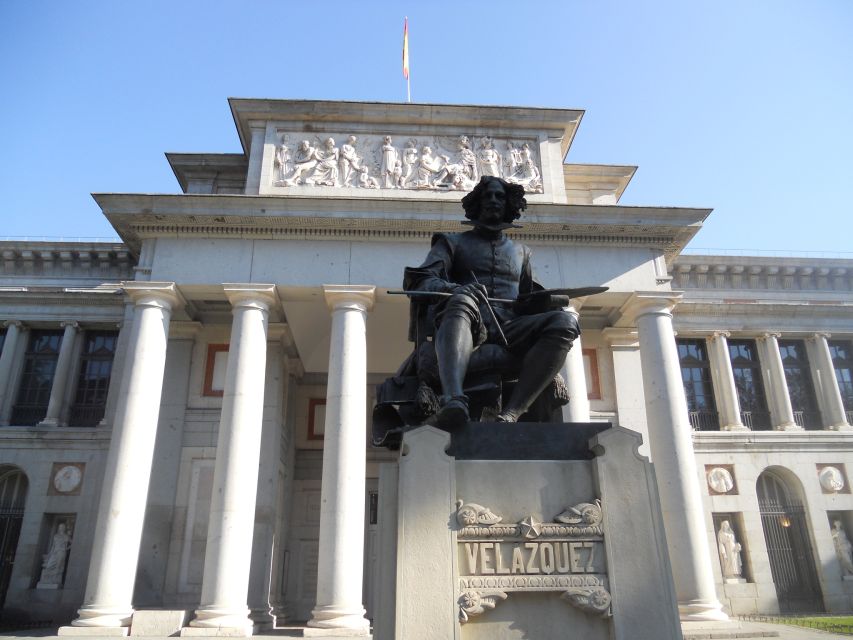
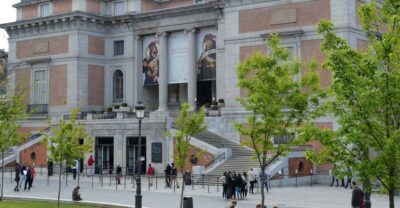
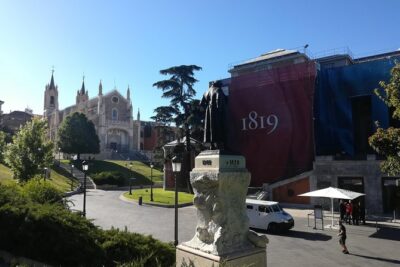
Your meeting point is clear and easy to find once you know what to look for: the Goya Statue in front of the main entrance of the Prado Museum, Paseo del Prado, s/n, 28014.
Why this matters: first-time Prado visits often slow people down before they even enter. A fixed meeting point helps you start moving quickly and reduces the stress of figuring out entrances and security lines. If you’re pairing this with other plans that day, you also have a reliable “anchor” time and location.
Also, the tour is wheelchair accessible, which is useful to know if you want to keep your route predictable and not improvise through crowded museum corridors.
Two Hours to Understand Centuries: The Art Timeline You’ll Follow
The tour is designed as an art-history progression. You won’t just stand in front of a single highlight. You’ll move through the collection’s eras in a sequence that helps your brain organize what you see.
Here’s what the structure aims to cover, in plain terms:
- Early foundations through the Middle Ages
You’ll look at how religious and symbolic painting shaped visual storytelling, including the skills painters used to communicate meaning to viewers who may not have had context like we do today.
- Renaissance developments
Expect focus on technique and composition—how artists made space feel believable and how human-centered detail became more prominent.
- Baroque energy
This is where the Prado starts feeling dramatic: lighting, motion, and emotional expression become more intense as painting style shifts.
- Toward the beginning of the 20th century
You’ll see how ideas keep changing rather than stopping at the “big classic” era. The guide helps you notice what changes in style and mood as time moves forward.
That timeline framing is the real value. It’s what keeps the visit from feeling like random museum rooms.
Middle Ages to Renaissance: Spotting Skill in Van der Weyden and Rafael
In the older sections, your goal isn’t to memorize dates. It’s to notice how painters build meaning. With the guidance of the tour, you’ll be looking for the craft behind the look.
This part of the tour includes artists tied to those transitions, such as Van der Weyden and Rafael. What you’ll likely get from a good guide here is a way to see details that you might otherwise gloss over:
- How faces, hands, and gestures communicate emotion
- How composition leads your eye
- How painting techniques support the story
The best moment in this era is when a guide explains something you can then test immediately with your own eyes. One person describing the experience said that the guide turned dry material into a chain of interesting stories. That’s exactly what you want at the start: you want your brain switched on before the museum’s scale overwhelms you.
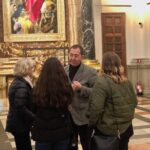
Private and unhurried, just your party




Baroque to Early 1900s: Reading Drama Through Titian, El Greco, and Friends
As the tour moves forward, the Prado starts to feel more cinematic. In the Baroque stretch, painting becomes about impact—light, texture, and emotion working together.
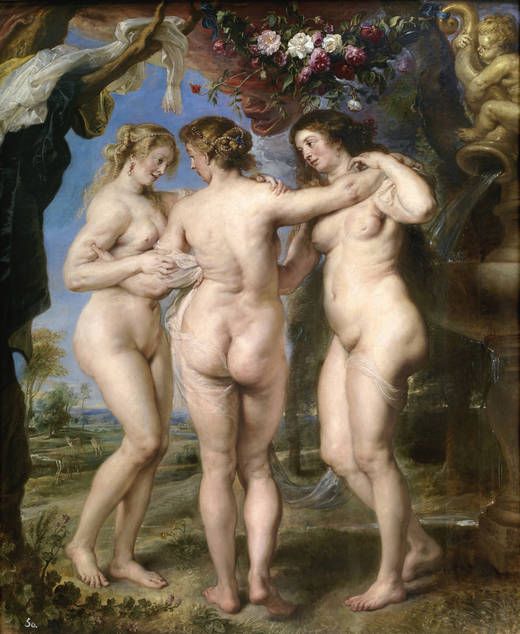
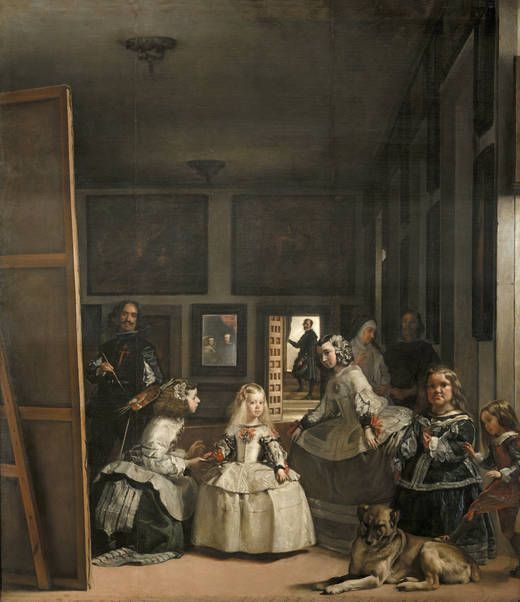
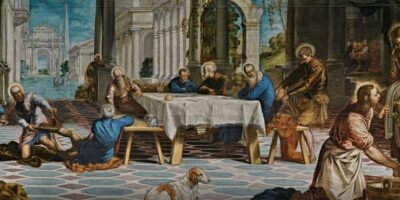
This tour’s artist lineup supports that shift. You’ll encounter big names such as Titian, El Greco, Velázquez, and Rubens, plus Tintoretto. The guide’s job is to help you see differences between their approaches, not just admire them as famous labels.
Here are a few ways you’ll benefit from hearing explanations in this section:
- You’ll understand why certain works feel intense or theatrical
- You’ll get cues for what to look for when the painting style changes
- You’ll recognize technique choices instead of just thinking the painting is good
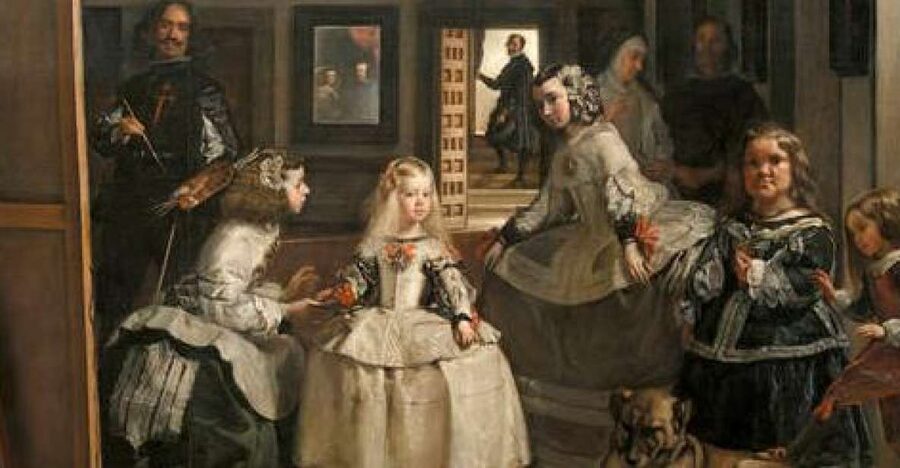
And because the tour also includes Goya, you get a chance to see how the later tradition can feel sharper and more personal. By the time you reach works near the early 20th century, you’re not staring at art like it’s in a different universe. You’re comparing how the language of art changes as society and taste shift.
How the Guide Turns Questions Into Better Looking
This is where the Prado private tour really justifies itself. A public museum visit can make questions feel like a disruption. In a private setting, your questions become part of the experience.
The tour description is very explicit about this: you don’t have to guess what to ask, and your guide aims to keep requests and questions from going unanswered.
And the reviews give you a strong clue about what that looks like in practice. Guides such as Javier are described as funny and informative, with clear stories for each painting. Anne is praised for strong direction through the eras and for adapting to the interests of the group, including working well with two kids.
You also get a hint of service quality from comments about quick responses if there’s a problem. That matters more than people think. Museums can be unpredictable—timing slips happen, signage is confusing, and lines change. Having a team that reacts fast can save your day.
One more detail worth noting: even though the tour is listed as 2 hours, some groups report it can run a bit longer when the guide stays engaged and questions keep coming. That’s a sign you’re not being rushed out the door.
Price and Value: $171 for Up to Two, Plus Museum Entry
Let’s talk money in a way that helps you decide.
The tour price is $171 per group up to 2 for 2 hours. That’s the cost of the private guide and the guided experience.
Museum entry is not included, and the ticket price depends on the category:
- For groups of 1–6: Adults pay EUR 15, seniors over 64 pay EUR 7.50, and students up to 25 are free.
- For groups of 7–15: it’s EUR 15.50 per person plus EUR 1 for head phones (with head phones required by museum guidelines).
Even though you’re booking a private group, the entry details matter because they affect your total. For most couples or two-person friend pairs, your real “all-in” cost will be the tour price plus two individual tickets from the category that fits you.
So is it good value? In my view, it’s a smart buy if you fall into at least one of these buckets:
- You want art explanations in real time, not a self-guided app scramble
- You’re spending limited time in Madrid and want the biggest payoff per hour
- You want a calmer experience than a crowded group tour
- You care about art history getting connected into a story
If you’re the type who loves wandering and picking your own pace from room to room, you might decide the paid guide isn’t necessary. But if you want your eyes guided toward the most meaningful relationships between eras, the private format is where the value shows up.
After the Guided Part: Keep Looking at Your Pace
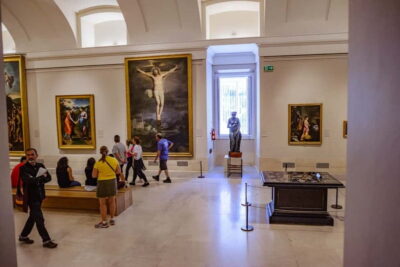
The tour doesn’t end with you feeling locked into a route. After your guided time, you can continue looking at the paintings and rooms that interest you at your own pace.
This is important because the Prado is the kind of museum where personal taste matters. One person might want more time around the Spanish tradition of painters like Goya and Velázquez. Another might get pulled toward Renaissance and Baroque compositions. When the tour gives you a timeline, you can then choose what to revisit with better context.
Think of the guide time as your orientation. Then you get to be the driver.
Who This Private Tour Is Best For (and Who Might Skip It)
This is a strong fit if:
- You want a German guided experience with a live person
- You prefer private attention and a flexible pace
- You like the idea of learning art history from Middle Ages through Renaissance and Baroque to early 20th century
- You travel with kids who benefit from a guide that can explain without talking down
It’s also a decent match if mobility is a concern, since the activity is listed as wheelchair accessible.
You might skip it if:
- You plan to spend most of your Prado time self-guided and already know what you want to see
- You’re not interested in era-by-era context and just want casual viewing
- You’re trying to minimize costs to the bare minimum, since museum entry adds extra fees
Final Call: Should You Book This Prado Private Tour?
If you’re aiming for a Prado visit that feels organized, human, and satisfying, I’d book this. The private format (just you and your guide), the German live guidance, and the art-history path through major eras help you see more than you would on your own—without turning the museum into homework.
I’d especially recommend it to couples, small groups of two, and anyone who wants to understand why paintings look the way they do, not just who painted them. The only real drawback is the extra step of paying museum entry at the venue, so check your ticket category and budget for it.
FAQ
FAQ
Where do we meet for the Prado Museum private tour?
You meet at the Goya Statue in front of the main entrance of the Prado Museum, Paseo del Prado, s/n, 28014.
How long is the private tour?
The tour lasts 2 hours.
Is the tour private?
Yes. It’s a private group with no other participants.
What language is the live guide?
The live tour guide speaks German.
Is museum entry included in the price?
No. Museum entry fee is not included and is paid at the venue.
How much is the museum entry fee?
For groups of 1–6 participants: Adults pay EUR 15, seniors over 64 pay EUR 7.50, and students up to 25 are free. For groups of 7–15 participants: EUR 15.50 per person plus EUR 1 for head phones.
Is there free cancellation?
Yes. You can cancel up to 24 hours in advance for a full refund.
Is the tour wheelchair accessible?
The tour is listed as wheelchair accessible.
More Tour Reviews in Madrid
- Madrid: Tour Bernabéu Entry Ticket
★ 4.5 · 21,573 reviews - Madrid: Prado Museum Entry Ticket
★ 4.6 · 20,699 reviews - Madrid: “Emociones” Live Flamenco Performance
★ 4.8 · 12,866 reviews - Madrid: Panoramic Route City Tour
★ 4.1 · 12,259 reviews - Madrid: Live Flamenco Show with Food and Drinks Options
★ 4.5 · 9,901 reviews - Avila & Segovia Tour with Tickets to Monuments from Madrid
★ 5.0 · 9,762 reviews
Private Days in the Capital
- Madrid: Private City Tour by Eco Tuk Tuk
★ 4.9 · 3,465 reviews - Madrid Welcome Tour with Local Guide in Eco Tuk Tuk Private
★ 5.0 · 2,936 reviews - Madrid Historical Tour with Local Guide in Eco Tuk Tuk Private
★ 5.0 · 876 reviews - Toledo Private Tour with Licensed Guide and Driver from Madrid
★ 5.0 · 637 reviews - Madrid Private Segway tour. Retiro Park – Centro Historico
★ 4.9 · 636 reviews - Madrid Express Tour with Local Guide in Eco Tuk Tuk Private
★ 5.0 · 413 reviews
Inside the Prado: More to See
- Madrid: Prado Museum Entry Ticket
★ 4.6 · 20,699 reviews - Madrid: Small Group of Prado Museum Tour & Optional Tapas
★ 4.6 · 2,437 reviews - Madrid: Prado Museum Guided Tour with Skip-the-Line Ticket
★ 4.5 · 2,018 reviews - Madrid: Prado Museum Guided Tour With Fast Access
★ 4.8 · 1,785 reviews - Prado Museum Small Group Tour with Skip the Line Ticket
★ 5.0 · 1,738 reviews - Royal Palace & Prado Museum Skip the Line Guided Tour
★ 4.5 · 1,347 reviews
Just Added: New Madrid Tour Reviews




Prado Museum Tours, compared.
 ★ 4.6Prado Museum Entry TicketFrom $2120,699 reviews
 ★ 4.6Small Group of Prado Museum Tour & Optional TapasFrom $532,437 reviews
 ★ 4.5Prado Museum Guided Tour with Skip-the-Line TicketFrom $462,018 reviews
 ★ 4.8Prado Museum Guided Tour With Fast AccessFrom $281,785 reviews
 ★ 5.0Prado Museum Small Group Tour with Skip the Line TicketFrom $541,738 reviews
 ★ 4.5Royal Palace & Prado Museum Skip the Line Guided TourFrom $821,347 reviews
 ★ 3.6Prado Museum Ticket with In-App Audio GuideFrom $351,154 reviews
 ★ 4.5Prado Museum Guided Tour with Skip-the-Line TicketFrom $451,146 reviews
Browse the lists this tour appears in