
Pedal Madrid for 150 minutes and it clicks. This guided bike or e-bike tour turns big sights into an easy, moving day, with photo stops and stories as you roll through central neighborhoods. I especially like how the ride format helps you cover a lot without getting stuck pacing a long walking loop.
Two things I’d highlight: you’ll get real local guidance (English and other languages available, and guides like David and Pablo come through clearly in the feedback), and you get frequent chances to stop for photos instead of just riding past. The main thing to consider is that Madrid traffic can feel intense, and the tour isn’t for people who can’t ride a bike or who feel shaky around shared roads.
In This Review
- Key Highlights You’ll Actually Feel During the Ride
- A 2.5-Hour Madrid Loop Built for Your Legs (and Your Camera)
- Where to Meet: Carrera de San Francisco 7 (La Latina Area)
- The First Minutes Matter: Safety Briefing and Getting Comfortable
- Plaza Mayor and Pontejos Plaza: Madrid’s Big-Stage Squares on Two Wheels
- A Scenic Route Stop: Views You Can Actually Enjoy
- Plaza Cánovas del Castillo to Museo del Prado: Art Area Without the Museum-Day Pressure
- Atocha Madrid and El Retiro Park: City Life Meets Green Space
- Puerta de Alcalá, Cibeles Fountain, and Plaza de España: Monument Views in Motion
- Plaza de Oriente to the Royal Palace Area: The Grand Finale Zone
- Classic Bike vs E-Bike: How to Pick Without Regret
- How Hard Is It Really? Hills, Bike Lanes, and Traffic Reality
- What You Get for $27 (and What You Still Need to Plan)
- Who This Tour Suits Best
- Should You Book This Madrid Bike or E-Bike Tour?
- FAQ
- How long is the bike or e-bike tour?
- Can I choose between a regular bike and an e-bike?
- Where does the tour start?
- Is a live guide included?
- What’s included in the price?
- Is food included?
- Do I need to be able to ride a bike?
Key Highlights You’ll Actually Feel During the Ride
- Choose your effort level: classic bike or e-bike depending on how you want to handle Madrid’s hills
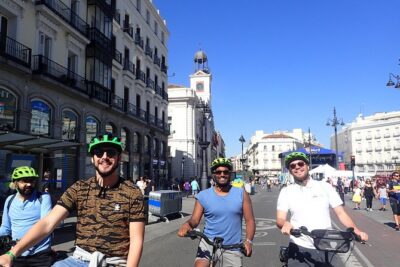
- Major stops with photo time: places like Plaza Mayor, Puerta del Sol, Puerta de Alcalá, and the Royal Palace area
- Guide-led storytelling, not just sightseeing: quick history + what to look for, with a safety-first start
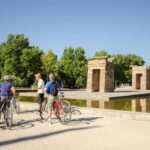
- El Retiro with a pause in the schedule: plus smart reroutes if conditions change (like a shift to Templo de Debod when needed)
- Good value for 150 minutes: the bike/e-bike, water, and guide are included at a low per-person price
Two wheels through Madrid, more to ride
- Madrid Highlights Bike Tour★ 5.0 · 1,731 reviews
- Best of Madrid: 3-Hour Guided Bike Tour in Small Groups★ 4.8 · 1,417 reviews
- Madrid: City Highlights Guided Vintage Bike Tour★ 4.9 · 1,159 reviews
- Madrid: 3 hour Guided Highlights Bike Tour with Optional Tapas★ 5.0 · 443 reviews
A 2.5-Hour Madrid Loop Built for Your Legs (and Your Camera)
This is one of those tours that makes Madrid feel organized. In 150 minutes, you get a smooth route connecting the city’s power spots—squares, monuments, and the big park—without spending your whole day walking. Instead of sprinting from one landmark to the next, you’ll follow a paced plan with stops built in, which is ideal if you’re only in town for a day or two.
I like that the tour is designed around movement, not just checklists. Bike travel makes it easier to grasp how Madrid flows: you’ll feel the distance between plazas, see how architecture changes from street to street, and get a better sense of where districts sit in relation to each other.
If you want photos, it’s a good match too. Multiple planned stops mean you’re not always hopping off and on. You can frame shots properly, and your guide can point out what makes each place worth your attention.
Where to Meet: Carrera de San Francisco 7 (La Latina Area)
Meeting point clarity matters on bike tours, and this one is straightforward. You’ll start at Carrera de San Francisco 7, near La Latina metro. From Plaza de la Cebada, walk about 2 minutes uphill. Look for the bikes outside, and check the left side of the building.
Plan to arrive a few minutes early so you can get your helmet and settle in. Even if you’re comfortable on a bike, it’s smart to let the group start together—especially in city traffic where timing and spacing help everyone.
The First Minutes Matter: Safety Briefing and Getting Comfortable
Right at the start, you’ll get a safety briefing and then a guided ride setup. The goal is simple: make sure you can pedal confidently and understand how the group moves together. You should be able to ride a bike—this isn’t a learn-to-ride experience.
From the feedback, guides often spend time making sure riders feel comfortable with the bike before rolling out. That matters because Madrid is not a quiet suburb. You’ll be sharing streets, and your comfort level improves a lot if you feel steady on the bike first.
If you’re nervous: consider choosing the e-bike option even if you can ride a regular bike. It can be the difference between enjoying traffic and white-knuckling your way through hills.
Plaza Mayor and Pontejos Plaza: Madrid’s Big-Stage Squares on Two Wheels
After you get rolling, you land in the heart of Madrid fast. Plaza Mayor is one of the city’s classic “stop-and-look” spaces—wide, dramatic, and instantly recognizable. From the bike, you can view the square from a distance and then tighten in for photos when the group pauses.
What I like here is the orientation factor. Plaza Mayor teaches you the rhythm of central Madrid: how streets funnel toward the square, where people gather, and why this area became a focal point in the city’s life.
Then you continue toward Pontejos Plaza for another photo stop. It’s the kind of break that helps you reset your brain—less about monuments, more about atmosphere. You’ll see Madrid as a lived-in city, not just a backdrop.
More of Madrid on two wheels
A Scenic Route Stop: Views You Can Actually Enjoy
Between major landmarks, the tour includes a stop that functions like a breather: a scenic photo stop with views along the way. This is a smart design choice because it stops the day from turning into constant high-alert sightseeing.
On a bike, you can feel more of the city’s scale than on foot. That scenic stop lets you use that advantage: take a breath, look around, and connect the dots between what you’ve seen and where you’re heading next.
If you’re traveling with someone who gets impatient with museums, this kind of pause usually works well. It’s sightseeing without the standing in line energy.
Plaza Cánovas del Castillo to Museo del Prado: Art Area Without the Museum-Day Pressure
Next up is Plaza Cánovas del Castillo, another important point on the central circuit. From there, the route takes you to the area of Museo del Prado. Even if you don’t go inside, riding by helps you grasp why this district is so central to Madrid’s identity.
I like how this part of the tour changes the mood. You’re moving from grand public squares toward an area known for world-class culture. From street level, you get the scale of the museum neighborhood and the way pedestrian-friendly routes connect to bigger roads.
A quick note on expectations: this tour is about seeing and learning from outside. It’s a good way to decide later whether you want a museum day on your own schedule.
Atocha Madrid and El Retiro Park: City Life Meets Green Space
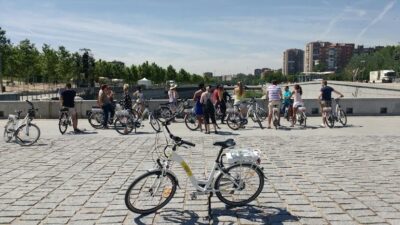
You’ll pass by Atocha Madrid and then reach Retiro Park, which is where the pace lightens. Retiro is Madrid’s big green release valve. When you arrive, you’ll get a photo stop and some free time to enjoy the park at your own speed.
This is a highlight because it breaks the “monument sprint.” On a bike tour, a park pause feels like a reward, and it gives you a chance to stretch, wander, and take in quieter scenery without planning extra transit.
One extra detail from real-world experiences: if conditions change—like if Retiro is unexpectedly closed—your guide may pivot to another landmark (one guide, David, shifted the plan to Templo de Debod when needed). So you’re not likely to end up with dead time; the best guides keep the day moving with smart alternatives.
Puerta de Alcalá, Cibeles Fountain, and Plaza de España: Monument Views in Motion
After Retiro, the route heads back into the “big view” zone. Puerta de Alcala is an instant photo moment, and being on a bike gives you a helpful sense of perspective—how wide the roads are, how the surrounding streets frame the monument, and where the best angles tend to be.
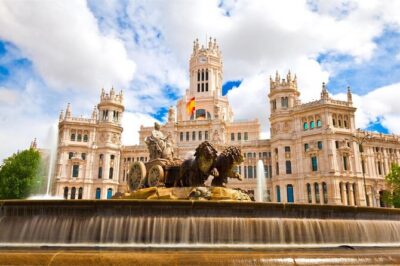
Then you roll toward Cibeles Fountain. It’s one of those places where architecture and urban planning show off at the same time. When the group pauses here, you’ll get both photo chances and guide context about why it sits where it does.
Next comes Plaza de España, another key stop for city scale. It helps you see Madrid’s layout as a set of linked stages, not random dots on a map. Even if you’ve studied Madrid on your phone beforehand, seeing these spaces in sequence makes it stick.
Plaza de Oriente to the Royal Palace Area: The Grand Finale Zone
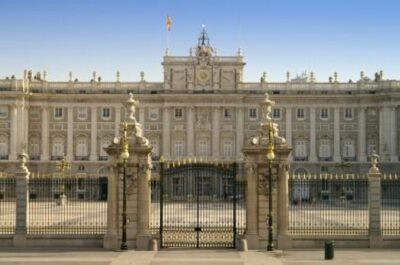
Near the end, you reach Plaza de Oriente and then the Royal Palace of Madrid area. This part feels like a payoff because you’ve built up the central city story piece by piece. By the time you arrive, the palace zone doesn’t feel random—it feels like the destination it’s meant to be.
Photo stops here matter. The streets, the facades, and the sightlines are all part of why the Royal Palace area is so iconic. Riding in and then pausing lets you get the proper angles without spending the whole day just standing around.
This is also where the day’s pacing works in your favor. You start earlier with heavier navigation, and by the time you hit the palace area you’re more confident with the route and the group flow.
Classic Bike vs E-Bike: How to Pick Without Regret
You can choose a regular bike or an electric bike, and that choice is more important in Madrid than in some flatter cities. Hills are real here. Even riders who are strong on bikes may feel it if they’re not used to repeated climbs.
If you want the easiest day with the least fatigue—especially if you’ve already walked a lot that morning—pick the e-bike. The motor doesn’t remove the joy of cycling, but it does smooth out the hard parts so you can focus on the sights and the guide’s stories.
If you’re fit and you enjoy the physical element, the classic bike can be a fun, traditional way to ride. Just be honest with yourself about your endurance and your comfort around traffic.
Either way, you should be ready to ride as part of a group. This tour is for people who enjoy the bike rhythm.
How Hard Is It Really? Hills, Bike Lanes, and Traffic Reality
Madrid can be busy. That’s not a deal-breaker, but it is something to understand before you book. You’ll navigate through streets with cars nearby and around people. A good guide makes a difference: keeping spacing, choosing when to slow down, and making sure the group obeys road rules.
From feedback, the tour often benefits from bike lanes and a clear safety start, and guides frequently make sure riders feel comfortable. That said, there have been days where conditions felt more intense—like riding during a festival period or when group logistics made things slower.
So here’s my practical advice: if you’re a nervous rider, the e-bike option plus a calm attitude goes a long way. If you’re comfortable riding in city traffic at a steady pace, you’ll likely find the day exhilarating rather than stressful.
What You Get for $27 (and What You Still Need to Plan)
At around $27 per person for 150 minutes, this is strong value for what’s included. You’re paying for a live guide, a bike or e-bike, water, and luggage storage. The tour also notes helmets and child seats available on request, which is useful if you’re traveling with family.
The big “not included” item is food. Since this is a 2.5-hour ride, you’ll want to plan a proper meal before or after. If you’re doing this between sightseeing days, consider grabbing a snack near the start area and then treating lunch later like a reward.
Also bring the small stuff that keeps the day pleasant: sunscreen, a camera, and comfortable clothes. The tour includes water, but it’s still smart to hydrate like you would for any active afternoon.
Who This Tour Suits Best
This is a great fit if you want:
- A fast, guided way to see central Madrid landmarks in a short window
- A mix of big squares, major monuments, and a real park break
- A ride with enough stops for photos and learning, not just transportation
It’s not the right choice if:
- You can’t ride a bike
- You’re extremely uncomfortable around cars and shared city streets
- You’re looking for a pure museum day (this is mainly outside sightseeing)
For couples, first-timers, and people who don’t want to plan routes themselves, the structure is exactly the kind of help that makes Madrid easier.
Should You Book This Madrid Bike or E-Bike Tour?
I’d book it if you want a guided route that covers the “Madrid highlights” quickly, especially with the e-bike option to handle hills. The included water, luggage storage, and guided photo stops make it feel efficient for the price.
I’d think twice if you’re a timid rider or you hate road traffic. In that case, choose the classic bike only if you already feel confident on city streets. Also consider timing your tour to avoid peak festival chaos when you can.
If you value flexibility, you’ll also appreciate that guides can adjust when park conditions change, rather than leaving you stuck.
If you want one simple answer: book this if you’re craving movement, stories, and photos without burning the day on transit or long walking routes.
FAQ
How long is the bike or e-bike tour?
The tour lasts 150 minutes, which is about 2.5 hours.
Can I choose between a regular bike and an e-bike?
Yes. You can choose a classic bike or an electric bike depending on the option selected.
Where does the tour start?
The meeting point is Carrera de San Francisco, 7, near La Latina metro. Walk about 2 minutes uphill from Plaza de la Cebada and look for bikes outside on the left side.
Is a live guide included?
Yes. The tour includes a live tour guide.
What’s included in the price?
Included items are the live guide, a regular or electric bike (based on your choice), child seats and helmets on request, luggage storage, and a bottle of water.
Is food included?
No. Food is not included.
Do I need to be able to ride a bike?
Yes. The tour is not suitable for people who can’t ride a bike, and participants should be able to ride.
More Tours in Madrid
- Madrid: Tour Bernabéu Entry Ticket
★ 4.5 · 21,573 reviews - Madrid: Panoramic Route City Tour
★ 4.1 · 12,259 reviews - Avila & Segovia Tour with Tickets to Monuments from Madrid
★ 5.0 · 9,762 reviews - Madrid: Royal Palace Expert Guided Tour with Skip-the-Line
★ 4.7 · 8,407 reviews - Madrid: Segovia and Toledo Tour, Alcazar, and Cathedral
★ 4.7 · 7,797 reviews - Toledo Tour from Madrid: Cathedral, Synagogue & St. Tome’s Church
★ 5.0 · 6,784 reviews
More Tour Reviews in Madrid
- Madrid: Tour Bernabéu Entry Ticket
★ 4.5 · 21,573 reviews - Madrid: Prado Museum Entry Ticket
★ 4.6 · 20,699 reviews - Madrid: “Emociones” Live Flamenco Performance
★ 4.8 · 12,866 reviews - Madrid: Panoramic Route City Tour
★ 4.1 · 12,259 reviews - Madrid: Live Flamenco Show with Food and Drinks Options
★ 4.5 · 9,901 reviews - Avila & Segovia Tour with Tickets to Monuments from Madrid
★ 5.0 · 9,762 reviews
Ride Madrid on Two Wheels
- Madrid Highlights Bike Tour
★ 5.0 · 1,731 reviews - Best of Madrid: 3-Hour Guided Bike Tour in Small Groups
★ 4.8 · 1,417 reviews - Madrid: City Highlights Guided Vintage Bike Tour
★ 4.9 · 1,159 reviews - Madrid: 3 hour Guided Highlights Bike Tour with Optional Tapas
★ 5.0 · 443 reviews - Madrid City Guided Bike/E-Bike Tour for Small Groups
★ 4.8 · 308 reviews - Madrid: City Highlights Guided Vintage Bike Tour
★ 5.0 · 283 reviews
Just Added: New Madrid Tour Reviews



Madrid Bike Tours, compared.
 ★ 5.0Madrid Highlights Bike TourFrom $331,731 reviews
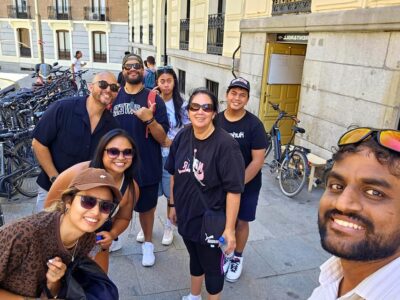 ★ 4.8Best of Madrid: 3-Hour Guided Bike Tour in Small GroupsFrom $331,417 reviews
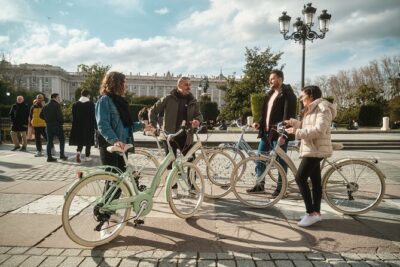 ★ 4.9City Highlights Guided Vintage Bike TourFrom $341,159 reviews
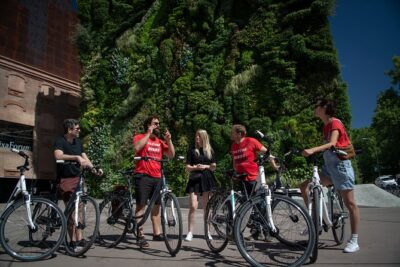 ★ 5.03 hour Guided Highlights Bike Tour with Optional TapasFrom $35443 reviews
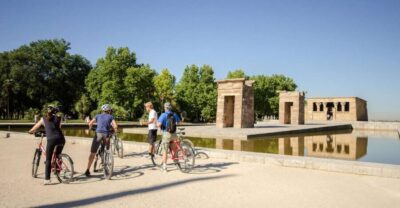 ★ 4.8Madrid City Guided Bike/E-Bike Tour for Small GroupsFrom $41308 reviews
★ 5.0City Highlights Guided Vintage Bike TourFrom $33283 reviews
★ 4.8Madrid City Guided Bike/E-Bike Tour for Small GroupsFrom $41308 reviews
★ 5.0City Highlights Guided Vintage Bike TourFrom $33283 reviews
 ★ 4.63-Hour Sightseeing Tour by Electric BikeFrom $53192 reviews
 ★ 5.0Madrid E-Bike Small Group TourFrom $49155 reviews
Browse the lists this tour appears in