
Paella stops being a mystery here. I loved the hands-on coaching from chef Isaac that helps you get the rice and sofrito right, and I loved learning to balance sangria flavors from scratch. The only catch: it’s active cooking time, so expect to stand and stir for the full 2.5 hours.
In La Latina at Calle Don Pedro 20, the kitchen feels like part of the experience, and the group is capped at 6 so you actually get attention. You’ll leave with a digital recipe book and photos from the chef, which makes repeating it at home much easier.
In This Review
- Key things to know before you cook
- Paella and sangria in Madrid’s La Latina kitchen
- Meeting point: Calle Don Pedro 20, and chef Isaac at the door
- Before you cook: ingredient origins and technique, not just names
- Cooking your paella: your station, your choices, real correction
- Sangria from scratch: how to balance flavors like a chef
- The mini creative challenge: surprise the chef with your twist
- Tasting what you made: paella, sangria, and the part you’ll remember
- Small group energy: the difference between help and supervision
- Price and value: why $84 can make sense
- Who this workshop is perfect for
- Who might want to choose something else
- Should you book this paella and sangria workshop?
- FAQ
- Where is the paella and sangria workshop in Madrid?
- How long is the workshop?
- What’s included in the price?
- Is transportation provided?
- Is it a small group?
- Do they offer vegetarian or seafood-free options?
- What languages are used during the workshop?
Key things to know before you cook
- Small group, real chef feedback: capped at 6 participants for hands-on correction, not lectures.
- Paella skills that go beyond the basics: rice technique, sofrito, and how to put the flavors together.
- Sangria taught as balance: you build it from scratch and learn how aromas and flavors work together.
- Ingredient history while you cook: you learn origins and tradition as you move through the steps.
- A mini creative challenge: you can surprise the chef with an original twist.
- Included ingredients, utensils, and sangria: you show up ready to cook, not shop.
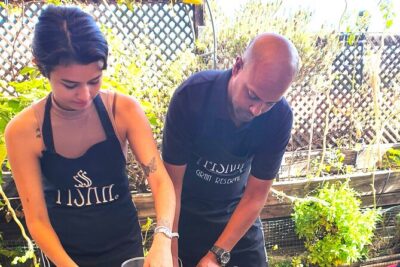
Apron back on for a Spanish kitchen
- Spanish Cooking Class Paella Tapas and Sangria in Madrid★ 5.0 · 1,340 reviews
- Madrid: Paella and Sangria Workshop in the City Center★ 4.9 · 1,264 reviews
- Paella Cooking Class in Madrid with Bottomless Wine Pairing★ 5.0 · 985 reviews
- Paella Workshop with Bottomless Sangria in Central Madrid★ 5.0 · 763 reviews
Paella and sangria in Madrid’s La Latina kitchen
This workshop is exactly what you want when you’re in Madrid and you feel like food should be hands-on, not just something you order. For 2.5 hours in a working kitchen, you cook your own paella and make sangria from scratch with close guidance. It’s social, but not chaotic: you’re cooking at your own pace, while chef Isaac keeps things moving and corrects what needs adjusting.
What makes it work is the structure. You start with the why (ingredients, origins, and tradition), then you move into the how (techniques you can repeat), and finally you get to the fun part (your own version, including a friendly creative challenge). The end result is not just a meal. It’s the confidence to make it again.
Meeting point: Calle Don Pedro 20, and chef Isaac at the door
The class meets at Calle Don Pedro 20 in La Latina. When you arrive, head to reception or into the kitchen area. Look for a modern, cozy place where you can actually see the kitchen from the entrance.
Ask for Isaac. Your reservation is recognized right when you walk in, so you’re not hunting for a guide outside. Plan to arrive about 10 minutes early so you don’t slow down the start.
A quick practical note: transportation to the workshop is on you. The location is in a lively neighborhood, so building in a little extra time to get there helps.
Before you cook: ingredient origins and technique, not just names
This is where the workshop earns its value. Rather than listing ingredients like a menu, you get the story behind them and how they connect to flavor. You’ll learn the origin of each product, why it’s used in paella, and how to combine things in a way that makes sense on the stove.
You’ll also get specific technique talk that you won’t usually get from casual cooking demos, including:
- How to get the rice right
- How to prepare the sofrito correctly (the flavor base that influences everything after)
- Practical tips for combining ingredients so the dish tastes coherent, not random
The key idea is that you’re learning what to aim for while you cook, not just following steps. That matters if you’re a beginner. It also matters if you cook at home and want to stop guessing.
Cooking your paella: your station, your choices, real correction
Once the setup is done, you take over. You customize your paella to your liking, but you’re not left alone with a mystery pan. Chef Isaac gives step-by-step guidance and will correct and guide you throughout.
This is also where you’ll understand what makes paella different from other rice dishes. You’re watching for the rice texture you want, and you’re paying attention to the flavor-building sequence. The workshop doesn’t treat paella like a one-size-fits-all recipe; it teaches the logic behind it, so your version still tastes like paella.
And you get room to be creative. The class encourages adding ingredients based on your preference, and the highlights mention even some unexpected spices. That’s the sweet spot for most people: you can personalize it without turning the whole dish into an experiment that only works in your head.
If you have dietary needs, you can request accommodations. Vegetarian options are available, including no seafood or fish. Let the team know when you book so they can plan the ingredients accordingly.
Set these beside it before you book anything in Madrid
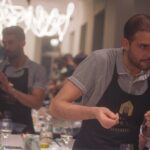
Sangria from scratch: how to balance flavors like a chef
While your paella is coming together, you also make sangria. It’s built from scratch, and the focus is on balancing flavors and aromas, not just dumping fruit into a pitcher.
That approach is useful because sangria can easily turn too sweet, too sour, or flat. Here, you learn how to adjust so the drink tastes intentional. You’re also tasting along the way, so you start to understand what you like before the final mix.
Pairing is part of the experience too. The workshop includes guided tasting of ingredients, spices, and optional pairing, so the sangria doesn’t feel like an add-on. It becomes a companion to what you’re cooking.
The mini creative challenge: surprise the chef with your twist
Half the fun is that you’re not just copying. There’s a friendly mini challenge where you compete to surprise the chef with your original version. It’s framed as creative and social, not stressful. You can use the skills you learned about balance and technique, then apply them to your own idea.
This moment tends to be a highlight for people because it shifts the class from cooking to expressing. If you’re the type who loves tweaking recipes at home, this gives you permission to play while staying grounded in what works.
Tasting what you made: paella, sangria, and the part you’ll remember
At the end, you taste your paella and sangria. This is more than eating your results. It’s when everything you worked on locks in: the rice quality, the flavor base from the sofrito, the ingredient choices, and how the sangria complements the meal.
You also take home tools that help you recreate the dish later:
- A digital recipe book
- Workshop photos taken by the chef for group memories
That matters if you’re the kind of person who has the best intentions to cook again later. The recipe book gives you a starting point, and the photos help you remember what you aimed for.
Small group energy: the difference between help and supervision
The class is limited to 6 participants, and that size changes the whole feel. Chef Isaac can correct you in real time, and you’re not waiting for your turn. You’re also more likely to chat, since you’re cooking side by side instead of sitting in rows.
From the feedback, Isaac’s hosting style is a big part of why it works. People describe him as funny and engaging, and they mention feeling comfortable from the first moments. That kind of host is rare, especially in cooking classes where the chef can sometimes seem like a performer.
Here, it feels like a conversation while you cook. You’re learning, but you’re also laughing.
Price and value: why $84 can make sense
At $84 per person for 2.5 hours, this isn’t the cheapest Madrid food experience. But it does include a lot of what you’d otherwise pay for:
- Fresh ingredients and utensils
- Sangria ingredients and the drink itself
- Step-by-step chef instruction for paella
- Ingredient history and tasting moments
- A digital recipe book plus chef-taken photos
Cooking classes often get expensive when they’re mostly watching. Here, you’re actively cooking and making both dishes. You’re leaving with the ability to repeat the process, which is where the real value sits.
If your goal is just to eat well, you could do that for less. If your goal is to learn a skill you can use at home, this price can feel fair.
Who this workshop is perfect for
This fits best if you want:
- A hands-on paella cooking class in Madrid
- A social activity that still gives attention to your specific questions
- A chef-led approach that works for beginners and amateurs
It’s also a great fit if you’re visiting with friends or as a couple and want something more interactive than a typical dinner. Even locals can enjoy it, especially if you like the structure of learning technique and ingredient logic instead of just guessing.
Who might want to choose something else
This isn’t ideal if you want a very relaxed, sit-and-watch experience. It’s cooking-focused, and you’ll be working through the steps for the full session. Also, if you’re very strict about pacing, you should know that instruction and corrections run in real time while dishes are cooking.
Should you book this paella and sangria workshop?
If you like food enough to cook it, book it. The combination of paella skills (rice and sofrito guidance), sangria from scratch (flavor balancing), and a small group with chef Isaac’s attention makes it a strong choice for a Madrid day.
The best reason to reserve is practical: you get enough technique to recreate the dishes later, not just a one-time meal. With a 5/5 rating across 6 verified bookings, the signal is clear that the experience hits its mark.
FAQ
Where is the paella and sangria workshop in Madrid?
It takes place at Calle Don Pedro 20 in La Latina, Madrid. When you arrive, go to reception or the kitchen area and ask for Isaac.
How long is the workshop?
The experience lasts about 2.5 hours.
What’s included in the price?
All ingredients, utensils, and drinks are included. You’ll make your own paella and prepare sangria from scratch, plus you’ll get guidance, tasting moments, a digital recipe book, and chef-taken photos.
Is transportation provided?
No. Roundtrip transportation is not included, so you’ll need to arrange your own way to the meeting point.
Is it a small group?
Yes. The group size is limited to 6 participants, with personalized attention from the chef.
Do they offer vegetarian or seafood-free options?
Dietary accommodations can be requested, including vegetarian options and no seafood or fish. You should note your needs when you book.
What languages are used during the workshop?
The instructor speaks Spanish and English. Some content may be shown in its original language.
More Workshops in Madrid
- Spanish Cooking Class Paella Tapas and Sangria in Madrid
★ 5.0 · 1,340 reviews - Madrid: Paella and Sangria Workshop in the City Center
★ 4.9 · 1,264 reviews - Paella Cooking Class in Madrid with Bottomless Wine Pairing
★ 5.0 · 985 reviews - Paella Workshop with Bottomless Sangria in Central Madrid
★ 5.0 · 763 reviews - Taste of Spain: Tapas Cooking Class with Bottomless Wine Pairing
★ 5.0 · 414 reviews - Madrid: Half-Day Spanish Cooking Class
★ 5.0 · 345 reviews
More Tour Reviews in Madrid
- Madrid: Tour Bernabéu Entry Ticket
★ 4.5 · 21,573 reviews - Madrid: Prado Museum Entry Ticket
★ 4.6 · 20,699 reviews - Madrid: “Emociones” Live Flamenco Performance
★ 4.8 · 12,866 reviews - Madrid: Panoramic Route City Tour
★ 4.1 · 12,259 reviews - Madrid: Live Flamenco Show with Food and Drinks Options
★ 4.5 · 9,901 reviews - Avila & Segovia Tour with Tickets to Monuments from Madrid
★ 5.0 · 9,762 reviews
Cook a Spanish Meal Yourself
- Spanish Cooking Class Paella Tapas and Sangria in Madrid
★ 5.0 · 1,340 reviews - Madrid: Paella and Sangria Workshop in the City Center
★ 4.9 · 1,264 reviews - Paella Cooking Class in Madrid with Bottomless Wine Pairing
★ 5.0 · 985 reviews - Paella Workshop with Bottomless Sangria in Central Madrid
★ 5.0 · 763 reviews - Madrid Tapas & Paella Cooking Experience with Local Market Visit
★ 5.0 · 432 reviews - Taste of Spain: Tapas Cooking Class with Bottomless Wine Pairing
★ 5.0 · 414 reviews
Just Added: New Madrid Tour Reviews






Spanish Cooking Classes, compared.
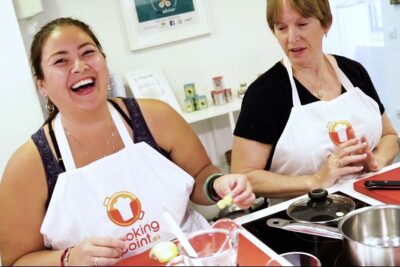 ★ 5.0Spanish Cooking Class Paella Tapas and Sangria in MadridFrom $1021,340 reviews
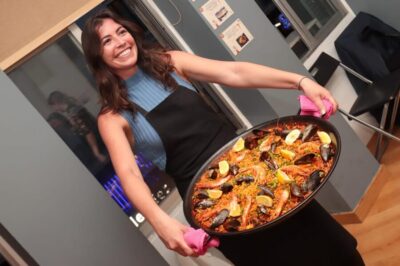 ★ 4.9Paella and Sangria Workshop in the City CenterFrom $691,264 reviews
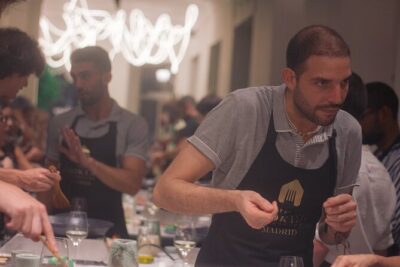 ★ 5.0Paella Cooking Class in Madrid with Bottomless Wine PairingFrom $143985 reviews
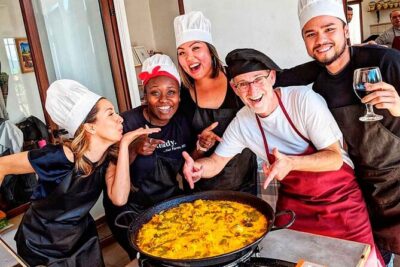 ★ 5.0Paella Workshop with Bottomless Sangria in Central MadridFrom $78763 reviews
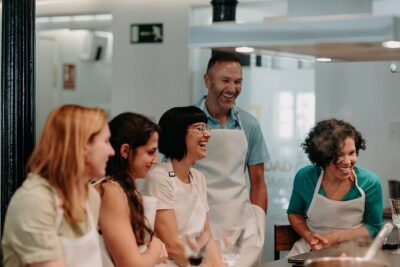 ★ 5.0Madrid Tapas & Paella Cooking Experience with Local Market VisitFrom $114432 reviews
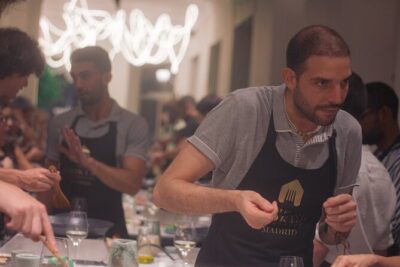 ★ 5.0Taste of Spain: Tapas Cooking Class with Bottomless Wine PairingFrom $151414 reviews
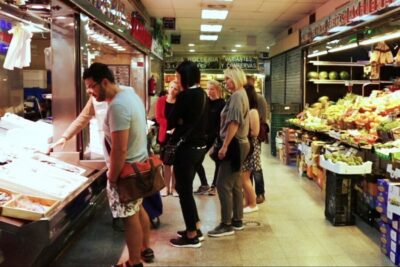 ★ 5.0Half-Day Spanish Cooking ClassFrom $100345 reviews
 ★ 5.0Paella & Sangria Classes- Seafood, Chicken & Vegan optionFrom $87265 reviews
Browse the lists this tour appears in