
REVIEW · WORKSHOPS
Leathercraft Workshop in the Rastro of Madrid
Leatherwork class in Madrid turns into real souvenirs fast. You work with real Spanish cowhide and choose what you want to make, then decorate it with classic techniques like stamping or embossing. The small, private setup keeps it relaxed, with plenty of time to ask questions and get hands-on help in English.
What I love here is how practical it feels: you’re not just watching, you’re cutting, shaping, and making something you can actually use. The second big plus is the personal, skills-first approach, with an instructor from Ireland (so English is natural) who also shares context about the craft and Madrid along the way.
One thing to consider: the workshop space can be in a less obvious building setup, and one visitor noted signage and elevator-finding were a bit tricky. If you hate running late or stress in multi-floor places, you’ll want to arrive a few minutes early.
In This Review
- Key points to know before you go
- Leathercraft in the Rastro of Madrid: why this beats another shop stop
- What you’ll make with Spanish cowhide (and how choices affect the class)
- Tools and techniques that feel medieval (stamping, embossing, and hands-on steps)
- English-first instruction from an Irish-born leather teacher
- The class rhythm: small group energy and a creative break
- Price and value: what $60.34 buys you in Madrid
- Where to meet and how to time your Rastro day
- Who should book this leathercraft workshop (and who should think twice)
- Should you book it?
- FAQ
- How long is the Leathercraft Workshop in Madrid?
- What is the price per person?
- Is the workshop taught in English?
- What can I make during the workshop?
- What’s included in the price?
- Is this a private class?
- Where does the workshop start?
- Is it suitable for beginners?
- Are service animals allowed?
Key points to know before you go
- Choose your project: bag, glasses case, wallet, passport booklet, purse, or a custom item you request ahead
- Use real Spanish cowhide and learn about different leather types
- Classic decoration methods like stamping and embossing make each piece look distinct
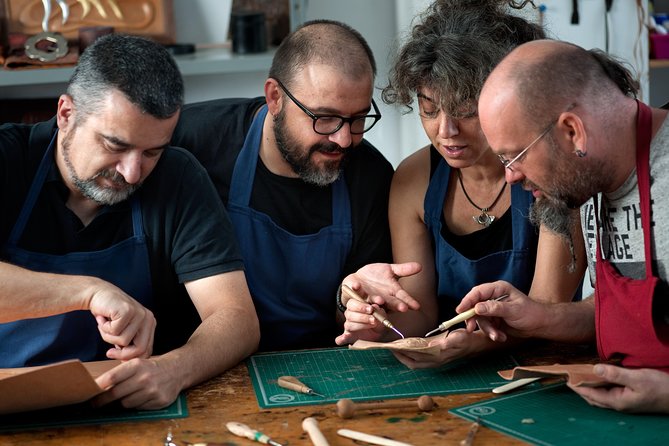
- Small group feel with patient guidance, even for first-timers
- Included drink and appetizer make it feel like a creative break, not a rushed class
- English instruction from an Irish-born instructor makes the experience easy to follow
Set these beside it before you book anything in Madrid
- Spanish Cooking Class Paella Tapas and Sangria in Madrid★ 5.0 · 1,340 reviews
- Madrid: Paella and Sangria Workshop in the City Center★ 4.9 · 1,264 reviews
- Paella Cooking Class in Madrid with Bottomless Wine Pairing★ 5.0 · 985 reviews
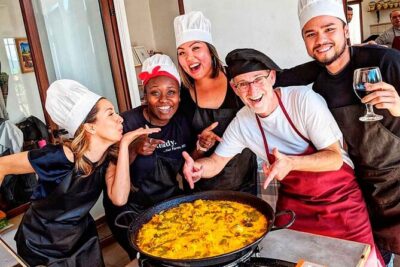
- Paella Workshop with Bottomless Sangria in Central Madrid★ 5.0 · 763 reviews
Leathercraft in the Rastro of Madrid: why this beats another shop stop
Madrid has plenty of places to buy leather goods. This workshop gives you the better deal: you buy skill, then you walk away with an item that has your fingerprints on it. It’s one of those rare travel activities where you can say, I made that, and mean it.
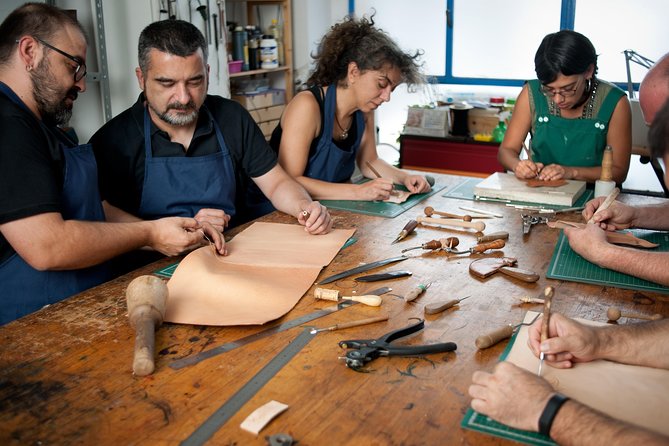
You’ll spend about three hours in a working leather studio setting (not a demo room). The “wow” comes from working with real Spanish cowhide and using tools that people have relied on for a long time. It feels old-school in the best way, like you’re borrowing a craft that predates mass production.
There’s also a fun side benefit for your trip: after you finish, you’re set up to explore La Latina’s vintage and handicrafts shops. It turns your day from sightseeing-only into a proper craft-and-culture afternoon.
What you’ll make with Spanish cowhide (and how choices affect the class)
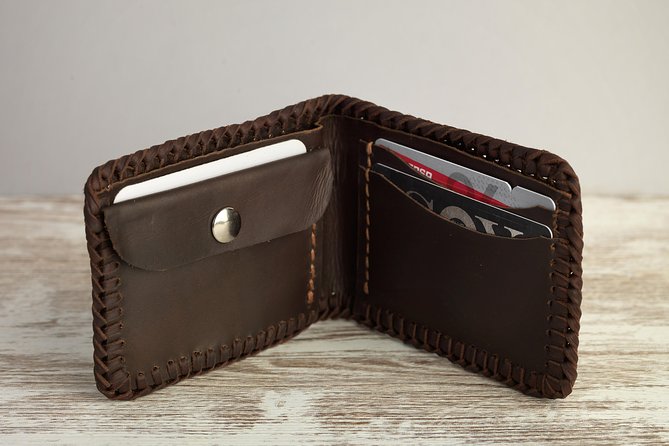
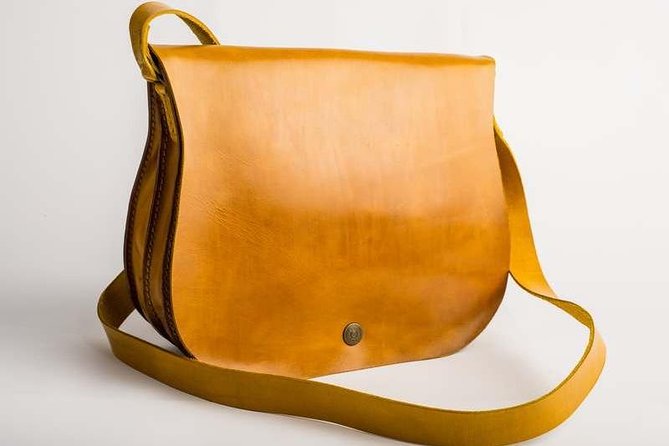
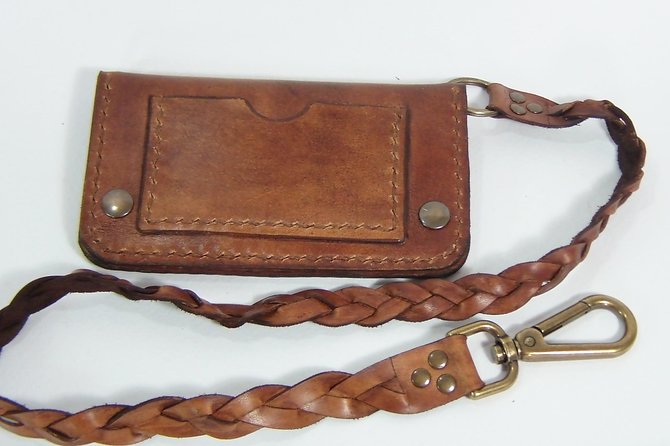
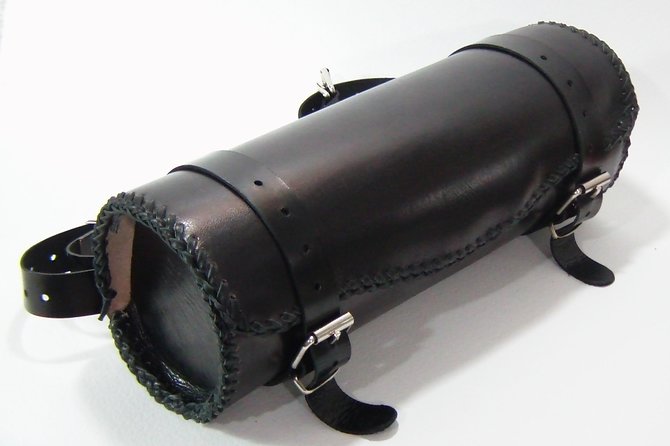
At the start, you pick what you want to create. The standard options include a bag (with or without a strap), an original glasses case, a wallet, a passport booklet, or a purse. That choice matters because it shapes the tools you use and the steps you’ll focus on.
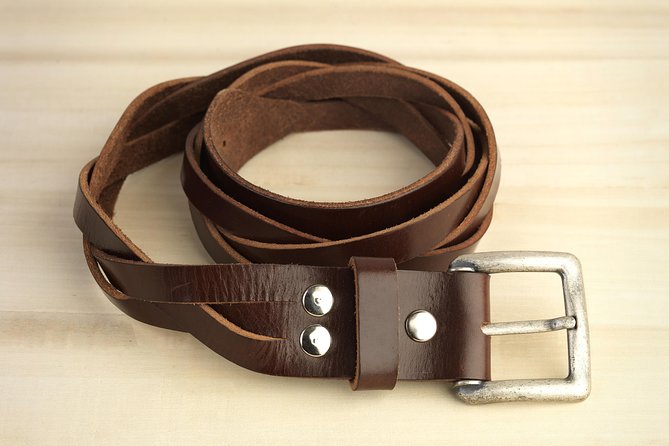
You can also request something different—like a handbag, mobile phone case, or belt pouch. If you have a specific idea in mind, tell the teacher beforehand so you’re not scrambling during class. This is a good sign for anyone who doesn’t want a cookie-cutter souvenir.
You’ll also learn about the variety of leather types available. That matters because leather isn’t one thing. Depending on the leather you select, the look, feel, and how you finish it can change. Even if you’re a total beginner, this part gives you a more informed eye for Spanish leather goods later.
The final pieces aren’t meant to look identical. Each item will come out with its own character thanks to techniques like stamping or embossing and the freedom to make decorative choices as you work. If you love the idea of a souvenir that isn’t just a copy of something in a shop window, you’ll like this setup.
Tools and techniques that feel medieval (stamping, embossing, and hands-on steps)
The workshop introduces the tools used in leathercraft—many of which haven’t changed since medieval times. That sounds like a marketing line, but it translates into a real experience: you’re using practical hand methods instead of pushing buttons on a machine.
You’ll learn the workflow around making your item from leather by working through the key steps: cutting to shape, forming the layout, punching holes where needed, and assembling your piece. The goal is for you to finish with something coherent and usable, not just a practice sample.
Decoration is a major part of the magic. You can add designs using stamping or embossing, which helps your item look custom even if you pick a common project like a wallet. It’s also a good way to show your taste without needing drawing skills. If you like simple choices that create big visual results, this is a smart route.
One review also highlighted learning about surface finishing on vegetable-tanned leather, including how to varnish and wax the surface. Even if your exact finish depends on what you pick, the bigger point is this: you’re not only making the object. You’re learning how to treat it so it looks good after the class ends.
English-first instruction from an Irish-born leather teacher
Language can make or break a hands-on class. Here, the instructor speaks perfect English and is originally from Ireland, which keeps the explanations clear and relaxed.
What you’re getting isn’t just step-by-step instructions. It’s also context—history of leather making and ideas connected to Madrid. You’ll have the chance to ask questions while you work, and the class format is designed to be comfortable rather than stiff.
A big theme in the feedback is patience. People described guidance that adapts to different skill levels and even different ages. That means if you’re nervous about messing up, you’re not alone. The approach is supportive and practical, focused on getting you to a finished piece.
One small caution: a visitor noted that the instructor was working with advanced regular students at the same time, and that the room didn’t feel conducive to learning for that moment. If you’re the kind of person who learns best in total quiet, consider this your heads-up to manage expectations and arrive ready to focus.




The class rhythm: small group energy and a creative break
This is a private tour/activity, so it’s only your group. That matters because it changes how the instructor can pace things. In a small setting, you’re less likely to feel rushed or lost, and more likely to get the exact kind of help you need.
The workshop also tends to feel social in a low-key way. Many people mention relaxed conversation, learning while working, and a friendly studio vibe. There’s even a playful element reported by several visitors, including music during the session.
You’ll also get a drink and a small appetizer as part of the experience. That turns the workshop into a true break from pure sightseeing. Leathercraft can be a little hands-on and detailed, so having a glass of wine, beer, or a soft drink makes the whole few hours feel more like you’re hanging out in a craftsman’s workspace.
Price and value: what $60.34 buys you in Madrid
Let’s talk value, because $60.34 for three hours is either a steal or a rip-off depending on what’s included. Here, you’re not paying only for instruction. Your price covers the leathercraft workshop plus a glass of wine, beer, or soft drink and an appetizer.
You’re also paying for real materials: you get to work with real Spanish cowhide and create a finished item you keep. That’s a key difference from many travel classes where you end up with a small token project.
Then there’s the “use it later” value. A wallet, passport booklet, glasses case, purse, or bag isn’t just decor. It’s something you can use on your next trip, which makes your souvenir feel less like clutter.
If you’re the type who buys local crafts, you’ll appreciate that this is more than purchasing. You’re making. And if you’re the type who doesn’t buy crafts because you feel guilty about carrying things, this is also practical. Leather items tend to be compact, and you’ll already have a concrete purpose for them.
Where to meet and how to time your Rastro day
You’ll start at C. de Carlos Arniches, 9, 5 4, Centro, 28005 Madrid and the activity ends back at the same meeting point. It’s near public transportation, so you don’t need a car to make it work.
That said, plan like you’re going into a studio building rather than a shopfront. One person noted that the building wasn’t well marked and that the workshop was on the 5th floor, with the elevator being harder to locate. That doesn’t mean it’ll be the same for you, but it does mean you should arrive a few minutes early and follow any direction you receive at booking.
For timing, the structure is simple: do the workshop, then go explore. The activity pairs nicely with a La Latina crawl for vintage finds and small handicrafts. You’ll already have the leather theme fresh in your mind, so browsing feels more meaningful and less random.
Who should book this leathercraft workshop (and who should think twice)
This is a strong pick if you want a hands-on activity in Madrid that produces something useful. It’s also good if you like learning how things are made, not just looking at finished objects.
It suits both beginners and more experienced leather workers. The class structure is flexible enough to accommodate different experience levels, and people have even done it as a family with ages ranging from kids to adults.
You should consider alternatives only if:
- You need a super quiet, classroom-like environment at all times (one visitor flagged distractions during advanced sessions)
- You’re very anxious about finding multi-floor spaces with unclear building signage
- You want a larger sightseeing payoff rather than a skill-and-craft payoff (this is a workshop day, not a walking tour)
If you’re craving something personal and practical, this fits. If you want a photo-heavy, see-everything day, you might feel like you’re missing out on more classic landmarks. For many people, that’s the tradeoff they actually want.
Should you book it?
Book it if you want a real leather souvenir that you make yourself, and you’d enjoy a calm, hands-on class with English instruction. The combination of Spanish cowhide, project choice, classic craft techniques like stamping and embossing, and the included drink and appetizer makes the price feel fair.
Skip it only if your top priority is a major sightseeing route or you’re uncomfortable with studio-style logistics in multi-floor buildings. Otherwise, this is the kind of Madrid experience that turns into a story you’ll keep long after the photos are archived.
FAQ
How long is the Leathercraft Workshop in Madrid?
The workshop lasts about 3 hours.
What is the price per person?
The price is $60.34 per person.
Is the workshop taught in English?
Yes. The experience is offered in English.
What can I make during the workshop?
You can choose from a bag (with or without a strap), an original glasses case, a wallet, a passport booklet, or a purse. There’s also an option to make something different if you tell the teacher beforehand.
What’s included in the price?
The price includes the leathercraft workshop plus a glass of wine, beer, or soft drink and an appetizer.
Is this a private class?
Yes. It’s a private tour/activity, so only your group will participate.
Where does the workshop start?
The meeting point is C. de Carlos Arniches, 9, 5 4, Centro, 28005 Madrid, Spain.
Is it suitable for beginners?
Yes, it’s described as suitable for both beginners and experienced leather workers.
Are service animals allowed?
Yes, service animals are allowed.
More Workshops in Madrid
- Spanish Cooking Class Paella Tapas and Sangria in Madrid
★ 5.0 · 1,340 reviews - Madrid: Paella and Sangria Workshop in the City Center
★ 4.9 · 1,264 reviews - Paella Cooking Class in Madrid with Bottomless Wine Pairing
★ 5.0 · 985 reviews - Paella Workshop with Bottomless Sangria in Central Madrid
★ 5.0 · 763 reviews - Taste of Spain: Tapas Cooking Class with Bottomless Wine Pairing
★ 5.0 · 414 reviews - Madrid: Half-Day Spanish Cooking Class
★ 5.0 · 345 reviews
More Tour Reviews in Madrid
- Madrid: Tour Bernabéu Entry Ticket
★ 4.5 · 21,573 reviews - Madrid: Prado Museum Entry Ticket
★ 4.6 · 20,699 reviews - Madrid: “Emociones” Live Flamenco Performance
★ 4.8 · 12,866 reviews - Madrid: Panoramic Route City Tour
★ 4.1 · 12,259 reviews - Madrid: Live Flamenco Show with Food and Drinks Options
★ 4.5 · 9,901 reviews - Avila & Segovia Tour with Tickets to Monuments from Madrid
★ 5.0 · 9,762 reviews
Just Added: New Madrid Tour Reviews






Workshops, compared.
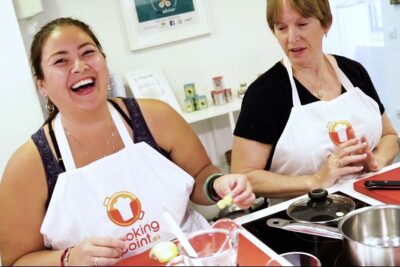 ★ 5.0Spanish Cooking Class Paella Tapas and Sangria in MadridFrom $1021,340 reviews
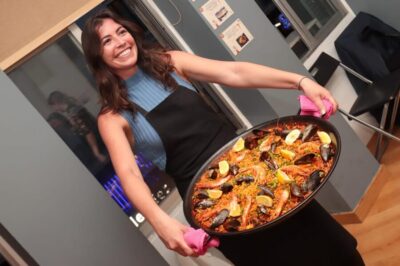 ★ 4.9Paella and Sangria Workshop in the City CenterFrom $691,264 reviews
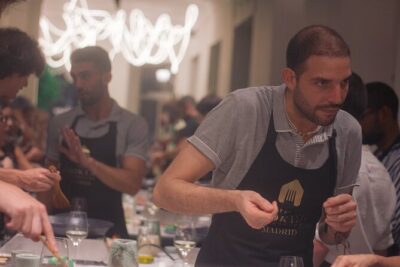 ★ 5.0Paella Cooking Class in Madrid with Bottomless Wine PairingFrom $143985 reviews
 ★ 5.0Paella Workshop with Bottomless Sangria in Central MadridFrom $78763 reviews
 ★ 5.0Taste of Spain: Tapas Cooking Class with Bottomless Wine PairingFrom $151414 reviews
 ★ 5.0Half-Day Spanish Cooking ClassFrom $100345 reviews
 ★ 5.0Paella & Sangria Classes- Seafood, Chicken & Vegan optionFrom $87265 reviews
 ★ 4.710 Tapas 2.5-Hour Cooking ClassFrom $80222 reviews
Browse the lists this tour appears in