
Madrid clicks into place on this loop. You’ll get a guided pass through the city’s biggest “wow” sights, mixing Egyptian history at Debod Temple with classic Madrid squares and markets, plus an outdoor walk through the Royal Palace quarter. It’s an efficient way to understand how the capital grew, without getting stuck in museum lines.
I particularly like two parts: the tour is led by an official certified local guide, and the tone stays fun while the facts stay real. I also like the route balance: you’re not stuck only in royal scenery or only in old streets—you move from viewpoints to grand plazas to the food-market stop.
One consideration: the Royal Palace visit is outside only, so if you’re hoping to tour the palace interiors, you’ll need another plan. Also, because it’s a timed loop with included entries at some stops, you’ll want to arrive on time and keep your expectations realistic for a 3-hour walk.
In This Review
- Key points I think you’ll appreciate
- A smart 3-hour loop through Madrid’s power spots
- Debod Temple and Parque del Oeste: where Madrid surprises you
- Plaza de España and Plaza de Oriente: the royal storyline in public space
- Royal Palace quarter: outside views and the gardens area
- Catedral de la Almudena and Calle Mayor: where the city’s layers show
- Plaza de la Villa: Madrid’s old-town civic heart
- Mercado San Miguel: the smart way to use the food stop
- Plaza Mayor: the final payoff with real dramatic history
- Price and logistics: is $24.10 worth it?
- Who this tour suits best (and who might want alternatives)
- The one glitch to think about before you go
- Should you book this Madrid Highlights and Palace Quarter tour?
- FAQ
- What is the duration of the Madrid guided tour?
- Are tickets for the Royal Palace included?
- Is admission included for Debod Temple and other stops?
- Where does the tour start and where do you end?
- What time does the tour begin?
- What is the cancellation policy?
Key points I think you’ll appreciate
- Debod Temple: an authentic Egyptian temple relocated to Madrid (with admission included)
- Epic viewpoint at Parque del Oeste where you can read the city’s layout from above
- Royal Palace quarter without ticket stress: you’ll see key exteriors and gardens areas
- Old Madrid squares in a practical order: Plaza de España, Plaza de Oriente, Plaza de la Villa, and Plaza Mayor
- San Miguel Market stop for tapas browsing (great for a quick taste or snack pause)
- Small group size (max 12) so you can actually hear the guide on crowded streets
The centre on foot, other ways round
- Madrid Tapas & Wine Tasting Walking Tour – Small Group Local Bars★ 5.0 · 3,644 reviews
- Madrid Welcome Tour with Local Guide in Eco Tuk Tuk Private★ 5.0 · 2,936 reviews
- Madrid Walking Tour from Puerta del Sol to Retiro Park★ 5.0 · 2,285 reviews
- Madrid Old Town & Royal Palace Walking Tour Skip the Line Ticket★ 4.5 · 1,829 reviews
A smart 3-hour loop through Madrid’s power spots
This tour is built like a guided “greatest hits” playlist, but with enough structure that it doesn’t feel like a checklist. In about three hours, you’ll cover major landmarks across central Madrid, then end right where many first-time visitors naturally want to be: Plaza Mayor.
That pacing matters. Madrid’s center can be slow-going when you factor in street corners, photo pauses, and the simple fact that people stop to stare at buildings here. A group tour keeps you moving at a workable pace and gives you context so the sights click into place fast.
Also, the format is straightforward: you’ll start at C. de Ferraz, 22 (Moncloa–Aravaca), 10:30 am, and finish at Plaza Mayor in the Centro area. The end point is useful because it lines you up with a lot of dining options after the tour.
Debod Temple and Parque del Oeste: where Madrid surprises you
Stop one, Templo de Debod, is the kind of sight that makes Madrid feel bigger than Spain’s borders. You’ll hear the story of an Egyptian temple originally saved from the Aswan Dam project and brought stone by stone to Madrid. The temple is well over 2,000 years old, which is wild, because the setting feels very Madrid at the same time.
You’ll also get an included admission ticket here, so it’s not just a photo stop. You’ll want a little patience for the explanation, because Debod is the tour’s “gravity well” for history lovers—once the guide ties the temple’s journey to Madrid’s setting, everything starts making sense.
Next is Parque del Oeste, and the purpose is simple: a panoramic view. The tour frames it as a key sight where you can look out over the area and understand how the city sits in relation to Debod. Even if you’re not a super-technical view person, the payoff is real—Madrid turns into patterns: rooftops, streets, and the scale of the urban center. If you like getting your bearings fast, this is a great early stop.
Practical tip: wear shoes you can trust. You’ll be standing and walking through park and viewpoint areas, and Madrid sidewalks are not always forgiving when you’re balancing cameras.
Plaza de España and Plaza de Oriente: the royal storyline in public space
From Debod and the view, you’ll shift into the Madrid style of big, theatrical outdoor spaces—plazas where monuments and statues do half the storytelling.
At Plaza de España, the anchor is the Don Quixote tribute and Miguel de Cervantes connection. Even if you don’t know every detail of the novel, Cervantes is one of those names you hear constantly in Madrid, and this is an easy place to connect literature to place. It helps you understand why Madrid loves its own stories in stone.
Then comes Plaza de Oriente, and this is where you’ll see the royal geography tightening. The square features a collection of 20 sculptures of ancient Visigoth kings, carved in stone, and it sits between major cultural buildings. You’re basically getting an outdoor museum of “who ruled here” energy, without needing a ticket.
What I like about this section is the guide’s job: instead of letting the plazas blur together, you get an explanation of what you’re looking at—how the statues relate to power, identity, and the way Madrid builds meaning into public space.
Potential drawback: plazas can be crowded. If you’re sensitive to shoulder-to-shoulder sightseeing, expect some busy moments, especially near major monuments and photo angles.
Royal Palace quarter: outside views and the gardens area
This is the “palace quarter” part, and it’s important to set expectations. The tour includes the Royal Palace of Madrid outside, with intensive historical and artistic explanations, plus time connected to the Sabatini Gardens area (as described in the tour outline).
Why that matters: you’re seeing the scale and attitude of royal architecture without paying for palace interior entry. For many first-time visitors, the exterior + garden context is a smart move because it explains why the palace dominates the skyline and how it connects to the surrounding royal zone.
You’ll learn about the palace as the official residence of Spanish kings, and the guide will point out key artistic and historical features you might otherwise miss just by standing there and staring.
One tradeoff: the palace interiors are not included. So if you want gilded rooms, tapestries, and the full interior sweep, you’ll need to book that separately. Think of this tour as the best “orientation layer” for the palace area—then you can decide later whether you want to go deeper.
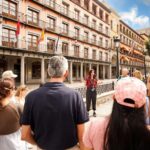
A local guide takes the strain




Catedral de la Almudena and Calle Mayor: where the city’s layers show
Next up is the area around Catedral de Sta Maria la Real de la Almudena. Here, you’re given the outer view plus a full explanation of the Neo-Gothic cathedral and how it fits into its surrounding landscape (the setting and street approach matter). This stop works because it gives the tour a religious and architectural counterpoint to the royal themes.
After that, you’ll walk into the classic old-street spine: Calle Mayor. This is where the tour becomes more “walk and understand” than “stand and photograph.” Calle Mayor is described as a historical main street from the old city, with stone pavement and narrow alleys characteristic of the 15th-century Habsburg quarter.
I like this stretch because it helps you feel the city’s age without being stuck underground or inside. The guide’s commentary is the difference between random street-hopping and actually getting why the street layout and building placement matter.
Practical tip: if you’re stopping to read plaques or study facades, keep it quick. This is a moving tour, and the time budget is designed for a smooth flow through multiple sights.
Plaza de la Villa: Madrid’s old-town civic heart
Plaza de la Villa is one of those squares that feels like the city’s internal organ—civic, historical, and built around the presence of government and local identity. You’ll see the Plaza de la Villa area, which includes the city hall, plus a statue of Álvaro de Bazán, Grand Admiral of the Spanish Armada.
What you’re really getting here is a change in viewpoint: not just kings and cathedrals, but also how Madrid governed itself and built prestige through maritime history. The Armada reference keeps the story wider than local politics.
This stop also helps break up the walk. Squares are built-in rest points, and that’s helpful over a 3-hour route when everyone’s energy levels start to vary.
Mercado San Miguel: the smart way to use the food stop
Then you hit Mercado San Miguel, a famous market known for tapas and delicatessen stalls. An included ticket suggests there’s value in entering the market area with a guide rather than just circling outside.
Here’s how I’d use this stop well: treat it like an informed browsing window. Even if you don’t plan a full meal, you’ll be able to see what local-style tapas and deli treats look like in a high-profile setting. It’s also a useful break—ten minutes inside a market can refresh you before the final big square.
Be aware of pricing and lines if you decide to buy something. The market is well known internationally, so it can lean tourist-friendly rather than sleepy-local. Still, it’s a great moment to grab a snack and compare what you’ve been hearing about Madrid culture with what you see on display.
Plaza Mayor: the final payoff with real dramatic history
The last major stop is Plaza Mayor, Madrid’s main square in the old city center. The tour framing here is spot-on: you’ll hear about the square’s past roles—from medieval tournaments to inquisition trials, plus bullfights—and you’ll also see the central equestrian statue of Philip III of Spain.
The reason this ending works is simple: Plaza Mayor is easy to connect with. After walking through royal zones, a cathedral area, old street fabric, and a bustling market, you now arrive at a space that ties the whole story into one place. Even if you’ve seen photos of Plaza Mayor a hundred times, the explanation makes it feel less like a postcard and more like a stage.
If you’re planning your evening, this is a good place to take control. The tour ends there, and you’ll already have the square set in your mind.
Price and logistics: is $24.10 worth it?
At $24.10 per person, this is priced like a budget-friendly “orientation tour” that still includes meaningful value. Here’s why the math can work for you:
- Official certified guide: you’re not just buying a self-guided audio route.
- 3 hours with multiple major landmarks: you save time compared with piecing together the route alone.
- Small group size (max 12): you’re less likely to lose the guide in a crowd.
- Included admissions at select stops: Debod Temple and other listed entry points are covered.
Also, the tour is bookable as a mobile-ticket experience, and it runs with a start time of 10:30 am. That timing can be great because you’ll finish while the day is still young enough to continue exploring on your own.
The only real “hidden cost” is personal choice: since palace interior tickets are not included, you may want to budget extra if you decide you want the inside experience later. But that’s not a flaw—it’s a clear boundary that helps you decide what you want to pay for.
A quick note on demand: the tour is typically booked around 41 days in advance. If you’re traveling during peak periods, booking early gives you more control.
Who this tour suits best (and who might want alternatives)
This tour is a strong fit if you:
- want a high-impact first introduction to central Madrid in limited time
- like explanations that connect art, architecture, and history into a story
- prefer walking through multiple areas rather than doing one museum-only day
- appreciate a small group pace (max 12)
It may be less ideal if you:
- insist on an interior palace visit in the same morning (because the palace is outside only)
- want a super-slow, photo-stroll pace with no timed flow
- need long indoor stops; this tour focuses heavily on outdoor sights
If you care about guide energy, the feedback you have access to shows that names like Ignacio, Ana, and Nacho come up in connection with friendly delivery and a lively way of explaining details. That’s a good sign that you’re likely to get more than a read-from-a-board kind of tour.
The one glitch to think about before you go
Most of the experience is well structured, but one caution stands out from the information you have: there was at least one complaint tied to a no-show situation and a language mix-up. The provider’s response frames it as a language assumption on the guest side.
So here’s the practical takeaway: when you book, double-check the language you’re expecting and confirm the exact tour details. If you do that, you’re very likely to have a smooth experience.
Should you book this Madrid Highlights and Palace Quarter tour?
If you’re a first-time Madrid visitor and you want a fast, guided orientation that hits major sights without overpaying for palace interiors, this is an easy yes.
I’d especially recommend it if you like your sightseeing with context: Debod’s Egyptian story, the viewpoint from Parque del Oeste, royal-zone architecture outside the palace, and the old-town street and square rhythm from Calle Mayor to Plaza Mayor. It’s the kind of tour that helps you navigate Madrid on your own afterward, because you understand what you’re looking at—and why it matters.
FAQ
What is the duration of the Madrid guided tour?
The tour runs for about 3 hours.
Are tickets for the Royal Palace included?
No. The Royal Palace is an outdoor visit only, and palace tickets are not included.
Is admission included for Debod Temple and other stops?
Yes. Admission tickets are included for the listed stops such as Debod Temple and other segments included in the itinerary.
Where does the tour start and where do you end?
It starts at C. de Ferraz, 22, Moncloa – Aravaca, 28008 Madrid and ends at Plaza Mayor, Centro, Madrid.
What time does the tour begin?
The start time listed is 10:30 am.
What is the cancellation policy?
You can cancel for a full refund up to 24 hours before the experience starts, and changes within 24 hours aren’t accepted.
More Tours in Madrid
- Madrid: Tour Bernabéu Entry Ticket
★ 4.5 · 21,573 reviews - Madrid: Panoramic Route City Tour
★ 4.1 · 12,259 reviews - Avila & Segovia Tour with Tickets to Monuments from Madrid
★ 5.0 · 9,762 reviews - Madrid: Royal Palace Expert Guided Tour with Skip-the-Line
★ 4.7 · 8,407 reviews - Madrid: Segovia and Toledo Tour, Alcazar, and Cathedral
★ 4.7 · 7,797 reviews - Toledo Tour from Madrid: Cathedral, Synagogue & St. Tome’s Church
★ 5.0 · 6,784 reviews
More Tour Reviews in Madrid
- Madrid: Tour Bernabéu Entry Ticket
★ 4.5 · 21,573 reviews - Madrid: Prado Museum Entry Ticket
★ 4.6 · 20,699 reviews - Madrid: “Emociones” Live Flamenco Performance
★ 4.8 · 12,866 reviews - Madrid: Panoramic Route City Tour
★ 4.1 · 12,259 reviews - Madrid: Live Flamenco Show with Food and Drinks Options
★ 4.5 · 9,901 reviews - Avila & Segovia Tour with Tickets to Monuments from Madrid
★ 5.0 · 9,762 reviews
Walk the Heart of Madrid
- Madrid Tapas & Wine Tasting Walking Tour – Small Group Local Bars
★ 5.0 · 3,644 reviews - Madrid Welcome Tour with Local Guide in Eco Tuk Tuk Private
★ 5.0 · 2,936 reviews - Madrid Walking Tour from Puerta del Sol to Retiro Park
★ 5.0 · 2,285 reviews - Madrid Old Town & Royal Palace Walking Tour Skip the Line Ticket
★ 4.5 · 1,829 reviews - Madrid: Welcome to Madrid Guided Walking Tour
★ 4.9 · 1,738 reviews - Madrid: Spanish Inquisition and Legends Evening Walking Tour
★ 4.7 · 1,396 reviews
Just Added: New Madrid Tour Reviews




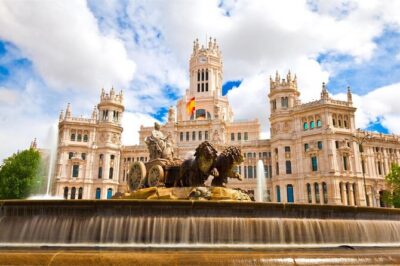
Madrid Guided Walking Tours, compared.
 ★ 5.0Madrid Tapas & Wine Tasting Walking Tour – Small Group Local BarsFrom $933,644 reviews
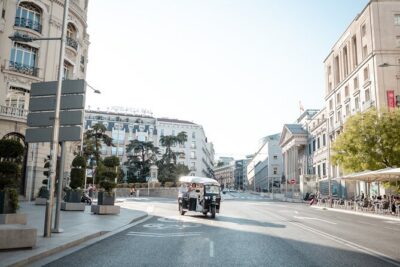 ★ 5.0Madrid Welcome Tour with Local Guide in Eco Tuk Tuk PrivateFrom $282,936 reviews
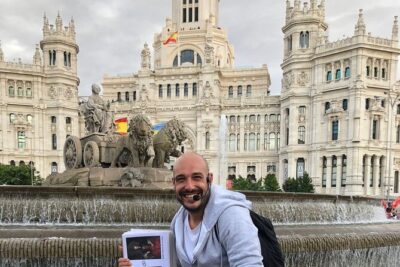 ★ 5.0Madrid Walking Tour from Puerta del Sol to Retiro ParkFrom $32,285 reviews
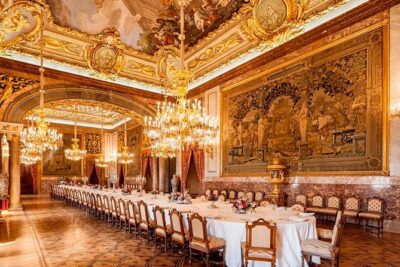 ★ 4.5Madrid Old Town & Royal Palace Walking Tour Skip the Line TicketFrom $401,829 reviews
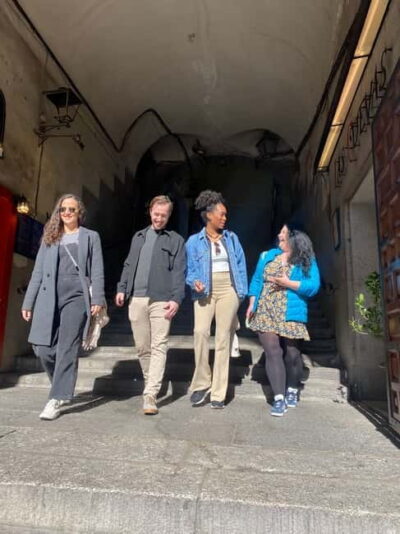 ★ 4.9Welcome to Madrid Guided Walking TourFrom $311,738 reviews
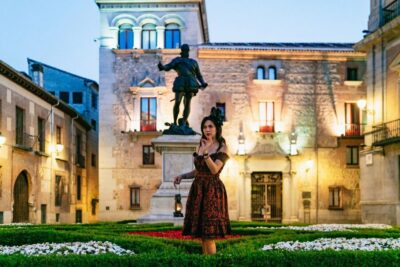 ★ 4.7Spanish Inquisition and Legends Evening Walking TourFrom $231,396 reviews
 ★ 5.0Majestic Madrid Walking TourFrom $311,274 reviews
 ★ 5.0Guided Walking Tour of Immortal ToledoFrom $131,116 reviews
Browse the lists this tour appears in