
REVIEW · SPANISH COOKING CLASSES
Traditional Paella & Tortilla & Sangria
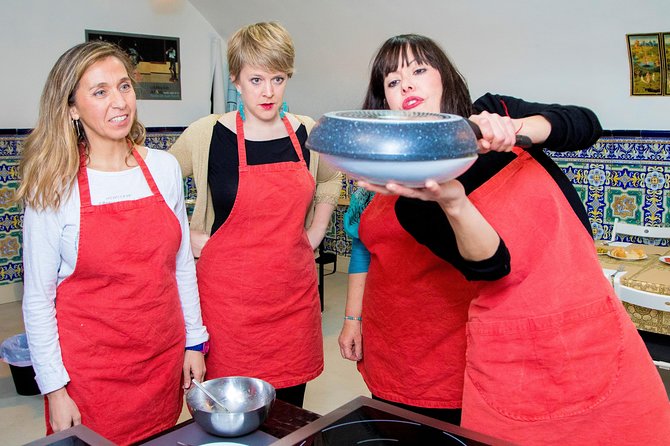
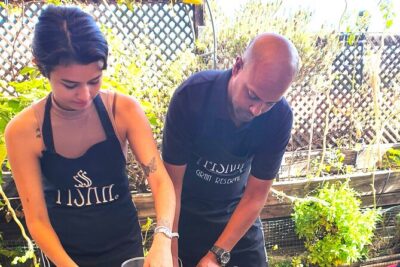
First you smell the spices. Then you learn the technique behind paella, tortilla española, and sangria in a small Madrid home kitchen. The class pairs real cooking steps with the kind of stories you usually only hear when someone cooks for you.
I especially love how interactive it is: you are not just watching, you are actively making the dishes with guidance. And I like that the paella lesson is tied to Valencia know-how, passed down by hosts like Paloma, Pipa, and Pilar who teach with a friendly, take-your-time vibe.
One thing to consider is the location is a home kitchen, so the schedule depends on the group and the setting. Also, the experience requires good weather, and that can affect plans if the day is rainy or unpleasant.
In This Review
- Key things to know before you go
- Why this class feels like Madrid at table level
- Chueca and the meeting point: getting situated before the kitchen
- Spanish omelet (tortilla española) you can repeat at home
- The paella lesson: Valencia technique, not just a recipe
- Sangria and wine tasting: the meal’s pacing lesson
- What you’ll eat, and what you can expect at the end
- How the 2-hour flow usually works (and how to use it)
- Price and value: what you are really paying for at $95.58
- Who should book this cooking class in Madrid
- Practical tips before you go (so the day runs smoothly)
- Should you book Traditional Paella, Tortilla & Sangria in Madrid?
- FAQ
- How long is the cooking class?
- What dishes and drinks are included?
- Is the class offered in English?
- How large is the group?
- Where does the class start?
- What happens if the weather is bad?
Key things to know before you go
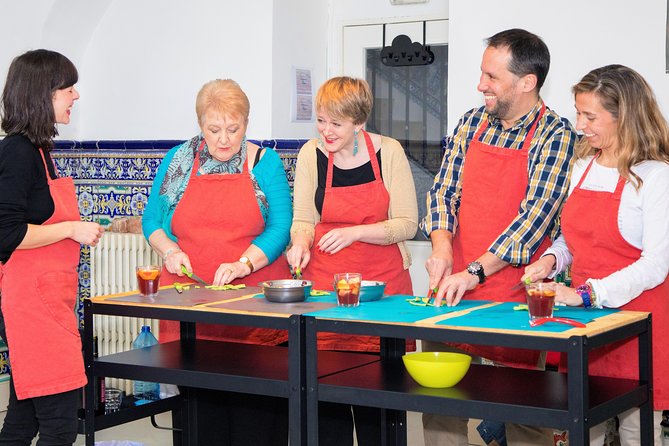
- Small group (max 7) so you actually get hands-on time, not a quick demo
- Valencian-style paella focus with ingredient and method tips you will remember when cooking later
- Spanish tortilla technique taught step by step, including how to get the texture right
- Sangria + wine tasting with lunch so your meal feels like a real Spanish afternoon
- Recipe follow-up by email is part of the experience, so check spam if you do not see it
Apron back on for a Spanish kitchen
- Spanish Cooking Class Paella Tapas and Sangria in Madrid★ 5.0 · 1,340 reviews
- Madrid: Paella and Sangria Workshop in the City Center★ 4.9 · 1,264 reviews
- Paella Cooking Class in Madrid with Bottomless Wine Pairing★ 5.0 · 985 reviews
- Paella Workshop with Bottomless Sangria in Central Madrid★ 5.0 · 763 reviews
Why this class feels like Madrid at table level
This is the kind of food experience that makes the rest of your trip click. You start with a quick neighborhood orientation around Chueca, then you end up learning how Spanish comfort food is built: eggs set with patience, rice cooked with attention, and drinks balanced enough to go with the meal.
What makes it work is the mix of technique and personality. In the kitchen, the hosts tend to explain what they are doing and why, and they keep everyone involved, even if you have never cooked before.
You should come hungry and ready to get a little hands-on. If you want a passive tasting-only tour, this is not it.
Chueca and the meeting point: getting situated before the kitchen
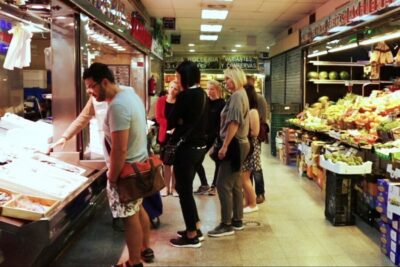
The tour starts at C/ de Hortaleza, 92, Centro, 28004 Madrid at 12:00 pm. You meet near public transportation, then you move into the class experience from that central spot, with the stop in the Gay Madrid & Chueca District area serving as your warm-up.
That short orientation matters more than you might think. Chueca is one of those neighborhoods where the mood shifts street to street, and it helps you settle into Madrid before you focus on cooking.
Also, the class is priced and timed for a smooth two-hour block. Plan to arrive a few minutes early so you do not feel rushed when the kitchen action starts.
Spanish omelet (tortilla española) you can repeat at home
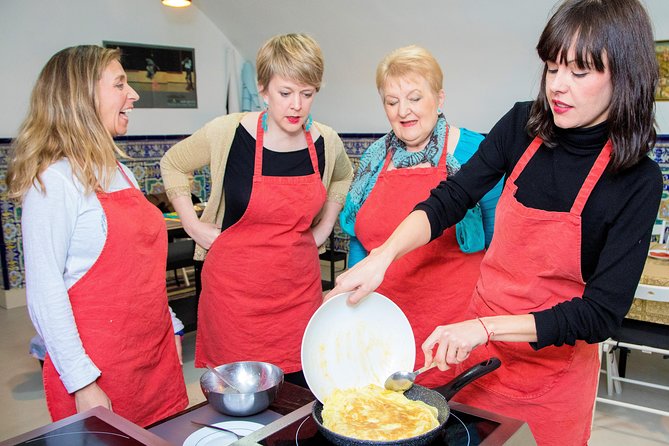
The first real food step in this class is typically the Spanish omelet (tortilla). You learn the approach that creates that distinct texture: set outside, tender inside. This is one of those dishes people think they know, then learn is mostly method.
What I like here is that hosts tend to explain how to manage heat and timing rather than relying on vague instructions. In practice, you are learning cues you can recreate later, like when the egg is thickening and how to handle the flip or final set depending on the method.
And the best part for you as a cook is that you are not waiting for a plate to appear. You are part of the process, which makes the tortilla lesson stick.
The paella lesson: Valencia technique, not just a recipe
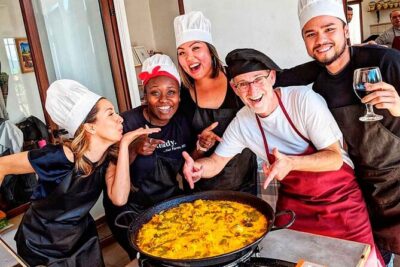
The standout dish is the traditional paella, taught with Valencian know-how. Even if you have cooked rice before, paella has its own logic, and you will likely notice how the host talks about the ingredients and the rhythm of cooking.
In many classes like this, you will see variations based on what the group cooks that day. One common pair people mention is a paella with rabbit and chicken, and another with seafood and chicken. Either way, the teaching focus stays similar: how to build flavor, how the rice behaves, and how not to rush the cooking.
This is where a home class beats a cookbook. Written recipes can tell you what to do; hands-on instruction shows you what it should look like in your pan. You get tips that help you avoid common paella mistakes, like texture problems from incorrect heat management or timing.
Also, this class frames paella as more than food. It comes with the hometown meaning of the dish, so when you eat what you made, it lands with context, not just calories.




Sangria and wine tasting: the meal’s pacing lesson
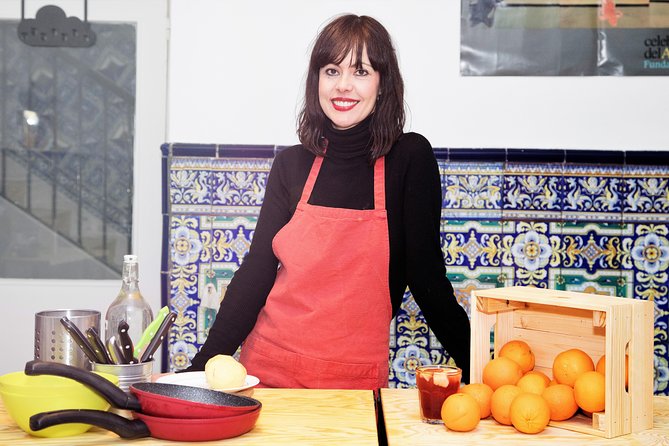
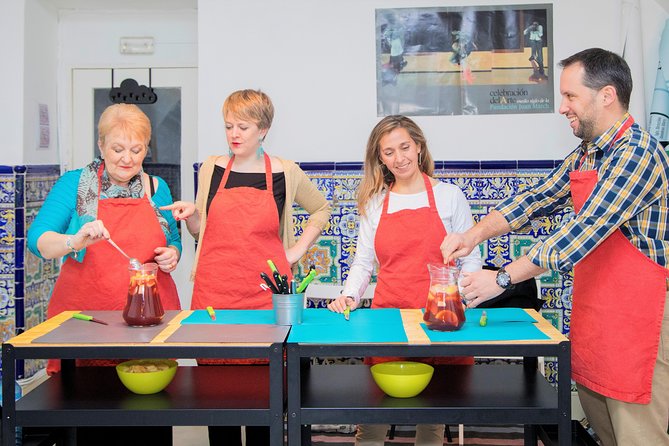
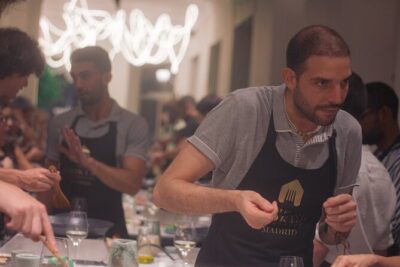
You are not just making lunch; you are learning how Spanish meals are paced. The class includes wine tasting and you also mix and enjoy sangria as part of the experience.
Sangria is easy to mix wrong if you think it is only fruit and sugar. In this class style, you learn a more proper approach, and hosts generally talk about balance so it works with the food you are cooking.
This matters because paella and tortilla are both flavored in ways that need drinks to match, not overpower. A good host keeps you tasting as the meal unfolds, so you understand the pairing in real time.
What you’ll eat, and what you can expect at the end
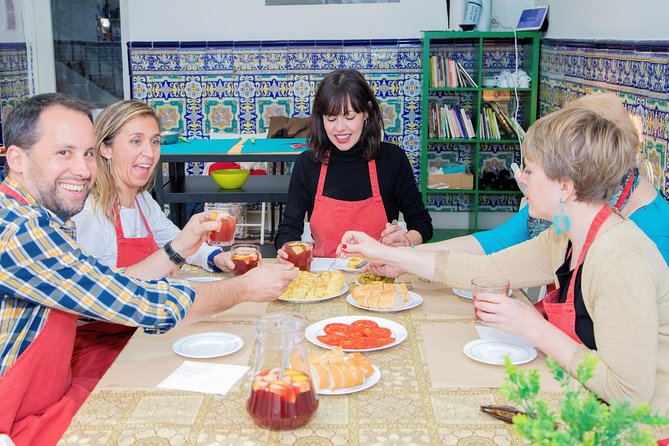
Your menu is built around the Spanish classics. You can expect Spanish omelet, traditional paella, coffee as dessert, plus sangria and wine tasting during the meal portion.
In the reviews, people also mention a satisfying end like espresso, which fits the way these afternoons often close in Spain. The meal format is relaxed: you cook, you taste along the way, then you sit down to eat everything you made.
You should leave with more than full plates. The hosts often send recipes afterward by email, and several people mention receiving them after the class. One practical tip: check your email spam folder if you do not see the message soon after.
How the 2-hour flow usually works (and how to use it)
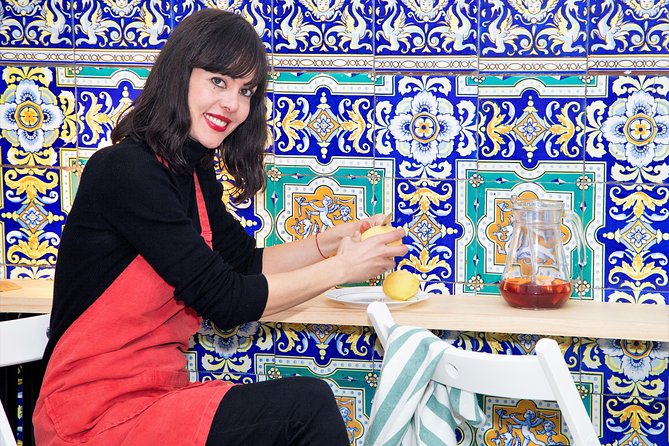
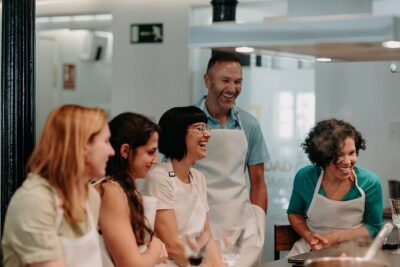
This experience runs for about 2 hours. Since the group is capped at seven, the pacing is designed to keep everyone participating without turning into a frantic assembly line.
A home class also means the timing depends on what the host is cooking, how the group progresses, and how much hands-on time you get. That is why arriving on time matters, and why good questions during the cooking steps are worth it.
Here is how to make the most of the session:
- Pay attention when the host talks about heat and timing, especially for tortilla and paella
- Ask what you should watch for visually, since that is usually the real trick
- Pace yourself with the drinks, so you stay present and actually remember the steps
If you treat it like a hands-on workshop, you will get much more value than if you just aim to eat.
Price and value: what you are really paying for at $95.58
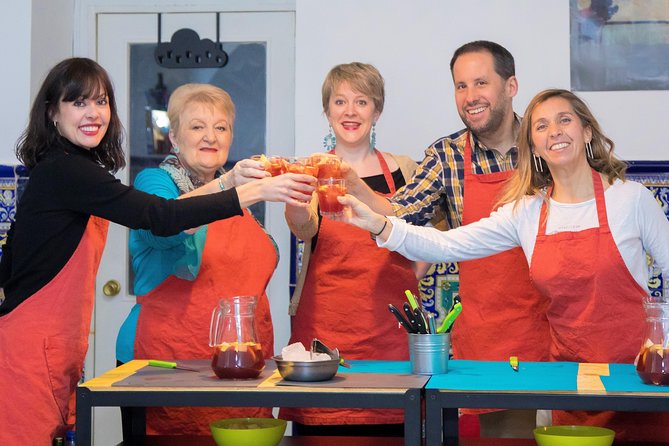
At $95.58 per person for roughly two hours, you might wonder what makes it worth it. Here is the honest math: you are paying for instruction, ingredients, a home kitchen setup, a small-group ceiling (max 7), and drinks including wine tasting and sangria.
A big part of the value is that you are learning in a real environment. In a restaurant, you see a finished dish. In a home class like this, you see the process that creates it, which is what you need if you want to cook it again later.
If you like food experiences that teach you a skill, this kind of class is typically a better buy than another meal where you only taste. You also get a clear structure: tortilla, paella, coffee, plus sangria and wine as part of the overall lunch flow.
Who should book this cooking class in Madrid
I think this fits best if you want Spanish food in a setting that feels personal. It is ideal for:
- Couples who want a shared activity that still feels authentic
- Small groups who like learning together
- Food lovers who want technique, not just tasting
It may be less ideal if you want a big sightseeing day. The experience is centered on cooking and dining, so you will not be doing a long checklist of Madrid sights.
Also, because it is in a home setting, you should treat it as a real workshop. Come prepared to participate, not just observe.
Practical tips before you go (so the day runs smoothly)
Bring a normal appetite and expect you will do real work at the stove and prep areas. Wear something comfortable, since you will likely stand, mix, and handle ingredients during the class.
If you have dietary restrictions, you should ask ahead. The menu is described as Spanish omelet, traditional paella, and coffee, with sangria and wine tasting included, but the provided details do not list options for substitutions.
Finally, if you are email-dependent, plan to check your inbox after the class. Several people mention recipe follow-up by email, and one person specifically noted the message landing in spam.
Should you book Traditional Paella, Tortilla & Sangria in Madrid?
If you want an authentic Spanish meal with real technique, I would book this. The best part is the combination: small group size, hands-on teaching, and a paella lesson connected to Valencia methods. Hosts like Paloma, Pipa, and Pilar are repeatedly described as warm and engaging, and people consistently mention that everyone participates.
I would only hesitate if you prefer large-group tours, or if you do not like being in a working kitchen environment. Also keep an eye on weather, since the experience requires good weather.
For most visitors, this is one of those “I’m glad I did it” Madrid afternoons because you leave with skills you can actually use back home.
FAQ
How long is the cooking class?
The class lasts about 2 hours.
What dishes and drinks are included?
You get instruction and a meal featuring Spanish omelet (tortilla), traditional paella, and coffee. You also get sangria and a wine tasting.
Is the class offered in English?
Yes, it is offered in English.
How large is the group?
The experience has a maximum of 7 travelers.
Where does the class start?
You start at C/ de Hortaleza, 92, Centro, 28004 Madrid, Spain and it ends back at the meeting point.
What happens if the weather is bad?
The experience requires good weather. If it’s canceled due to poor weather, you’ll be offered a different date or a full refund. You also have free cancellation up to 24 hours in advance for a full refund.
More Tour Reviews in Madrid
- Madrid: Tour Bernabéu Entry Ticket
★ 4.5 · 21,573 reviews - Madrid: Prado Museum Entry Ticket
★ 4.6 · 20,699 reviews - Madrid: “Emociones” Live Flamenco Performance
★ 4.8 · 12,866 reviews - Madrid: Panoramic Route City Tour
★ 4.1 · 12,259 reviews - Madrid: Live Flamenco Show with Food and Drinks Options
★ 4.5 · 9,901 reviews - Avila & Segovia Tour with Tickets to Monuments from Madrid
★ 5.0 · 9,762 reviews
Cook a Spanish Meal Yourself
- Spanish Cooking Class Paella Tapas and Sangria in Madrid
★ 5.0 · 1,340 reviews - Madrid: Paella and Sangria Workshop in the City Center
★ 4.9 · 1,264 reviews - Paella Cooking Class in Madrid with Bottomless Wine Pairing
★ 5.0 · 985 reviews - Paella Workshop with Bottomless Sangria in Central Madrid
★ 5.0 · 763 reviews - Madrid Tapas & Paella Cooking Experience with Local Market Visit
★ 5.0 · 432 reviews - Taste of Spain: Tapas Cooking Class with Bottomless Wine Pairing
★ 5.0 · 414 reviews
Just Added: New Madrid Tour Reviews






Spanish Cooking Classes, compared.
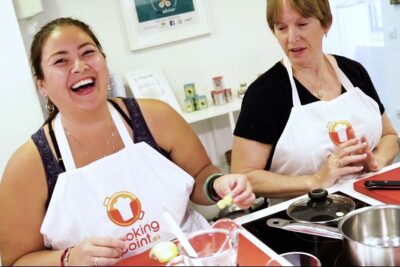 ★ 5.0Spanish Cooking Class Paella Tapas and Sangria in MadridFrom $1021,340 reviews
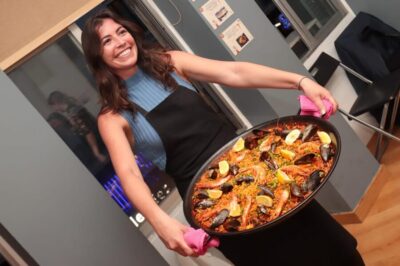 ★ 4.9Paella and Sangria Workshop in the City CenterFrom $691,264 reviews
 ★ 5.0Paella Cooking Class in Madrid with Bottomless Wine PairingFrom $143985 reviews
 ★ 5.0Paella Workshop with Bottomless Sangria in Central MadridFrom $78763 reviews
 ★ 5.0Madrid Tapas & Paella Cooking Experience with Local Market VisitFrom $114432 reviews
 ★ 5.0Taste of Spain: Tapas Cooking Class with Bottomless Wine PairingFrom $151414 reviews
 ★ 5.0Half-Day Spanish Cooking ClassFrom $100345 reviews
 ★ 5.0Paella & Sangria Classes- Seafood, Chicken & Vegan optionFrom $87265 reviews
Browse the lists this tour appears in