
REVIEW · MADRID GUIDED WALKING TOURS
Madrid: Welcome to Madrid Guided Walking Tour in English
Madrid has a way of stacking centuries on your feet. This walk ties together the city’s shift from Mayrit (abundant water) to Habsburg power and Bourbon modernization, with stops that feel like chapters in one long story. If you’re lucky enough to have Sebastian, you’ll get an energetic, friendly guide who keeps the pace moving.
Two things I especially like: you get a clear visual map of Madrid’s big eras, and you see signature sights without getting stuck in museum lines. The route also lands you at the Plaza Mayor area and then on toward the political heart of the city, so the history doesn’t just sit there—it explains why Madrid looks the way it does now. One heads-up: it’s a real walking tour, so wear comfy shoes and expect to keep moving for the full 2.5 hours.
In This Review
- Key takeaways before you go
- Starting at Opera Metro and the yellow-umbrella meet-up
- Mayrit to modern Madrid: the big story you’ll carry all day
- Royal Palace area to Almudena Cathedral: two styles, one power shift
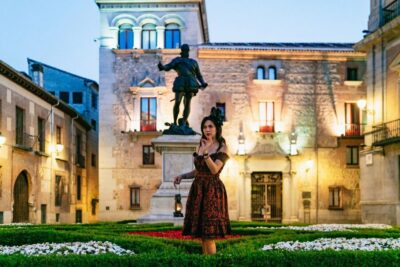
- Plaza de la Villa: architecture in three centuries you can spot
- Plaza Mayor: from public power to public spectacle
- Puerta del Sol: the busy center where Madrid shows its daily face
- Royal Academy of Fine Arts and Goya’s training link
- Gran Vía: Madrid’s 19th-century modernization in streets and scale
- Prado Museum area: why it fits this tour even without a full visit
- Congress of Deputies: a strong, memorable finish
- Price and what $31 gets you (and why it’s fair)
- Who this tour suits best
- What to do after: use this tour as your Madrid game plan
- Should I book this Madrid Islamic-to-democracy walking tour?
- FAQ
- Where is the meeting point?
- How long is the tour?
- Is the tour in English?
- Is hotel pickup included?
- What is included in the price?
- Is there a cancellation option?
- Is it pay later and how does payment work?
Key takeaways before you go
- Opera Metro meeting point, yellow umbrella: easy to spot and less stress at the start.
- Madrid’s origin story, in plain language: Mayrit to Habsburg to Bourbons, connected to real buildings.
- Plazas with different “jobs”: Plaza de la Villa for multi-century architecture, Plaza Mayor for major public events.
- Gran Vía as a modernization story: you’ll learn why it looks 19th-century bold, not medieval narrow.
- Art education link to Goya: a quick stop by the Royal Academy connects culture to power.
- Finish at the Congress of Deputies: a pointed ending for anyone curious about Spain’s democracy.
The centre on foot, other ways round
- Madrid Tapas & Wine Tasting Walking Tour – Small Group Local Bars★ 5.0 · 3,644 reviews
- Madrid Welcome Tour with Local Guide in Eco Tuk Tuk Private★ 5.0 · 2,936 reviews
- Madrid Walking Tour from Puerta del Sol to Retiro Park★ 5.0 · 2,285 reviews
- Madrid Old Town & Royal Palace Walking Tour Skip the Line Ticket★ 4.5 · 1,829 reviews
Starting at Opera Metro and the yellow-umbrella meet-up
Your tour begins near Opera Metro, outside the Teatro Real. Look for the yellow umbrella—it’s one of those details that saves time when you’re already juggling directions, photos, and early coffee.
From the jump, this tour works because it doesn’t treat Madrid like a list of monuments. It treats the city like a timeline. The guide sets that tone right away, then keeps returning to the “why” behind what you’re seeing.
No hotel pickup is included, so you’ll want to arrive a few minutes early and be ready to walk. If you’re traveling with limited mobility or you hate long stretches, this is the one part to plan for—once you’re moving, the tour is designed to keep the group flowing.
Mayrit to modern Madrid: the big story you’ll carry all day
What makes this experience click is the through-line: Madrid is explained as a city that kept reinventing itself. You start with the Arabic roots—Mayrit, meaning a place of abundant water—and then move forward into a sequence of major political shifts.
Under the Habsburgs, Madrid becomes the political hub of a sprawling empire, and the city’s growth starts to look purposeful, not accidental. Later, the Bourbons (especially Charles III) push modernization—planning, development, and a Madrid that starts acting like a leading European capital rather than a regional stronghold.
When a guide connects this story to actual streets and squares, you stop seeing Madrid as just pretty facades. You start spotting patterns: why some areas feel formal and ceremonial, why others feel commercial, and why certain buildings signal ambition rather than tradition.
Royal Palace area to Almudena Cathedral: two styles, one power shift
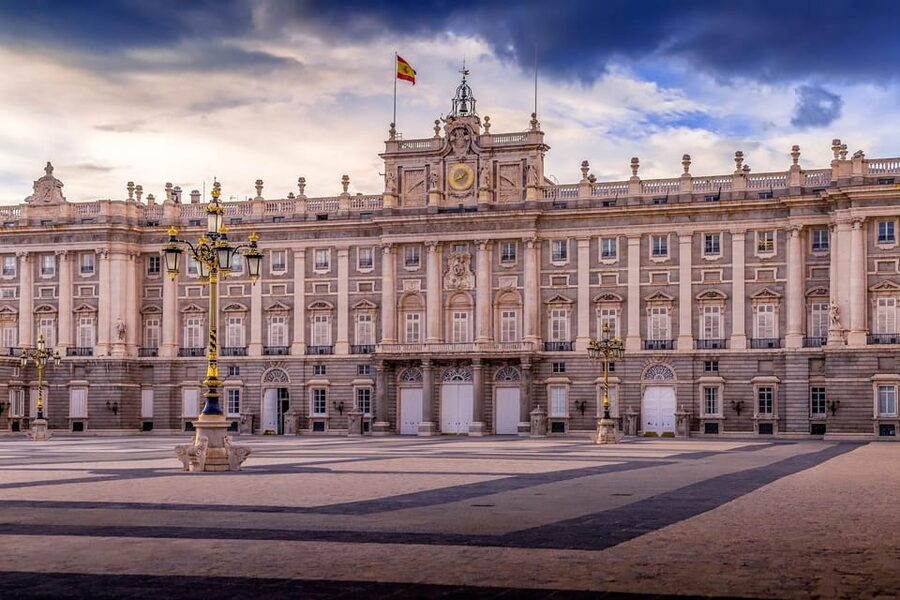
The walk gets underway close to the Royal Palace, which helps anchor the theme of rulership and ceremony. Even if you don’t go inside, the exterior area sets the mood: this is Madrid’s “official” side, built for state presence and public symbolism.
Next up is Almudena Cathedral. The tour frames it as a place with neo-styles, which matters because Madrid’s architecture doesn’t evolve in one straight line. It layers. You see how the city’s identity gets updated over time, instead of staying frozen in one era.
Practical takeaway: Almudena is a good moment to slow down mentally. You’re not just moving to the next stop—you’re resetting your understanding of how power changes show up in stone.
Plaza de la Villa: architecture in three centuries you can spot
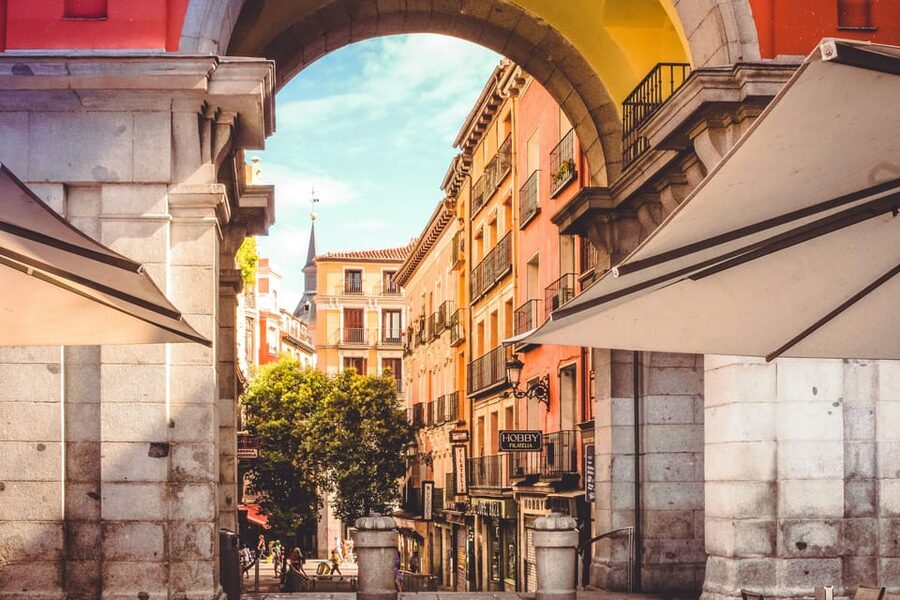
Plaza de la Villa is one of those places where the “small” details do a lot of work. The tour points out that you’ll see architectural styles spanning about three centuries. That turns a simple square into an outdoor history lesson.
Why it’s worth caring: this is the kind of place that helps you read Madrid after the tour. Later, when you wander on your own, you’ll notice that different streets and plazas feel like different “Madrid moments.” Plaza de la Villa teaches you how to see that.
If you like photography, this stop can be easy to over-shoot with pictures—so be ready to do quick photo bursts. The group timing matters because the walk continues and you don’t want to get left behind mid-journey.
The capital on foot, other routes to try


Plaza Mayor: from public power to public spectacle
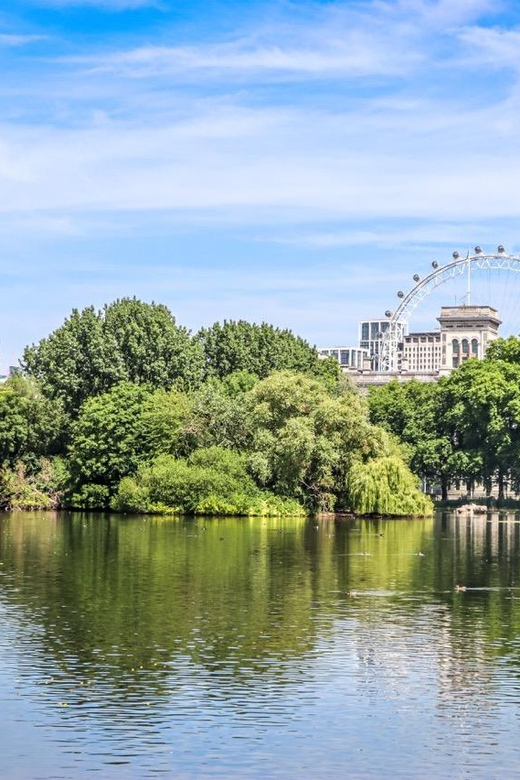
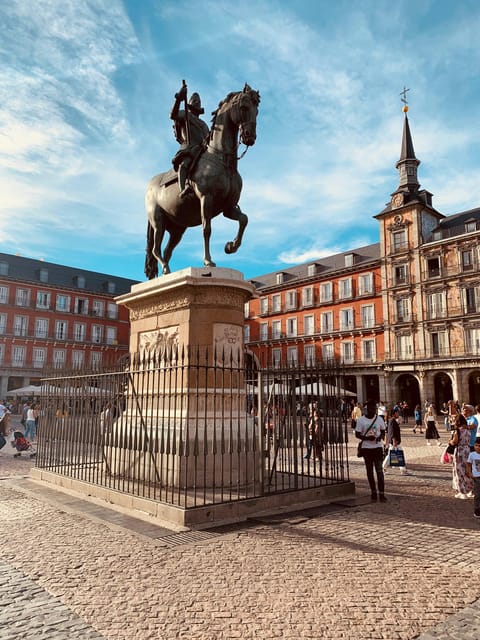
Then you reach Plaza Mayor, and the tour turns the square into a stage. You learn how this site hosted major historical events—Inquisition trials and royal celebrations are both part of the story. That contrast is the point: Plaza Mayor isn’t just scenic. It’s been a place where the state performed.
This stop also helps you understand why Madrid feels so comfortable mixing old and official. The city didn’t build its center for one purpose only. It built it for control, for ceremony, and for crowds.
Practical tip: if it’s a busy time of day, expect people around the edges while the center fills and empties. Your guide will keep you moving, but you’ll still have chances to frame photos without turning the whole experience into a traffic jam.
Puerta del Sol: the busy center where Madrid shows its daily face
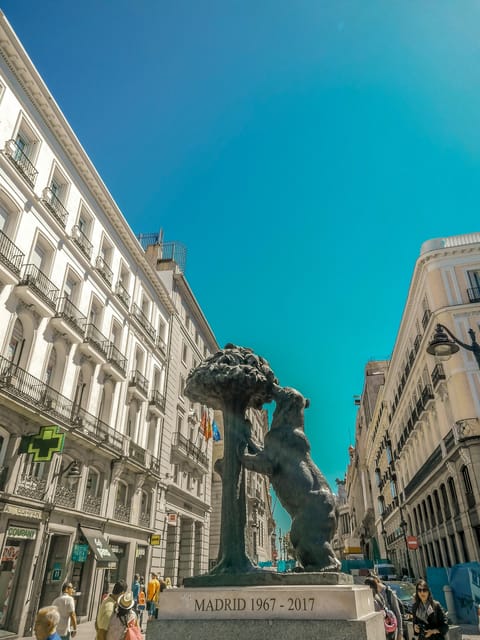
From Plaza Mayor, you head toward Puerta del Sol, described as the city’s bustling center. This is where history meets momentum: you’re suddenly in the Madrid most people experience first—movement, energy, and constant activity.
This section matters because you’ll be able to connect what you learned earlier to the way the city functions now. When you hear how earlier eras shaped the layout and prominence of key areas, Sol starts to make sense as more than a landmark.
If you’re the kind of person who likes a quick mental checklist, Sol is that moment. You’ll likely find yourself thinking: Okay, so that’s where the city’s gravity is today.
Royal Academy of Fine Arts and Goya’s training link
One of the more fun angles here is the stop connected to the Royal Academy of Fine Arts, where masters like Goya studied. It’s a quick bridge between power and culture.
This is valuable because it reminds you that art wasn’t separate from politics and prestige. In major capitals, schools, artists, and patrons often sit in the same circles. You get a clearer sense of how Madrid’s reputation wasn’t only about kings and courtyards—it was also about ideas and training.
From the guide style side, the energy you see in names like Daniel, Dina, and Duarte (depending on who you get) often shows up here: they tend to make these connections feel human, not academic.
Gran Vía: Madrid’s 19th-century modernization in streets and scale
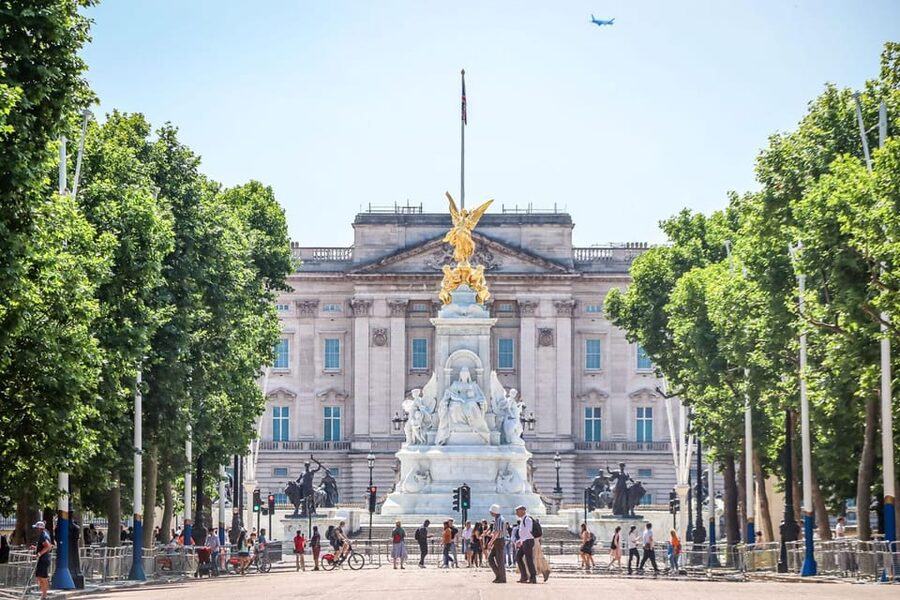
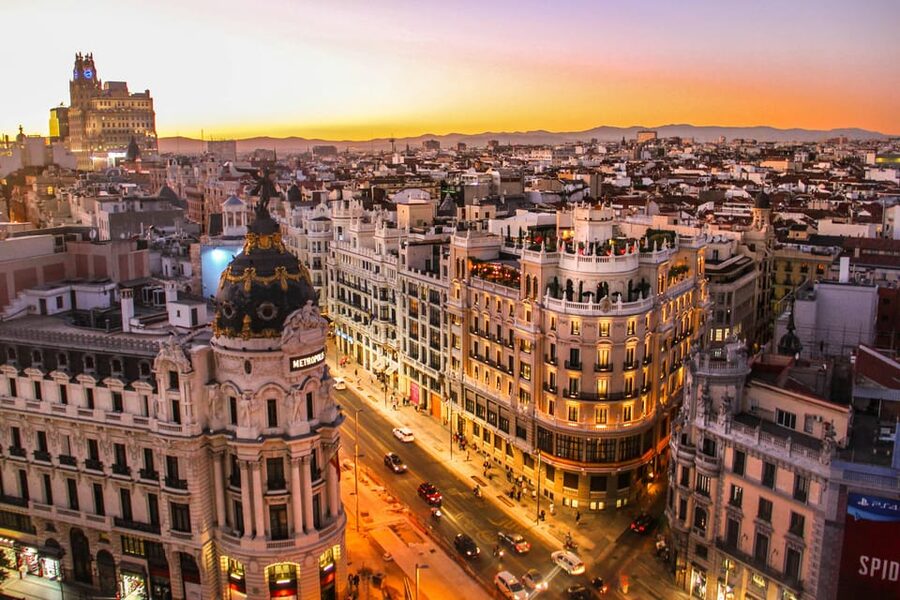
The tour’s discussion of Gran Vía is one of the headline moments. You’ll learn how it reflects 19th-century modernization—Madrid making space for a new kind of city, one built for growth and movement.
Gran Vía is also where you start feeling the difference between older Madrid and newer Madrid. The streets feel wider, more directed, and more “capital-like.” You’ll see why it became a signature boulevard rather than just another street.
If you’ve only seen Gran Vía on short walks, this part gives it meaning. You’re not just admiring a view—you’re understanding a shift in city planning and ambition.
Prado Museum area: why it fits this tour even without a full visit
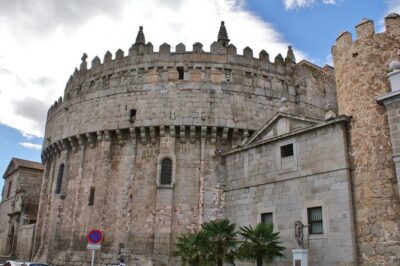
The route includes the Prado Museum area, which is a big deal even when you’re not doing a full museum day. For first-time visitors, this is a smart way to register Prado’s place in the city’s cultural hierarchy without spending hours inside.
Here’s the value: by the time you see it, you’ve already learned how power, art, and modernization connect in Madrid. That makes Prado feel less like a stand-alone ticket and more like part of the city’s long game.
If you’re planning your own itinerary after this tour, you’ll likely know what to prioritize: art lovers will want a deeper Prado visit; others can still enjoy the museum area as a key piece of the city’s identity.
Congress of Deputies: a strong, memorable finish
The walk ends at the Congress of Deputies, where Spanish democracy was once tested. That last stop gives the tour an edge. You started with early foundations and evolving power structures, and you end with the modern political system.
It’s also a good ending point for practical planning. Once you finish here, you’re closer to central hubs for transit and evening plans, and you’ll have a better sense of what you want to revisit.
Guides often pace this final section to keep it lively rather than preachy. If you get Joaquín, for example, the storytelling style tends to add humor while still pointing you to the important political context.
Price and what $31 gets you (and why it’s fair)
At $31 per person for about 2.5 hours, this isn’t a bargain-priced “just walk around” thing. You’re paying for a live guide and a structured route through multiple major sites—Royal Palace area, Almudena Cathedral, Plaza de la Villa, Plaza Mayor, Puerta del Sol, Gran Vía, Prado area, and finally the Congress of Deputies.
The smart value angle is that this tour functions like a orientation tool. It helps you build a mental map so you can spend the rest of your time in Madrid with intention instead of guesswork. If you’re going to spend money on tickets anyway, an orientation walk can actually save you from backtracking or missing areas that fit your interests.
One more note: this is a pay-as-you-wish setup. The amount you pay covers the reservation fee and the guide’s payment, and you can reward the guide based on what you feel the experience delivered. In plain terms: if you gel with the guide’s style, tipping is part of how you show it.
Who this tour suits best
This tour is a great match if:
- You want a first-pass understanding of how Madrid changed over time, not just what to see.
- You like history explained with names, dates, and real locations tied together.
- You enjoy guides who ask for questions and keep the group engaged, like Sebastian, Adam, Daniel, or Esme (the guide names vary, but the energy style is often similar).
It might be less ideal if:
- You hate walking and prefer a slower pace with lots of sitting.
- You only want one tiny “neighborhood bubble.” This tour covers major central highlights, so it moves.
What to do after: use this tour as your Madrid game plan
Once you finish, you’ll likely want to go back to a couple of stops and look at them again with a sharper lens. That’s the best way to get value from a guided route.
If you liked the art-and-power angle, plan a deeper Prado visit. If you loved the ceremonial center, revisit Plaza Mayor and poke around nearby streets without rushing. And if you enjoyed the political ending, you can keep exploring central Madrid with more curiosity about what you’re seeing.
Should I book this Madrid Islamic-to-democracy walking tour?
If this is your first time in Madrid, I’d book it. The route hits the big recognizers—Gran Vía, Plaza Mayor, Puerta del Sol—and it adds context that makes those places feel connected instead of random.
Book it especially if you want a guided introduction that helps you build a short-list of what to revisit. Skip it only if you know you can’t handle sustained walking or you prefer a museum-heavy schedule from day one.
FAQ
Where is the meeting point?
The tour meets at Opera Metro station, outside the Teatro Real. You should look for the yellow umbrella.
How long is the tour?
The duration is 2.5 hours.
Is the tour in English?
Yes, it’s offered with a live tour guide in English.
Is hotel pickup included?
No. Hotel pickup and drop-off are not included.
What is included in the price?
The price includes a walking tour and a guide.
Is there a cancellation option?
Yes. Free cancellation is available up to 24 hours in advance for a full refund.
Is it pay later and how does payment work?
You can reserve now & pay later (pay nothing today). Also, when you book, you’re joining a pay-as-you-wish style tour where your payment covers a reservation fee and the guide’s payment, and you can reward the guide based on how you feel about the experience.
More Tours in Madrid
- Madrid: Tour Bernabéu Entry Ticket
★ 4.5 · 21,573 reviews - Madrid: Panoramic Route City Tour
★ 4.1 · 12,259 reviews - Avila & Segovia Tour with Tickets to Monuments from Madrid
★ 5.0 · 9,762 reviews - Madrid: Royal Palace Expert Guided Tour with Skip-the-Line
★ 4.7 · 8,407 reviews - Madrid: Segovia and Toledo Tour, Alcazar, and Cathedral
★ 4.7 · 7,797 reviews - Toledo Tour from Madrid: Cathedral, Synagogue & St. Tome’s Church
★ 5.0 · 6,784 reviews
More Tour Reviews in Madrid
- Madrid: Tour Bernabéu Entry Ticket
★ 4.5 · 21,573 reviews - Madrid: Prado Museum Entry Ticket
★ 4.6 · 20,699 reviews - Madrid: “Emociones” Live Flamenco Performance
★ 4.8 · 12,866 reviews - Madrid: Panoramic Route City Tour
★ 4.1 · 12,259 reviews - Madrid: Live Flamenco Show with Food and Drinks Options
★ 4.5 · 9,901 reviews - Avila & Segovia Tour with Tickets to Monuments from Madrid
★ 5.0 · 9,762 reviews
Walk the Heart of Madrid
- Madrid Tapas & Wine Tasting Walking Tour – Small Group Local Bars
★ 5.0 · 3,644 reviews - Madrid Welcome Tour with Local Guide in Eco Tuk Tuk Private
★ 5.0 · 2,936 reviews - Madrid Walking Tour from Puerta del Sol to Retiro Park
★ 5.0 · 2,285 reviews - Madrid Old Town & Royal Palace Walking Tour Skip the Line Ticket
★ 4.5 · 1,829 reviews - Madrid: Welcome to Madrid Guided Walking Tour
★ 4.9 · 1,738 reviews - Madrid: Spanish Inquisition and Legends Evening Walking Tour
★ 4.7 · 1,396 reviews
Just Added: New Madrid Tour Reviews


Madrid Guided Walking Tours, compared.
 ★ 5.0Madrid Tapas & Wine Tasting Walking Tour – Small Group Local BarsFrom $933,644 reviews
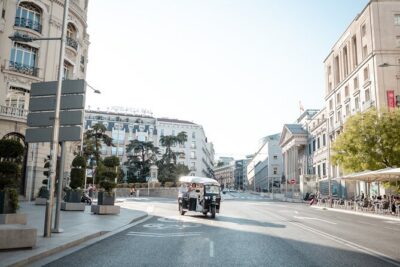 ★ 5.0Madrid Welcome Tour with Local Guide in Eco Tuk Tuk PrivateFrom $282,936 reviews
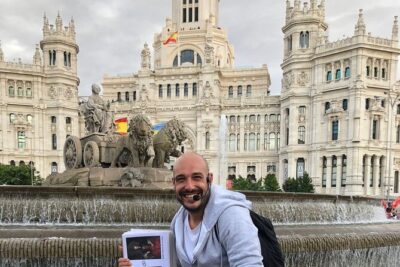 ★ 5.0Madrid Walking Tour from Puerta del Sol to Retiro ParkFrom $32,285 reviews
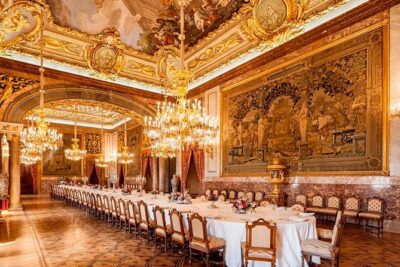 ★ 4.5Madrid Old Town & Royal Palace Walking Tour Skip the Line TicketFrom $401,829 reviews
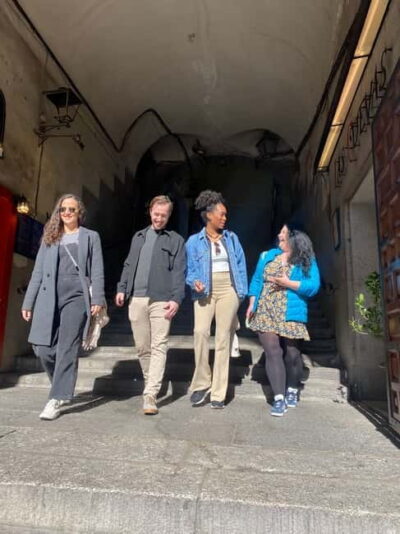 ★ 4.9Welcome to Madrid Guided Walking TourFrom $311,738 reviews
 ★ 4.7Spanish Inquisition and Legends Evening Walking TourFrom $231,396 reviews
 ★ 5.0Majestic Madrid Walking TourFrom $311,274 reviews
 ★ 5.0Guided Walking Tour of Immortal ToledoFrom $131,116 reviews
Browse the lists this tour appears in