
REVIEW · PLAZA MAYOR & OLD TOWN TOURS
Madrid: Walking tour of Barrio de las Letras and Madrid de los Austrias
A few blocks can feel like a whole era. This 3-hour Madrid walking tour links literature and Habsburg-era sights with an easy, story-led pace that helps you spot the important details fast.
I especially like that it stays small-group (up to 10), so you’re not just being funneled along. I also like the guide approach, described as well documented and easy to follow—perfect for first-timers and people returning to Madrid.
The route through Barrio de las Letras is a big reason to book. You’ll move between major literary stops like the Casa-Museo de Lope de Vega and the Casa de Cervantes, plus photo-worthy public landmarks like Puerta del Sol and Plaza Mayor. A good consideration: it’s mostly outside walking with break stops and photo moments, and tickets to go inside monuments or museums are not included.
In This Review
- Key highlights you should care about
- Meeting at Casa-Museo de Lope de Vega: where the stories start
- Convent of the Barefoot Trinitarians: a quiet pause that adds character
- Casa de Cervantes: the literary core of Barrio de las Letras
- Plaza de Santa Ana: a square stop that works for people-watching
- Tablao Flamenco 1911: a photo stop with cultural context
- Puerta del Sol: where the walk turns into classic Madrid
- Plaza Mayor: the big-square moment
- Sobrino de Botín and the Market of San Miguel: breaks that feel like Madrid
- Plaza de la Villa: a calmer stitch in the old-town fabric
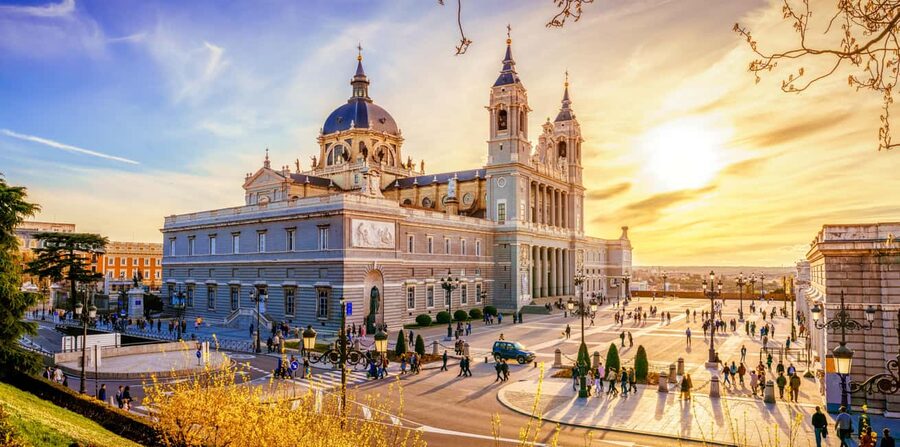
- Almudena Cathedral: architecture focus as you head to the palace
- Finish at Palacio Real de Madrid: the grand ending (without rushing)
- Price and value: what 31 dollars buys you in real time
- Who should book this walking tour (and who might skip)
- Should you book this Madrid walk?
- FAQ
- FAQ
- Where does the tour start?
- How long is the walking tour?
- What does the tour cost?
- Is the tour guided, and what languages are offered?
- Is the group size limited?
- Are monument or museum tickets included?
- Where does the tour finish?
- Is this experience wheelchair accessible?
- What should I wear or bring?
Key highlights you should care about
- Lope de Vega to Cervantes: two anchors of Madrid’s literary identity in one walk
- Barrio de las Letras atmosphere: narrow streets and recognizable old-town squares
- Madrid de los Austrias focus: a route that leads you toward the Almudena Cathedral and Royal Palace area
- Quick hits, not a marathon: breaks and photo stops built into a 3-hour plan
- Up to 10 people: you get a guide who can actually explain, not just recite
Sol, the arches and the tangle of old streets
- Madrid Essential: Historic Center, Plaza Mayor & Royal Palace★ 5.0 · 6,416 reviews
- Madrid Walking Tour from Puerta del Sol to Retiro Park★ 5.0 · 2,285 reviews
- Madrid Old Town & Royal Palace Walking Tour Skip the Line Ticket★ 4.5 · 1,829 reviews
- Madrid Historic Centre Food Tour with Authentic Tapas & Wines★ 5.0 · 814 reviews
Meeting at Casa-Museo de Lope de Vega: where the stories start
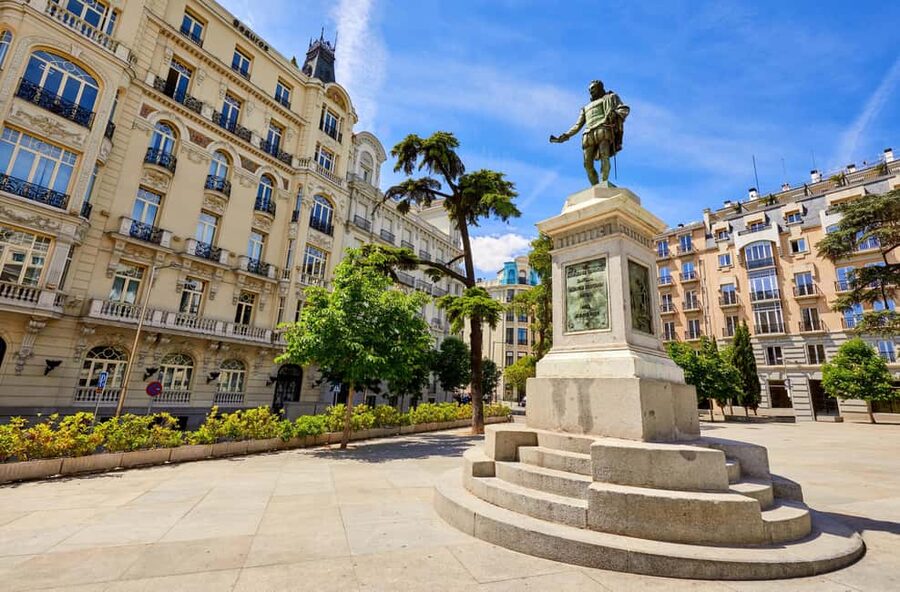
Your tour begins at the main entrance of the Casa-Museo de Lope de Vega. That matters more than you’d think. Meeting at a literary house sets the tone right away: you’re not doing a random “see Madrid” stroll. You’re learning why certain streets and buildings became symbols—especially for Madrid’s writer culture.
From the start, you’re guided by a certified guide (English, Spanish, or French). And because the group is capped at 10 participants, the guide can keep things moving without losing the thread. For me, that’s the sweet spot: you get context without feeling stuck in a long lecture.
Practical tip: plan to spend extra attention here before you rush off to the next stop. This first section helps you understand what you’re looking for later—especially when the tour shifts toward plazas and royal landmarks.
Convent of the Barefoot Trinitarians: a quiet pause that adds character
Next up is the Convent of the Barefoot Trinitarians. Even if you’re not a “convent person,” this stop works because it contrasts with the louder street scenes around it. The tour includes a break plus a guided moment, a photo stop, and sightseeing as you walk past and through the area.
This is also where your guide starts to connect themes—literature, faith, and the way Madrid’s older neighborhoods developed around more than one kind of power. You’ll also get a feel for street layout and neighborhood flow, which helps for the rest of the day once you’re doing more exploring on your own.
Possible drawback: because the tour includes breaks and photo moments, you won’t get a deep, museum-style experience at every single site. Think of it as guided orientation plus memorable stops—rather than a ticketed crawl of interiors.
Casa de Cervantes: the literary core of Barrio de las Letras
Then you reach Casa de Cervantes. This is one of the centerpiece stops for the whole walk, and it’s where the “literary side of Madrid” theme becomes very real in your mind. You’ll get another guided visit, plus time for sightseeing and photos.
Barrio de las Letras is the kind of neighborhood where you can easily wander without realizing what you’re looking at—unless someone helps you connect the dots. A guided stop like this gives your photos meaning. The streets stop being just pretty; they become part of the city’s writer legacy.
If you’ve been to Madrid before, I think this is still worth doing. Even short visits can leave you remembering the obvious sights and forgetting the smaller narrative threads. A good guide helps stitch them back together.
Plaza de Santa Ana: a square stop that works for people-watching
After the Cervantes stop, you’ll get to Plaza de Santa Ana. The tour includes a break, a photo stop, and guided sightseeing.
Squares like Santa Ana are useful in a walking tour because they reset your pacing. You’re outdoors, you can orient yourself visually, and you’re not always climbing forward block by block. It’s also a good place to slow down and look at the surrounding architecture as a single picture, not just individual buildings.
Who this suits: if you like urban atmosphere—street texture, crowd rhythms, and how locals move through their day—this stop gives you that without requiring you to commit to a full restaurant or museum timeline.
The centre on foot, other ways round


Tablao Flamenco 1911: a photo stop with cultural context
You’ll pass by Tablao Flamenco 1911 with a photo stop and guided sightseeing. Important note: based on the structure of the tour, this is not described as a flamenco show included in the price. It’s more like a cultural signpost—something to see and understand within Madrid’s broader performing-arts identity.
This stop still adds value. It widens the tour beyond literature into how Madrid expresses culture—through music, dance, and performance spaces. Even if you’re not planning to attend a show that day, it helps you know what you’re looking at if you come back later on your own.
Practical idea: if flamenco interests you, treat this as a nudge to research what’s on when you’re in town. The tour itself gives you context, not a ticket.
Puerta del Sol: where the walk turns into classic Madrid
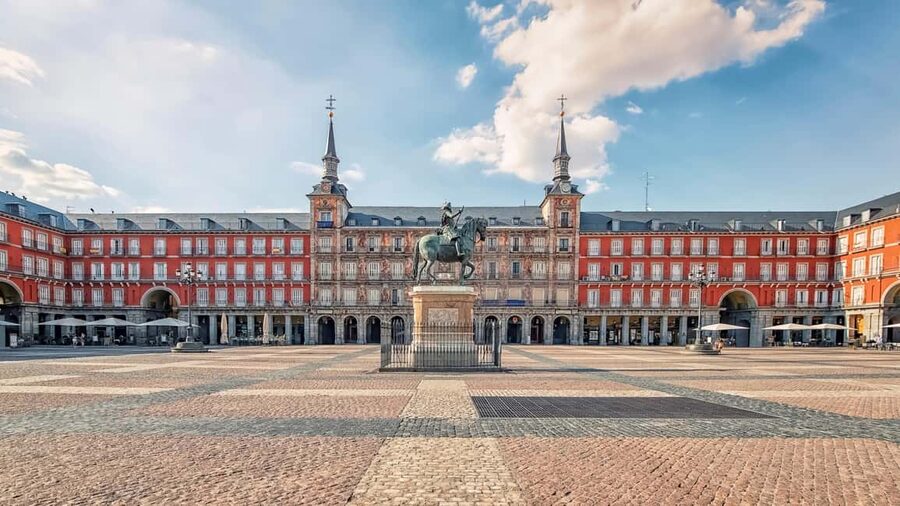
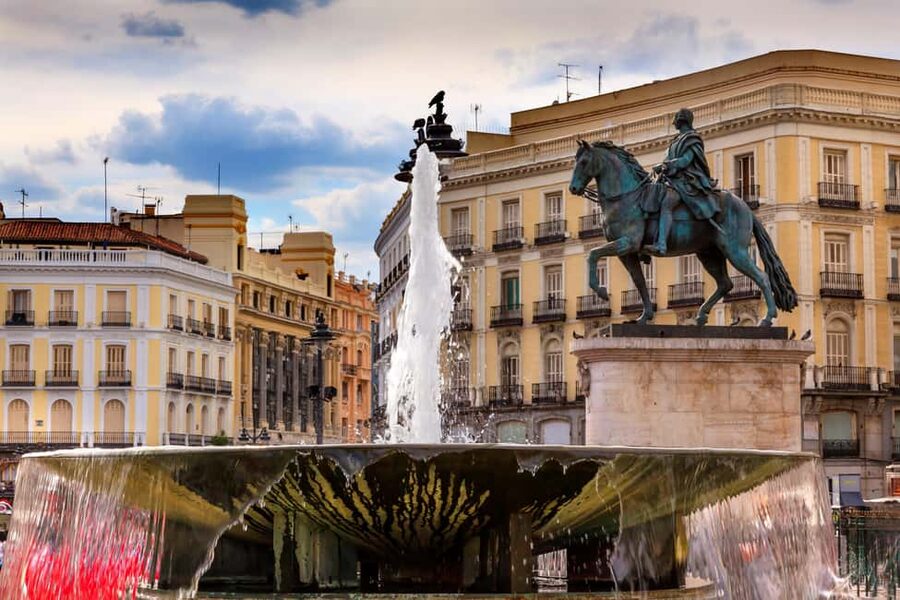
Then comes Puerta del Sol—another guided stop with time for a break, photos, and sightseeing. Puerta del Sol is one of those places that can feel chaotic if you’re there alone, because there’s so much going on visually.
In a guided walking tour, the value is that you don’t just get the crowd experience. You get a sense of what makes this hub important and how it connects to the rest of the city’s core. You’ll also have the chance to steady your bearings for the stretch that follows.
If you’re the type who likes taking photos but also wants to understand what you’re photographing, this part of the route hits the balance well. You can take pictures at your pace, while the guide keeps your attention on the meaningful details.
Plaza Mayor: the big-square moment
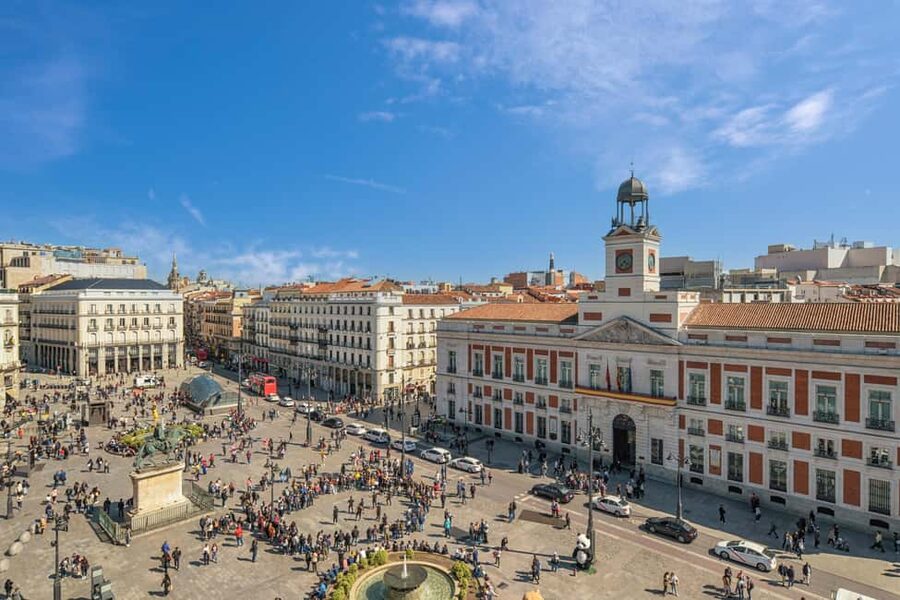
Next is Plaza Mayor, Madrid, another break and photo stop plus guided sightseeing and walking.
This is a high-recognition sight, but it still works on a guided tour because the guide helps you read the square rather than just stare at it. Squares are like outdoor rooms: the shapes, the openings, the way streets feed into them—those are the things that make them feel dramatic. You’ll likely walk the edges, take photos, and get guided context so you understand why this square matters in the urban story of Madrid.
Tip for your timing: after this stop, you’ll be in the home stretch toward your finish area. It’s a smart moment to think about how you want to use the last portion of your day—another walk, a meal nearby, or saving energy for the Royal Palace zone.
Sobrino de Botín and the Market of San Miguel: breaks that feel like Madrid
The tour includes a stop at Sobrino de Botín (photo stop, guided sightseeing, and walking). Then you get to the Market of San Miguel with another break and guided sightseeing.
Even if you don’t plan to eat during the tour, these stops are useful because they connect “Madrid the city” to “Madrid the daily life.” Food markets and classic eateries are where the city’s rhythm becomes obvious. You’ll see how people move through the area, what draws attention, and where you might want to return later.
One note: the tour data doesn’t say that food is included. So treat these as time windows for browsing, snacking if you feel like it, or simply soaking up the scene between major landmarks.
Why I like this approach: it prevents the tour from becoming only monuments and cathedrals. You get a human-scale Madrid moment built in.
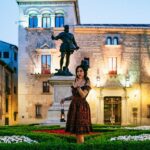
Plaza de la Villa: a calmer stitch in the old-town fabric
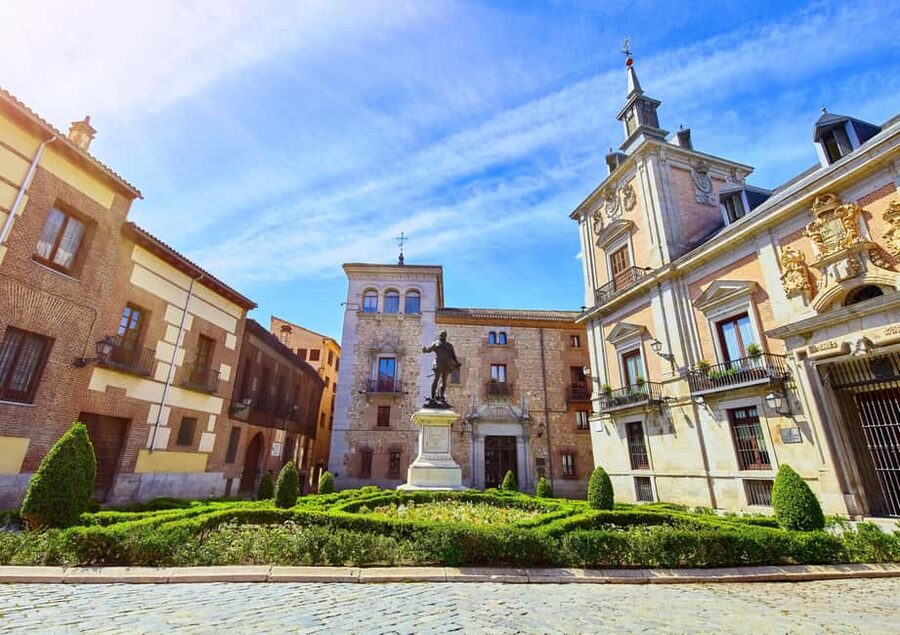
Next up is Plaza de la Villa with another break, photo stop, guided sightseeing, and walking. This is a good “in-between” stop—more grounded than the big tourist magnet moments, and still deeply part of Madrid’s older core.
I like when a walking tour includes at least one slower stop like this. It keeps you from feeling like you’re rushing from highlight to highlight with no chance to absorb what you’re seeing. You’ll come away with a more layered picture of the neighborhood, not just a checklist of famous stops.
Almudena Cathedral: architecture focus as you head to the palace
After Plaza de la Villa, the tour continues toward Almudena Cathedral. Here you’ll get break time, photo stop, guided tour, sightseeing, and walking as you pass through the area.
The highlight description calls out the architecture of Almudena Cathedral, and this stop is your chance to look at the building as a structure, not just a backdrop. In a guided walk, the value is that you’re primed for the architectural cues the guide wants you to notice—so your photos and memories are more than random “nice building” images.
Practical consideration: you might be tempted to stop and spend extra time here if you’re captivated. Just remember the tour’s finish is still ahead at the Royal Palace, so build a little flexibility into your mindset.
Finish at Palacio Real de Madrid: the grand ending (without rushing)
The walk finishes at Palacio Real de Madrid. This ending is a strong payoff: you’re led through older streets and key squares, and you close the loop right at the scale of the Royal Palace area.
Even if you don’t have a monument ticket included, just arriving here at the end of a guided route changes how you experience the city. You understand the direction you’ve been walking and why the landmarks connect. The palace finish also makes it easier to keep exploring on your own immediately after the tour, since you’re already in the right zone.
Value of the ending: it gives you a memorable “last frame” to hang your Madrid photos on—especially if it’s your first time, or if you’re returning and want a more coherent itinerary than an aimless wander.
Price and value: what 31 dollars buys you in real time
At $31 per person for about 3 hours, the tour is priced like a smart guided orientation—especially with a certified guide and a small group of up to 10.
What you’re really paying for isn’t just the places. It’s the way the guide connects them: the literary thread from Lope de Vega to Cervantes, then the way the walk flows through older Madrid with plazas and cultural landmarks leading you toward the Almudena Cathedral and Royal Palace finish. That kind of narrative is what turns a short walking tour into something you’ll remember, even if you don’t go inside every site.
Tickets aren’t included for monuments or museums, so if you want a lot of interiors, plan to add separate admissions later. But as a guided “see and understand” experience, this price-to-time ratio is strong.
Who should book this walking tour (and who might skip)
This tour is a great match if you:
- want a literature-themed way to experience Madrid’s center without getting lost
- like guided pacing with breaks and photo stops
- want something that still feels fresh even if you’ve been to Madrid before
You might skip it if you:
- want only monument interiors and guided museum time (tickets are not included)
- dislike walking in general or want a mostly indoor day (this is a walking-focused experience)
Should you book this Madrid walk?
If you want a clear, well-paced way to connect Barrio de las Letras with major old-town squares and end at the Royal Palace zone, this is an easy yes. The biggest strength is the guide style: clear, well-prepared explanation and a route that helps you learn something new without turning the day into a long slog.
FAQ
FAQ
Where does the tour start?
The meeting point is the main entrance of the Casa-Museo de Lope de Vega. The guide will be wearing a distinctive bag.
How long is the walking tour?
It lasts 3 hours.
What does the tour cost?
The price listed is $31 per person.
Is the tour guided, and what languages are offered?
Yes, it includes a certified guide. The tour is available in English, Spanish, and French.
Is the group size limited?
Yes. It’s a small group with a limit of 10 participants.
Are monument or museum tickets included?
No. Tickets to monuments or museums are not included.
Where does the tour finish?
It finishes at Palacio Real de Madrid.
Is this experience wheelchair accessible?
Yes, it’s listed as wheelchair accessible.
What should I wear or bring?
Bring comfortable shoes and weather-appropriate clothing, plus comfortable clothes for walking.
More Tour Reviews in Madrid
- Madrid: Tour Bernabéu Entry Ticket
★ 4.5 · 21,573 reviews - Madrid: Prado Museum Entry Ticket
★ 4.6 · 20,699 reviews - Madrid: “Emociones” Live Flamenco Performance
★ 4.8 · 12,866 reviews - Madrid: Panoramic Route City Tour
★ 4.1 · 12,259 reviews - Madrid: Live Flamenco Show with Food and Drinks Options
★ 4.5 · 9,901 reviews - Avila & Segovia Tour with Tickets to Monuments from Madrid
★ 5.0 · 9,762 reviews
Walk the Heart of Madrid
- Madrid Tapas & Wine Tasting Walking Tour – Small Group Local Bars
★ 5.0 · 3,644 reviews - Madrid Welcome Tour with Local Guide in Eco Tuk Tuk Private
★ 5.0 · 2,936 reviews - Madrid Walking Tour from Puerta del Sol to Retiro Park
★ 5.0 · 2,285 reviews - Madrid Old Town & Royal Palace Walking Tour Skip the Line Ticket
★ 4.5 · 1,829 reviews - Madrid: Welcome to Madrid Guided Walking Tour
★ 4.9 · 1,738 reviews - Madrid: Spanish Inquisition and Legends Evening Walking Tour
★ 4.7 · 1,396 reviews
Old Madrid on Foot
- Madrid Essential: Historic Center, Plaza Mayor & Royal Palace
★ 5.0 · 6,416 reviews - Madrid Walking Tour from Puerta del Sol to Retiro Park
★ 5.0 · 2,285 reviews - Madrid Old Town & Royal Palace Walking Tour Skip the Line Ticket
★ 4.5 · 1,829 reviews - Madrid Historic Centre Food Tour with Authentic Tapas & Wines
★ 5.0 · 814 reviews - Madrid in a Day Tour:Royal Palace, Historic Center & Prado Museum
★ 5.0 · 628 reviews - Guided Tour of Madrid of the Austrias and the Historic Center
★ 5.0 · 520 reviews
Just Added: New Madrid Tour Reviews



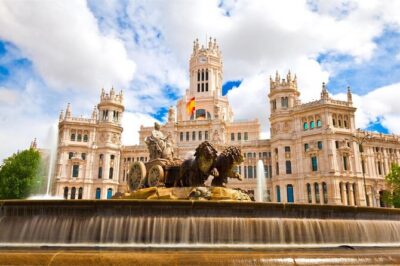
Plaza Mayor & Old Town Tours, compared.
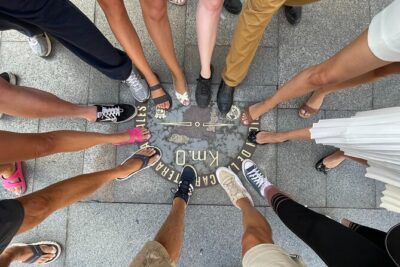 ★ 5.0Madrid Essential: Historic Center, Plaza Mayor & Royal PalaceFrom $36,416 reviews
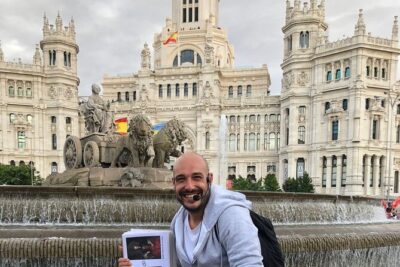 ★ 5.0Madrid Walking Tour from Puerta del Sol to Retiro ParkFrom $32,285 reviews
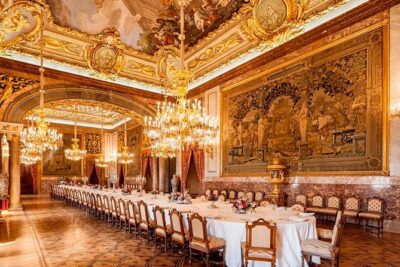 ★ 4.5Madrid Old Town & Royal Palace Walking Tour Skip the Line TicketFrom $401,829 reviews
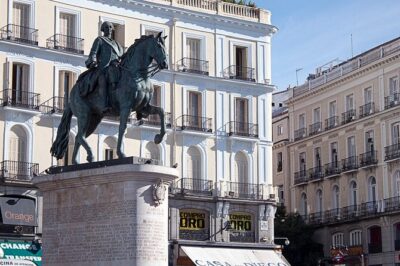 ★ 5.0Madrid Historic Centre Food Tour with Authentic Tapas & WinesFrom $78814 reviews
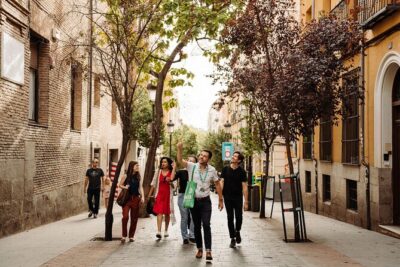 ★ 5.0Madrid in a Day Tour:Royal Palace, Historic Center & Prado MuseumFrom $119628 reviews
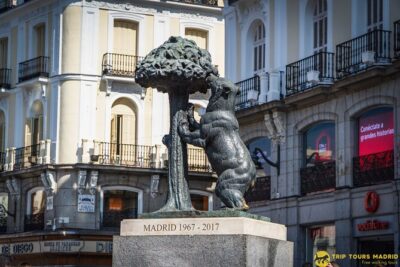 ★ 5.0Guided Tour of Madrid of the Austrias and the Historic CenterFrom $2520 reviews
 ★ 5.0Old Madrid Tapas and Fine Wine Small Group TourFrom $101415 reviews
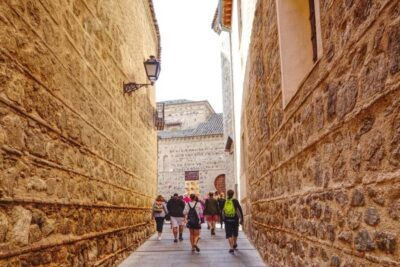 ★ 4.2From Madrid: Old Town Toledo Tour with Optional ActivitiesFrom $32403 reviews
Browse the lists this tour appears in