
REVIEW · MADRID WINE TASTING
Madrid Region Wineries Guided Tour with Wine Tastings
Caves, families, and serious Spanish wine. This half-day trip turns the Madrid countryside into a tasting classroom, with winemakers guiding you through their cellars, caves, and vineyards in medieval towns. I especially love that you taste at least nine wines, not just a quick sample.
I also like the way this tour compares styles side by side. One winery can feel boutique and focused, another blends tradition with modern techniques, and the third leans into the historical side with centuries-old cave aging and clay-pot methods.
One possible drawback: at $171 for 6 hours, it’s not a slow, linger-all-day outing. You’re there for tastings and tastier bites (no full lunch), so bring an appetite and plan for a packed pace.
In This Review
- Key highlights to look for
- Getting from Madrid: the short run to Chinchón and Colmenar de Oreja
- Chinchón: medieval streets, guided tastings, and local snacks
- Vineyard wandering and the Madrid wine base: Tempranillo and river-fed soils
- Centuries-old caves and clay-pot aging: the part you will remember
- Colmenar de Oreja: two winery stops close together, two different ways of making wine
- What you’ll actually taste: nine wines, real food pairings, and generous pours
- Your guide and group size: why the best part is the people
- Price and value: is $171 fair for six hours?
- Who this tour suits best (and who should skip it)
- Should you book this Madrid Region Wineries Guided Tour?
- FAQ
- How long is the Madrid Region Wineries Guided Tour?
- How many wineries and tastings are included?
- Is transportation included?
- What languages does the guide speak?
- Is this tour suitable for children?
- Are pets and costumes allowed?
Key highlights to look for
- Three family-owned wineries with host-led tastings and appetizers at each stop
- At least nine wine tastings across different varieties, not just one kind
- Vineyard wandering alongside Tempranillo rows and hands-on wine context
- Centuries-old caves where wines age and the setting tells part of the story
- Clay-pot aging with producers who keep using traditional methods (some over a hundred years old)
- Small group flow (avg around 8 people, max 20) that keeps questions coming
One more Ribera or Rioja, close at hand
- Madrid Tapas & Wine Tasting Walking Tour – Small Group Local Bars★ 5.0 · 3,644 reviews
- Toledo Tour & Vineyard Walk with Wine Tasting from Madrid★ 5.0 · 2,546 reviews
- Madrid: Tapas & Wine Tasting Tour with Local Guide★ 4.8 · 2,171 reviews
- Madrid Tapas & Wine Tour with Rooftop Views and Local Guide★ 5.0 · 2,047 reviews
Getting from Madrid: the short run to Chinchón and Colmenar de Oreja
You start right in Madrid, at Pl. del Conde de Casal, 6—specifically the front door of the cafetería of Hotel Claridge. If you’re using public transit, the closest stop is Conde de Casal (Line 6). This matters because a lot of day tours feel like a scavenger hunt; here, your meetup point is straightforward.
Once you’re aboard, expect about 35 minutes of coach time out into the wine area. You’ll spend plenty of that ride watching the countryside come into focus, then you hit Chinchón first, where the pace shifts from city energy to small-town winery hospitality. It’s a good rhythm for people who want a real change of scenery without giving up a full day.
Chinchón: medieval streets, guided tastings, and local snacks
Chinchón is one of those towns that feels made for walking, and the tour builds time around that. You get about 75 minutes in the town tied directly to wine—guided tour, tastings, and local snacks.
What I like about the Chinchón stop is that it sets up comparison. You’re not just being shown grapes and glassware; you’re being led through choices—why one producer makes one style and another makes a different one. In the small-group format, that’s where the guide’s personality really shows up, and several guides have earned big praise for keeping things lively while still explaining the process clearly.
Afterward, there’s about 25 minutes of scenic time as you move on. It’s enough to see the region’s texture—open plots, river-fed farming country—without making the drive the main event. For your group, that break helps you keep your palate awake for the next cellar.
Vineyard wandering and the Madrid wine base: Tempranillo and river-fed soils
The Madrid wine zone is part of what makes this tour feel distinct from the big-name regions people fly to. You’re in a landscape shaped by rivers feeding the area—specifically the Tagus system is mentioned as part of the story—and you’re learning how tradition has been passed down for 900+ years in this part of Spain.
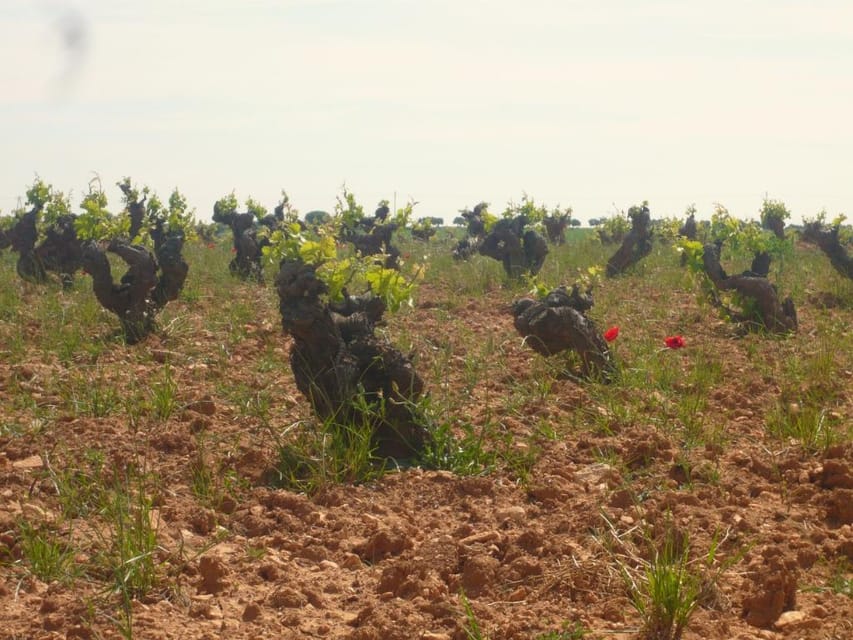
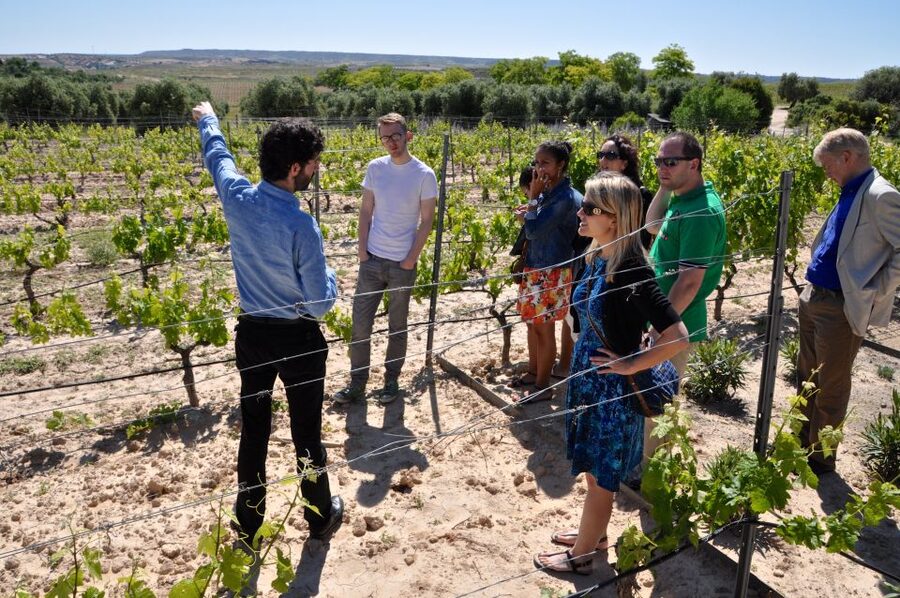
A standout experience on this type of tour is getting into the vineyard context, not only the tasting room. You’ll wander through vineyard rows with Tempranillo grapes, which are the base for many of Spain’s full-bodied reds. Even if you’re not a wine nerd, this gives you something practical: you learn to connect what you smell and taste later back to what’s growing outside.
If you like structure, this is where it works. By the time you hit the caves, you already understand why Tempranillo matters here. That makes the aging story click instead of feeling like random trivia.
Centuries-old caves and clay-pot aging: the part you will remember
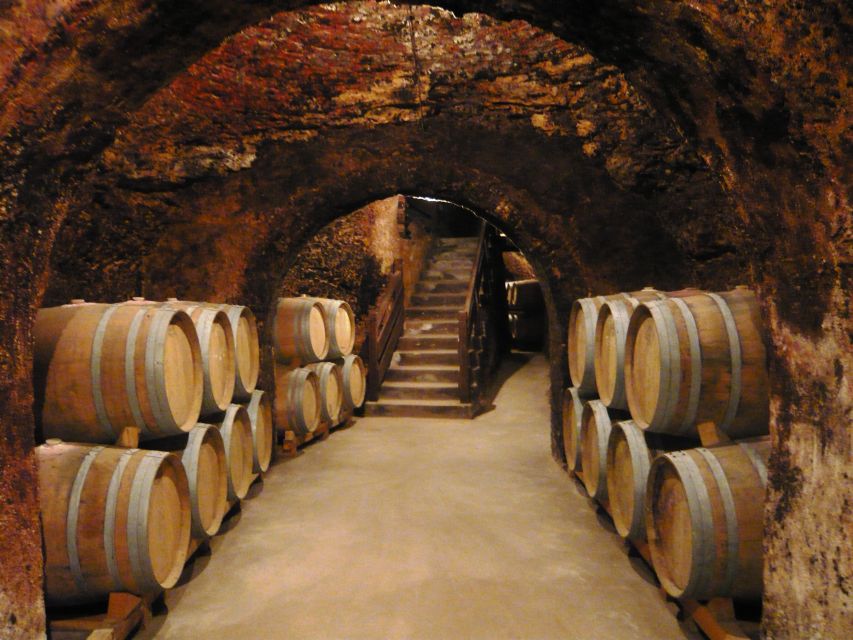
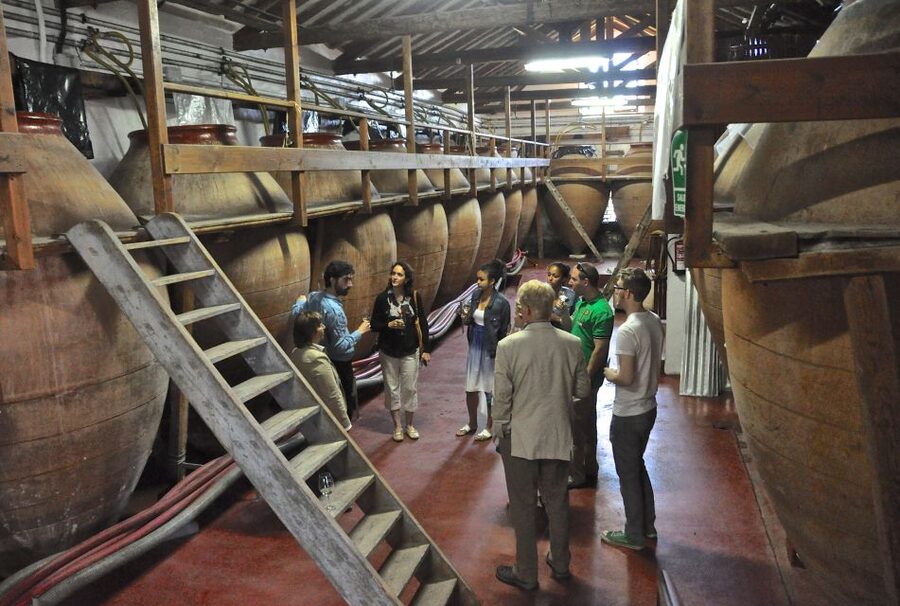
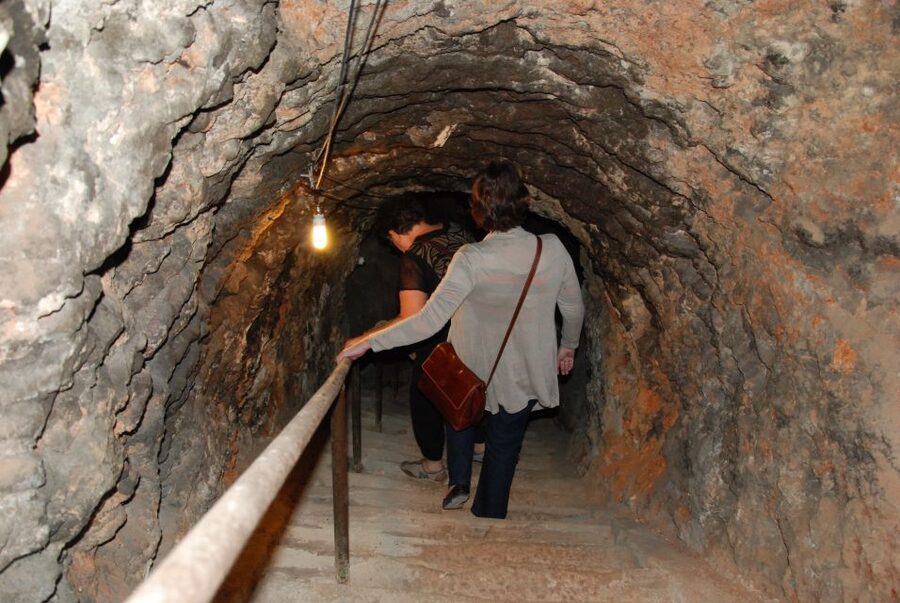
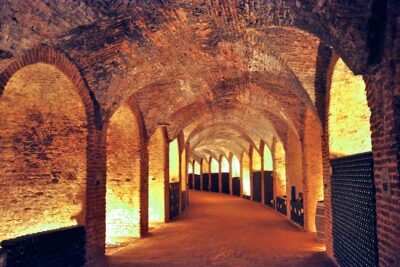
This is the most emotional section of the tour because it’s so visual. You’re traveling through centuries-old caves where wines age, and the setting does half the work for the guide. Instead of imagining fermentation and aging, you’re standing in the space where it happens.
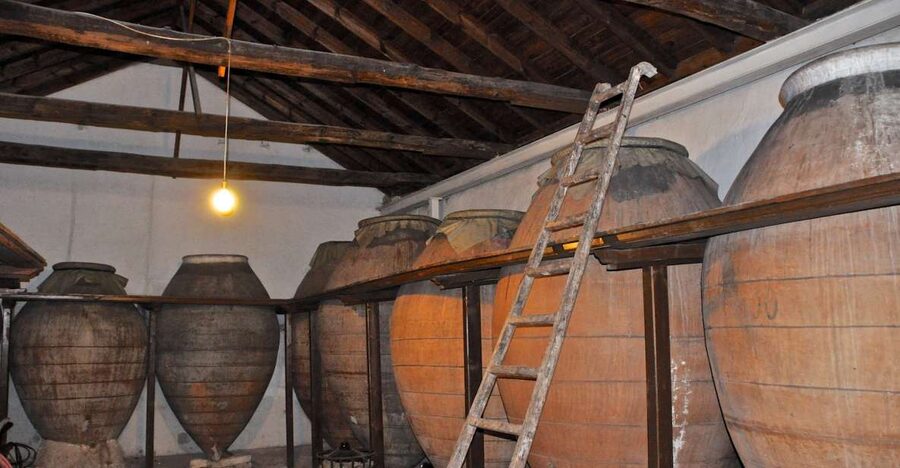
The tour also highlights traditional aging techniques, including wineries that continue making wine in clay pots that are over a hundred years old. That’s not just a gimmick. Clay-pot aging gets brought up as a way producers keep a specific kind of handling and character in the wine, and it creates a sharp contrast with the more modern choices you might hear about at a different stop.
In reviews, the winemaker-led portion is repeatedly praised—people love that you’re not just tasting; you’re getting the why from the family behind the bottles. Guides such as Enrique Menor, Antonio, Nacho, and Ismael come up often in feedback for explaining the process and making the cellar time feel like a story with characters (the owners) instead of a lecture.
If you’re the type who wants one unforgettable photo moment, the caves are the obvious winner. If you’re the type who wants one unforgettable tasting moment, it’s usually the wine you try right after the cave walkthrough, because the environment makes the flavors feel more grounded.
A local guide takes the strain




Colmenar de Oreja: two winery stops close together, two different ways of making wine
Colmenar de Oreja is where you see the region’s variety up close. The schedule gives you two winery visits in the same town, with about 7 minutes on foot between them. That short walk is useful because it prevents the day from feeling like constant bus rides, and it keeps the experience feeling local rather than conveyor-belt.
You’ll spend around 75 minutes at each winery for guided tour, wine tasting, and local snacks. Reviews often call out that each stop feels distinct—one place can lean boutique, another can be more traditional but willing to adopt modern techniques, and yet another is framed around historical cave aging. That’s exactly what you want if you’re coming from Madrid and you want to understand the range within the Vinos de Madrid umbrella.
One detail I think you should keep in mind: the best learning happens when you’re comparing. At Colmenar de Oreja, you get that chance twice. When your guide points out differences in methods or approaches, you can instantly remember what you tasted earlier and notice how the next winery’s style shifts the flavor direction.
What you’ll actually taste: nine wines, real food pairings, and generous pours
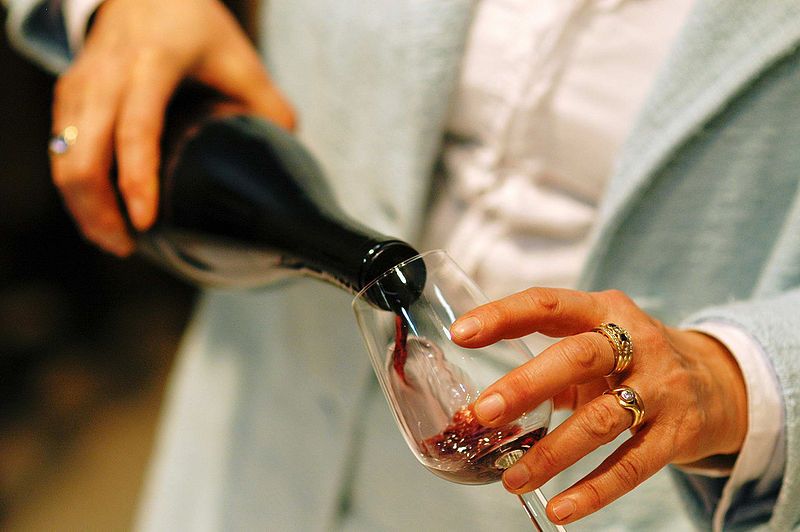
This isn’t a tour where you sip three tiny tastes and call it a day. You’ll try at least three wines at each winery, and across all stops, it’s designed so you taste nine or more wines. That’s a smart way to spend your time: you’re far more likely to find at least one style you genuinely like, and you’ll start spotting patterns across varieties and aging approaches.
Appetizers are included at each stop, and the tour frames them as pairing-friendly, using typical local recipes. In feedback, common items include things like hummus, cheese, olives, meat, chips, and pastries—all the snack basics that make tastings feel like hospitality instead of a lab. Even without a full lunch, the food support matters because it helps you enjoy the tastings rather than just surviving them.
About wine volume: some reviews mention that pours can feel generous and that glasses often stay full. I can’t promise every group gets the same intensity, but the intention is clear—this is meant to be a proper tasting day, not a token sampling.
Also, if you have any interest in trying something a bit special, keep your ears open at the final winery stop. One review specifically calls out an offer to try a 1983 Rosé at the last stop, with a bottle price mentioned for sharing within the group. That means it might come up as an option depending on availability, so it’s worth asking if they offer it when you arrive.
Your guide and group size: why the best part is the people
You’ll travel with a bilingual guide who can run Spanish and English as needed. Several guides have earned standout praise for combining wine explanations with humor and pacing that keeps you engaged from the first winery door to the last glass. Names that come up repeatedly include Antonio, Nacho, Ismael, Enrique Menor, and also guides like Mona and Rocío.
I like this setup because wine tours can go two ways: either they become strict and stiff, or they become party time without substance. Here, the feedback leans toward educational but fun, with hosts who tell stories and owners who talk like they actually care about what they do. That owner connection is a big reason this tour feels more authentic than a typical large-group tasting.
Group size stays limited—minimum 4, maximum 20, with an average around 8 people. That’s the sweet spot. You get enough people for a lively atmosphere, but not so many that questions get swallowed. For solo travelers, it’s also described as a safe and comfortable format, which is reassuring if you’re navigating Madrid without a car.
Price and value: is $171 fair for six hours?
At $171 per person for a 6-hour experience, you’re paying for a bundle: round-trip transportation, bilingual guidance, three family winery visits, wine tastings at each, and included appetizers.
Here’s why I think it can be good value if wine matters to you. In one day you get:
- multiple wineries instead of one,
- multiple tasting opportunities (nine-plus wines),
- plus access to caves and vineyard time that you’d probably have to piece together on your own.
If you’re trying to build your own day in Madrid, that usually turns into juggling logistics, transport costs, and separate ticketing at each stop. Even if a standalone tasting in another part of Spain seems cheaper on paper, you’re less likely to match the combined experience here—especially the cave and clay-pot focus that gives the tour a stronger sense of place.
That said, the price only makes sense if you’re ready for tastings and food that replace a full lunch. If you want long meals, slow wandering in multiple towns, and no wine pressure, this might feel more like a structured program than a flexible day out.
Who this tour suits best (and who should skip it)
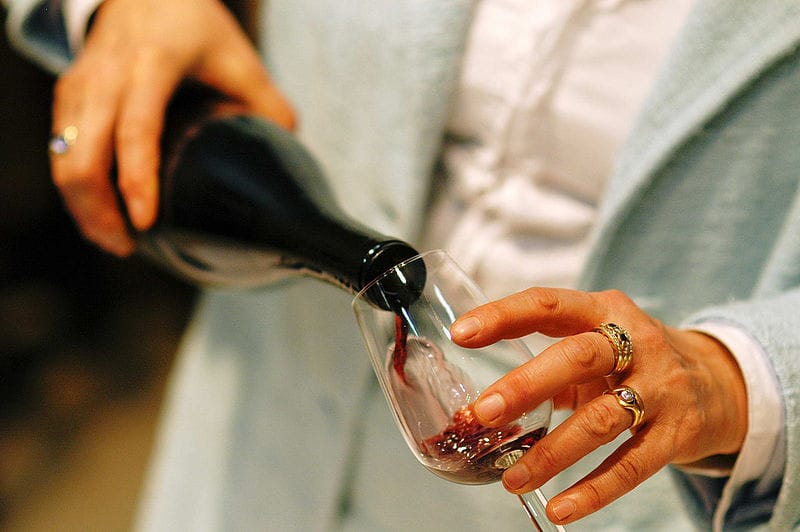
This tour is best for you if:
- you want a guided intro to Madrid-region wine without renting a car,
- you like learning from winemakers and seeing how methods shape flavor,
- you enjoy comparisons across different wineries and styles.
It’s not suitable for:
- children under 12,
- wheelchair users,
- people bringing pets (pets aren’t allowed),
- anyone looking to dress up in costumes (costumes aren’t allowed).
Also, while it’s a wine day, the rules include not being intoxicated. In practice, that helps keep the tour safe and helps everyone enjoy the caves, tastings, and walking segments.
If you’re going with a group that ranges from casual drinkers to wine hobbyists, this format usually works well. The wine tasting structure is simple enough to follow, but the cave and clay-pot aging details give the deeper crowd something to chew on.
Should you book this Madrid Region Wineries Guided Tour?
I’d book it if your ideal Madrid day includes three things: family-run wineries, real time in caves and vineyards, and a tasting line-up that’s big enough to find favorites. The repeated emphasis on guide personality and on winemakers telling the story directly is a strong sign that you’ll leave with more than a souvenir bottle—you’ll leave understanding how this region makes wine.
I’d hesitate if you need a flexible day with lots of downtime, or if you’re traveling with someone under 12, someone who needs wheelchair access, or someone who wants a full sit-down lunch instead of appetizers.
If you’re deciding between a quick tasting and a guided, structured wine day, this one leans toward the side that’s more fun and more educational. And if you’re the type who remembers places by what you stood in and tasted right after, the cave and clay-pot sections are the reason to go.
FAQ
How long is the Madrid Region Wineries Guided Tour?
The tour lasts about 6 hours.
How many wineries and tastings are included?
You visit 3 family-owned wineries, with wine tastings at each stop, designed so you try at least 9 wines in total.
Is transportation included?
Yes. Round-trip transportation from Madrid is included.
What languages does the guide speak?
The guide provides Spanish and English. The tour can run with both languages as needed.
Is this tour suitable for children?
No. Children under 12 years cannot take part.
Are pets and costumes allowed?
No. Pets are not allowed, and wearing a costume is also not allowed.
More Tours in Madrid
- Madrid: Tour Bernabéu Entry Ticket
★ 4.5 · 21,573 reviews - Madrid: Panoramic Route City Tour
★ 4.1 · 12,259 reviews - Avila & Segovia Tour with Tickets to Monuments from Madrid
★ 5.0 · 9,762 reviews - Madrid: Royal Palace Expert Guided Tour with Skip-the-Line
★ 4.7 · 8,407 reviews - Madrid: Segovia and Toledo Tour, Alcazar, and Cathedral
★ 4.7 · 7,797 reviews - Toledo Tour from Madrid: Cathedral, Synagogue & St. Tome’s Church
★ 5.0 · 6,784 reviews
More Tour Reviews in Madrid
- Madrid: Tour Bernabéu Entry Ticket
★ 4.5 · 21,573 reviews - Madrid: Prado Museum Entry Ticket
★ 4.6 · 20,699 reviews - Madrid: “Emociones” Live Flamenco Performance
★ 4.8 · 12,866 reviews - Madrid: Panoramic Route City Tour
★ 4.1 · 12,259 reviews - Madrid: Live Flamenco Show with Food and Drinks Options
★ 4.5 · 9,901 reviews - Avila & Segovia Tour with Tickets to Monuments from Madrid
★ 5.0 · 9,762 reviews
Spanish Wine, Poured and Explained
- Madrid Tapas & Wine Tasting Walking Tour – Small Group Local Bars
★ 5.0 · 3,644 reviews - Toledo Tour & Vineyard Walk with Wine Tasting from Madrid
★ 5.0 · 2,546 reviews - Madrid: Tapas & Wine Tasting Tour with Local Guide
★ 4.8 · 2,171 reviews - Madrid Tapas & Wine Tour with Rooftop Views and Local Guide
★ 5.0 · 2,047 reviews - Paella Cooking Class in Madrid with Bottomless Wine Pairing
★ 5.0 · 985 reviews - Madrid: Food & Wine Tour with 10 Tapas & 4 Drinks Included
★ 4.9 · 984 reviews
Just Added: New Madrid Tour Reviews
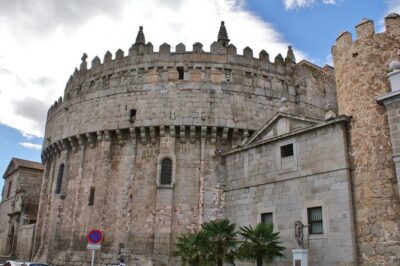





Madrid Wine Tasting, compared.
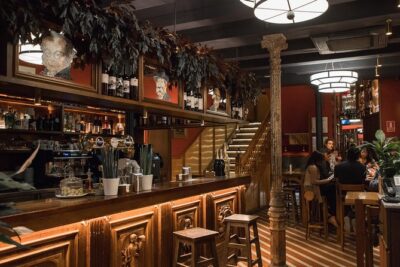 ★ 5.0Madrid Tapas & Wine Tasting Walking Tour – Small Group Local BarsFrom $933,644 reviews
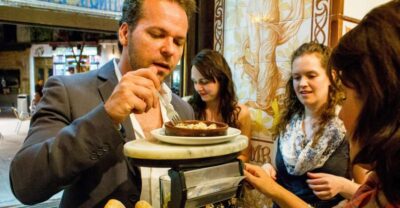 ★ 4.8Tapas & Wine Tasting Tour with Local GuideFrom $912,171 reviews
 ★ 5.0Madrid Tapas & Wine Tour with Rooftop Views and Local GuideFrom $1132,047 reviews
 ★ 5.0Paella Cooking Class in Madrid with Bottomless Wine PairingFrom $143985 reviews
 ★ 4.9Food & Wine Tour with 10 Tapas & 4 Drinks IncludedFrom $82984 reviews
 ★ 4.9Madrid Guided Food Tour with Tapas and Spanish WineFrom $96773 reviews
 ★ 5.0Madrid Countryside Wineries Guided Tour with Wine TastingFrom $175740 reviews
 ★ 4.8Guided Tapas and Wine Tour with Rooftop ViewsFrom $111608 reviews
Browse the lists this tour appears in