
REVIEW · TAPAS & TABERNA TOURS
Madrid: History of Tapas Walking Tour and Tasting
You can taste Madrid’s past, one bite at a time. This 2.5-hour tapas history walk mixes street-level food culture with the stories behind why tapas exist in the first place. You’ll move through the old city, hit San Miguel Market, and get a local guide who connects what’s on your plate to how Madrid eats.
I love the way this tour turns tapas from a vague idea into something you can actually picture. You’re not just sampling food; you’re learning the logic of the tradition, including how old rules about food and wine shaped bar life in Spain. I also like the group size: it stays small (up to 10), so questions actually get answered and you don’t feel like you’re being herded.
One thing to keep in mind: timing can be tight in a tour with multiple venues. If a planned stop runs late or a spot closes unexpectedly, the guide may shift the plan (usually staying in the market area), which can change how the crowd level feels at the end.
In This Review
- Key highlights at a glance
- Tapas history that you can actually taste in Madrid
- The old city walk: narrow streets, real pacing, real conversation
- San Miguel Market: where Madrid smells like Spain
- What you actually eat: 4 tastings, min. 4 stops, and a drink each time
- How the guide turns food stories into street-level context
- Where the value really comes from: $141 and what it buys you
- Practical tips so you enjoy every stop
- Who this tour is best for
- Possible drawbacks to consider before you book
- Should you book this tapas history walking tour?
- FAQ
- How long is the Madrid tapas history walking tour?
- How many tastings and stops are included?
- Is drinks included, or do I pay separately?
- What’s the group size?
- What languages are the tours offered in?
- Do I need hotel pickup?
- Is the tour wheelchair accessible?
Key highlights at a glance
- Up to 10 people means more conversation and faster help choosing what to try
- San Miguel Market visit paired with old-stone lanes gives you the full sensory Madrid experience
- Min. 4 stops and 4 tastings keeps the food moving without turning into a marathon
- Wine, beer, or a refreshment at each venue gives you a real feel for pairing
- Tapas origins and Spanish food history are built into each stop, not tacked on
- Guides with serious energy like Oscar and Pablo have been singled out for being friendly and enthusiastic
Still peckish? More canas and small plates
- Madrid Tapas & Wine Tasting Walking Tour – Small Group Local Bars★ 5.0 · 3,644 reviews
- Madrid Tapas & Taverns Small Group Food & History Tour★ 5.0 · 2,664 reviews
- Madrid: Small Group of Prado Museum Tour & Optional Tapas★ 4.6 · 2,437 reviews
- Madrid: Tapas & Wine Tasting Tour with Local Guide★ 4.8 · 2,171 reviews
Tapas history that you can actually taste in Madrid
Madrid’s tapas scene is famous, but the real magic is how practical it is. Tapas aren’t just food for tourists; they’re a rhythm for locals—order a few small plates, share, talk, and keep going at a pace that feels human. On this tour, I like that the story is tied to what you’re holding in your hand. You get the background on why tapas spread, then you taste the result.
You’ll learn two popular versions of where tapas came from. One story credits old rules in Castile, including the idea that wine should not be served without food. Another traces tapas to taverns that covered drinks with bread or ham to keep flies out. Even if you don’t care which theory is exact, the takeaway matters: tapas grew from food and drink as a pair, not from random snacking.
That context makes each stop land better. A bite at a bar doesn’t feel like a coaster-food moment. It feels like a small piece of how Madrid built its social life around the counter—tables nearby, friends close, and constant, easy conversation.
The old city walk: narrow streets, real pacing, real conversation
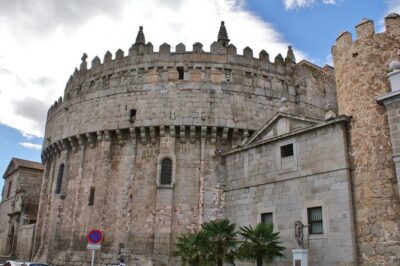
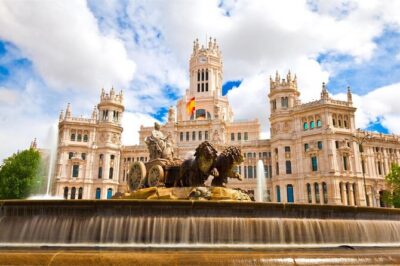
This is a walking tour, and that’s the point. Madrid’s historic center is made for slow wandering—tight lanes, turning corners, and sudden views where you can see how the city was built before cars ruled everything. You’ll be guided through some of the old streets and markets, the kind that feel like you’re cutting through layers of the city rather than just passing by them.
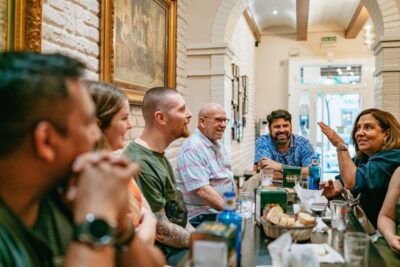
The tour is designed for a small group (no more than 10 people). That matters more than it sounds. When people are packed into a larger tour, you end up waiting, rushing, and missing the small details. Here, you’re more likely to ask about what you’re eating, how something is typically made, or why a certain bar does what it does.
Also, you get a clear time frame: about 2.5 hours. That’s long enough to enjoy the experience without it turning into an all-day food plan. It’s short enough that you can still do something else afterward—walk off dinner, visit a museum, or just grab a casual drink on your own without feeling wrecked.
San Miguel Market: where Madrid smells like Spain
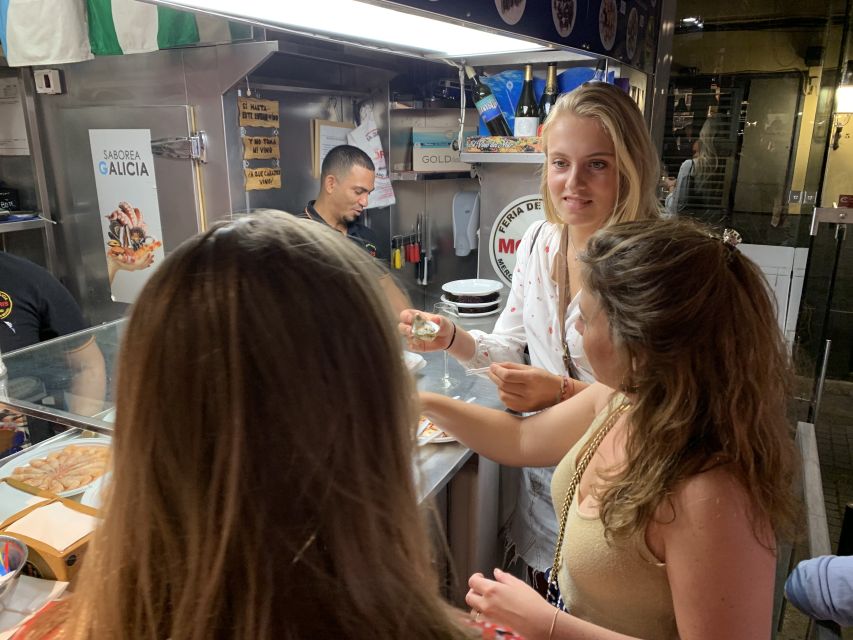
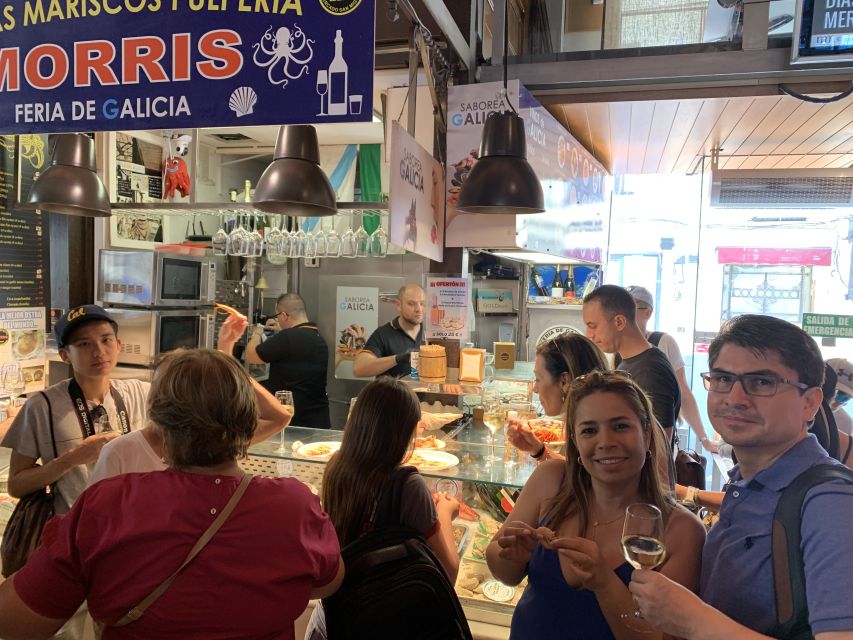
San Miguel Market is one of those places that can overwhelm you in the best way. Even if you’ve seen photos, being there in person is different. The narrow layout, the old-stone feel of the surrounding streets, and the mix of food aromas create that Madrid-at-work vibe.
This stop is valuable because it blends history with motion. It’s not just a pretty market stop; it’s tied to the tasting experience and the tapas tradition you’re learning about. The tour’s flow helps you connect what you see with what you’re about to try—so you’re not standing around wondering what to order.
One practical note: markets can be busy. If one venue you planned to visit is closed or timing shifts, your guide may route you toward the market experience more than usual. That can mean a more crowded feel at that point. The good news is the market environment is still very Madrid, and you’ll usually stay within the local food ecosystem rather than switching into a generic tourist stop.
What you actually eat: 4 tastings, min. 4 stops, and a drink each time
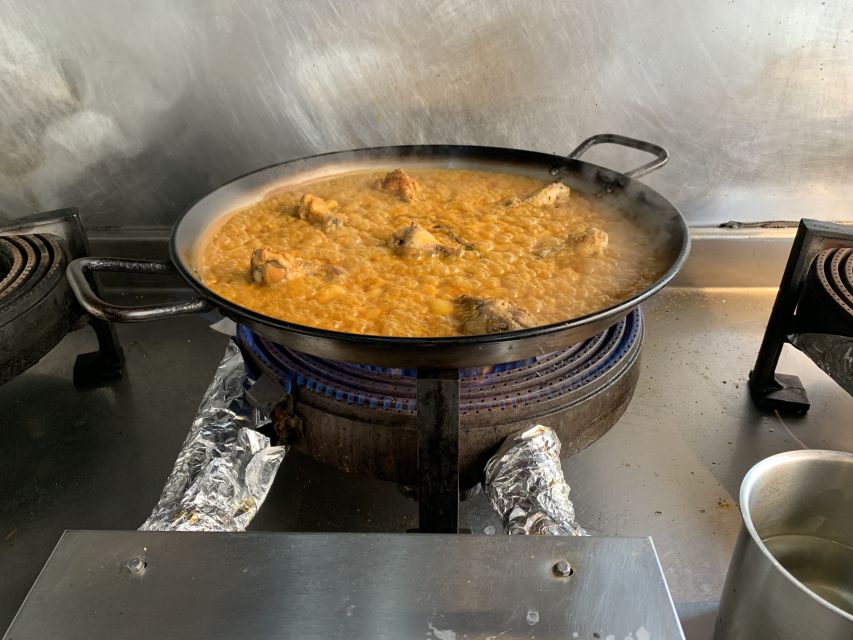
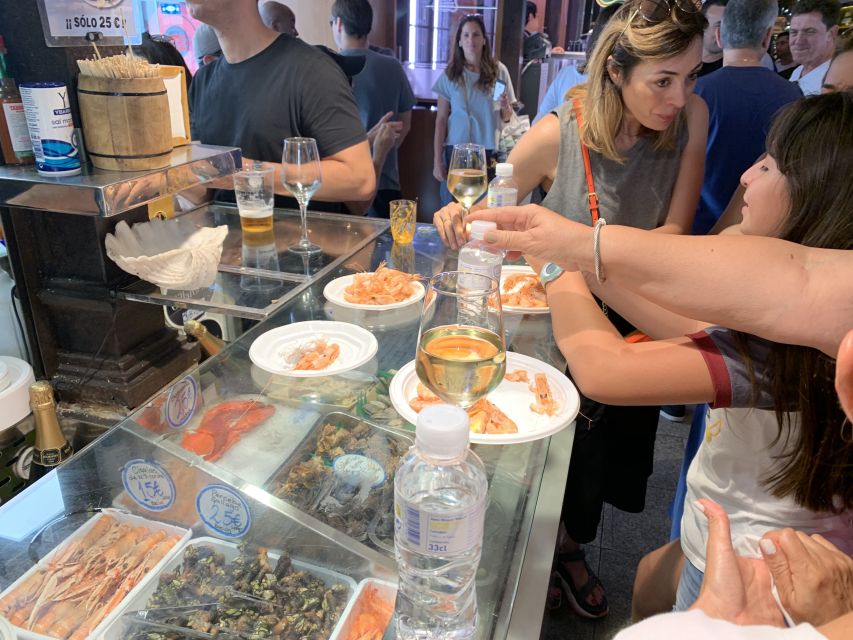
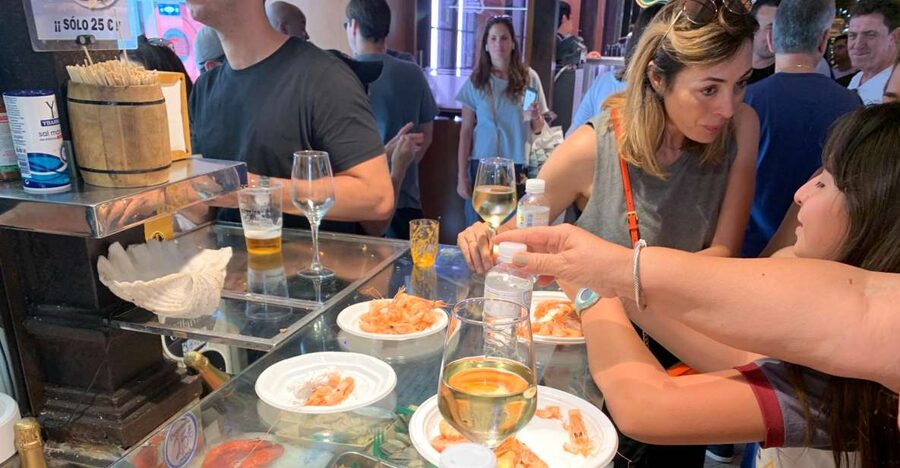
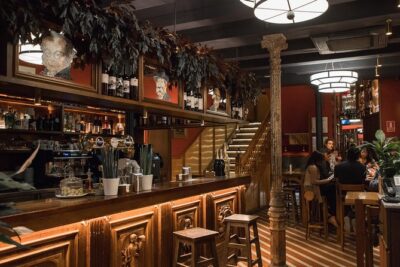
This tour is structured around food, not just sightseeing. You’ll visit at least 4 stops in markets and local bars/restaurants, and you’ll get 4 tastings of tapas. On top of that, you’ll have a drink of wine, beer, or another refreshment at every venue. That’s a lot of value baked in, because you’re not paying extra at each stop.
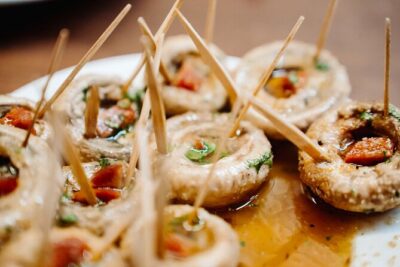
From the types of dishes mentioned by past groups, you might try things that include ham, mushrooms, and classic tapas plates. The exact selection will vary, but the goal stays consistent: you sample across the range rather than getting only one style of tapas.
Here’s why that matters for you: tapas can be hit-or-miss if you order randomly. A good guide helps you choose dishes you can recognize later, and it also teaches you what to look for. You’re more likely to notice textures, flavors, and classic combinations because someone is explaining the cultural context while you’re eating.
Another small but real benefit: the tastings aren’t tiny. People have described leaving properly full—so come ready to eat. If you tend to skip breakfast when traveling, this tour is a good reason to keep your appetite in check.
The centre on foot, other ways round





How the guide turns food stories into street-level context
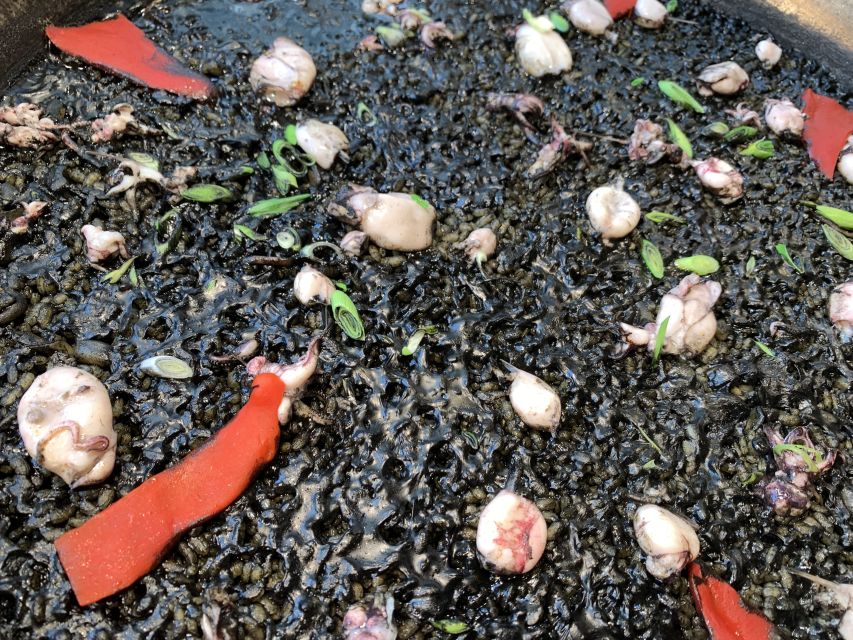
The guide is the engine of this tour, and the vibe tends to be energetic. Past tours have highlighted guides like Oscar and Pablo for being enthusiastic, friendly, and quick to explain both food and Madrid’s wider background.
What I like about this approach is that it makes the tour feel like a real local lesson instead of a scripted food show. You’re not just collecting stamps at bars. You’re learning why certain traditions persisted: how rules about food and wine worked, why taverns became social anchors, and how tapas spread across communities over centuries.
This also changes how you move through the city afterward. You’ll start noticing what you normally ignore: the kind of bars locals choose, the way people order in rounds, and how food is integrated into social time rather than treated as a separate event. That’s the difference between doing a food tour and gaining a working sense of how Madrid eats.
Where the value really comes from: $141 and what it buys you
At $141 per person, you’re paying for more than four bites and a stroll. You’re paying for expert guidance, limited group attention, multiple venues, and included drinks. If you tried to copy this on your own, you’d likely spend time figuring out places that are both good and appropriately local, and you’d still pay for each drink separately.
This tour also gives you structure. It’s easy to wander into touristy zones and end up eating in places that are convenient rather than meaningful. Here, the stops are selected around the tapas tradition and the market setting, so you get a mix of old city atmosphere and food culture in a single 2.5-hour window.
Small-group format (up to 10) adds real value because it’s not just a number. It affects how quickly you get help, how clearly you understand what you’re eating, and whether the guide can keep the pace comfortable as the group samples.
Practical tips so you enjoy every stop
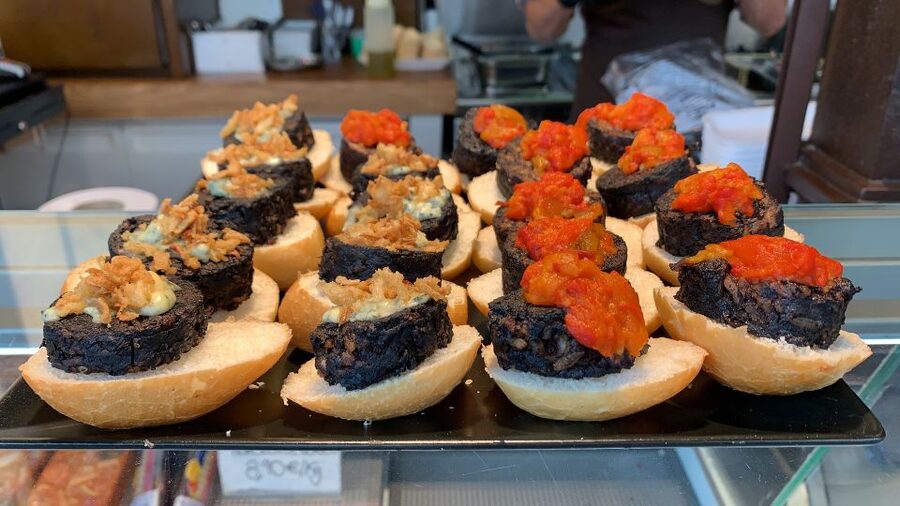
A food tour is fun, but it has a rhythm. A few things will make it smoother:
- Come hungry, but not desperate. There are 4 tastings plus drinks, and people have left stuffed, so you don’t need a huge meal right before.
- Wear comfortable shoes. You’ll be walking through narrow old streets, and you don’t want sore feet cutting into the fun.
- Ask questions while you’re eating. This is when the guide can explain the why behind what you’re tasting.
- Be ready for slight plan shifts. If something isn’t open when expected, the guide may adjust—often staying within the market area—so keep a flexible mindset.
- Plan the rest of your day with energy in mind. After 2.5 hours of tasting, you’ll likely want an easy next step rather than a big hike or late-night sprint.
Who this tour is best for
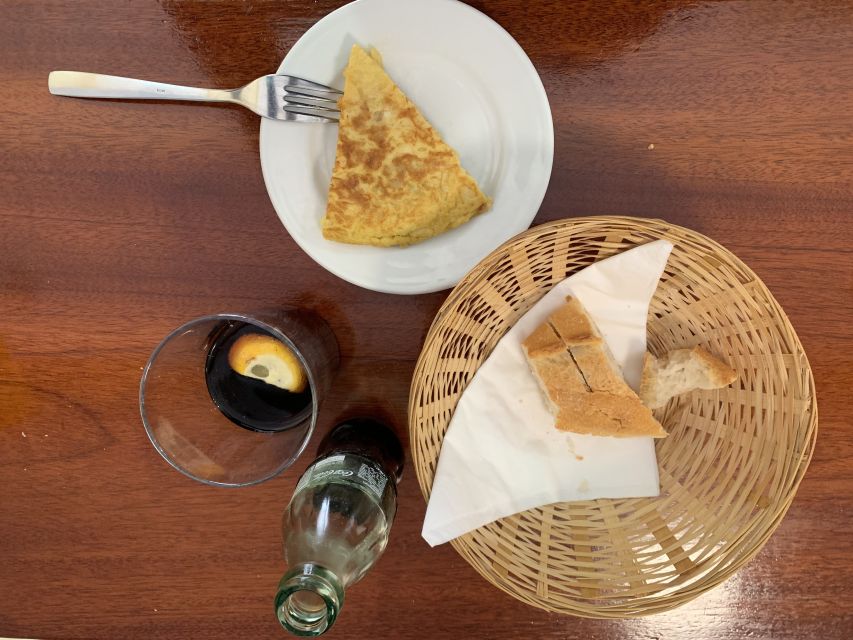
This works especially well if you:
- want tapas with context, not just tastings
- like a guided walk through historic areas without needing to do planning yourself
- enjoy small-group tours where you can actually talk to the guide
- want a taste of both classic bar culture and a market atmosphere in one go
It’s also a great fit for first-timers in Madrid who want to learn how locals move through food neighborhoods. Once you understand the logic of tapas, you’ll have an easier time ordering on your own later.
Possible drawbacks to consider before you book
No tour is perfect, and a few things can affect your experience:
- Schedule tightness: With multiple venues and groups running back-to-back, the guide may need to move on to the next tour on time. In one account, the group had a final stop without the guide present, which can reduce the storytelling at the end.
- Unexpected closures: If a planned place is not open when expected, you may shift to another market-focused option. This can change the crowd level and the feel of that final segment.
- Crowds at the market: Markets can get busy, especially around peak hours. If your schedule shifts later, you might feel that busier environment more strongly.
Should you book this tapas history walking tour?
If you want Madrid that feels like a living culture—not a checklist—this is a strong choice. The included drinks at each venue, the small-group setup, and the fact that you get both tapas tastings and the stories behind the tradition make it good value for $141. You’ll likely leave knowing what tapas really means in Madrid, not just having eaten a few good bites.
Book it if you’re the type who enjoys learning while you eat. Skip it if you prefer highly flexible dining with zero structure; a timed walk with set tastings will feel more guided than you might want.
If you do book, show up hungry, wear comfy shoes, and plan an easy next activity. This is the kind of tour that turns your evening out afterward into something smarter, calmer, and more local.
FAQ
How long is the Madrid tapas history walking tour?
It lasts about 2.5 hours.
How many tastings and stops are included?
The tour includes at least 4 stops and 4 tapas tastings.
Is drinks included, or do I pay separately?
You get a drink (wine, beer, or a refreshment of choice) at each venue.
What’s the group size?
The group is limited to no more than 10 people.
What languages are the tours offered in?
The live guide speaks English and Spanish.
Do I need hotel pickup?
No. There is no hotel pickup or drop-off. You meet at the local partner’s office.
Is the tour wheelchair accessible?
Yes, it is listed as wheelchair accessible.
More Tour Reviews in Madrid
- Madrid: Tour Bernabéu Entry Ticket
★ 4.5 · 21,573 reviews - Madrid: Prado Museum Entry Ticket
★ 4.6 · 20,699 reviews - Madrid: “Emociones” Live Flamenco Performance
★ 4.8 · 12,866 reviews - Madrid: Panoramic Route City Tour
★ 4.1 · 12,259 reviews - Madrid: Live Flamenco Show with Food and Drinks Options
★ 4.5 · 9,901 reviews - Avila & Segovia Tour with Tickets to Monuments from Madrid
★ 5.0 · 9,762 reviews
Walk the Heart of Madrid
- Madrid Tapas & Wine Tasting Walking Tour – Small Group Local Bars
★ 5.0 · 3,644 reviews - Madrid Welcome Tour with Local Guide in Eco Tuk Tuk Private
★ 5.0 · 2,936 reviews - Madrid Walking Tour from Puerta del Sol to Retiro Park
★ 5.0 · 2,285 reviews - Madrid Old Town & Royal Palace Walking Tour Skip the Line Ticket
★ 4.5 · 1,829 reviews - Madrid: Welcome to Madrid Guided Walking Tour
★ 4.9 · 1,738 reviews - Madrid: Spanish Inquisition and Legends Evening Walking Tour
★ 4.7 · 1,396 reviews
Small Plates and Cold Canas
- Madrid Tapas & Wine Tasting Walking Tour – Small Group Local Bars
★ 5.0 · 3,644 reviews - Madrid Tapas & Taverns Small Group Food & History Tour
★ 5.0 · 2,664 reviews - Madrid: Small Group of Prado Museum Tour & Optional Tapas
★ 4.6 · 2,437 reviews - Madrid: Tapas & Wine Tasting Tour with Local Guide
★ 4.8 · 2,171 reviews - Madrid Tapas & Wine Tour with Rooftop Views and Local Guide
★ 5.0 · 2,047 reviews - Madrid by Night Small Group Tour: Stories, Sights and Tapas Bites
★ 5.0 · 1,956 reviews
Just Added: New Madrid Tour Reviews




Tapas & Taberna Tours, compared.
 ★ 5.0Madrid Tapas & Wine Tasting Walking Tour – Small Group Local BarsFrom $933,644 reviews
 ★ 5.0Madrid Tapas & Taverns Small Group Food & History TourFrom $952,664 reviews
 ★ 4.6Small Group of Prado Museum Tour & Optional TapasFrom $532,437 reviews
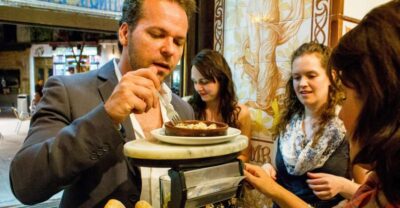 ★ 4.8Tapas & Wine Tasting Tour with Local GuideFrom $912,171 reviews
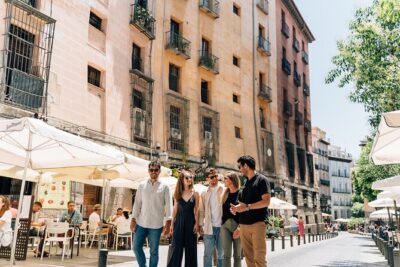 ★ 5.0Madrid Tapas & Wine Tour with Rooftop Views and Local GuideFrom $1132,047 reviews
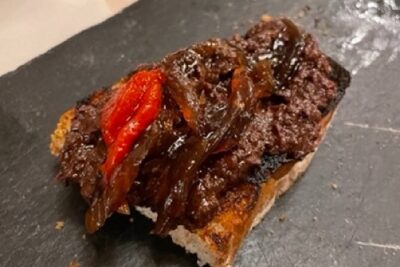 ★ 5.0Madrid by Night Small Group Tour: Stories, Sights and Tapas BitesFrom $721,956 reviews
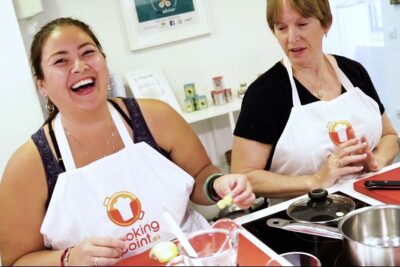 ★ 5.0Spanish Cooking Class Paella Tapas and Sangria in MadridFrom $1021,340 reviews
 ★ 4.9Food & Wine Tour with 10 Tapas & 4 Drinks IncludedFrom $82984 reviews
Browse the lists this tour appears in