
REVIEW · MUSEUMS
Visit the National Archaeological Museum in Madrid
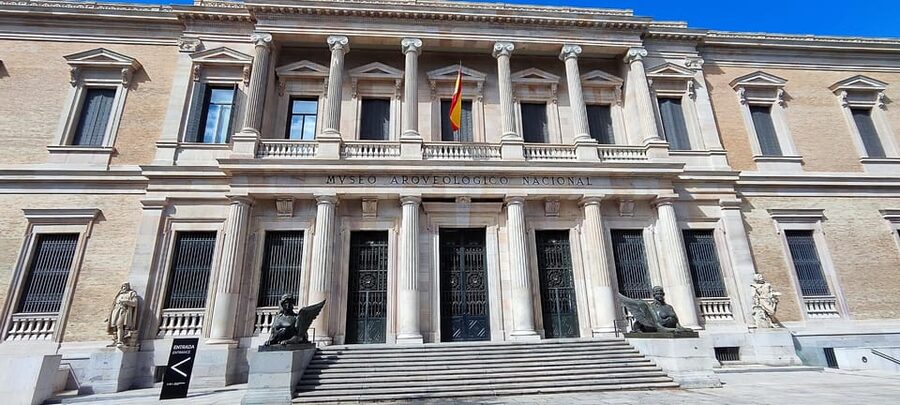
Time travel fits in 90 minutes. This Naturanda visit is built around the National Archaeological Museum of Madrid, guiding you through more than 10,000 years of Spain’s material culture without the usual wandering-in-circles feeling. I like how the tour structure turns big, confusing eras into a clear route, and I also like the museum’s elegant layout that makes even glass cases feel readable and worth your time.
One thing to plan for: museum opening hours can vary around special dates, so keep a little buffer and double-check the timing before you lock in the rest of your day—especially if you’re traveling on a holiday.
In This Review
- Key things to look forward to
- Start at Velázquez: getting your bearings and skipping the ticket line
- 10,000 years in one building: how the museum’s story is organized
- Prehistory that clicks: why the Altamira angle is worth your time
- Iberian sculpture: where you really notice the power of the material
- Roman Hispania courtyard: the calm advantage of an open space
- Al-Andalus legacy and the Bourbon thread: seeing Spain change over time
- Guide style: what a 1.5-hour official tour can do for you
- Price and value: what $34 buys you in Madrid
- Timing tips and practicalities that keep the day smooth
- Who should book this museum tour?
- Should you book Naturanda’s archaeology visit?
- FAQ
- Where does the tour meet?
- How long is the visit?
- What is the price per person?
- What’s included in the tour?
- What isn’t included?
- Will I be able to skip the ticket line?
- What languages is the guide available in?
- Is the tour wheelchair accessible?
- Are pets allowed?
- Can I cancel and get a refund?
Key things to look forward to
- A clear guided route through 10,000 years of Spain’s past, from prehistory onward
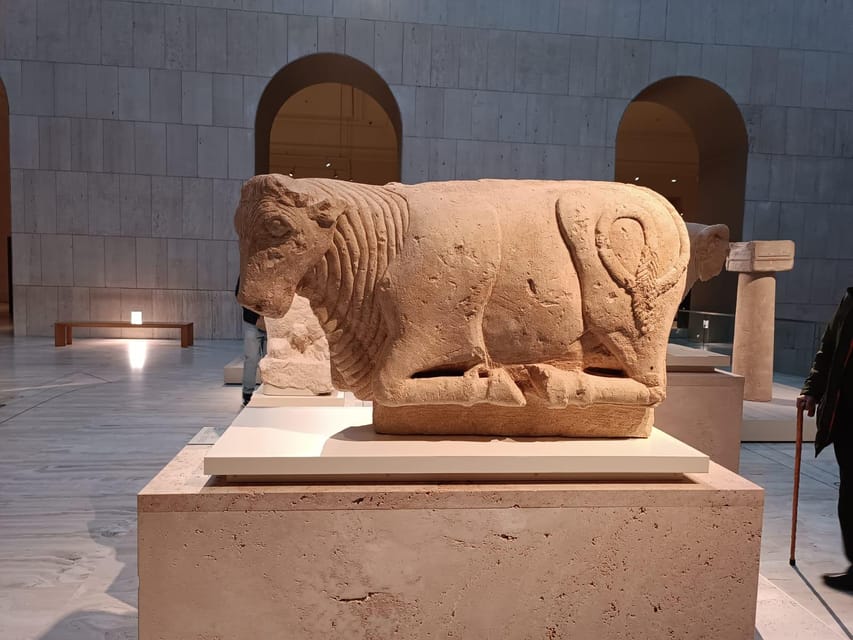
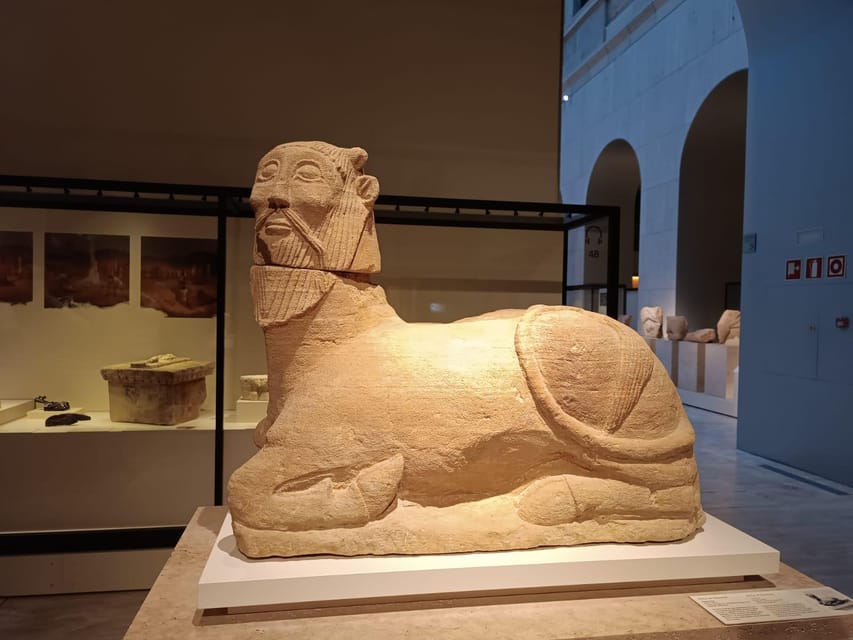
- Iberian sculpture collection, including major standouts like the Lady of Elche
- A Roman sculpture courtyard walk, where you can see Roman Hispania in a more open setting
- Al-Andalus legacy, tied into how Spain’s story changed over time
- Major artifacts you’ll recognize by name (like the Treasure of Guarrazar and Neperian Abacus)
- Skip-the-ticket-line with an official guide, saving you time for actually seeing
Gallery hours worth the queue
- Madrid: Prado Museum Entry Ticket★ 4.6 · 20,699 reviews
- Madrid: Reina Sofía Museum Entrance Ticket★ 4.5 · 8,788 reviews
- Madrid: Small Group of Prado Museum Tour & Optional Tapas★ 4.6 · 2,437 reviews
- Madrid: Prado Museum Guided Tour with Skip-the-Line Ticket★ 4.5 · 2,018 reviews
Start at Velázquez: getting your bearings and skipping the ticket line
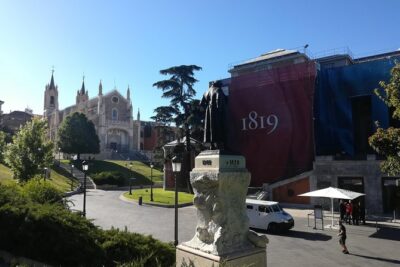
You’ll meet at the museum area next to the monument to Velázquez. That matters more than it sounds, because the whole visit works like a focused orientation: you arrive, you’re pointed in the right direction, and you’re ready to spend your limited time on the objects themselves.
Naturanda also includes tickets and an official guide, and they advertise a skip-the-ticket-line. In plain terms: you lose less time waiting and more time learning what you’re looking at. There’s also a very short hop-on hop-off stop element built into the flow, so you’re not stuck figuring out logistics while your attention is on history.
A practical tip: arrive about 15 minutes early so you don’t feel rushed when the group is about to start. Museum visits go fast, and this one is designed as a tight, guided run of about 1.5 hours total.
10,000 years in one building: how the museum’s story is organized
The National Archaeological Museum is not a one-era museum. It’s the kind of place where the collection spans prehistory through later periods, using movable art and everyday-to-ceremonial objects to trace how Spain’s identity changed.
On this visit, your guide helps you connect the dots across several major chapters, including:
- Altamira Caves (as part of the prehistory storyline)
- Roman Hispania
- Al-Andalus (the Andalusian legacy)
- Spain of the Bourbons
You’ll also see that the museum emphasizes material culture—objects you can understand visually, even if you’re not an expert in the details. That’s a huge benefit for you if you’ve ever looked at an exhibit and thought, I know it’s important, but I don’t know where to start. A good guide gives you the starting point and the meaning, so glass cases stop being intimidating.
I especially like how the tour is framed around a route with recognizable anchors. When you hear the names of famed pieces—Lady of Elche, Treasure of Guarrazar, Neperian Abacus—it helps your brain file what you’re seeing into a timeline instead of a list.
Prehistory that clicks: why the Altamira angle is worth your time
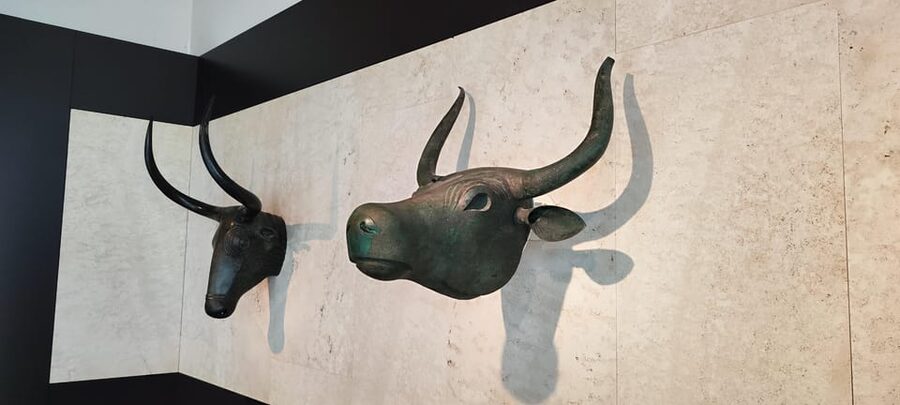
Prehistory can feel distant in a museum. You see stone, tools, cave imagery, and you might wonder what the objects actually meant to the people who made them. This tour aims to fix that by giving context early in the visit.
The focus on Altamira caves is a smart choice because it’s one of the best-known prehistory references connected to Spanish archaeology. Even if you’ve never studied it, the guide’s job is to translate the idea of prehistoric art into something you can appreciate on-site—how it looks, why it matters, and what it suggests about communities long before written records.
Here’s what I think you’ll enjoy most: when the guide connects objects to the reasons people cared about them, the whole section starts to make sense at normal museum pace. You don’t need to speed-read. You just need the right explanation in the first minutes.
Iberian sculpture: where you really notice the power of the material
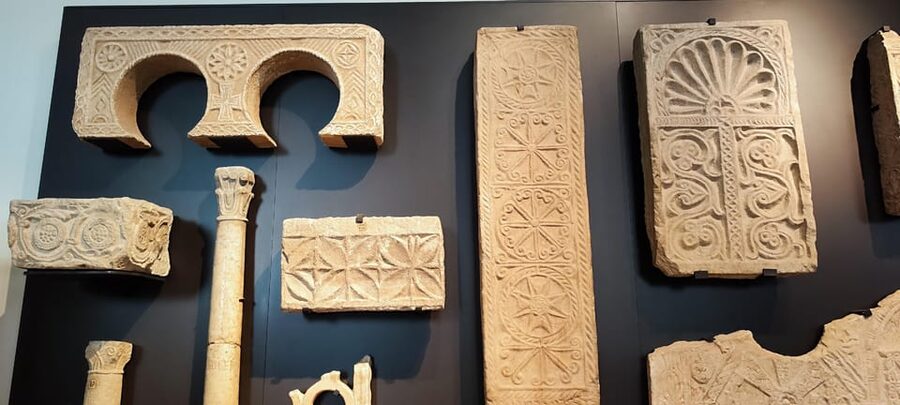
One of the tour highlights is the Iberian sculpture collection, and this is where the museum gets a lot more human. Sculpture works well in a guided visit because you can describe style, intent, and historical context while you’re standing inches away from the pieces.
A standout name here is the Lady of Elche. Even if you only know it from books or photos, seeing a major work like that in person is usually what turns a museum visit from educational to memorable. The guide helps you understand why this type of Iberian art became a reference point for the period—how it expresses identity, craft, and presence.
I also like that this tour doesn’t treat sculpture as just decoration. You’ll get explanations that help you look beyond the surface and notice details like form, proportions, and what the work is trying to communicate.





Roman Hispania courtyard: the calm advantage of an open space
Walking through the Roman sculpture courtyard changes the feel of a museum visit. Glass cases have their place, but a courtyard gives you room to breathe—and Rome’s visual language tends to reward that kind of space.
This part of the visit is all about the Roman sculpture courtyard. For you, the practical advantage is simple: you can step back, look forward, and take in the setting while your guide explains how Roman Hispania fits into the broader timeline.
If you’re the type who gets tired after too many rooms, this is a built-in rhythm break. You still learn, but you’re not trapped inside a single narrow corridor of vitrines.
Al-Andalus legacy and the Bourbon thread: seeing Spain change over time
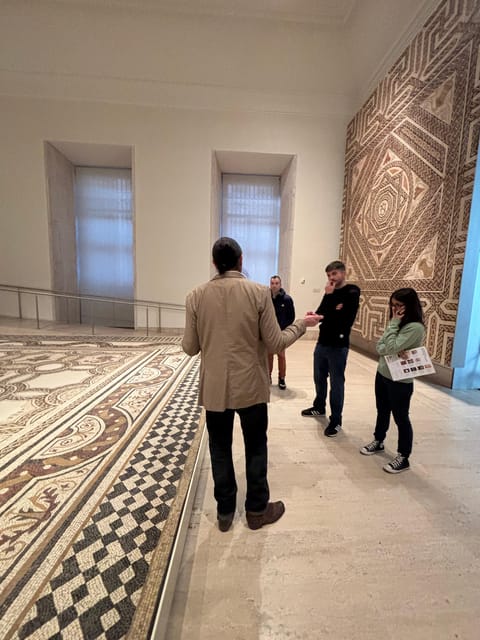
The tour highlights mention enjoying the legacy of Andalusian culture, and the route is designed to connect that legacy to the bigger Spanish story rather than treating it as an isolated theme.
You’ll be guided through Al-Andalus as part of the tour’s timeline, which is useful because it helps you understand continuity and change. Instead of thinking, this is a different country, it’s more like, this is the same land, shaped by different powers, tastes, and ideas.
You’ll also encounter major artifacts that help you picture later Spanish eras. Two examples mentioned in the museum’s collection include:
- The Treasure of Guarrazar
- The Neperian Abacus
Those names are more than trivia. When a guide ties an object like this to its historical setting, you start to see how authority, science, belief, or craftsmanship left physical fingerprints over centuries.
The Spain of the Bourbons is also part of the tour’s described arc. This matters because it broadens the museum beyond just “ancient” Spain. You start to see Spain as a long-running transformation, not a single chapter.
Guide style: what a 1.5-hour official tour can do for you
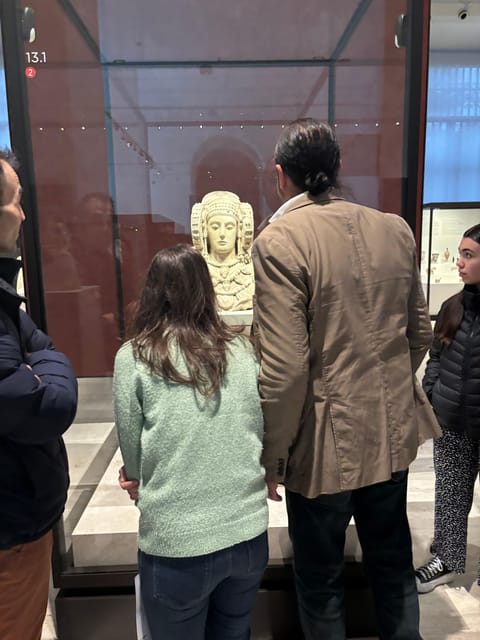
This is where the value really shows. The tour includes an official guide, and the experience is timed tightly at 1 hour and 30 minutes. That short duration is a feature, not a limitation, if you use the guide well.
From the guide’s reported performance, a key strength is personal, engaging delivery. One guide named Angel has been described as fun and extremely well-prepared, and that kind of approach matters because it keeps you actively looking rather than passively following.
In a museum like this, you’ll always have the option to just wander. The guided version helps you:
- focus on the most important pieces (not every single room)
- understand how the story moves era to era
- ask questions at the moment they matter, while you’re still standing in front of the object
And yes—your time pressure is real. A guided route can save you from the most common museum mistake: spending 25 minutes trying to decide what to look at, then regretting the rest of the hour.
Price and value: what $34 buys you in Madrid
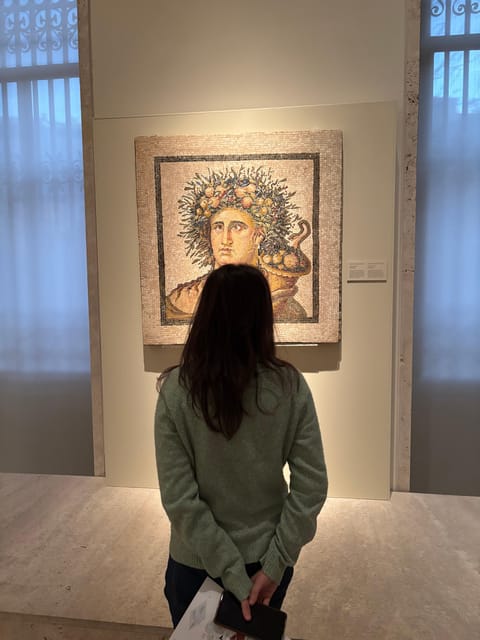
At about $34 per person, you’re paying for three things you’d otherwise have to manage yourself:
- Tickets
- An official guide
- Skip-the-ticket-line time savings
If you’ve ever tried to plan a museum visit on your own, you know the real cost isn’t just money—it’s decision fatigue. You decide what matters, you map the route, and you hope you picked the right rooms. This tour is essentially buying you a shortcut through the museum’s time machine.
Also, the guide supports English and Spanish. That’s practical if you’re traveling with someone whose comfort level in museums is different from yours. The goal is to help you understand what you’re seeing, not just stand nearby while someone reads labels.
Is it the cheapest way to see the museum? Usually not. But value-wise, it’s strong if you want a high-quality orientation that feels connected from prehistory to later Spanish chapters.
Timing tips and practicalities that keep the day smooth
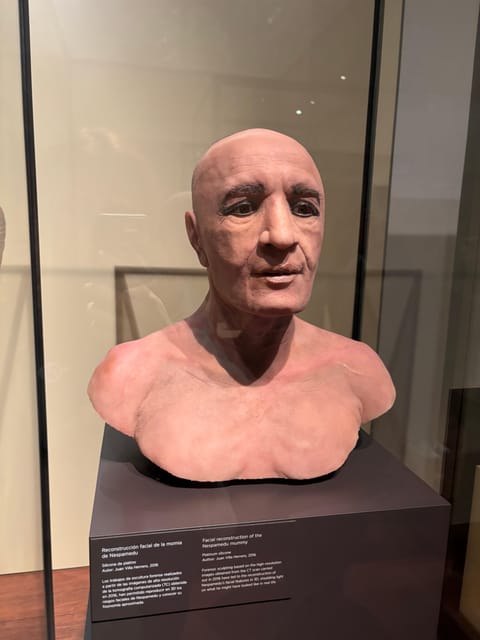
You’ll want to treat this as a focused museum appointment. Arrive early, and plan to stay present for the whole session—this is not a grab-and-go pass where you can come and go freely without losing context.
A few practical notes based on the provided details:
- The tour lasts about 1 hour and 30 minutes.
- You’re meeting by the monument to Velázquez.
- Meals and drinks aren’t included.
- Pets are not allowed.
Wheelchair accessibility is listed, which is helpful information if mobility is a factor for you or someone in your party.
One additional consideration: around holidays, museum hours may shift. The most important action you can take is boring but effective—check the museum’s hours for your exact day before you plan the rest of your itinerary. If you can build in slack time on either side of the tour, you’ll feel less stressed.
Who should book this museum tour?
I think this tour is a great fit if:
- you have limited time in Madrid and want a structured museum experience
- you’re curious about Spain’s timeline but you don’t want to do all the interpretive work alone
- you want to see big-name artifacts and understand why they matter
- you like sculpture and object-based history more than pure lecture-style sightseeing
You might choose something else if you’re the type who prefers slow, room-by-room browsing without a fixed route. But even then, the presence of standout pieces like the Lady of Elche and the Roman sculpture courtyard can make a guided orientation feel worthwhile before you continue on your own.
Should you book Naturanda’s archaeology visit?
If you want your museum time to feel purposeful, I’d book it. For the price, you’re getting tickets plus an official guide, and the route is designed to connect major eras rather than treating history like a stack of unrelated rooms.
My recommendation comes down to this: the museum is deep, and this tour acts like a translator. It helps you look at objects and understand their place in Spain’s long story—from prehistory references like Altamira to later chapters tied to Al-Andalus and the Bourbons.
Just do one smart prep step: confirm museum hours for the day you’re going and give yourself a little extra breathing room if your schedule is tight. If you do that, you’ll walk away feeling like you actually saw something meaningful, not just a lot of impressive glass cases.
FAQ
Where does the tour meet?
The meeting point is next to the monument to Velázquez.
How long is the visit?
The tour lasts 1 hour and 30 minutes.
What is the price per person?
The price is $34 per person.
What’s included in the tour?
Included are tickets and an official guide.
What isn’t included?
Meals and drinks aren’t included.
Will I be able to skip the ticket line?
Yes, the tour includes skip-the-ticket-line access.
What languages is the guide available in?
The live tour guide is available in English and Spanish.
Is the tour wheelchair accessible?
Yes, the tour is wheelchair accessible.
Are pets allowed?
No, pets are not allowed.
Can I cancel and get a refund?
Yes. Free cancellation is available up to 24 hours in advance for a full refund.
Indoors and Worth It: Madrid Galleries
- Madrid: Prado Museum Entry Ticket
★ 4.6 · 20,699 reviews - Madrid: Reina Sofía Museum Entrance Ticket
★ 4.5 · 8,788 reviews - Madrid: Small Group of Prado Museum Tour & Optional Tapas
★ 4.6 · 2,437 reviews - Madrid: Prado Museum Guided Tour with Skip-the-Line Ticket
★ 4.5 · 2,018 reviews - Madrid: Prado Museum Guided Tour With Fast Access
★ 4.8 · 1,785 reviews - Prado Museum Small Group Tour with Skip the Line Ticket
★ 5.0 · 1,738 reviews
More Tour Reviews in Madrid
- Madrid: Tour Bernabéu Entry Ticket
★ 4.5 · 21,573 reviews - Madrid: Prado Museum Entry Ticket
★ 4.6 · 20,699 reviews - Madrid: “Emociones” Live Flamenco Performance
★ 4.8 · 12,866 reviews - Madrid: Panoramic Route City Tour
★ 4.1 · 12,259 reviews - Madrid: Live Flamenco Show with Food and Drinks Options
★ 4.5 · 9,901 reviews - Avila & Segovia Tour with Tickets to Monuments from Madrid
★ 5.0 · 9,762 reviews
Just Added: New Madrid Tour Reviews
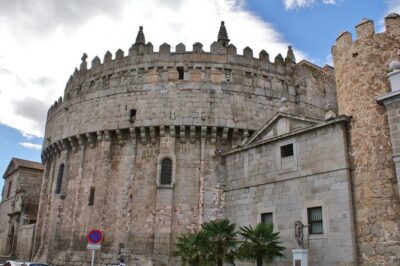





Museums, compared.
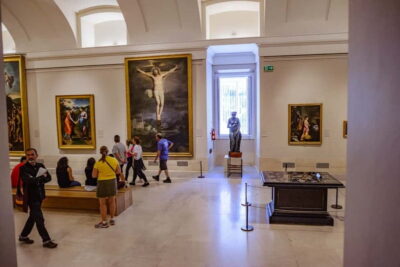 ★ 4.6Prado Museum Entry TicketFrom $2120,699 reviews
 ★ 4.5Reina Sofía Museum Entrance TicketFrom $148,788 reviews
 ★ 4.6Small Group of Prado Museum Tour & Optional TapasFrom $532,437 reviews
 ★ 4.5Prado Museum Guided Tour with Skip-the-Line TicketFrom $462,018 reviews
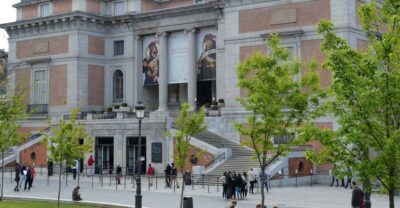 ★ 4.8Prado Museum Guided Tour With Fast AccessFrom $281,785 reviews
 ★ 5.0Prado Museum Small Group Tour with Skip the Line TicketFrom $541,738 reviews
 ★ 4.5Royal Palace & Prado Museum Skip the Line Guided TourFrom $821,347 reviews
 ★ 3.9Sweet Space Museum Entry TicketFrom $171,227 reviews
Browse the lists this tour appears in