
REVIEW · MUSEUMS
Ticket Entrance to the Madrid Nougat Museum
Madrid’s Nougat Museum turns a Christmas candy into a story. For a small ticket, you get a hands-on walk through Jijona and the almond that starts it all.
I especially like how the visit lays out the craft in clear parts, so you can follow the journey from almond tree to finished turrón. I also like that the museum connects sweets to real world change: the technological and economic history tied to Jijona.
The only drawback to keep in mind: the overall experience can feel uneven for some people, depending on timing and what you expect from the tasting versus what you see in the shop.
Key highlights you should care about
- First Nougat Museum in Madrid (so it’s more than a poster wall)
- Almond-focused storytelling: flowering, processing, then nougat
- Jijona’s craft history explained through technology and local economics
- Turronero clothing evolution since the 18th century
- A tasting at the end with Jijona plus other sweet options sold there
In This Review
- Madrid’s Turrón Museum: What You’re Really Paying For
- Where to Go: Casa 1880 and the Smoothest Way to Start
- The Visit Flow: What Happens Once You’re Inside
- Almond First: The Story Behind Jijonenco Nougat
- Jijona History: Technology, Economics, and Holiday Dates
- Turroneros and Their Clothing: A Craft Tradition With Visual Proof
- The Tasting at Casa 1880: What You’ll Actually Get
- Price and Value Check: Is $5 Worth It?
- Timing, Closures, and When Things Go Sideways
- Best Fit: Who Should Book This Nougat Museum?
- Quick Practical Tips Before You Go
- Should You Book Ticket Entrance to the Madrid Nougat Museum?
- FAQ
- Where is the meeting point?
- How much does the ticket cost?
- How long is the experience?
- What’s included with the ticket?
- What will I taste during the tasting?
- Is the museum tour free once you enter?
- What language is used for the host and visit?
- Do I need to choose a specific time?
- Can I cancel for a refund?
- Can I pay later?
Madrid’s Turrón Museum: What You’re Really Paying For
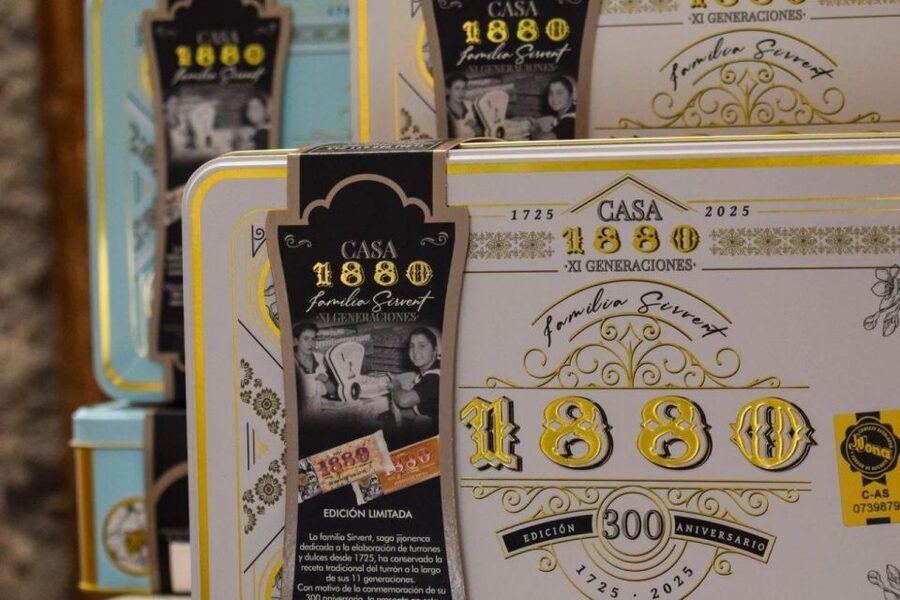
This ticket is simple: you’re buying entry to the Nougat Museum 1880 in Madrid, plus a tasting. For about $5, that’s the kind of price that makes sense when you want something short, sweet, and culture-forward without a big time commitment.
What makes this one more interesting than a basic food shop stop is the museum’s angle. It’s not only about how turrón tastes. It’s about how Jijona made it, why it became tied to the holiday calendar, and how production connected to the region’s economic life. If you like food with context, you’ll appreciate that approach.
The sensory part matters too. Even before the tasting, the museum guides you through almonds and then into nougat, so you’re mentally ready for the flavors at the end.
Straight past the ticket queue
- Madrid: Tour Bernabéu Entry Ticket★ 4.5 · 21,573 reviews
- Madrid: Prado Museum Entry Ticket★ 4.6 · 20,699 reviews
- Avila & Segovia Tour with Tickets to Monuments from Madrid★ 5.0 · 9,762 reviews
- Madrid: Reina Sofía Museum Entrance Ticket★ 4.5 · 8,788 reviews
Where to Go: Casa 1880 and the Smoothest Way to Start
You’ll meet at Tienda / Shop Boutique Casa 1880. Plan to arrive a little early and get inside first, because the visit is built around starting at your selected time.
Once you’re in, you can take a free tour through the museum spaces. That matters: it means you’re not just following a single talk. You move through sections at your own pace, using the panels to connect the dots.
Tip: if you’re doing other things the same day, schedule this as an easy anchor. It’s only listed as a 1-day experience, and the structure is designed to flow without you needing a long planning puzzle.
The Visit Flow: What Happens Once You’re Inside
The museum experience is organized like a guided route, even if you’re walking it on your own. Here’s how the story is laid out, section by section.
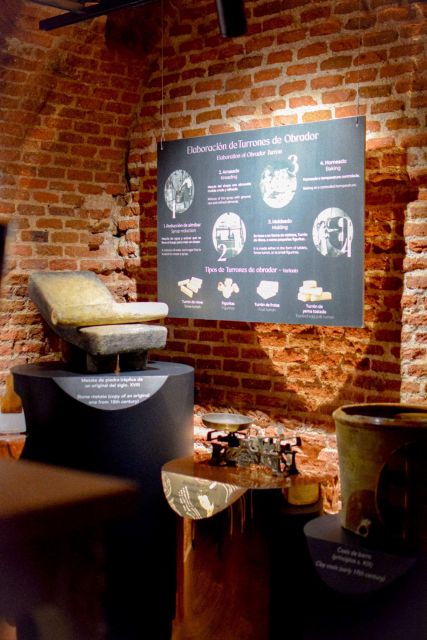
You start with the protagonist of Spanish Christmas sweets: the almond. After that comes the broader history of nougat and what drove its place on major dates. Then you get craft details like the clothing of the turroneros—how it evolved starting in the 18th century.
You finish with the part most people come for: food. At the end, you’re offered a tasting of products sold at 1880 Turrón Museum, including several nougat and related sweets.
That’s the big value: it’s short enough to fit into a day trip plan, but structured enough that it doesn’t feel random.
Almond First: The Story Behind Jijonenco Nougat
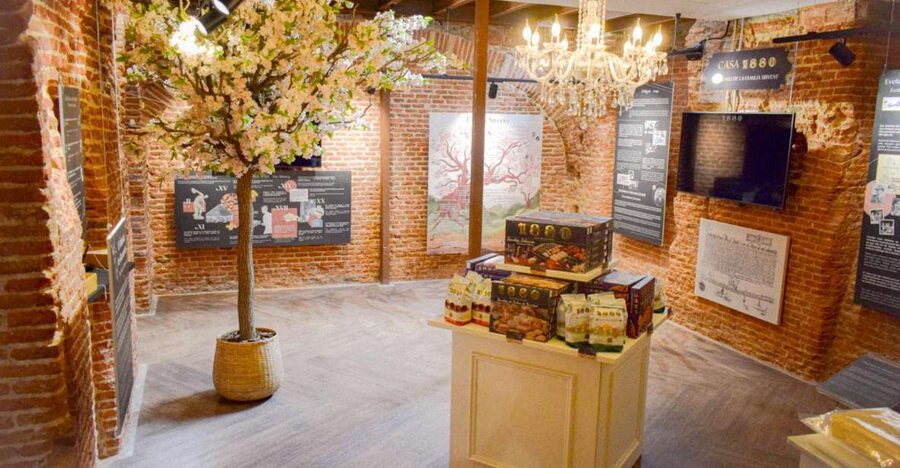
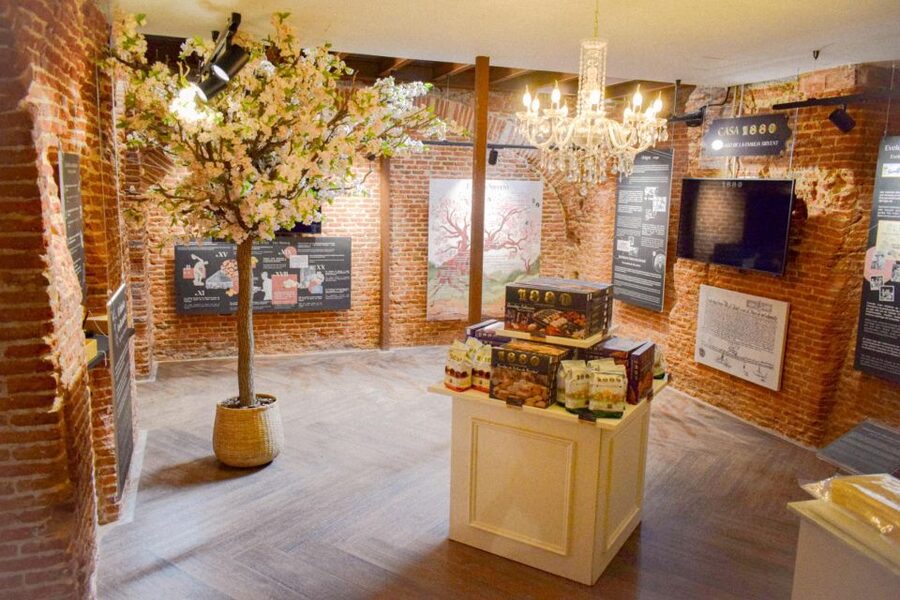
I like that the museum begins with the almond tree, not the final product. You’ll see information panels about the flowering of almond trees, and then you’ll follow the path the dried fruit takes until it becomes nougat.
This is where the visit goes from tasting-shop to small education. Almonds are easy to treat like an ingredient that magically appears in sweets. Here, they’re the starting point, so the whole process feels more real.
If you’re the kind of traveler who reads ingredient names and wonders where the food actually comes from, you’ll enjoy this section. It also makes the tasting at the end more meaningful, because you can connect what you’re eating to the earlier story.
Jijona History: Technology, Economics, and Holiday Dates
After the almond section, the museum shifts into why Jijona nougat became what it is. The focus is on the technological and economic history of Jijona linked to the production of nougat.
You also learn about reasons for consuming this sweet on important dates. That holiday tie is crucial in Spain, because it explains why turrón isn’t just a snack—it’s part of tradition, gifting, and celebration.
One detail I’d highlight: the museum references the Jijona Designation of Origin, tied to the production style. That gives you a way to understand why people talk about authentic Jijona nougat rather than just any nougat.
This section is also a good reminder that food history is local history. A recipe can be consistent, but the way it’s made and distributed often reflects economic change.
Gallery hours worth the queue





Turroneros and Their Clothing: A Craft Tradition With Visual Proof
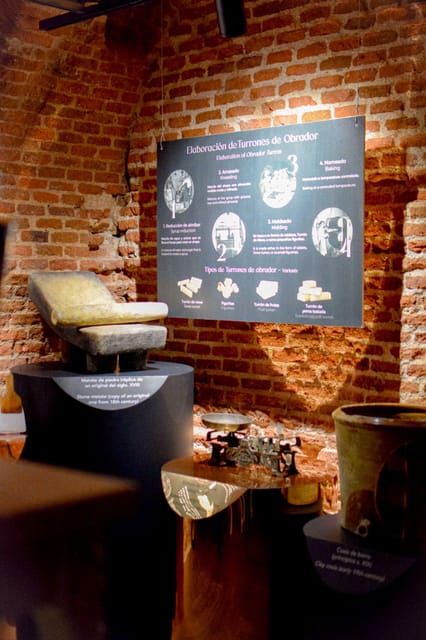
One of the more memorable parts is the museum’s look at the typical clothing of the turroneros and how it evolved since the 18th century.
I like this because it turns a vague word—turronero—into something you can picture. It’s easy to assume craft work is timeless. The clothing timeline suggests it wasn’t static. People adapted what they wore, how they worked, and what their role looked like over time.
If you enjoy seeing how work culture shows up in clothing and everyday details, this is a strong stop. It’s the kind of visual history that you remember later when you’re eating the product.
The Tasting at Casa 1880: What You’ll Actually Get
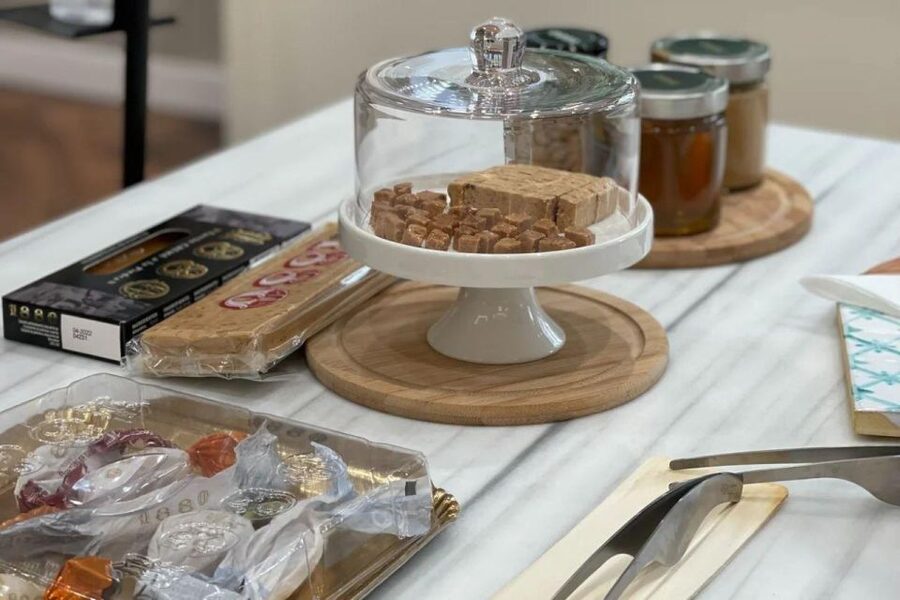
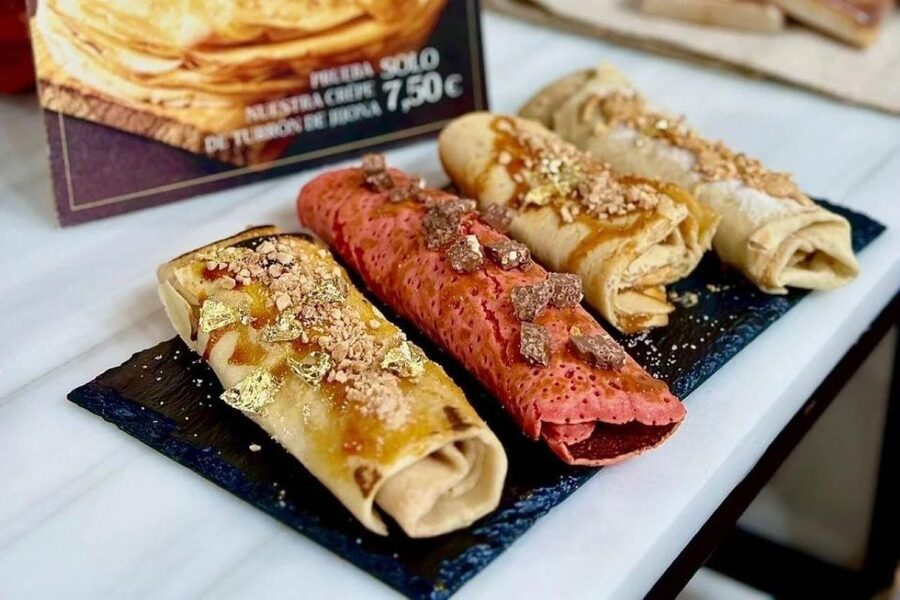
The tasting comes at the end of the visit, and you’re offered samples of items sold in the museum shop.
What’s listed includes:
- Jijona
- egg yolk nougats
- chocolate nougats
- marzipan
- polvorones
I like that the tasting isn’t limited to one flavor. Even if you’re mainly curious about Jijona, sampling the surrounding Spanish Christmas sweets helps you understand how families of flavors connect: nut-based sweets, chocolate variations, and flour-based treats like polvorones.
One practical note: the experience is tied to products sold on site. So if you’re expecting the tasting to be a fully separate, expanded course that you can’t get elsewhere, you might feel a little disappointed. The museum experience is the point, but the tasting is also closely linked to the shop.
Price and Value Check: Is $5 Worth It?
At $5 per person, the math works in your favor—if you treat this like a compact museum experience rather than a full-day food festival.
The ticket covers:
- entrance to the Nougat Museum 1880
- a nougat tasting
For the money, you’re getting a story-based visit with multiple sections: almonds, nougat history, Jijona context, and turronero craft culture. That’s better value than a quick photo stop, even if you’re not a hardcore foodie.
Also, the museum’s structure helps you manage expectations. You can move through parts freely, take in panels, and then end with tasting. That’s ideal if you’re traveling with a mix of interests—someone who wants food, and someone who wants history.
The biggest value question comes down to your mindset: if you want a meaningful intro to Spanish Christmas sweets, this ticket fits well.
Timing, Closures, and When Things Go Sideways
One thing you should take seriously is operational consistency. Some visits can run on schedule, but there have been real-world reports of arriving when the museum wasn’t ready and waiting close to an hour while things were sorted out.
So here’s my practical advice: don’t schedule this at the last second before another fixed appointment. Give it a little buffer time, especially if you’re on a tight itinerary.
If you arrive and nothing seems to be starting, ask about the presentation and the next step rather than assuming it’s just you. The tasting and the museum flow are tied to the running of the visit.
This is still a small-ticket activity. But when you’re trying to make the day work, it helps to protect your time.
Best Fit: Who Should Book This Nougat Museum?
This experience is a great match if you:
- love Spanish food culture and want more than taste
- enjoy ingredient stories, especially almonds and regional tradition
- want a short museum stop that ends with food
- like small history details—especially craft roles and local economics
It may be less satisfying if you:
- only care about a large tasting portion
- expect a heavy guided lecture format every time
- hate the idea of museum-shop overlap (because the tasting ties directly to what’s sold there)
Language is also a factor. The information and the host are Spanish, so if you’re not comfortable in Spanish, you’ll rely more on the panels and visuals.
Quick Practical Tips Before You Go
- Start with the almond section first. It sets up everything that comes next.
- Read the panels about Jijona’s technological and economic context. It’s not fluff; it explains the why.
- If you’re traveling around Christmas season, keep your expectations realistic. This museum is a focused craft story, not a city-wide holiday event.
- If you plan to shop afterward, do it after the visit. The tasting and product lineup are part of the flow.
Should You Book Ticket Entrance to the Madrid Nougat Museum?
If you want a compact, low-cost introduction to Spanish Christmas sweets, I’d say yes. For the price, you’re getting a structured museum route, a clear almond-to-nougat story, and a tasting that includes several standout items like Jijona, marzipan, and polvorones.
Book it if you like food history, regional tradition, and the kind of museum that makes you look at an ingredient differently by the time you taste it.
Skip it or be cautious if you’re expecting a large, separate tasting experience, or if you have a super tight schedule with no buffer. In that case, choose a time when you can afford delays.
Either way, you’ll leave with a better sense of why turrón isn’t just a candy in Spain—it’s a regional identity you can literally taste.
FAQ
Where is the meeting point?
The meeting point is Tienda / Shop Boutique Casa 1880.
How much does the ticket cost?
The price listed is $5 per person.
How long is the experience?
It’s listed as 1 day.
What’s included with the ticket?
You get entrance to the Nougat Museum 1880 and a nougat tasting.
What will I taste during the tasting?
The tasting includes Jijona, egg yolk or chocolate nougats, and also marzipan and polvorones.
Is the museum tour free once you enter?
You can take a free tour of the different parts of the museum.
What language is used for the host and visit?
The host or greeter is listed as Spanish, and the languages include Spanish.
Do I need to choose a specific time?
Yes, the ticket is valid for 1 day and starting times depend on availability.
Can I cancel for a refund?
Yes, it lists free cancellation up to 24 hours in advance for a full refund.
Can I pay later?
Yes, there’s a reserve now & pay later option listed.
Indoors and Worth It: Madrid Galleries
- Madrid: Prado Museum Entry Ticket
★ 4.6 · 20,699 reviews - Madrid: Reina Sofía Museum Entrance Ticket
★ 4.5 · 8,788 reviews - Madrid: Small Group of Prado Museum Tour & Optional Tapas
★ 4.6 · 2,437 reviews - Madrid: Prado Museum Guided Tour with Skip-the-Line Ticket
★ 4.5 · 2,018 reviews - Madrid: Prado Museum Guided Tour With Fast Access
★ 4.8 · 1,785 reviews - Prado Museum Small Group Tour with Skip the Line Ticket
★ 5.0 · 1,738 reviews
Straight In, No Queue
- Madrid: Tour Bernabéu Entry Ticket
★ 4.5 · 21,573 reviews - Madrid: Prado Museum Entry Ticket
★ 4.6 · 20,699 reviews - Avila & Segovia Tour with Tickets to Monuments from Madrid
★ 5.0 · 9,762 reviews - Madrid: Reina Sofía Museum Entrance Ticket
★ 4.5 · 8,788 reviews - Madrid: Avila and Segovia Day Trip with Tickets to Monuments
★ 4.6 · 4,568 reviews - Toledo & Segovia Tour with Cathedral and Alcazar Tickets & Lunch
★ 4.5 · 4,046 reviews
More Tour Reviews in Madrid
- Madrid: Tour Bernabéu Entry Ticket
★ 4.5 · 21,573 reviews - Madrid: Prado Museum Entry Ticket
★ 4.6 · 20,699 reviews - Madrid: “Emociones” Live Flamenco Performance
★ 4.8 · 12,866 reviews - Madrid: Panoramic Route City Tour
★ 4.1 · 12,259 reviews - Madrid: Live Flamenco Show with Food and Drinks Options
★ 4.5 · 9,901 reviews - Avila & Segovia Tour with Tickets to Monuments from Madrid
★ 5.0 · 9,762 reviews
Just Added: New Madrid Tour Reviews





Museums, compared.
 ★ 4.6Prado Museum Entry TicketFrom $2120,699 reviews
 ★ 4.5Reina Sofía Museum Entrance TicketFrom $148,788 reviews
 ★ 4.6Small Group of Prado Museum Tour & Optional TapasFrom $532,437 reviews
 ★ 4.5Prado Museum Guided Tour with Skip-the-Line TicketFrom $462,018 reviews
 ★ 4.8Prado Museum Guided Tour With Fast AccessFrom $281,785 reviews
 ★ 5.0Prado Museum Small Group Tour with Skip the Line TicketFrom $541,738 reviews
 ★ 4.5Royal Palace & Prado Museum Skip the Line Guided TourFrom $821,347 reviews
 ★ 3.9Sweet Space Museum Entry TicketFrom $171,227 reviews
Browse the lists this tour appears in