

REVIEW · PRADO MUSEUM TOURS
Paisaje de la Luz: Prado Museum and Reina Sofia Museum
Two museums, one guided walk, zero guesswork. That alone is a win, but what really pulls you in is how the tour strings together Madrid’s Paisaje de la Luz stroll with two of Spain’s most important museum collections.
I like that admission is included, so you’re not burning time and energy on ticket hassles, and I love the small-group size (up to 7) for a quieter, more human museum pace.
One thing to keep in mind: you only get about 1 hour 30 minutes in each museum, so this is best for smart highlights rather than slow, leaf-through-the-label reading.
In This Review
- Key points you’ll feel right away
- Paisaje de la Luz: the architecture walk that sets the mood
- Prado Museum stop: why Goya and Velázquez still feel current
- Las Meninas: not just famous, actually teachable
- Beyond Spain: Northern Europe fills out your perspective
- The reality check: 90 minutes is “highlights,” not “mastery”
- How the guide turns museum labels into real understanding
- Reina Sofía stop: Picasso’s legacy, and Guernica’s stubborn power
- Why Guernica sparks debate
- A good pairing with the Prado
- Timing and pacing: how to make the most of 4 hours 30
- Small-group touring (max 7) and audio guides: the practical advantage
- Price and value: what you’re really paying for
- Who should book this Prado + Reina Sofía combo
- Who might want a different plan
- Should you book Paisaje de la Luz: Prado Museum and Reina Sofía?
- FAQ
- What time does the tour start?
- Where does the tour meet?
- How long is the tour?
- Is museum admission included?
- How big is the group?
- Do you provide audio guides inside the museums?
- Can I cancel for a full refund?
Key points you’ll feel right away
- Small group (max 7) means questions and explanations don’t get swallowed by crowds.
- Audio guides are included inside both museums, which matters when you’re standing still and trying to listen.
- Paisaje de la Luz walking segment connects architecture and city history from the 16th century to today.
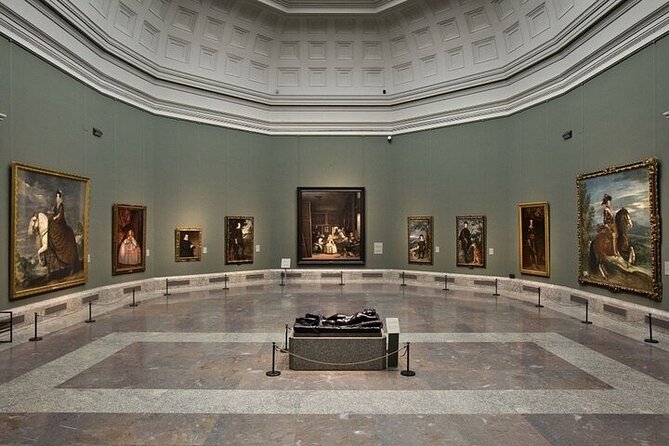
- Prado focus on the big visual puzzles, including the famous perspective work linked to Las Meninas.
- Reina Sofía centers on Guernica’s symbols, plus why people argue about its meaning.
Still on Velazquez and Goya? A few more Prado visits
- Madrid: Prado Museum Entry Ticket★ 4.6 · 20,699 reviews
- Madrid: Small Group of Prado Museum Tour & Optional Tapas★ 4.6 · 2,437 reviews
- Madrid: Prado Museum Guided Tour with Skip-the-Line Ticket★ 4.5 · 2,018 reviews
- Madrid: Prado Museum Guided Tour With Fast Access★ 4.8 · 1,785 reviews
Paisaje de la Luz: the architecture walk that sets the mood
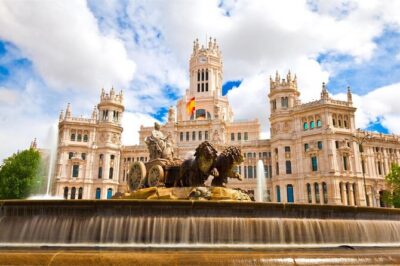
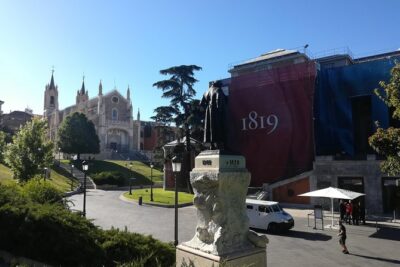
This tour starts with a short but meaningful warm-up in the area called Paisaje de la Luz, right by the Prado. Before you even step into galleries, you get a guide-led stroll that frames Madrid like a living timeline. The emphasis is on architectural highlights and how the city’s look and culture evolved from the 1500s onward to today.
What I like about this approach is that it stops the “museum autopilot” feeling. Instead of walking in cold, you’re already thinking about style, power, and how cities remake themselves. It also helps you place the museums in the broader Madrid story, not just as separate attractions.
The walk itself is paced for a group, not a speed run. Still, it’s a museum day, so expect a bit of walking, standing, and moving between viewpoints and entrances.
Prado Museum stop: why Goya and Velázquez still feel current
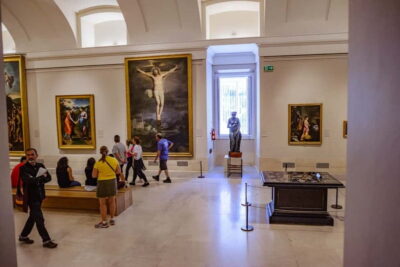
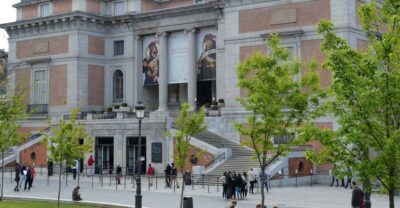
The Prado Museum visit is about 1 hour 30 minutes, with the guide steering you toward major works and the techniques behind them. The museum holds more than 7,000 paintings, but you’re not trying to see everything. You’re seeing the things that give the whole collection its character.
You’ll spend time with standout artists such as Goya and Velázquez, and the guide’s focus isn’t only on the fame. It’s also on how painters built images—through different pictorial techniques—and what those choices say about the society of the past.
Las Meninas: not just famous, actually teachable
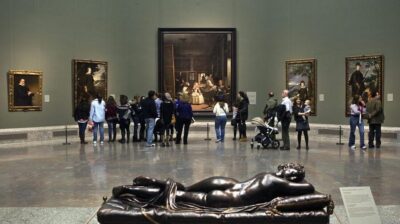
One highlight is the discussion connected to Las Meninas and its famous use of perspective. Even if you’ve only seen the painting in photos, you’ll get a better sense of how the composition works and why it creates that “wait, where am I in this scene?” feeling.
The tour also leans into details: the characters, the specific visual cues, and the smaller anecdotes that people often overlook when they skim. The payoff is that you stop viewing it as a single icon and start reading it like a structured scene with layers.
Beyond Spain: Northern Europe fills out your perspective
The Prado is not only about Spanish masters. You’ll also get time directed toward Northern European painting traditions, including references to Flemish Primitives and Van Dyck-type artistry. This matters because it shows the Prado’s range: it’s not one style, one era, or one national story.
In practical terms, this is one of the best ways to avoid the common museum trap: seeing a couple of masterpieces and leaving with a partial view. Here, you come out with a more balanced sense of what the Prado collection can do.
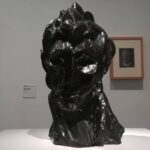
Guernica and the moderns, another look

The reality check: 90 minutes is “highlights,” not “mastery”
This is the first place where you should calibrate your expectations. Ninety minutes in a museum this size is tight. The tour is built for momentum: you’re learning the “why it matters” behind key works, not trying to stand in front of every canvas long enough to memorize brushwork.
If you’re the type who wants to spend 30 minutes with one painting, you might want to plan a follow-up visit on another day. On tour day, treat this as a guided tasting menu.
How the guide turns museum labels into real understanding
One of the quiet strengths of this tour is how it teaches you to notice. Instead of dumping dates, it guides you toward how the paintings function—how perspective shapes the viewer’s role, how technique guides the eye, and how the subject reflects customs and attitudes of earlier eras.
That turns the Prado from a list of famous works into a set of visual ideas. You’ll be looking for the construction of a scene, not just the subject matter.
And because the tour includes audio guides inside the museums, you can keep up with the explanation without craning your neck toward the guide all the time. That audio support is especially useful in galleries where crowds force you to stand in awkward places.
Reina Sofía stop: Picasso’s legacy, and Guernica’s stubborn power
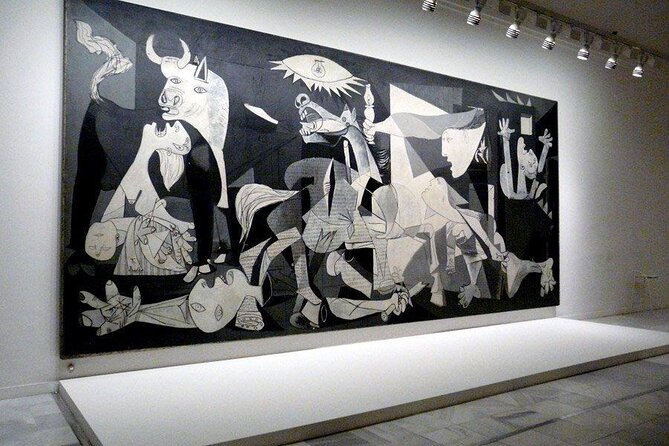
After the Prado, you head to the Reina Sofía, again with about 1 hour 30 minutes. The tour frames this visit around Picasso and the lasting shock of his work—particularly through Guernica, which is treated as a masterpiece whose symbols and story keep pulling people in and pushing them apart.
This stop is where the tour leans into meaning, symbols, and interpretation. You’ll learn about the legacy of Picasso, and you’ll get guided attention on Guernica’s secrets and symbols, including mention of the process of making the work and the broader historical story tied to it.
Why Guernica sparks debate
The tour doesn’t try to force a single interpretation. It points out that interpretation can create controversy and debate, because the painting includes symbolic figures that people read in different ways.
That’s important for you as a visitor. It means you’re not going in expecting the one “correct” explanation. Instead, you’re learning the kind of questions to ask while you stand in front of the painting: what might this figure be signaling, what emotional logic is the composition using, and why do different viewers come away with different conclusions?
A good pairing with the Prado
Putting Prado and Reina Sofía together works because they teach different skills. The Prado stop helps you read older painting craft—technique, composition, perspective, and social context. Reina Sofía pushes you into modern symbolism and historical meaning.
You end up with a fuller picture of how art can work: sometimes it persuades through realism and structure, and sometimes it hits you through symbols that refuse to settle down.
Timing and pacing: how to make the most of 4 hours 30
The whole tour runs about 4 hours 30 minutes, starting at 10:00 am. That duration is the core “value engine” here. You’re packing two major museums into one half-day plan, with a guided structure that keeps you moving.
Here’s how I’d think about it if you’re deciding:
- If you want the big highlights plus a guided explanation, this format fits.
- If you want to get lost in detail, this might feel rushed unless you plan a separate museum block afterward.
Also note the tour ends at Museo Nacional Centro de Arte Reina Sofía (in central Madrid). So even though it’s a museum-focused morning, you still have the afternoon potentially free to wander nearby streets.
Small-group touring (max 7) and audio guides: the practical advantage
A museum day can turn sour for one main reason: noise plus crowd control. With a max group size of 7, it’s easier to hear the guide, easier to ask questions, and easier to stay oriented without getting separated.
On top of that, the tour includes audio guides so you can clearly hear explanations inside the museums. When you’re standing still and trying to listen, that audio support is not a nice-to-have. It’s what makes the difference between “I saw the painting” and “I understood why it matters.”
The tour is also designed to be conducted in a single language, which keeps the experience smooth. If language comfort is high on your priority list, this structure is a real plus.
Price and value: what you’re really paying for
At $143.30 per person, it’s not a budget add-on. But it’s also not an overpriced “just walk around with a guide” situation. You’re paying for three concrete things that typically cost time and hassle if you do them yourself:
- Included admission tickets to both museums
- Guided visits in both locations (not just exterior sights)
- Audio guides inside the museums
The value is especially strong if you want a one-day overview. Two major museums on your own usually means you’ll lose time coordinating routes, figuring out what to prioritize, and deciding how to stitch the visits into a single flow. This tour gives you a plan, and plans are what save you energy.
If you’re the type who loves museum wandering and hates schedules, the price might feel harder to justify. But if you want a structured, explanation-led visit to two heavy-hitters, the included entry and the guided pacing are exactly what you’re paying for.
Who should book this Prado + Reina Sofía combo
This tour fits best if you:
- Want an efficient first-time Madrid art fix
- Like guided context that helps you interpret what you’re seeing
- Prefer a semi-private feel over a large crowd tour
- Appreciate having audio support rather than relying on standing close to the guide
It’s also a great choice if you know you want to see key masterpieces—like the Prado’s major Spanish masters and Reina Sofía’s Picasso and Guernica—but you don’t want to build the whole plan yourself.
Who might want a different plan
I’d consider another approach if you:
- Plan to spend a long time staring at lots of individual works, not just key highlights
- Want a totally self-directed visit where you can choose your own room-by-room pacing
- Are traveling with someone who gets restless with guided walking schedules
In short: this is a smart highlights tour. If you’re seeking depth for its own sake, add extra time on your own after the tour.
Should you book Paisaje de la Luz: Prado Museum and Reina Sofía?
If you’re deciding whether this is your kind of Madrid morning, I’d say yes—with eyes open. The best part is how the experience connects architecture and city history first, then trains your attention on masterpieces with enough context to make them stick. Small-group size plus audio guides is a strong combo for a museum-focused plan.
Book it if you want a guided, efficient art day that still feels personal. Skip it (or plan extra time) if you want to linger for long stretches in one room or you’re looking for a deep, self-directed gallery crawl.
FAQ
What time does the tour start?
The tour starts at 10:00 am.
Where does the tour meet?
The meeting point is Museo Nacional del Prado (Retiro), 28014 Madrid, Spain.
How long is the tour?
The duration is about 4 hours 30 minutes.
Is museum admission included?
Yes. Ticket for Prado Museum and Ticket for Reina Sofía Museum are included.
How big is the group?
The tour is limited to a maximum of 7 travelers.
Do you provide audio guides inside the museums?
Yes. Audio guides are included so you can clearly hear explanations inside the museums.
Can I cancel for a full refund?
You can cancel for a full refund if you cancel at least 24 hours before the experience’s start time.
More Tour Reviews in Madrid
- Madrid: Tour Bernabéu Entry Ticket
★ 4.5 · 21,573 reviews - Madrid: Prado Museum Entry Ticket
★ 4.6 · 20,699 reviews - Madrid: “Emociones” Live Flamenco Performance
★ 4.8 · 12,866 reviews - Madrid: Panoramic Route City Tour
★ 4.1 · 12,259 reviews - Madrid: Live Flamenco Show with Food and Drinks Options
★ 4.5 · 9,901 reviews - Avila & Segovia Tour with Tickets to Monuments from Madrid
★ 5.0 · 9,762 reviews
Reina Sofia, Beyond Guernica
- Madrid: Reina Sofía Museum Entrance Ticket
★ 4.5 · 8,788 reviews - Madrid: Reina Sofía Museum Guided Tour
★ 4.3 · 659 reviews - Spanish Civil War start of 2 World War, Guernica Franco
★ 5.0 · 462 reviews - Reina Sofia Museum Small Group Tour -6 people maximum-
★ 5.0 · 433 reviews - Madrid: Guided Tour of Reina Sofía Museum with Entry Ticket
★ 4.9 · 363 reviews - Madrid: Reina Sofia and Prado Museum Tickets and Guided Tour
★ 4.6 · 342 reviews
Inside the Prado: More to See
- Madrid: Prado Museum Entry Ticket
★ 4.6 · 20,699 reviews - Madrid: Small Group of Prado Museum Tour & Optional Tapas
★ 4.6 · 2,437 reviews - Madrid: Prado Museum Guided Tour with Skip-the-Line Ticket
★ 4.5 · 2,018 reviews - Madrid: Prado Museum Guided Tour With Fast Access
★ 4.8 · 1,785 reviews - Prado Museum Small Group Tour with Skip the Line Ticket
★ 5.0 · 1,738 reviews - Royal Palace & Prado Museum Skip the Line Guided Tour
★ 4.5 · 1,347 reviews
Just Added: New Madrid Tour Reviews



Prado Museum Tours, compared.
 ★ 4.6Prado Museum Entry TicketFrom $2120,699 reviews
 ★ 4.6Small Group of Prado Museum Tour & Optional TapasFrom $532,437 reviews
 ★ 4.5Prado Museum Guided Tour with Skip-the-Line TicketFrom $462,018 reviews
 ★ 4.8Prado Museum Guided Tour With Fast AccessFrom $281,785 reviews
 ★ 5.0Prado Museum Small Group Tour with Skip the Line TicketFrom $541,738 reviews
 ★ 4.5Royal Palace & Prado Museum Skip the Line Guided TourFrom $821,347 reviews
 ★ 3.6Prado Museum Ticket with In-App Audio GuideFrom $351,154 reviews
 ★ 4.5Prado Museum Guided Tour with Skip-the-Line TicketFrom $451,146 reviews
Browse the lists this tour appears in