
REVIEW · MUSEUMS
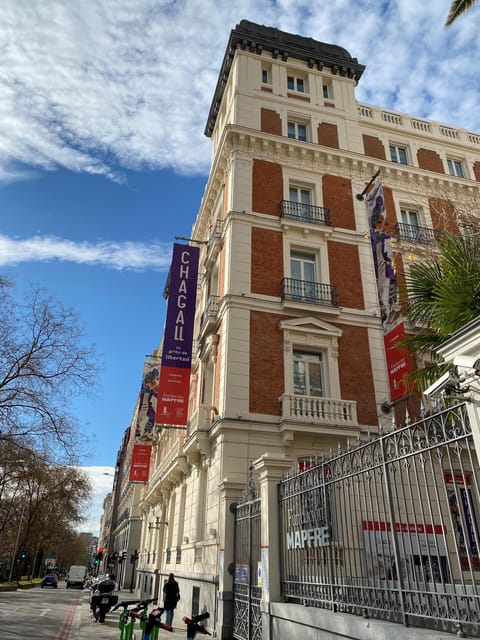
Mapfre Foundation Madrid – Photography Exhibitions
You’ll walk into a museum built for looking closely at visual stories. I especially like the mix of photography with painting and sketches, and the way the two temporary exhibitions pull you from late-19th-century art into mid-20th-century streets. One thing to keep in mind: with any ticketing promo, double-check what you’re being charged for, because one past booking note complained about paying when entry was expected to be free.
You can expect works shaped by a time span from the late-1800s to the mid-1900s, plus current temporary displays running until May 17, 2026. If you’re the type who likes your museum time guided (but not rushed), the included audio guide is a big part of the value.
And if you dislike wearing headphones in quiet spaces, plan ahead anyway—headphones are required, though you can buy a simple jack type on-site for a small fee if you forget yours.
In This Review
- Key things to know before you go
- Fundación MAPFRE: a photo-friendly stop for serious looking in Madrid
- Temporary shows through May 17, 2026: Anders Zorn and Helen Levitt
- Anders Zorn: Traveling the World, Remembering the Land
- Helen Levitt: nearly two hundred works of urban life
- The permanent exhibitions: why the late-1800s to mid-1900s focus matters
- Audio guide setup: the QR code system and the headphone rule
- How to pace a 1-day visit without feeling rushed
- Price and value: what $5 gets you, and what to double-check
- Practical details that shape your day
- Who should book this photography-focused MAPFRE visit?
- Should you book the Fundación MAPFRE photography exhibitions?
- FAQ
- How much does the MAPFRE Foundation Madrid photography exhibition visit cost?
- How long is the experience?
- What exhibitions are on view?
- Is an audio guide included, and what languages are available?
- Do I need headphones?
- Where do I pick up my ticket or exchange a voucher?
Key things to know before you go
- Two major temporary exhibitions until May 17, 2026: Anders Zorn and Helen Levitt
- A strong audio guide setup: QR code access, English and Spanish, and free Wi‑Fi if needed
- Headphones are required (and you can buy them at the ticket counter)
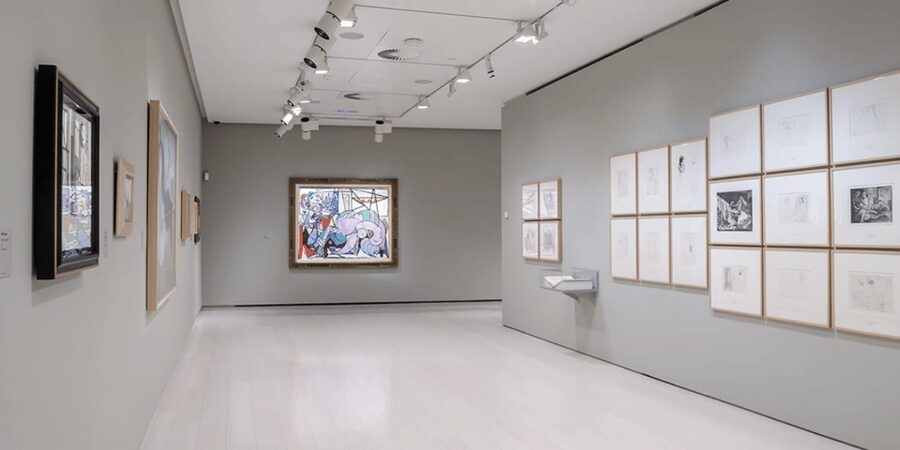
- Permanent and temporary galleries include painting, photography, and sketches focused on late-19th to mid-20th century
- Urban life photography with social weight in the Levitt show
- Zorn’s full career arc from early watercolors to travels and Spanish connections
More colour and frames for the camera roll
- Madrid: Private Photoshoot at the Retiro Park★ 4.9 · 76 reviews
- Photoshoot in Madrid★ 5.0 · 44 reviews
- Valencia Private Photoshoot★ 5.0 · 40 reviews
- Vacation photographer. Madrid Photo Shoot. Take home more than just a selfie!★ 5.0 · 40 reviews
Fundación MAPFRE: a photo-friendly stop for serious looking in Madrid
The Fundación MAPFRE visit works well if you want more than a quick art glance. This place is set up for slow looking—you get visual arts and photography in the same world, so your brain keeps making connections.
The museum experience is built around exhibitions that range across eras. You’ll be surrounded by art spanning roughly the late-19th century to the middle of the 20th century, with painting, sketches, and photography all showing up in the story.
Even better, the programming doesn’t feel like it only targets specialists. If you’re into photography because of mood and subject matter, you’ll still get plenty to enjoy. If you’re into it because of history, you’ll likely appreciate the context more than you expected.
Temporary shows through May 17, 2026: Anders Zorn and Helen Levitt
For most people, the day’s main draw is the two temporary exhibitions running until May 17, 2026. They’re very different in tone, and that contrast is part of the fun. You’ll go from skill-heavy portraiture and travel art to a deeply personal New York street view.
Anders Zorn: Traveling the World, Remembering the Land
Anders Zorn (1860–1920) is framed here as one of Sweden’s major late-19th/early-20th-century painters. The exhibition traces his career in a way that feels like a guided tour through changing influences: early watercolors, a period in England, then Paris and the pull of Impressionism.
What I like about this show is how it highlights Zorn’s range of methods. You’re not just looking at oil painting—you also see his work across oil, watercolor, and printmaking, plus his famed nude studies, and portraits of famous people like kings, presidents, and celebrities.
Then the travel arc turns into something more intimate. After time in the United States and his return to Mora, the exhibition emphasizes everyday Swedish life rather than just high-society glamour. If you enjoy artists who shift from fame to grounded subjects, this part can feel especially human.
And there’s an extra layer if you connect artists across countries. The show includes his Spanish works and his artistic connection with Joaquín Sorolla, so your visit becomes more than a single-artist deep cut.
Helen Levitt: nearly two hundred works of urban life
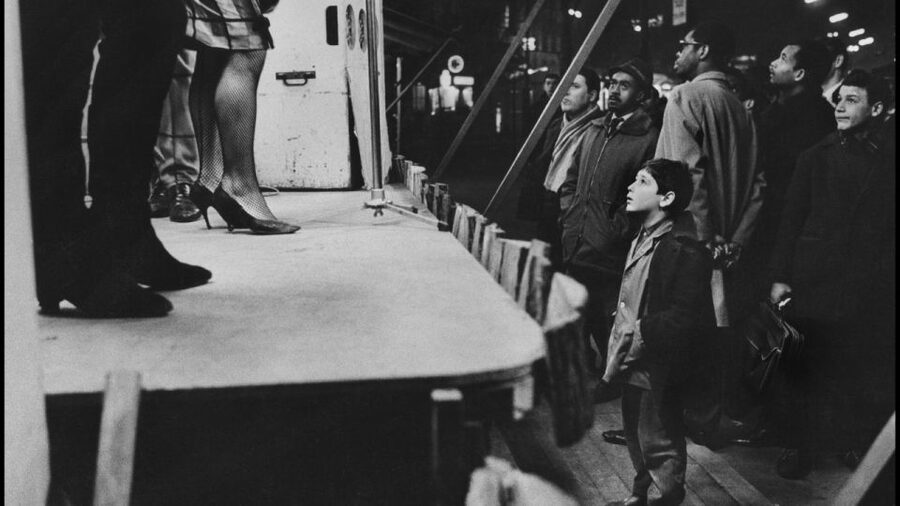
Helen Levitt (1913–2009) brings you to 20th-century urban photography with a personal, poetic focus. The exhibition is centered on her long career—about seven decades—and the way she found inspiration in city streets, especially New York, starting at the end of the 1930s.
This display assembles nearly two hundred works across nine sections. The through-line is her attention to kids at play, everyday gestures, and working-class neighborhoods. If you like documentary photography that still feels tender, you’ll probably feel the emotional “camera intelligence” here.
What also stands out is how the exhibition doesn’t freeze her in one style. You’ll see her early photographs and later cinematic explorations too. That makes the show feel like an argument for why her work matters beyond aesthetics—it’s also about social commitment and seeing people with respect.
In practical terms, this means you can spend time in one section and still feel like the show is telling a continuous story, not just stacking images.
Gallery hours worth the queue


The permanent exhibitions: why the late-1800s to mid-1900s focus matters
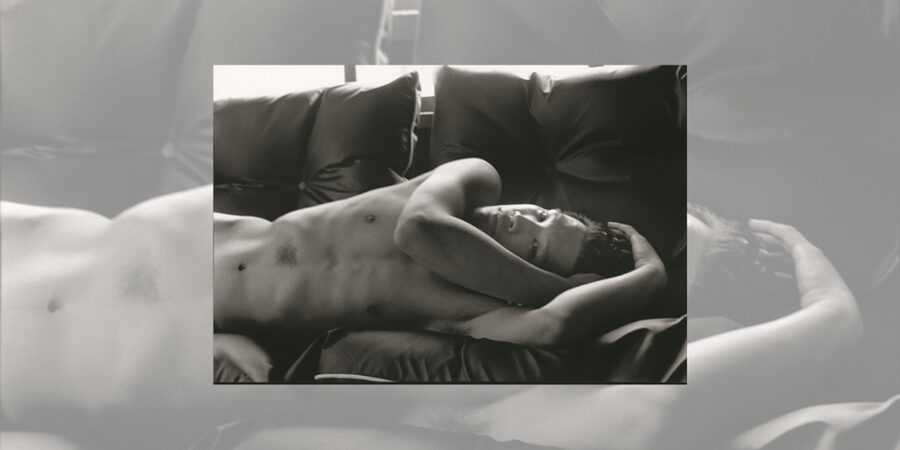
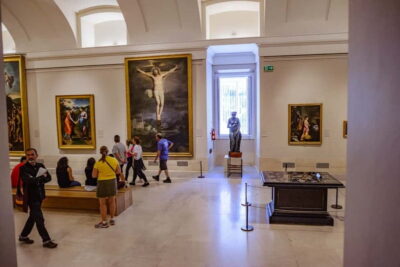
Beyond the two temporary exhibitions, you’re also in a space that mixes media and periods. The experience description points to works of painting, photography, and sketches, with attention on late-19th-century through mid-20th-century art.
For you, that range is more than a schedule detail. It’s a chance to notice how photography sits inside broader visual culture. You can compare how artists treated realism, portraiture, daily life, and movement across different mediums and time periods.
If you’re not trying to “finish” the museum, this is where you can slow down. Pick one theme—portraits, streets, or everyday life—and then let the rooms around it broaden your perspective.
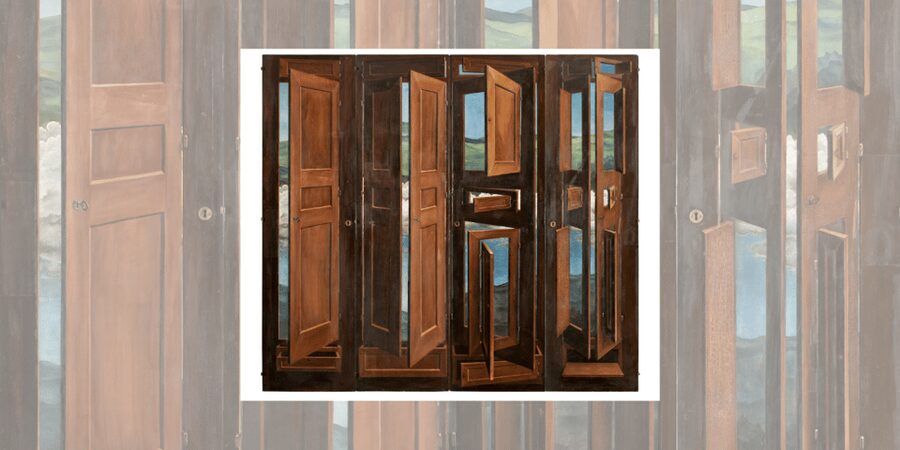
One detail I found useful from feedback: the museum staging and lighting can shape how you respond to certain artists and styles. In one note, a visitor described how lighting made the works of Leonora Carrington (at least during their visit) feel like something you’d remember from the surreal atmosphere of Bosch’s Garden of Earthly Delights. Even if your specific highlights differ, that points to the fact that presentation choices matter here.
Audio guide setup: the QR code system and the headphone rule
The ticket includes an audio guide in English and Spanish at no extra cost. You access it with a QR code available in the rooms.
Here’s the practical part you should plan for: it requires a mobile device with active internet. If you don’t have mobile data, you can connect to the museum’s free Wi‑Fi network in the space.
Headphones are required so you don’t disturb other visitors. The museum recommends bringing your own, but you can also purchase headphones at the ticket counter for €1 (jack type). If you arrive at a busy time and don’t have headphones, you may need a short wait depending on availability.
My suggestion: if you’ve got a choice, bring your own. It avoids the tiny uncertainty of stock and counter lines, and you stay in control of your pacing.
How to pace a 1-day visit without feeling rushed
You’ve got a 1-day window, and the ticket is valid for that day once you pick available starting times. Since no specific hour-by-hour route is provided here, the best strategy is flexible: plan to move room by room, but leave time for the two temporary exhibitions to land with you.
Start with the temporary shows if your priority is Zorn and Levitt. Then use the permanent galleries as “context rooms.” That order matters because temporary exhibitions often set the tone for how you read the rest of the collection.
If you’re the kind of person who gets tired of standing still, you can still make this trip satisfying. Look for short sections where the images or artworks cluster around one theme, then take a break before you move on. You’ll get more from a museum like this by returning to the same themes, not by trying to see everything in one pass.
Also, since audio is included, it’s a good idea to treat it like a prompt rather than a rule. When a room feels dense, listen. When a room feels familiar, skip ahead or take in the visuals quietly. That keeps your visit from turning into a nonstop headset experience.
Price and value: what $5 gets you, and what to double-check
The listed price is $5 per person, and the standard ticket includes the audio guide. On paper, that’s strong value because you’re paying for a full day in a museum with built-in interpretive support, not just admission to rooms you might have to figure out yourself.
Still, I’d treat price as a “confirm before you commit” topic. One booking review mentioned being charged entry when it was expected to be free. I can’t say what caused the mismatch, but it’s enough to make a smart visitor double-check any conditions tied to your booking or payment method.
If you’re going to spend the time anyway, the included audio guide pushes this from low-cost to genuinely useful. You’re not just paying to look—you’re paying to understand what you’re looking at.
Practical details that shape your day
- Meeting point: exchange your voucher at the ticket desk.
- Languages: audio guide is available in English and Spanish.
- Headphones: required; bring your own if you can, or buy jack-type (€1) at the counter.
- Wheelchair accessibility: the activity is wheelchair accessible.
- Show timeframe: the two temporary exhibitions are available until May 17, 2026.
If you like a calm visit, plan for the headphone requirement. Arrive with time to handle tickets and gear, so you don’t lose momentum at the start.
Who should book this photography-focused MAPFRE visit?
This works especially well if you fit one or more of these profiles:
- You like photography that’s not just pretty, but also human and observant, like Levitt’s city street work.
- You’re interested in how an artist’s life connects to their output, as shown by Zorn’s career arc and travels.
- You enjoy museums that mix media—painting, sketches, and photography—so you can compare how visual storytelling changes over time.
- You want a low-cost day with audio support that keeps you moving at a pace you control.
If you only want modern photography or only want street shots, you might find the Zorn portion shifts the mood. But that contrast is exactly what makes the day interesting for many people: two exhibitions with totally different emotional engines.
Should you book the Fundación MAPFRE photography exhibitions?
Yes—book it if you want a compact, low-stress museum day that still feels substantial. For the money, you get major temporary exhibitions (Zorn and Levitt), a broader art setting focused on late-1800s to mid-1900s visual culture, and an included audio guide in English and Spanish.
I’d think twice only if you hate headphone rules, or if you’re uncertain about ticket conditions tied to promotions/free entry. If you handle that check-up and come ready with headphones or budget for them, this is a smart way to spend a day in Madrid.
FAQ
How much does the MAPFRE Foundation Madrid photography exhibition visit cost?
The price is listed as $5 per person.
How long is the experience?
It’s described as lasting 1 day.
What exhibitions are on view?
The temporary exhibitions highlighted are Anders Zorn: Traveling the World, Remembering the Land, and Helen Levitt. They are available until May 17, 2026.
Is an audio guide included, and what languages are available?
Yes. The standard ticket includes a free audio guide available in English and Spanish. You access it via a QR code in the rooms.
Do I need headphones?
Yes, headphones are required to avoid disturbing other visitors. You’re recommended to bring your own, though you can buy jack-type headphones for €1 at the ticket counter.
Where do I pick up my ticket or exchange a voucher?
You exchange your voucher at the ticket desk (meeting point).
Indoors and Worth It: Madrid Galleries
- Madrid: Prado Museum Entry Ticket
★ 4.6 · 20,699 reviews - Madrid: Reina Sofía Museum Entrance Ticket
★ 4.5 · 8,788 reviews - Madrid: Small Group of Prado Museum Tour & Optional Tapas
★ 4.6 · 2,437 reviews - Madrid: Prado Museum Guided Tour with Skip-the-Line Ticket
★ 4.5 · 2,018 reviews - Madrid: Prado Museum Guided Tour With Fast Access
★ 4.8 · 1,785 reviews - Prado Museum Small Group Tour with Skip the Line Ticket
★ 5.0 · 1,738 reviews
More Tour Reviews in Madrid
- Madrid: Tour Bernabéu Entry Ticket
★ 4.5 · 21,573 reviews - Madrid: Prado Museum Entry Ticket
★ 4.6 · 20,699 reviews - Madrid: “Emociones” Live Flamenco Performance
★ 4.8 · 12,866 reviews - Madrid: Panoramic Route City Tour
★ 4.1 · 12,259 reviews - Madrid: Live Flamenco Show with Food and Drinks Options
★ 4.5 · 9,901 reviews - Avila & Segovia Tour with Tickets to Monuments from Madrid
★ 5.0 · 9,762 reviews
Colour, Light and a Camera
- IKONO: a Unique Sensory and Photographic Experience
★ 4.5 · 1,916 reviews - Madrid: Private Photoshoot at the Retiro Park
★ 4.9 · 76 reviews - Photoshoot in Madrid
★ 5.0 · 44 reviews - Valencia Private Photoshoot
★ 5.0 · 40 reviews - Vacation photographer. Madrid Photo Shoot. Take home more than just a selfie!
★ 5.0 · 40 reviews - Private Vacation Photoshoot with Photographer in Madrid
★ 5.0 · 29 reviews
Just Added: New Madrid Tour Reviews

Museums, compared.
 ★ 4.6Prado Museum Entry TicketFrom $2120,699 reviews
 ★ 4.5Reina Sofía Museum Entrance TicketFrom $148,788 reviews
 ★ 4.6Small Group of Prado Museum Tour & Optional TapasFrom $532,437 reviews
 ★ 4.5Prado Museum Guided Tour with Skip-the-Line TicketFrom $462,018 reviews
 ★ 4.8Prado Museum Guided Tour With Fast AccessFrom $281,785 reviews
 ★ 5.0Prado Museum Small Group Tour with Skip the Line TicketFrom $541,738 reviews
 ★ 4.5Royal Palace & Prado Museum Skip the Line Guided TourFrom $821,347 reviews
 ★ 3.9Sweet Space Museum Entry TicketFrom $171,227 reviews
Browse the lists this tour appears in