
REVIEW · MADRID GUIDED WALKING TOURS
Madrid: Small-group historical walking tour
Imperial Madrid fits in two hours of walking. This small-group historical stroll through Habsburg Madrid links Puerta del Sol to the Royal Palace, guided in English, French, or Spanish.
I really like the way the guide (Osmel is a standout name you might meet) handles questions with real precision, including dates. I also like that the route mixes big “postcard” squares with places that feel like everyday Madrid, including the area around Sobrino de Botín and the Market of San Miguel.
One thing to consider: this is a walking tour with photo stops, and entrance tickets aren’t included—so if you want interior views, you’ll need to plan that separately.
In This Review
- Key highlights worth showing up for
- Starting at La Mariblanca: the heartbeat of Puerta del Sol
- Puerta del Sol stops: legends, landmarks, and quick photos
- Plaza Mayor and Plaza de la Villa: where Madrid held court
- Market of San Miguel and Sobrino de Botín: old-town eating energy
- Almudena Cathedral and the Royal Palace finish line
- Price, pace, and what $22 buys you
- Tips to get the most from your two-hour walk
- Who should book this Habsburg Madrid walk?
- Should you book this tour?
- FAQ
- Where does the tour start?
- How long is the Madrid historical walking tour?
- What group size is this tour?
- What languages are available?
- What’s included in the price?
- Are entrance tickets included for monuments or museums?
- Is the tour wheelchair accessible?
Key highlights worth showing up for
- Up to 10 people keeps it personal enough to ask questions and get actual answers
- Osmel-style guiding: clear explanations and strong historical context for the Golden Age sites
- Puerta del Sol → Plaza Mayor → Plaza de la Villa hits the old-town spine you’ll want later on your own
- San Miguel + Sobrino de Botín area gives you a feel for where locals snack and linger
- Finish at Palacio Real so you can roll straight into the palace area without backtracking
The centre on foot, other ways round
- Madrid Tapas & Wine Tasting Walking Tour – Small Group Local Bars★ 5.0 · 3,644 reviews
- Madrid Welcome Tour with Local Guide in Eco Tuk Tuk Private★ 5.0 · 2,936 reviews
- Madrid Walking Tour from Puerta del Sol to Retiro Park★ 5.0 · 2,285 reviews
- Madrid Old Town & Royal Palace Walking Tour Skip the Line Ticket★ 4.5 · 1,829 reviews
Starting at La Mariblanca: the heartbeat of Puerta del Sol
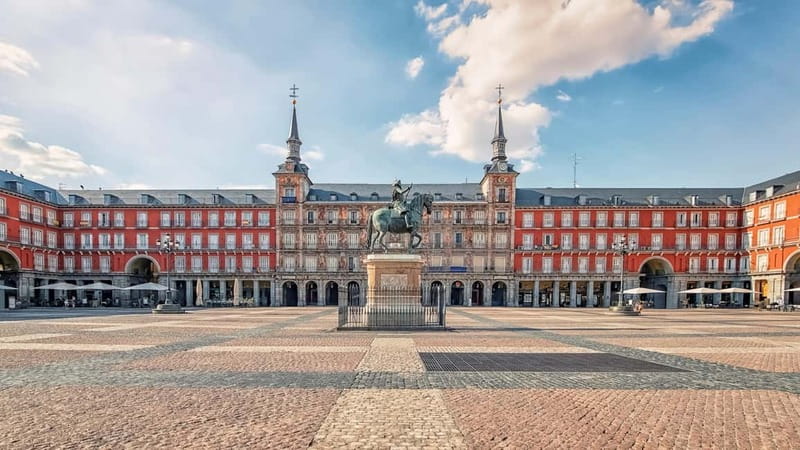
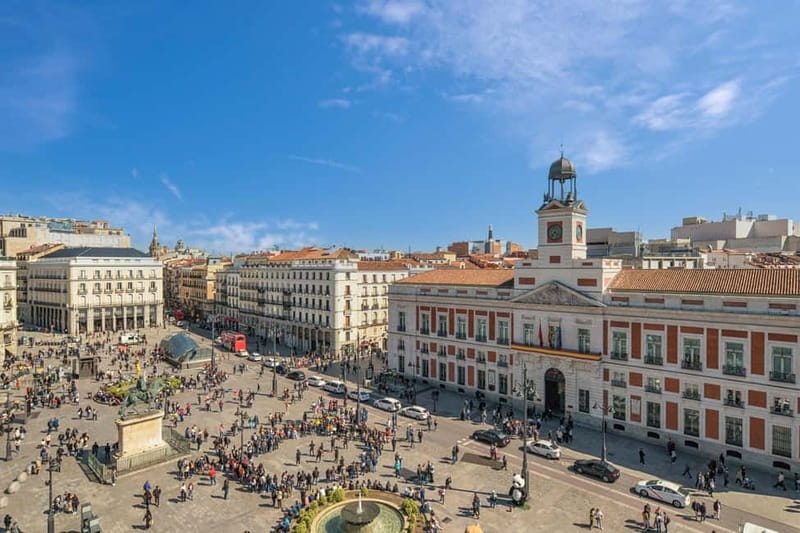
Your tour begins at the La Mariblanca statue right in Puerta del Sol. The meeting spot is easy to find: look for your guide at the statue, with a distinctive bag and proper identification. If you’re arriving by metro, this square is a good “reset point” for getting your bearings in Madrid.
Puerta del Sol matters because it’s not just a pretty plaza. It’s one of those city hubs where political power, public life, and daily routines have overlapped for centuries. That’s why starting here works: you go from a modern crush of people to a guided story about how Madrid grew into an imperial capital.
You’ll get a short guided orientation before walking off toward the Habsburg-era core. There’s also a break early on for photos and a quick catch of your breath. Come with comfortable shoes—you’ll feel the pace more than the distance. Madrid streets can be short-winded, but the sidewalks add up.
Puerta del Sol stops: legends, landmarks, and quick photos
Puerta del Sol is your first real “look around” moment. You’ll get a guided tour of the square, plus time for photo stops. This is a smart start because it helps you understand what you’re seeing before you’re surrounded by more impressive sights.
Here’s the practical value: after a good explanation, you start noticing details you’d otherwise miss—how a square functions, where important routes converge, and why certain landmarks became meeting points. In a short tour, that kind of framing is gold. Instead of just checking boxes, you learn how the parts connect.
The guide also tends to answer questions with specifics. If you’re the type who wants the date behind the story—good. You’ll likely get crisp answers, not vague “because history.” That makes the walk feel less like a lecture and more like you’re decoding the city as you go.
After the initial pause, you move along the narrow streets and passing corners toward the more monumental spaces. Expect a bit of “look up” walking—Madrid loves architecture details, and the Habsburg core gives you plenty to work with.
Plaza Mayor and Plaza de la Villa: where Madrid held court
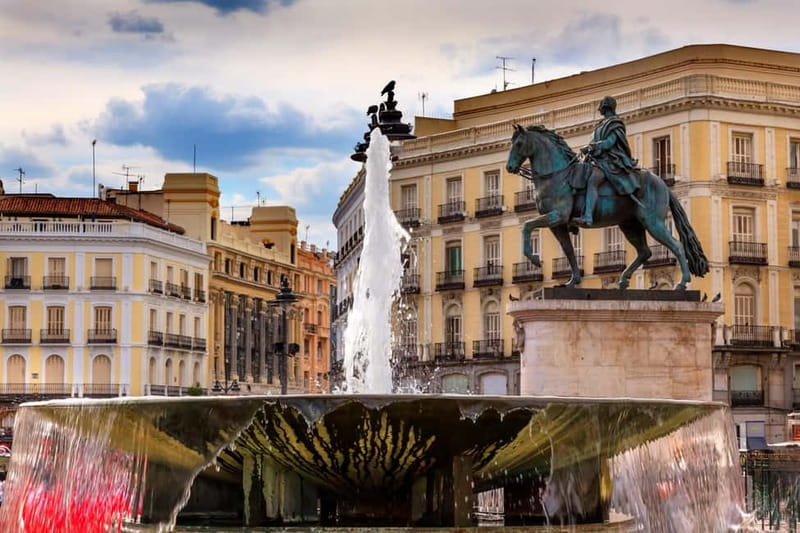
Next up is Plaza Mayor, the big one. Even if you’ve seen photos, being there in person hits different. The scale is dramatic, and the layout makes it obvious why this was a stage for public life—processions, announcements, and the kind of civic drama that feels unusually close to today.
On the tour, Plaza Mayor includes a break plus guided commentary and walking time. You get the context without getting stuck in one spot. That matters because Plaza Mayor isn’t just a “stand still and pose” plaza. It’s a space you can read: the way the buildings face inward, the way you move through it, and how the square organizes attention.
Then you head toward Plaza de la Villa, the center associated with the old town hall area. This is where the walk gets more “old Madrid” than “main attraction.” The surroundings help you understand how civic power worked at street level—where government and public routines shared the same geography.
What I like most about reaching Plaza de la Villa on this route is the pacing logic. By the time you get there, you’ve already learned how Puerta del Sol sets the city rhythm and how Plaza Mayor escalates it. Plaza de la Villa feels like the missing middle: practical, historical, and easy to imagine as the daily operating center of an imperial city.
Market of San Miguel and Sobrino de Botín: old-town eating energy
This tour doesn’t turn into a food tour. Still, it places you near two spots that help you understand Madrid’s day-to-day culture.
You’ll pass by Sobrino de Botín for a guided stop. The name itself carries weight, but the real value here is atmosphere. You get a sense of how Madrid’s historic dining culture lives right inside the old streets—so the tour doesn’t feel like history sealed behind glass.
Then comes the Market of San Miguel area. This is one of those places where you can pause, look, and soak up the scene. The tour schedules a break and guided walking time around the market area, which is handy because it gives you options: you can grab a quick bite if you want, or just use the time to observe how locals shop, snack, and linger. Food and drinks aren’t included, so think of this as your flexible moment, not a bundled meal.
A small warning, in a friendly way: this portion can be lively. If crowds bother you, plan on moving slowly through the market frontage and using your break time strategically. The guide will help you keep the story going even while you’re surrounded by noise and smells.
For me, this food-energy pairing is what makes the historical walk feel human. You’re learning about power, but you’re also seeing how people actually spent time in the city.
The capital on foot, other routes to try




Almudena Cathedral and the Royal Palace finish line
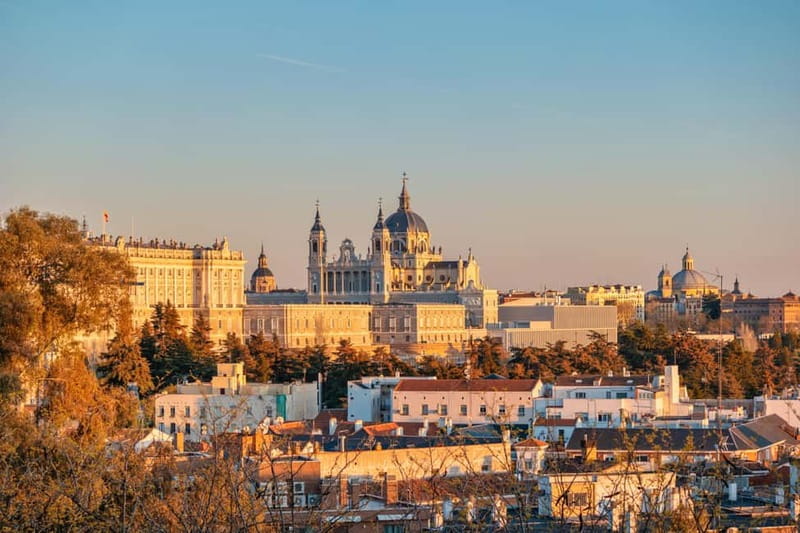
Near the end, you’ll have a photo stop at Almudena Cathedral. This part is less about entering and more about noticing. From the outside, the cathedral’s presence helps you understand Madrid’s architectural layers—how later eras shape the imperial core you’ve been walking through.
Then the tour finishes at Palacio Real de Madrid—the Royal Palace. Ending here is a smart move. Instead of stopping before the big moment, you arrive right where you’ll want to keep exploring on your own. Even if entrances aren’t included, you can still enjoy the palace area right away, take more photos, and decide whether you want to add tickets later.
The practical tradeoff: since this is not an interior-focused tour, you won’t get full access to the palace rooms or museum collections. That’s not a dealbreaker; it’s the logic of an orientation walk. If you want interiors, your best bet is to treat this tour like your “map with meaning,” then come back with a ticket day in mind.
Price, pace, and what $22 buys you
At $22 per person for 2 hours and a group capped at 10 participants, the value is strong—especially if you care about context. This price covers a guided walk with an accredited guide. It does not include monument or museum entrance tickets, and it also doesn’t include food or drinks.
So who is this best for? People who want:
- a fast historical orientation of central Madrid
- an efficient route through key Habsburg-era landmarks
- a guide you can ask questions to, without a huge group crowding the conversation
This is also the kind of tour that helps you avoid wasted time later. After two hours, you’ll know what matters, where it is, and why it matters—so your independent sightseeing gets sharper. You’ll spend less time “figuring it out” and more time enjoying.
Pace-wise, it’s active but not extreme. You’re walking for the duration, with scheduled breaks for photos and short pauses. Still, wear comfortable shoes. If your feet get angry fast, plan a relaxed evening after.
Tips to get the most from your two-hour walk
A few small choices will make a big difference:
Wear comfortable shoes. Madrid sidewalks are good, but you’ll be on your feet for the full 2 hours.
Check the weather. Dress for what you’ll actually experience while walking. If it’s hot, you’ll feel it more than you expect; if it’s cool, bring a light layer you can adjust.
Bring a curious mindset. The guide’s strength is answering history questions clearly. If you’ve got questions about dates, dynasties, or how Madrid changed over time, this tour is built for that.
Plan your next step after the finish. Because you end at Palacio Real, decide in advance whether you’ll:
- continue strolling around the palace area
- stop for a meal near the center
- go straight to a ticketed visit later
That way, the tour ends with momentum rather than with you hunting for what to do next.
Who should book this Habsburg Madrid walk?
This tour is a great fit if you:
- want a concentrated history-and-sight orientation of central Madrid
- prefer small groups and a guided route (instead of a self-guided scramble)
- enjoy both major landmarks and street-level moments
- like getting practical suggestions from the guide afterward
I’m especially into the “ask questions” vibe. One reason people rave about Osmel is that he doesn’t just talk—he responds. He can explain, answer, and keep the story moving from square to square. He’s also the type who shares recommendations for where to eat or what to see next, which is useful when you want your next day to feel planned.
If you’re traveling with limited time—say one short day in Madrid—this is the kind of tour that gives you an instant base layer of understanding.
Should you book this tour?
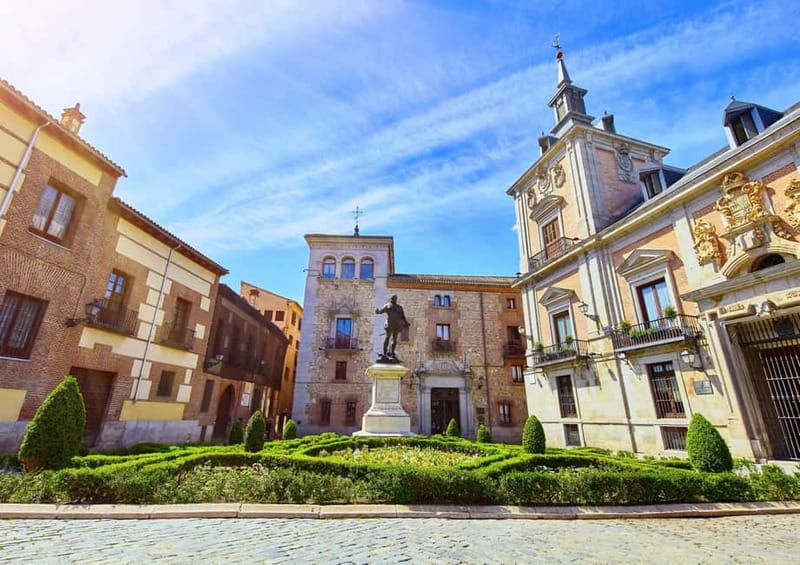
Yes, if you want a fast, high-impact walk through Madrid’s historic core with a guide who can connect the landmarks. The $22 price is reasonable for a guided 2-hour route that covers Puerta del Sol, Plaza Mayor, Plaza de la Villa, a cathedral photo stop, and a finish at Palacio Real—plus real stop-and-look energy around the market area.
Book it if you like:
- stories tied to specific places (not just general facts)
- a route that sets you up for independent exploring
- a small-group format that keeps questions possible
Skip it (or pair it with a ticketed plan) if your main goal is interior access to monuments and museums. Since entrances aren’t included, you’ll need extra time and tickets if you want to go inside.
FAQ
Where does the tour start?
Meet your guide at the La Mariblanca statue in Puerta del Sol. Your guide will be identifiable by a distinctive bag and proper identification.
How long is the Madrid historical walking tour?
The duration is 2 hours.
What group size is this tour?
It’s a small group capped at up to 10 participants.
What languages are available?
The live tour guide offers English, French, and Spanish.
What’s included in the price?
You get a guided walking tour with an accredited guide.
Are entrance tickets included for monuments or museums?
No. Entrance tickets to monuments or museums are not included.
Is the tour wheelchair accessible?
Yes, the tour is listed as wheelchair accessible.
More Tours in Madrid
- Madrid: Tour Bernabéu Entry Ticket
★ 4.5 · 21,573 reviews - Madrid: Panoramic Route City Tour
★ 4.1 · 12,259 reviews - Avila & Segovia Tour with Tickets to Monuments from Madrid
★ 5.0 · 9,762 reviews - Madrid: Royal Palace Expert Guided Tour with Skip-the-Line
★ 4.7 · 8,407 reviews - Madrid: Segovia and Toledo Tour, Alcazar, and Cathedral
★ 4.7 · 7,797 reviews - Toledo Tour from Madrid: Cathedral, Synagogue & St. Tome’s Church
★ 5.0 · 6,784 reviews
More Tour Reviews in Madrid
- Madrid: Tour Bernabéu Entry Ticket
★ 4.5 · 21,573 reviews - Madrid: Prado Museum Entry Ticket
★ 4.6 · 20,699 reviews - Madrid: “Emociones” Live Flamenco Performance
★ 4.8 · 12,866 reviews - Madrid: Panoramic Route City Tour
★ 4.1 · 12,259 reviews - Madrid: Live Flamenco Show with Food and Drinks Options
★ 4.5 · 9,901 reviews - Avila & Segovia Tour with Tickets to Monuments from Madrid
★ 5.0 · 9,762 reviews
Walk the Heart of Madrid
- Madrid Tapas & Wine Tasting Walking Tour – Small Group Local Bars
★ 5.0 · 3,644 reviews - Madrid Welcome Tour with Local Guide in Eco Tuk Tuk Private
★ 5.0 · 2,936 reviews - Madrid Walking Tour from Puerta del Sol to Retiro Park
★ 5.0 · 2,285 reviews - Madrid Old Town & Royal Palace Walking Tour Skip the Line Ticket
★ 4.5 · 1,829 reviews - Madrid: Welcome to Madrid Guided Walking Tour
★ 4.9 · 1,738 reviews - Madrid: Spanish Inquisition and Legends Evening Walking Tour
★ 4.7 · 1,396 reviews
Just Added: New Madrid Tour Reviews



Madrid Guided Walking Tours, compared.
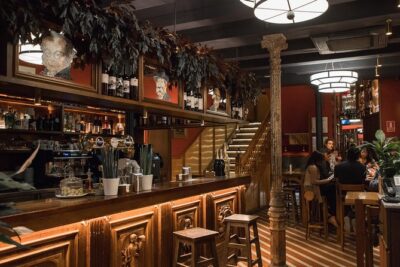 ★ 5.0Madrid Tapas & Wine Tasting Walking Tour – Small Group Local BarsFrom $933,644 reviews
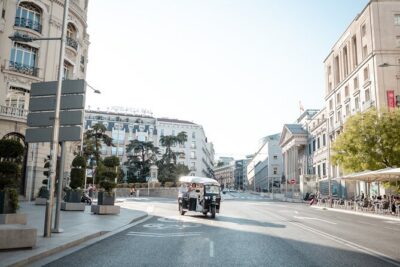 ★ 5.0Madrid Welcome Tour with Local Guide in Eco Tuk Tuk PrivateFrom $282,936 reviews
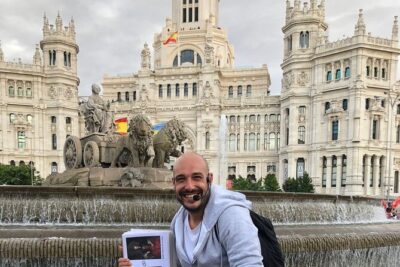 ★ 5.0Madrid Walking Tour from Puerta del Sol to Retiro ParkFrom $32,285 reviews
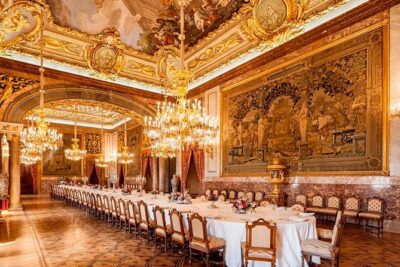 ★ 4.5Madrid Old Town & Royal Palace Walking Tour Skip the Line TicketFrom $401,829 reviews
 ★ 4.9Welcome to Madrid Guided Walking TourFrom $311,738 reviews
 ★ 4.7Spanish Inquisition and Legends Evening Walking TourFrom $231,396 reviews
 ★ 5.0Majestic Madrid Walking TourFrom $311,274 reviews
 ★ 5.0Guided Walking Tour of Immortal ToledoFrom $131,116 reviews
Browse the lists this tour appears in