
REVIEW · TICKETS
Madrid: Prison Island Giant Indoor Escape Game Entry Ticket
A futuristic prison game in Madrid is a challenge. Prison Island is a giant indoor escape game with 32 rooms, and I like how each cell blends physical, mental, and tactical tasks. The one drawback to consider: if your team likes lots of guidance, you may wish there were more built-in hints.
What makes it feel different from a typical escape room is the freedom. You’re not chasing one fixed door; you can move between challenges, rack up points, and then check how you rank on the leaderboard.
You’ll meet at the Spark Island building area and show your GetYourGuide voucher at the entrance. Bring comfortable clothes, and keep the age fit in mind: it’s for ages 10 to 99, but it’s not suited for kids under 10 or people over 70.
In This Review
- Key Things You’ll Notice Right Away
- Prison Island in Madrid: A 32-Room Escape Game Built for Team Play
- Checking In at Spark Island: Getting Into the Game Fast
- Inside the Futuristic Prison: What the “Cells” Feel Like
- How the Game’s Free-Move Design Changes Strategy
- Time Management: 1 to 2 Hours, With Real-World Variations
- Price and Value in Madrid: Is $26 Worth It?
- What to Wear and Bring for a Smooth Run
- Who This Is Best For (and Who Should Skip It)
- Tips I’d Use to Win Points (Without Turning It Into Work)
- Languages and Group Logistics That Actually Matter
- Should You Book Prison Island in Madrid?
- FAQ
- Where is Prison Island located?
- How long is the game experience?
- Is any food or drinks included?
- What should I bring?
- What ages is it suitable for?
- What languages are available for the host or greeter?
Key Things You’ll Notice Right Away
- 32 rooms means real variety, not just one long puzzle chain
- Fort Boyard–style challenge design with a high-tech, futuristic prison theme
- No single exit path, so your team’s choices affect your pace and points
- A mix of skills: technical, physical, and tactical problem-solving together
- Leaderboard competition, so it feels like a game evening, not a one-off puzzle
- Great for teams of mixed ages, as long as everyone is comfortable with the movement and teamwork
Straight past the ticket queue
- Madrid: Tour Bernabéu Entry Ticket★ 4.5 · 21,573 reviews
- Madrid: Prado Museum Entry Ticket★ 4.6 · 20,699 reviews
- Avila & Segovia Tour with Tickets to Monuments from Madrid★ 5.0 · 9,762 reviews
- Madrid: Reina Sofía Museum Entrance Ticket★ 4.5 · 8,788 reviews
Prison Island in Madrid: A 32-Room Escape Game Built for Team Play
Prison Island is a giant indoor adventure that takes the basic idea of escape games and expands it into something more like a challenge course. You’ll work through themed “cells,” each with its own mix of tasks, so your group keeps switching gears instead of solving one type of puzzle for the whole session.
I especially like the concept of teamwork being the real engine of the experience. This is not a room where one person figures everything out and everyone else watches. The game design rewards groups that communicate, split roles, and then rotate as skills are needed.
The other smart choice is variety by room count. With 32 challenge rooms, your team can move at a pace that matches its comfort level. If you hit a tough spot, you can still keep energy up by shifting to another cell, rather than stalling the whole session.
Checking In at Spark Island: Getting Into the Game Fast

Your practical first step is simple: look for the Spark Island logo sign outside the building and show your GetYourGuide voucher at the entrance. The ticket experience is designed to get you moving quickly, with a skip-the-ticket-line setup.
This matters more than it sounds. In a game like this, timing is everything. You want to start with a full team, good energy, and everyone ready to coordinate, not arriving late and scrambling to catch up.
Once you’re inside, you’ll meet the host/greeter in one of the available languages: English, French, or Spanish. That multilingual setup is useful in Madrid, where it’s common to mix friends, families, and expat groups in the same team.
Inside the Futuristic Prison: What the “Cells” Feel Like

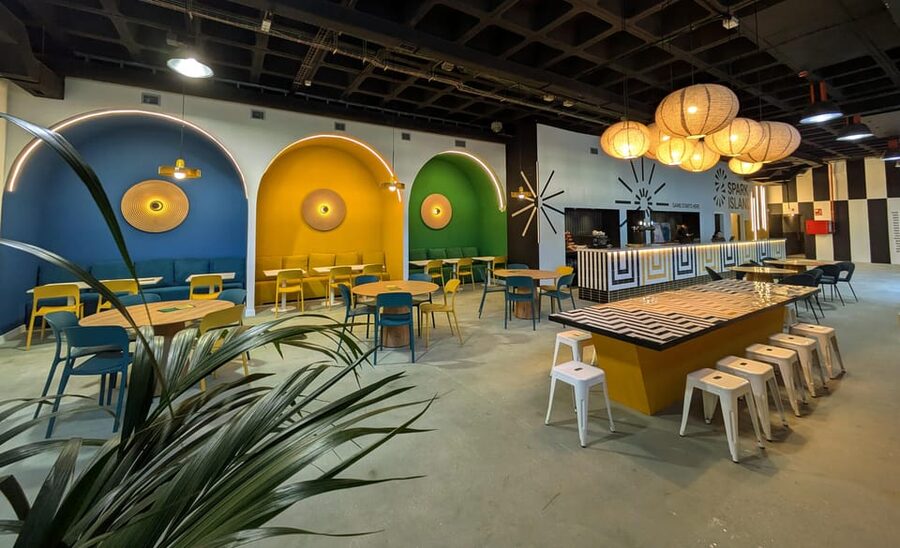
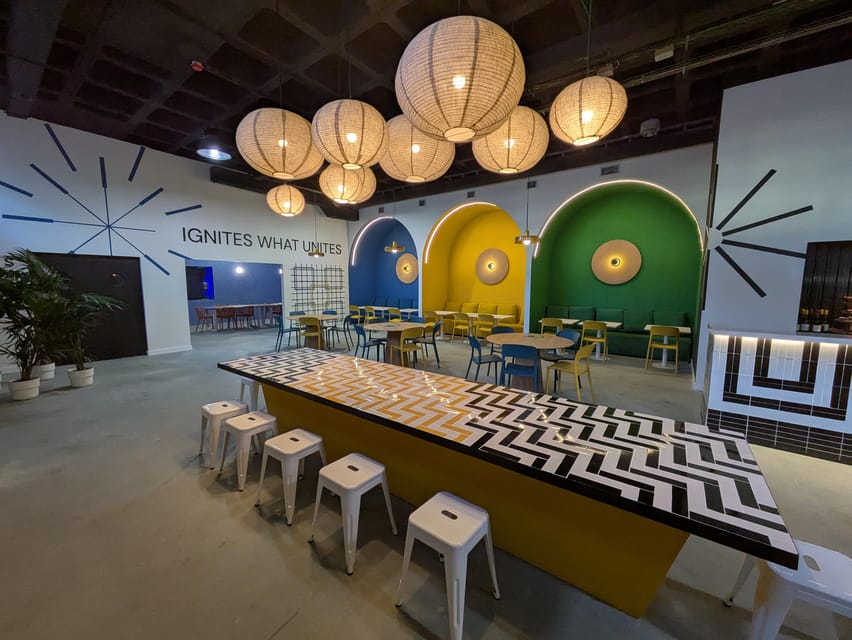
Think of the setting as a high-tech arena designed like a futuristic prison. You’re not just walking into a single themed room; you’re moving through a space that stays consistent in style while changing the challenge in each cell.
Each “cell” is built around tasks that mix different abilities:
- Physical challenges that ask for movement and coordination
- Technical puzzles where you’ll likely need patience and hands-on problem-solving
- Tactical thinking where you plan steps with your team, not just solve on the spot
That combination is why this works as something more than a brain-teaser. If your group has one person who prefers physical tasks and another who’s stronger with logic, Prison Island uses that balance instead of forcing everyone into the same thinking mode.
Also, the format suits teams who enjoy switching roles. You can’t do well in every kind of task without sharing the workload. If you want a game where everyone has a moment to contribute, this is a strong fit.
How the Game’s Free-Move Design Changes Strategy
Unlike many escape rooms where there’s a single logical route and one correct order, Prison Island lets you move between challenges. That changes how you should think about the session.
Instead of asking, How do we escape, you’re thinking: Which cells can we complete efficiently, and how do we keep momentum while scoring points?
Here’s how to use that design to your advantage:
- Start with what your team can solve quickly. Early wins build confidence and keep your rhythm.
- Don’t burn out on one cell. If a challenge stalls your group, shift to another room and come back later if you have time.
- Assign roles on the fly. One person can handle physical steps, another can watch details and call out patterns, and a third can help coordinate the next move.
You’ll also have the leaderboard angle after the game. That gives the session a friendly competitive edge, especially for friends traveling together or for a group event where you want light rivalry.





Time Management: 1 to 2 Hours, With Real-World Variations
The booked session is listed as 1 to 2 hours and you get access to that time across the 32-room set of challenges. In practice, the time can feel like a range depending on team size, comfort with physical tasks, and how quickly you click as a group.
A useful real-world example: a group with teens (ages 14) managed to complete all the cells in about an hour and a half. That tells you the game is very doable when the team is fast at collaboration and problem-solving.
On the other end, another group spent around three hours enjoying the experience. That’s a sign that if you get caught up in the fun, want to redo a difficult cell, or simply enjoy moving through the challenges at leisure, the experience can run longer than you might assume from a typical 60–90 minute timer.
So plan like this: treat the official window as the target, but don’t book tight dinner reservations right beside it. A calmer schedule makes the game more fun.
Price and Value in Madrid: Is $26 Worth It?
At about $26 per person for a session across 32 challenge rooms, the value depends on how you like to spend your time in Madrid.
This can be a strong value if:
- You’re traveling with a group and want a shared activity that doesn’t depend on language fluency.
- You want something active but indoors, which is handy if the weather is unpredictable.
- You’d rather pay for an experience than hunt for yet another “one-time” attraction with long lines.
The best part of the pricing value is that you’re not paying for a single puzzle room. You’re paying for variety across lots of themed cells, plus teamwork dynamics and scoring.
Just know what’s not included. Food and drinks aren’t included, so if you’re doing it midday or right after sightseeing, plan your meals around it.
If you’re on a tight budget, compare this to the cost of a pricey guided activity plus separate entertainment. Prison Island often makes sense because it bundles that group energy into one ticket.
What to Wear and Bring for a Smooth Run
This is an indoor game, but it’s not a sitting activity. You’ll want comfortable clothes you can move in, since the experience includes physical elements.
My practical recommendation:
- Wear sneakers or shoes with grip.
- Avoid anything restrictive or that you’d mind getting slightly scuffed.
- Bring a small bag only if you truly need it; the focus is on the game.
No other specific items are listed as required, so keeping it simple is smart.
Who This Is Best For (and Who Should Skip It)

Prison Island is ideal for groups, and it’s designed to work across a wide age range: from 10 up to 99. That doesn’t mean every teen or every senior will enjoy it equally, though. The real question is comfort with physical movement and group coordination.
It is not suitable for:
- Children under 10
- People over 70
If you’re traveling with mixed ages, this is where it helps to think ahead. Pick roles that match comfort levels. A group that communicates well and divides tasks usually has the best time, because the challenges demand cooperation more than individual brilliance.
This is also a good fit for events like:
- Families looking for something active and different from museums
- Friends on a trip who want a shared, competitive experience
- Corporate team-building where you want a fun structure and measurable group progress
Tips I’d Use to Win Points (Without Turning It Into Work)

I’m not interested in turning a game night into a stress test. But you can improve your odds and keep the vibe light with a few choices:
- Set a quick team plan in the first minutes. Decide who leads communication and who focuses on hands-on tasks.
- Keep moving. The free-move structure is there for a reason. If one challenge stalls you, shift.
- Ask early if you’re stuck. One of the recurring concerns is that some teams would like more indices, or guidance, to understand what to do. If your group needs direction, don’t wait until you’re frustrated.
- Look for room-to-room consistency. Even without knowing the specific puzzle types, many challenge formats use patterns. When you spot a pattern once, it can help you faster in another cell.
The goal is a smart rhythm, not perfection. The leaderboard rewards performance, but the real win is keeping the team talking and solving.
Languages and Group Logistics That Actually Matter
Prison Island supports English, French, and Spanish. That’s a practical advantage if you’re mixing visitors in Madrid who don’t all share one language.
It’s also built for teams, meaning it tends to be more fun when you have enough people to rotate roles. If you go with a small group, you may still enjoy it, but you’ll want to coordinate closely because fewer hands means less flexibility when tasks switch from physical to technical.
Booking in advance is recommended to secure your spot. If you’re traveling during busy periods, this is one of those “don’t risk it” activities.
Should You Book Prison Island in Madrid?
If you want an indoor activity in Madrid that feels like a real game (not just a guided walk-through), I’d book Prison Island. 32 rooms, a mix of physical and tactical challenges, and the leaderboard after the session create a good blend of teamwork and friendly competition.
You should also book if you’re traveling with friends or family and want everyone involved. The format is flexible enough for mixed-age groups, as long as everyone is within the stated age limits and comfortable with movement.
Skip it only if your group strongly prefers highly structured guidance and lots of built-in clues. The game can require you to figure things out as a team, and that’s part of the fun.
FAQ
Where is Prison Island located?
It’s in the Community of Madrid, Spain, at the Spark Island building. You’ll find the meeting area by looking for the Spark Island logo sign outside.
How long is the game experience?
The session is listed as 1 to 2 hours, and the ticket includes time in Prison Island across 32 challenge rooms.
Is any food or drinks included?
No. Food and drinks are not included.
What should I bring?
Wear comfortable clothes, since the experience includes physical elements.
What ages is it suitable for?
It’s designed for ages 10 to 99. It’s not suitable for children under 10 or people over 70.
What languages are available for the host or greeter?
The host/greeter is available in English, French, and Spanish.
Straight In, No Queue
- Madrid: Tour Bernabéu Entry Ticket
★ 4.5 · 21,573 reviews - Madrid: Prado Museum Entry Ticket
★ 4.6 · 20,699 reviews - Avila & Segovia Tour with Tickets to Monuments from Madrid
★ 5.0 · 9,762 reviews - Madrid: Reina Sofía Museum Entrance Ticket
★ 4.5 · 8,788 reviews - Madrid: Avila and Segovia Day Trip with Tickets to Monuments
★ 4.6 · 4,568 reviews - Toledo & Segovia Tour with Cathedral and Alcazar Tickets & Lunch
★ 4.5 · 4,046 reviews
More Tour Reviews in Madrid
- Madrid: Tour Bernabéu Entry Ticket
★ 4.5 · 21,573 reviews - Madrid: Prado Museum Entry Ticket
★ 4.6 · 20,699 reviews - Madrid: “Emociones” Live Flamenco Performance
★ 4.8 · 12,866 reviews - Madrid: Panoramic Route City Tour
★ 4.1 · 12,259 reviews - Madrid: Live Flamenco Show with Food and Drinks Options
★ 4.5 · 9,901 reviews - Avila & Segovia Tour with Tickets to Monuments from Madrid
★ 5.0 · 9,762 reviews
Just Added: New Madrid Tour Reviews






Tickets, compared.
 ★ 4.5Tour Bernabéu Entry TicketFrom $4121,573 reviews
 ★ 4.6Prado Museum Entry TicketFrom $2120,699 reviews
 ★ 5.0Avila & Segovia Tour with Tickets to Monuments from MadridFrom $819,762 reviews
 ★ 4.5Reina Sofía Museum Entrance TicketFrom $148,788 reviews
 ★ 4.6Avila and Segovia Day Trip with Tickets to MonumentsFrom $744,568 reviews
 ★ 4.5Toledo & Segovia Tour with Cathedral and Alcazar Tickets & LunchFrom $454,046 reviews
 ★ 4.8La Cueva de Lola Flamenco Show Tickets with DrinkFrom $382,567 reviews
 ★ 4.3From Madrid: Segovia & Avila Day Trip with Optional TicketsFrom $592,161 reviews