
REVIEW · DESSERT TOURS
KAICAO bean to bar and design your chocolate experience
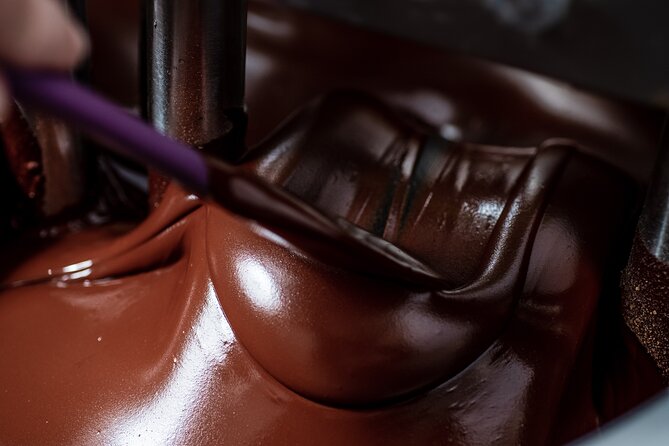
Chocolate starts as a seed. This small Madrid tour turns cacao science into something you can taste, from unroasted bean talk to final product samples.
I love the fact that you learn the process step-by-step, and I especially like the tasting moments that make the science stick. One thing to consider: it’s a short, factory-style experience, so come for the chocolate craft, not for a long walking tour.
In This Review
- KAICAO bean to bar and design your chocolate experience: what you’re really signing up for
- Key things to know before you go
- Bean-to-bar in Madrid: what makes Kaicao’s tour different
- From cocoa fruit to roasted beans: the education that actually helps you taste
- The shelling and bean tasting: the moment you’ll remember
- Turning roasted cocoa into chocolate: what the walkthrough teaches you
- The final tasting and buying part: how to choose what to take home
- Pricing that makes sense if you want education, not just dessert
- Small-group comfort in central Madrid at 4:00 pm
- Who this tour fits best (and who might not)
- Should you book KAICAO’s bean-to-bar chocolate experience?
- FAQ
- How long is the KAICAO bean-to-bar and chocolate design experience?
- What time does the tour start, and where does it meet?
- Is the tour offered in English?
- How many people are in a group?
- What do you taste during the tour?
- Can I buy the chocolate products at the end?
- Is there mobile ticketing?
- Is it suitable for kids and adults?
- What’s the cancellation policy?
KAICAO bean to bar and design your chocolate experience: what you’re really signing up for
This is a 1 hour 30 minutes bean-to-bar session at Kaicao Fábrica de chocolate in central Madrid. You’ll go from cacao fruit and post-harvest basics to roasting profiles, bean shelling, and the transformation of roasted cocoa into chocolate bars and other products. It’s taught in English, with a maximum group size of 10, which keeps the pace friendly and questions easy to ask.
I also like how practical it feels. You taste along the way, then finish with a broader spread of chocolate products made with fine cocoa—plus you may have the chance to buy what you like. The tour can be a great fit for both kids and adults (one review even mentioned a diabetic-friendly angle), but it’s still about chocolate, so if you’re not into tasting and learning, the structure may feel like too much food time in one sitting.
A possible drawback: at $54.07 per person, you’re paying for guided production education and multiple samples, not just a generic dessert stop. If you’re mainly hungry for sweets with no interest in cocoa roasting or bean selection, you might find better value elsewhere.
More bars, picked for you
- Madrid Tapas & Wine Tasting Walking Tour – Small Group Local Bars★ 5.0 · 3,644 reviews
- Pub Crawl Madrid by Mad Party Crew★ 5.0 · 2,526 reviews
- Madrid: Guided Pub Crawl Madrid Experience and Club Entry★ 4.8 · 1,849 reviews
- Madrid: Top Pub Crawl with Drinks and Free Nightclub Entry★ 4.8 · 768 reviews
Key things to know before you go
- A true cocoa-to-bar walkthrough: cacao fruit, roasting profiles, shelling, then the steps that turn roasted cocoa into chocolate.
- You taste more than once, not just at the end—there’s a tasting of roasted beans and then tasting of finished products.
- Small-group size (max 10) means quicker interaction and a less crowded vibe than big food tours.
- English-language format: plan on it being taught in English.
- Options beyond standard bars: the experience feedback mentions sugar-free choices and vegan-friendly items (with a couple exceptions involving camel milk).
Bean-to-bar in Madrid: what makes Kaicao’s tour different
Madrid has no shortage of chocolate shops, but Kaicao is about production. The big value here is that you don’t just taste finished bars and call it a day. You learn why a flavor changes—starting with the cocoa fruit and working forward to roasting and processing.
You’ll begin with unroasted cocoa and the cacao fruit basics, including what happens during harvest and post-harvest. That part matters because so many chocolate tastings in shops skip the part that explains why origins and handling lead to different flavors. Here, you get the connection between where cacao comes from and how it ends up tasting the way it does.
Kaicao also talks about its urban chocolate factory approach and the cacao origins they use. Even if you’re not a cocoa nerd, it gives you a mental map: origin is one variable, roasting is another, and the rest of the process helps shape the final texture and flavor.
From cocoa fruit to roasted beans: the education that actually helps you taste
The tour’s logic is straightforward: you can’t judge chocolate well until you understand the steps that create it. So you start with cocoa fruit and seed selection logic, then move into roasting profiles—how they developed roasting to draw out the best flavors.
A few things I like about this section:
- It helps you listen to your tongue instead of guessing randomly. After you hear about roasting profiles and seed selection, you can taste differences with a purpose.
- You get context for why two dark bars can taste nothing alike.
- It’s not presented like a lecture. You learn, then you taste.
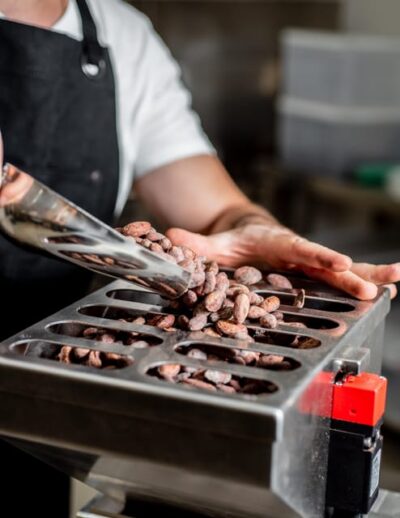
Then comes a key moment: you shell roasted cocoa beans and taste them. That’s a rare, hands-on step in a chocolate tour. Instead of only tasting chocolate that’s been processed into a final bar, you taste something closer to the cocoa itself. If you’ve ever wondered what “real cocoa” tastes like compared to chocolate, this is where you’ll feel the difference.
The shelling and bean tasting: the moment you’ll remember
I’m a sucker for tasting moments that change your perspective, and this one does. When you taste roasted cocoa beans directly, you start noticing flavors you might miss in a finished product—things like the way roasting influences aroma and how bitter, nutty, or earthy notes can show up before cocoa becomes a smooth bar.
It also makes later tastings more meaningful. When you taste a finished chocolate at the end, you’re no longer just reacting. You’re comparing: bean tasting first, then bar tasting. That sequence helps you understand the difference between cocoa character and what gets added or transformed during chocolate-making.
One practical tip: pay attention to how the guide frames what you’re tasting. Even if you don’t memorize roasting terminology, you’ll remember the flavor cues once you’ve tasted beans first.
Set these beside it before you book anything in Madrid


Turning roasted cocoa into chocolate: what the walkthrough teaches you
After the bean tasting, you move through the rest of the process that turns roasted cocoa into chocolate and other products. This is where you connect the dots from roasting to the final eating experience.
You’ll learn how the roasted cocoa becomes chocolate, and you’ll also hear about the kinds of flavors they build into their products. The aim isn’t just “how chocolate is made.” It’s how specific decisions lead to specific results—especially when you’re tasting products made from fine cocoa.
The walkthrough ends with tastings of multiple items made with fine cocoa. One included sample is a 65% Dark Arabica Coffee Chocolate and Cardamom. That combo is a great example of how chocolate can be both classic and surprising: coffee adds roasted aroma, and cardamom brings a spice note that can read as floral or warm depending on the bite.
If you love flavor pairings, you’ll likely enjoy how the tasting is set up. Instead of a single bar moment, it feels like a guided tasting flight, with enough variety to keep your palate engaged.
The final tasting and buying part: how to choose what to take home
The tour finishes with tasting different products developed with fine cocoa. You also have the possibility of buying the products, which matters because it lets you turn learning into action.
Here’s how I’d use that “buying” moment to get better value:
- Taste first, decide second. Don’t buy immediately just because something is delicious; buy what you can imagine eating again.
- If you have dietary needs, use the tasting to compare. The feedback includes mention of sugar-free options and vegan-friendly choices, with a note that a couple items include camel milk. That doesn’t mean you’ll like everything, but it does mean you should ask or check what’s in the specific chocolates you’re considering.
- If you’re traveling with limited luggage, prioritize a few bars you’ll actually open soon. Chocolate can be a wonderful souvenir, but it’s still weight.
Pricing that makes sense if you want education, not just dessert
At $54.07 per person for about 1.5 hours, this isn’t a “grab-and-go” activity. You’re paying for guided cocoa process education plus multiple tasting moments, including tasting roasted beans and tasting finished products.
So who gets the best value?
- Chocolate lovers who want to understand why flavors differ, not just which bar is tastier.
- People who like structured food experiences where you learn, then immediately test it with your senses.
- Families where kids can handle short, interactive tastings and still come away with something real to talk about after.
Who might hesitate?
- If you mainly want a casual sweet stop and you’re not interested in roasting profiles, seed selection, and the bean-to-bar process.
- If you dislike chocolate tasting (or you’re on a tight snack schedule), the format is fixed around tasting and sampling.
For Madrid, I think the price works when you treat it like a mini workshop. You’re buying knowledge plus product samples, and you can leave with chocolates you can compare later at home.
Small-group comfort in central Madrid at 4:00 pm
The meeting point is C. de la Encomienda, 15, Centro, 28012 Madrid, starting at 4:00 pm. The session ends back at the same meeting point. It’s described as near public transportation, so you shouldn’t need a car.
I also appreciate that the group stays small (max 10). In a tasting environment, that makes a real difference: you’re less likely to feel rushed, and you can usually get clearer answers.
One more comfort note from the experience feedback: the space is air conditioned. That can matter in Madrid, especially if you’re doing this after a day of walking.
Who this tour fits best (and who might not)
This is a strong match for:
- Families: the experience is described as fun for children and adults.
- People who like hands-on food learning: you taste roasted beans, not just finished chocolate.
- Visitors who care about options: feedback mentions sugar-free options and vegan-friendly chocolates (with a couple exceptions involving camel milk).
It may be less ideal if:
- You hate tasting lots of small samples.
- You want a long sightseeing day. This is a compact, factory-based experience.
Also, since it’s offered in English, you’ll likely feel most comfortable if you’re okay participating that way. Most travelers can participate, so it doesn’t sound like it’s limited by complicated restrictions.
Should you book KAICAO’s bean-to-bar chocolate experience?
If you’re the type who reads ingredient lists, notices how flavors change, or just wants a fun, guided tasting with a bit of science behind it, I’d say book it. The standout part is the combination of process learning and repeated tastings—especially the roasted bean step, which turns the whole visit into something more than a normal chocolate purchase.
If you’re expecting an all-day tour or a major sight trip, consider skipping. This is focused, short, and centered on chocolate craft. For the right mindset, it’s a high-satisfaction way to spend an afternoon in Madrid—one where you leave with clearer taste instincts and likely a few bars you’ll actually want to eat.
FAQ
How long is the KAICAO bean-to-bar and chocolate design experience?
It lasts about 1 hour 30 minutes.
What time does the tour start, and where does it meet?
The start time is 4:00 pm, and the meeting point is C. de la Encomienda, 15, Centro, 28012 Madrid, Spain. It ends back at the meeting point.
Is the tour offered in English?
Yes, the tour is offered in English.
How many people are in a group?
The group size has a maximum of 10 travelers.
What do you taste during the tour?
You taste roasted cocoa beans after they are shelled, and you also taste different finished products made with fine cocoa. One listed sample is 65% Dark Arabica Coffee Chocolate and Cardamom.
Can I buy the chocolate products at the end?
The experience includes the possibility of buying the products after the tastings.
Is there mobile ticketing?
Yes, the tour uses a mobile ticket.
Is it suitable for kids and adults?
Based on the experience feedback, it works well for both children and adults, and most travelers can participate.
What’s the cancellation policy?
Free cancellation is available if you cancel up to 24 hours in advance of the experience start time for a full refund.
More Dessert Tours in Madrid
- Tapas and history tour ending with churros with chocolate
★ 5.0 · 119 reviews - Semi-Private Tour: Old Town & Chocolate and Churros
★ 5.0 · 74 reviews - Madrid: 1-Hour Segway Tour with Chocolate and Churros
★ 4.9 · 65 reviews - Chocolate & Churros Cooking Class in Madrid
★ 5.0 · 54 reviews - Madrid Segway Tour with Chocolate and Churros
★ 4.5 · 16 reviews - Madrid: Guided Walking Tour with Churros and Hot Chocolate
★ 4.8 · 11 reviews
More Drinking Tours in Madrid
- Madrid Tapas & Wine Tasting Walking Tour – Small Group Local Bars
★ 5.0 · 3,644 reviews - Pub Crawl Madrid by Mad Party Crew
★ 5.0 · 2,526 reviews - Madrid: Guided Pub Crawl Madrid Experience and Club Entry
★ 4.8 · 1,849 reviews - Madrid: Top Pub Crawl with Drinks and Free Nightclub Entry
★ 4.8 · 768 reviews - Madrid: Pub Crawl Madrid Running since 2005 Bar Exploration
★ 4.1 · 221 reviews - Madrid: Pub Crawl | Free shot & Free Club entry
★ 4.5 · 191 reviews
More Tour Reviews in Madrid
- Madrid: Tour Bernabéu Entry Ticket
★ 4.5 · 21,573 reviews - Madrid: Prado Museum Entry Ticket
★ 4.6 · 20,699 reviews - Madrid: “Emociones” Live Flamenco Performance
★ 4.8 · 12,866 reviews - Madrid: Panoramic Route City Tour
★ 4.1 · 12,259 reviews - Madrid: Live Flamenco Show with Food and Drinks Options
★ 4.5 · 9,901 reviews - Avila & Segovia Tour with Tickets to Monuments from Madrid
★ 5.0 · 9,762 reviews
Just Added: New Madrid Tour Reviews





Dessert Tours, compared.
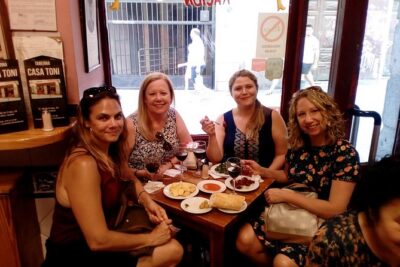 ★ 5.0Tapas and history tour ending with churros with chocolateFrom $102119 reviews
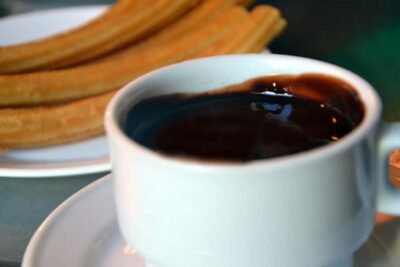 ★ 5.0Semi-Private Tour: Old Town & Chocolate and ChurrosFrom $5574 reviews
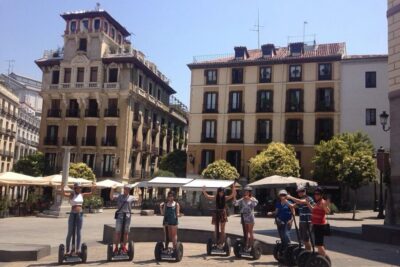 ★ 4.91-Hour Segway Tour with Chocolate and ChurrosFrom $5265 reviews
 ★ 5.0Chocolate & Churros Cooking Class in MadridFrom $7854 reviews
 ★ 4.5Madrid Segway Tour with Chocolate and ChurrosFrom $5216 reviews
 ★ 4.8Guided Walking Tour with Churros and Hot ChocolateFrom $3211 reviews
 ★ 4.52-Hour Patisserie Experience for Dessert LoversFrom $1208 reviews
 ★ 4.5KAIACAO Bean to Bar and Design your own chocolate experienceFrom $536 reviews
Browse the lists this tour appears in