
REVIEW · GUIDED
Guided visit to Madrid May 2
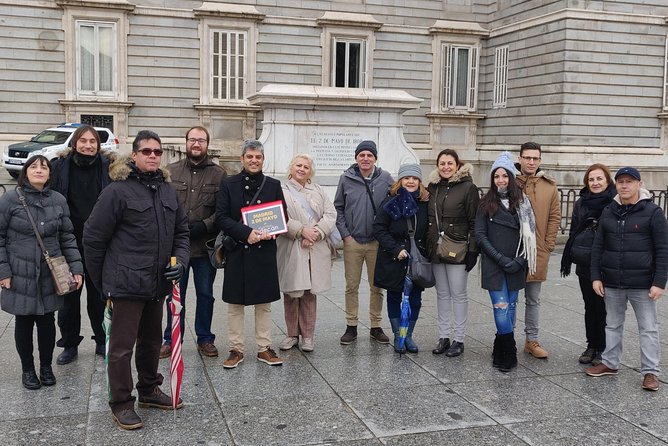
Madrid’s May 2 story feels close—once someone explains it. This guided walk turns key plazas into a battlefield-style narrative of the Napoleonic War of Independence, guided by an official military-history specialist, el primer Edecán. I love the specialized focus (not generic sightseeing), and I also love the pacing in a small group format with a mobile ticket you can use right away.
One thing to consider: this is an outdoor, good-weather experience, so if the day is rough, you may need to switch dates.
In This Review
- Key Highlights
- Madrid’s May 2, 1808 Uprising, Explained Like a Battlefield Map
- Who Guides This Walk: el primer Edecán and Raúl’s Military-History Focus
- Plaza de Oriente Stop: Where the Uprising Began
- The Walk Between Plazas: How the Story Stays in Context
- Plaza del Dos de Mayo Stop: Daoíz and Velarde’s Legacy
- Is $114.49 Worth It? Small Group, Mobile Ticket, and Free-Entry Stops
- When to Go and What to Wear for a Smooth 2-Hour Experience
- Who This Tour Fits Best (and Who Might Want a Different Plan)
- Should You Book This Madrid May 2 Battlefield Tour?
- FAQ
- How long is the guided visit?
- How much does the tour cost?
- Where does the tour start and end?
- What are the main stops on the itinerary?
- Do I need to pay admission fees at the stops?
- What ticket type do I receive?
- How many people are in the group?
- When will I receive confirmation after booking?
- Is this tour dependent on weather?
- What is the cancellation window?
Key Highlights
- Official military-history guidance tied to the Napoleonic period and the War of Independence
- A tight 2-hour route built around two major plazas connected to May 2, 1808
- Plaza de Oriente to Plaza del Dos de Mayo as a clear start-to-finish story arc
- Small group limit (up to 20 people) for a more direct, conversational feel
- Mobile ticket plus easy-to-reach central meeting points by public transportation
A local guide takes the strain
- Madrid: Royal Palace Expert Guided Tour with Skip-the-Line★ 4.7 · 8,407 reviews
- From Madrid: Guided Day Trip to Toledo by Bus★ 4.1 · 5,280 reviews
- From Madrid: Toledo Guided Day Trip★ 4.3 · 3,501 reviews
- Madrid: Las Ventas Bullring Tour with Audio Guide★ 4.6 · 3,154 reviews
Madrid’s May 2, 1808 Uprising, Explained Like a Battlefield Map
Madrid can feel like one long museum street. This experience changes the lens. Instead of treating the city as just pretty squares and monuments, you get to see it as a place where events unfolded—specifically through the lens of the Peninsular conflict period, the Napoleonic era, and the so-called War of Independence.
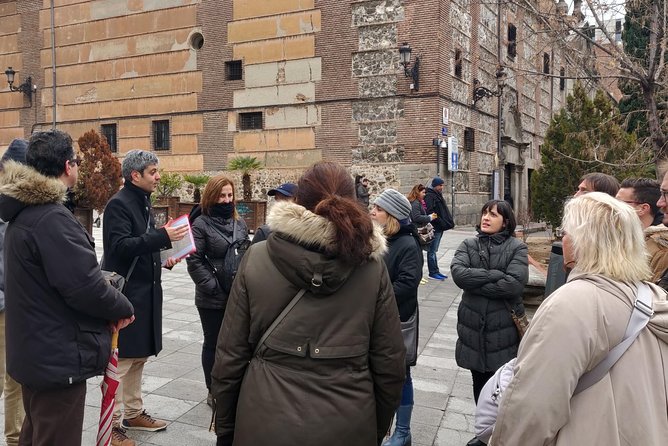
That’s why the framing matters. The guide is specialized in military history tied to the UCM, and the visit is presented as a battlefield walk. You’re not only hearing what happened on May 2, 1808—you’re learning how the setting shaped the story, and how Madrid fits into that larger struggle. It’s history told as “where you would be standing” and “what the moment was doing to people,” not history as a list of dates.
I also like how the tour keeps context in the foreground. Even when the subject is heavy, the explanation stays readable. And the vibe is practical: you’re moving from plaza to plaza, keeping the narrative anchored to real locations you can locate again later on your own.
If your ideal day in Madrid is museums plus a little depth, this is a strong match. If you’re only looking for a quick photo stop, you might find the storytelling a better fit than the skyline.
Who Guides This Walk: el primer Edecán and Raúl’s Military-History Focus
The provider is el primer Edecán, and the guide role is built around official specialization in military history linked to the UCM. That’s a big deal because it steers the talk toward battlefield knowledge rather than broad cultural commentary.
In particular, the tour approach has been praised for the way it’s delivered. A guide named Raúl is highlighted for being both a historian and an enthusiastic storyteller of the Spanish War of Independence / Peninsular War period. The key is the teaching style: he’s described as professional, engaging, and able to place events in context rather than only reciting what happened.
You should expect the tour to feel like you’re getting a guided explanation from someone who can connect the dots. The format also supports questions and reactions. With a maximum of 20 people, it’s easier to follow along and stay part of the conversation instead of disappearing into the back row.
And there’s a quiet value in having an expert who can bring real battlefield thinking into a city walk. You’ll likely come away understanding why the plazas matter—not only that they matter.
Plaza de Oriente Stop: Where the Uprising Began
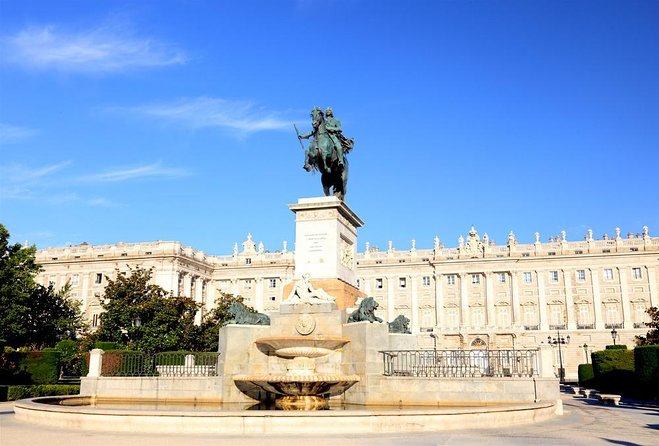
The tour starts at Plaza de Oriente (Centro, 28013). This is where the uprising began, and it sets the tone for everything that follows. You’ll spend about 20 minutes here, with the guide using the location as a starting point for the larger May 2, 1808 narrative.
What I like about starting here is that it gives you a mental map right away. You’re not wandering in Madrid hoping things will click. The guide anchors you to a single “origin” plaza, then builds forward step by step.
The visit also mentions covering several places along the way until it ends at Plaza del Dos de Mayo. Even if you’re only stopping formally at two plazas, the talk is meant to keep the story moving across the route. That means Plaza de Oriente isn’t just a “first stop.” It’s the opening scene, the point where the guide frames what you’re about to understand.
A practical tip: arrive a few minutes early so you’re not trying to orient yourself while the story is already warming up. The meeting point is central, near public transportation, so it’s usually manageable to reach without stress.
The Walk Between Plazas: How the Story Stays in Context
Between the two main stops, the tour relies on movement and explanation. You’re walking a central route, and the guide’s job is to keep you oriented—geographically and historically.
This is where you’ll feel the tour’s “battlefield” approach most clearly. Instead of treating Madrid like a backdrop, the guide links what you see around you to the event’s logic. You’ll likely hear not just what occurred, but how the broader situation shaped what people did next.
The benefit for you is focus. Two hours can go long when you’re collecting facts without meaning. Here, the movement helps you remember. You may find that after the walk, you’ll be able to point to the general start and finish areas, and you’ll know why those points mattered.
One small consideration: since the total duration is about 2 hours, the explanation is probably dense enough that you’ll want to stay mentally switched on. If you like slow sightseeing with long breaks, you might prefer a longer, less scripted route. But if you enjoy an organized storyline, the pacing can be a plus.





Plaza del Dos de Mayo Stop: Daoíz and Velarde’s Legacy
The tour’s formal end point is Plaza del Dos de Mayo (Centro, 28004). This is the “mythical” place tied to the sacrifice of Daoíz and Velarde for independence. You’ll spend about 20 minutes here.
This stop is valuable because it gives the story emotional weight without turning it into melodrama. The guide uses the plaza as a focal point for what those names represent in the May 2, 1808 narrative. You also get an ending that feels complete. Starting at the uprising’s beginning and finishing at a place tied to the sacrifice helps your understanding land.
It’s also a good moment to re-check what you learned. After spending a chunk of time with an expert, you can walk around the square with a more informed eye. Even if you don’t memorize every detail, you’ll probably remember the key lines: what happened, and why this specific location holds meaning.
If you plan what comes next, this ending is convenient. Plaza del Dos de Mayo is central, and the tour ends right where you can easily shift into independent exploring—cafés, short walks, or connecting to other parts of Madrid.
Is $114.49 Worth It? Small Group, Mobile Ticket, and Free-Entry Stops
The price is $114.49 per person for an experience of about 2 hours. It’s not a bargain compared to generic city tours, so the real question is value: what do you get that justifies it?
Here’s what you’re paying for:
- Specialized military-history knowledge tied to the Napoleonic period and Madrid’s role in the War of Independence
- A small group size (up to 20 people), which supports better listening and a more connected feel
- Mobile ticketing, so you’re not juggling printouts
- Free admission tickets for the listed stops (Plaza de Oriente and Plaza del Dos de Mayo)
That last point matters. You’re not getting charged to enter the plazas themselves. The cost is for the guided expertise and the structured storyline, not for access fees.
In my view, the strongest value is the guide’s focus. If you’ve ever felt like a standard walk-through of historical Madrid leaves you with random facts and no structure, this fixes that. The tour is built around one period and one storyline, and the guide is trained to handle it as military history.
If you don’t care about the Napoleonic-era conflict in Spain, you might feel the price more sharply. But if you like history that’s anchored to place, the pacing and expert framing can make it feel like money well spent.
When to Go and What to Wear for a Smooth 2-Hour Experience
The tour runs with opening hours from 8:00 AM to 10:00 PM. You can plan around those hours, but remember the experience is dependent on good weather. If weather turns, you’ll be offered another date or a full refund—so it’s smart to book with flexibility.
The experience is also described as near public transportation, which is great for reducing friction. You’ll be starting at Plaza de Oriente and ending at Plaza del Dos de Mayo, both in central Madrid, so you should be able to connect to the rest of your day without a long transfer.
For your comfort, plan like you’re doing a short city walk. Wear shoes you’re happy to stand and walk in for a couple hours. Bring a layer if the temperature swings. And if you tend to get distracted by crowds, consider arriving a few minutes early—this route is central, and you’ll want to get your bearings fast.
Also keep in mind group size caps at 20. That’s usually a sweet spot for listening, but it also means the tour can sell out. If May 2 or the surrounding days are a priority, don’t wait until the last minute.
Who This Tour Fits Best (and Who Might Want a Different Plan)
This walk is a great fit if you want history with structure. It’s ideal when you like the idea of learning in a location-based way—when the guide connects the narrative to what you can actually see nearby.
It also fits families and younger visitors. The tour has been described as enjoyable not just for adults, and that younger people should experience this kind of storytelling to learn about Spanish history. If you’re traveling with teens who like real stories (and not just dates on a page), this could land well.
Service animals are allowed, and most people can participate, so it’s broadly accessible in the general sense.
Who might choose something else? If you prefer tours that stay light and skip heavy historical context, the battlefield framing may feel too serious. And if you don’t want a guided, two-plaza storyline with an expert-led pace, you may find it less satisfying than a free-form walk where you control every stop.
Should You Book This Madrid May 2 Battlefield Tour?
Book it if you want a smarter way to see Madrid’s May 2, 1808 story. The core strength is the specialized military-history lens, delivered in a way that keeps context and momentum. Starting at Plaza de Oriente and ending at Plaza del Dos de Mayo gives you a clean start-to-finish narrative you can remember.
I’d skip it if history lectures make you tune out or if you only want casual photo stops. At this price, you’re paying for expertise, not just a walk. If that’s your style, this tour is a strong value for your time in the city.
If you’re deciding between a generic sightseeing tour and this focused battlefield walk, choose the one with the clearer structure. This one gives you both places and meaning.
FAQ
How long is the guided visit?
It runs for about 2 hours.
How much does the tour cost?
The price is $114.49 per person.
Where does the tour start and end?
It starts at Plaza de Oriente (Centro, 28013 Madrid) and ends at Plaza del Dos de Mayo (Centro, 28004 Madrid).
What are the main stops on the itinerary?
The tour includes Plaza de Oriente and Plaza del Dos de Mayo.
Do I need to pay admission fees at the stops?
The listed admission tickets for the stops are free.
What ticket type do I receive?
You get a mobile ticket.
How many people are in the group?
The tour has a maximum of 20 travelers.
When will I receive confirmation after booking?
Confirmation is received within 48 hours of booking, subject to availability.
Is this tour dependent on weather?
Yes, it requires good weather. If it’s canceled due to poor weather, you’ll be offered a different date or a full refund.
What is the cancellation window?
Free cancellation is available, and you can cancel up to 24 hours in advance for a full refund. If you cancel less than 24 hours before the start time, the amount paid will not be refunded.
Easier With a Local Guide
- Madrid: Royal Palace Expert Guided Tour with Skip-the-Line
★ 4.7 · 8,407 reviews - From Madrid: Guided Day Trip to Toledo by Bus
★ 4.1 · 5,280 reviews - From Madrid: Toledo Guided Day Trip
★ 4.3 · 3,501 reviews - Madrid: Las Ventas Bullring Tour with Audio Guide
★ 4.6 · 3,154 reviews - Madrid: Royal Palace Skip-the-line Guided Tour
★ 4.9 · 3,146 reviews - Madrid Welcome Tour with Local Guide in Eco Tuk Tuk Private
★ 5.0 · 2,936 reviews
More Tour Reviews in Madrid
- Madrid: Tour Bernabéu Entry Ticket
★ 4.5 · 21,573 reviews - Madrid: Prado Museum Entry Ticket
★ 4.6 · 20,699 reviews - Madrid: “Emociones” Live Flamenco Performance
★ 4.8 · 12,866 reviews - Madrid: Panoramic Route City Tour
★ 4.1 · 12,259 reviews - Madrid: Live Flamenco Show with Food and Drinks Options
★ 4.5 · 9,901 reviews - Avila & Segovia Tour with Tickets to Monuments from Madrid
★ 5.0 · 9,762 reviews
Just Added: New Madrid Tour Reviews




Guided, compared.
 ★ 4.1From Madrid: Guided Day Trip to Toledo by BusFrom $405,280 reviews
 ★ 4.3From Madrid: Toledo Guided Day TripFrom $323,501 reviews
 ★ 4.6Las Ventas Bullring Tour with Audio GuideFrom $183,154 reviews
 ★ 4.9Royal Palace Skip-the-line Guided TourFrom $423,146 reviews
 ★ 5.0Madrid Welcome Tour with Local Guide in Eco Tuk Tuk PrivateFrom $282,936 reviews
 ★ 4.8Tapas & Wine Tasting Tour with Local GuideFrom $912,171 reviews
★ 4.5Royal Palace Skip-the-Line Guided TourFrom $412,140 reviews
★ 4.8Tapas & Wine Tasting Tour with Local GuideFrom $912,171 reviews
★ 4.5Royal Palace Skip-the-Line Guided TourFrom $412,140 reviews
 ★ 5.0Madrid Tapas & Wine Tour with Rooftop Views and Local GuideFrom $1132,047 reviews