
REVIEW · MADRID GUIDED WALKING TOURS
3-Hour Walking Tour in Madrid
Madrid’s center is a lot to take in. This tour helps you do it on foot. You get a private, customized walk through classic places like Puerta del Sol and the Royal Palace, with enough background to make the sights stick. The format is friendly for families and small groups, and you’re not stuck watching from a distance.
I especially like the hotel pickup and drop-off. That small detail saves time and stress, and it makes it easier to start the walk right where you’re staying. The other big win is pacing: it’s a short, focused route that still covers big hitters, and you can learn how tapas culture works without feeling lost.
One consideration: entrance fees and food/drink aren’t included, so you’ll want to budget a bit if you plan to go inside buildings or stop for something to eat. Also, since it’s a walking tour, comfortable shoes are not optional.
In This Review
- Quick hits before you lace up
- Hotel pickup and a private pace through Madrid
- Puerta de Sol: the city’s meeting point and momentum
- Plaza Mayor: why this square keeps pulling people in
- San Miguel Market and tapas basics you can use right away
- La Latina: small streets, big energy, and real neighborhood vibes
- Almudena Cathedral: a stop that explains the skyline
- Royal Palace and Plaza del Oriente: scale, power, and perspective
- How much walking is really involved (and who should pick this tour)
- Languages, guide style, and why the human factor matters
- Price and value: what you’re paying for
- Booking decision: should you take this 3-hour Madrid walking tour?
- FAQ
- Where does the tour start?
- How long is the walking tour?
- How much walking is involved?
- Is this a private tour?
- What languages are the guides available in?
- What’s included in the price?
- Are entrance fees, food, or transportation included?
Quick hits before you lace up
- Hotel meetup right at your place means less transit time and more sightseeing time.
- Four-plus kilometers on foot in about three hours is ideal for getting your bearings fast.
- Tapas 101 helps you understand what tapas means and how people actually order.
- A sight-packed loop hits Puerta del Sol, Plaza Mayor, San Miguel Market, La Latina, Almudena Cathedral, and the Royal Palace area.
- Guide language options include English, Spanish, Portuguese, and French, so matching your comfort level is easier.
The centre on foot, other ways round
- Madrid Tapas & Wine Tasting Walking Tour – Small Group Local Bars★ 5.0 · 3,644 reviews
- Madrid Welcome Tour with Local Guide in Eco Tuk Tuk Private★ 5.0 · 2,936 reviews
- Madrid Walking Tour from Puerta del Sol to Retiro Park★ 5.0 · 2,285 reviews
- Madrid Old Town & Royal Palace Walking Tour Skip the Line Ticket★ 4.5 · 1,829 reviews
Hotel pickup and a private pace through Madrid
Madrid’s historic center can feel like a “walk and hope” kind of place if you don’t know where to start. What makes this tour work is that you begin with hotel pickup, which lets you skip the frantic early-morning navigation. And you still keep flexibility at the end: you can return to your hotel or continue exploring on your own from another point in the city.
Because it’s a private group experience (designed for families and small groups), the guide can adjust the tempo. If you’re traveling with kids, it helps to have someone steer you through the crowds while keeping stops practical. If you’re traveling with friends, it’s a relief not to feel like you’re part of a giant herd.
The walking plan is short but not tiny. You’ll cover at least four kilometers over around three hours, which is a good distance for seeing real neighborhoods rather than only skimming viewpoints. Just keep in mind that the route mixes major squares with older streets where surfaces can vary, so shoes with traction matter.
Puerta de Sol: the city’s meeting point and momentum
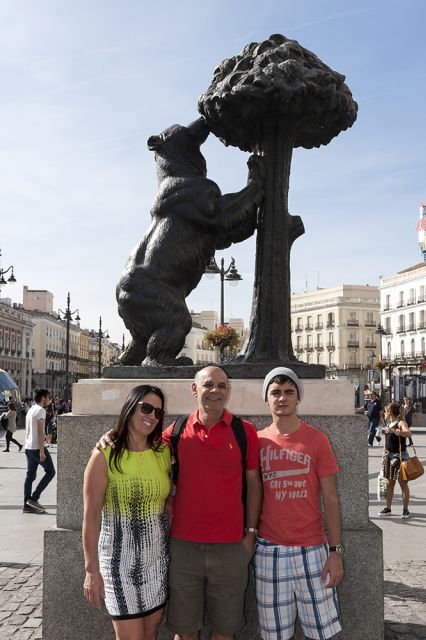
Puerta de Sol is one of those places that feels like the center of everything, even if you’re not sure why at first. Starting here gives you a mental anchor. From there, you can understand Madrid’s layout like you’re tracing a map rather than wandering randomly.
You’ll also get context that turns the square from scenery into a story. Sol is a landmark, but it’s also a place where daily life and big moments overlap. When your guide connects that “always busy” energy to what Madrid has been doing for centuries, the streets make more sense as you move on.
A practical tip: at Sol, you’ll likely see lots of people moving in multiple directions. Your guide’s job is to keep you oriented—where to look, what to notice, and when to pause—so you’re not constantly asking, Where am I headed next?
Plaza Mayor: why this square keeps pulling people in
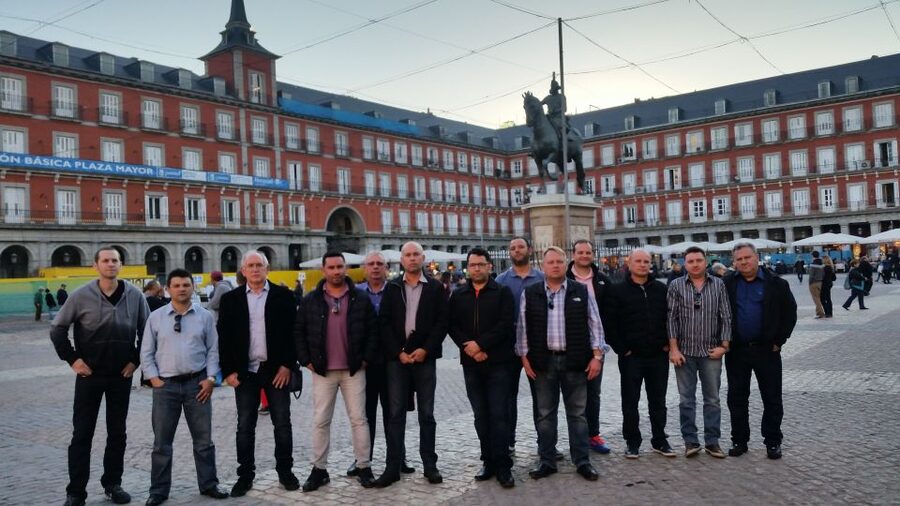
From Sol, the flow naturally leads you toward Plaza Mayor, one of Madrid’s most recognizable open spaces. This stop is valuable because it’s a “scale” moment. You can feel the size of the city’s old core, and you can spot details you might miss if you only saw it from afar.
Plaza Mayor is also where Madrid’s public-life vibe becomes obvious. Even if you don’t know a single word of Spanish, you’ll notice how people use the space: walking routes, meeting points, and casual hangs. Your guide helps you connect that everyday behavior to the square’s role historically, so it feels less like a photo stop and more like a living place.
If you’re with kids, this is a good moment to take a short breather. The open layout makes it easier to regroup, and it gives your legs a break before you move into busier market streets.
San Miguel Market and tapas basics you can use right away
One of the most useful parts of this tour is the tapas-focused education. You’ll learn what tapas is and how it functions in Spanish eating culture. This matters because many first-timers overthink tapas: they either order too much at once or assume it’s a single standard dish.
A guided explanation helps you see tapas as a flexible rhythm—often small plates, shared meals, and casual stops rather than a formal sit-down structure. That lesson can carry over the rest of your trip, because once you understand the logic, you can order confidently even when your Spanish is limited.
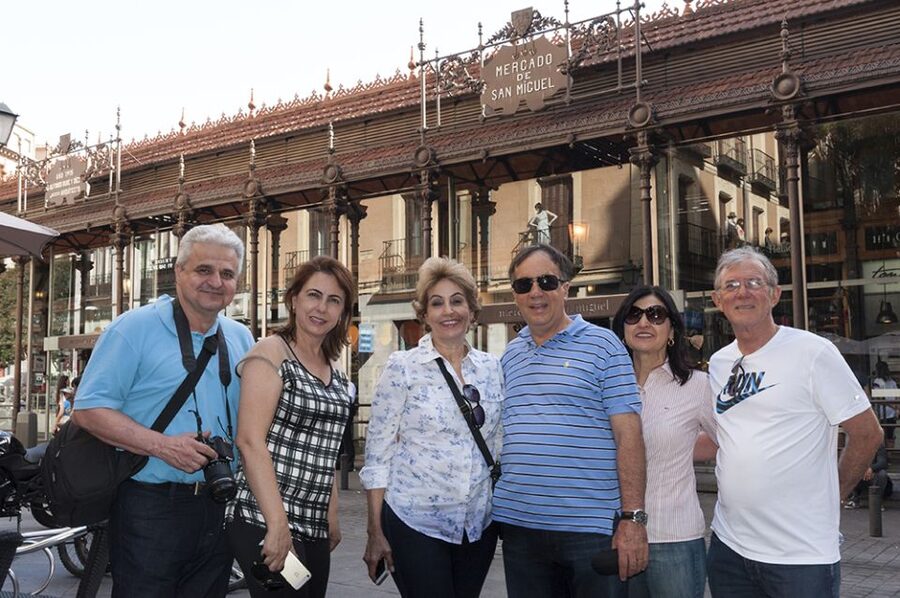
San Miguel Market adds a strong “see it, then understand it” layer. Market areas can be overwhelming if you’re just scanning stalls. With a guide, you’ll know what to look for and how to interpret the setup so it feels like you’re learning rather than shopping under pressure.
Practical note: food and drink aren’t listed as included, so if you want to snack while you’re there, treat it as a choose-your-own-adventure. If you do plan to try things, decide your budget early so you don’t get surprised mid-walk.
The capital on foot, other routes to try




La Latina: small streets, big energy, and real neighborhood vibes
After the big squares and market buzz, La Latina gives you a different texture of Madrid. This is where the city starts to feel more like neighborhoods than monuments. The streets are narrower, the atmosphere shifts, and the whole area carries that night-out reputation without needing you to wait for evening.
What makes this stop work in a short tour is contrast. You’re not just watching famous buildings; you’re also seeing how people move, where they gather, and how the city’s “social life” shows up in everyday blocks. That’s the kind of knowledge that improves everything later—restaurants, streets to walk, and where to feel comfortable lingering.
If you’re traveling with family, La Latina can be a fun section because it’s visually engaging. If you’re traveling with older teens or friends, it’s a great “pre-game” feeling, even if you don’t plan to go out that night. Either way, the guide can help you stay oriented in a denser area.
Almudena Cathedral: a stop that explains the skyline
Almudena Cathedral adds a dramatic, higher-impact moment to the walk. Even if you don’t go inside (entrance fees aren’t included), the exterior and its relationship to surrounding landmarks make it a meaningful viewpoint.
Your guide’s role here is key: they help you read the skyline. Madrid’s monuments don’t exist in isolation. When someone explains why a cathedral sits where it does, and how it fits into the story of the city, the whole area starts to feel intentional.
This is also a good section for slowing down. Cathedrals and large buildings can be big visual targets, but the details are what make the stop rewarding—architectural cues, layout, and how the area frames the view.
Royal Palace and Plaza del Oriente: scale, power, and perspective
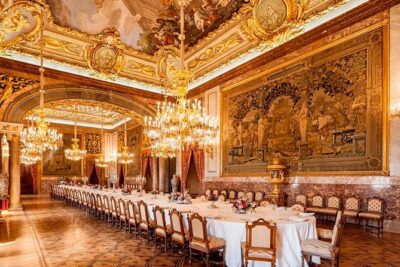
The Royal Palace area is a highlight because it’s sheer presence. You’ll see major landmarks from the street, and your guide helps connect that grandeur to what rulers and institutions meant in Madrid’s past.
There’s also a practical, human touch that can make this portion memorable: one guide name that comes up is JuliaNa, and she’s described as adjusting to the group’s rhythm and even including a pause where guests can try sangria after the Royal Palace. That’s the kind of pacing detail that turns a standard sight visit into something you actually remember.
Just keep your expectations balanced. Food and drink aren’t listed as included, so treat any sangria tasting as a possible bonus, not a guaranteed meal. If you want to try it, it’s smart to carry some cash or keep a flexible budget.
Plaza del Oriente is closely tied to the Royal Palace experience, and it works well after a big architectural moment. The open space helps you reset your eyes after the palace frontage, and it gives you room to see the relationships between buildings and streets.
How much walking is really involved (and who should pick this tour)
About three hours with at least four kilometers is a solid plan for most people who are comfortable walking around the center. It’s short enough to feel manageable, but long enough that you’ll see multiple different types of places—squares, markets, and landmark areas—without bouncing around with transit.
This tour is especially suited for:
- Families who want structure and pacing, not just a list of monuments.
- Small groups who prefer a guided route and conversation over audio-only sightseeing.
- First-time visitors who want to understand Madrid’s basics quickly: layout, tapas culture, and what to prioritize next.
If you’re an ultra-fast museum person who wants lots of entrance tickets, you might feel a bit limited because entrance fees aren’t included. But if your goal is to get your bearings and learn the city’s logic, this route makes sense.
And if mobility is a concern, it’s wheelchair accessible as listed. The walking style can still matter depending on your chair and the surfaces, so it’s worth discussing your comfort level with the provider before you go.
Languages, guide style, and why the human factor matters
This experience is built around a live local guide, with language options that include English, Spanish, Portuguese, and French. That matters more than it sounds. When you can follow easily, you actually learn. You also avoid the common travel problem where a tour becomes a “walk past things” exercise because you’re too busy trying to translate.
A recurring theme tied to the best guides here is adaptability. The best outcome isn’t just facts—it’s how the guide manages the group’s energy. One praised guide, JuliaNa, is specifically noted for knowing Madrid’s history well and adjusting to the group’s pace. That combo—knowledge plus flexibility—is what makes three hours feel worth it.
Even if you don’t plan to ask many questions, you’ll benefit. Good guides steer attention. They tell you what to notice now so you can recognize it later when you’re on your own.
Price and value: what you’re paying for
The price is $353 per group (up to 20 people) for a three-hour private walking tour. On paper, that can look expensive for solo travelers. But value changes fast depending on how many people are in your group.
Here’s the practical way to think about it:
- If you have only one traveler, the cost per person is high.
- If you have a few people splitting a private group cost, it can start to feel reasonable.
- If you fill the group up to the maximum, the per-person cost becomes much easier to justify.
You’re also paying for time savings and convenience. Hotel pickup/drop-off is included, and that can be worth real money in Madrid, where getting from point A to B by foot can be slower than it looks on a map. Plus, you’re getting a structured route that covers major landmarks on foot—so you’re not spending your vacation figuring out how to assemble the day yourself.
Then there’s what’s not included—entrance fees, food and drink, and transportation. That doesn’t make the tour bad value; it just means you should plan an additional budget if you want to go inside buildings or eat during the walk. If you’d rather keep costs tight, you can still enjoy the highlights by viewing exteriors and using tapas lessons to guide where you eat later.
Booking decision: should you take this 3-hour Madrid walking tour?
If you want a first taste of Madrid that’s organized, easy to manage, and focused on the historic center, I’d say this tour is a strong choice. The hotel pickup, the private small-group feel, and the tap as-focused orientation make it more useful than a generic sightseeing walk.
I’d skip it if you’re the type who wants to spend most of the day going inside museums and paying lots of entrance fees, since those costs aren’t included and the tour is built around walking and street-level landmarks. Also, if you hate walking more than 30–45 minutes at a time, you may find the four-plus kilometers too much for one session.
For the right fit—families, couples, and small friend groups who want a smart route—this is exactly the kind of trip helper that improves the rest of your Madrid days.
FAQ
Where does the tour start?
The guide meets you at your hotel to start the tour.
How long is the walking tour?
It lasts about three hours.
How much walking is involved?
The tour covers at least four kilometers on foot.
Is this a private tour?
Yes, it’s a private group tour.
What languages are the guides available in?
The guide language options listed include English, Spanish, Portuguese, and French.
What’s included in the price?
A local guide, hotel pickup and drop-off, and a private tour are included.
Are entrance fees, food, or transportation included?
No. Entrance fees, food and drink, and transportation are not included.
More Tours in Madrid
- Madrid: Tour Bernabéu Entry Ticket
★ 4.5 · 21,573 reviews - Madrid: Panoramic Route City Tour
★ 4.1 · 12,259 reviews - Avila & Segovia Tour with Tickets to Monuments from Madrid
★ 5.0 · 9,762 reviews - Madrid: Royal Palace Expert Guided Tour with Skip-the-Line
★ 4.7 · 8,407 reviews - Madrid: Segovia and Toledo Tour, Alcazar, and Cathedral
★ 4.7 · 7,797 reviews - Toledo Tour from Madrid: Cathedral, Synagogue & St. Tome’s Church
★ 5.0 · 6,784 reviews
More Tour Reviews in Madrid
- Madrid: Tour Bernabéu Entry Ticket
★ 4.5 · 21,573 reviews - Madrid: Prado Museum Entry Ticket
★ 4.6 · 20,699 reviews - Madrid: “Emociones” Live Flamenco Performance
★ 4.8 · 12,866 reviews - Madrid: Panoramic Route City Tour
★ 4.1 · 12,259 reviews - Madrid: Live Flamenco Show with Food and Drinks Options
★ 4.5 · 9,901 reviews - Avila & Segovia Tour with Tickets to Monuments from Madrid
★ 5.0 · 9,762 reviews
Walk the Heart of Madrid
- Madrid Tapas & Wine Tasting Walking Tour – Small Group Local Bars
★ 5.0 · 3,644 reviews - Madrid Welcome Tour with Local Guide in Eco Tuk Tuk Private
★ 5.0 · 2,936 reviews - Madrid Walking Tour from Puerta del Sol to Retiro Park
★ 5.0 · 2,285 reviews - Madrid Old Town & Royal Palace Walking Tour Skip the Line Ticket
★ 4.5 · 1,829 reviews - Madrid: Welcome to Madrid Guided Walking Tour
★ 4.9 · 1,738 reviews - Madrid: Spanish Inquisition and Legends Evening Walking Tour
★ 4.7 · 1,396 reviews
Just Added: New Madrid Tour Reviews




Madrid Guided Walking Tours, compared.
 ★ 5.0Madrid Tapas & Wine Tasting Walking Tour – Small Group Local BarsFrom $933,644 reviews
 ★ 5.0Madrid Welcome Tour with Local Guide in Eco Tuk Tuk PrivateFrom $282,936 reviews
 ★ 5.0Madrid Walking Tour from Puerta del Sol to Retiro ParkFrom $32,285 reviews
 ★ 4.5Madrid Old Town & Royal Palace Walking Tour Skip the Line TicketFrom $401,829 reviews
 ★ 4.9Welcome to Madrid Guided Walking TourFrom $311,738 reviews
 ★ 4.7Spanish Inquisition and Legends Evening Walking TourFrom $231,396 reviews
 ★ 5.0Majestic Madrid Walking TourFrom $311,274 reviews
 ★ 5.0Guided Walking Tour of Immortal ToledoFrom $131,116 reviews
Browse the lists this tour appears in