REVIEW · MADRID
Madrid: Entrance to the Monastery of Las Comendadoras de Santiago
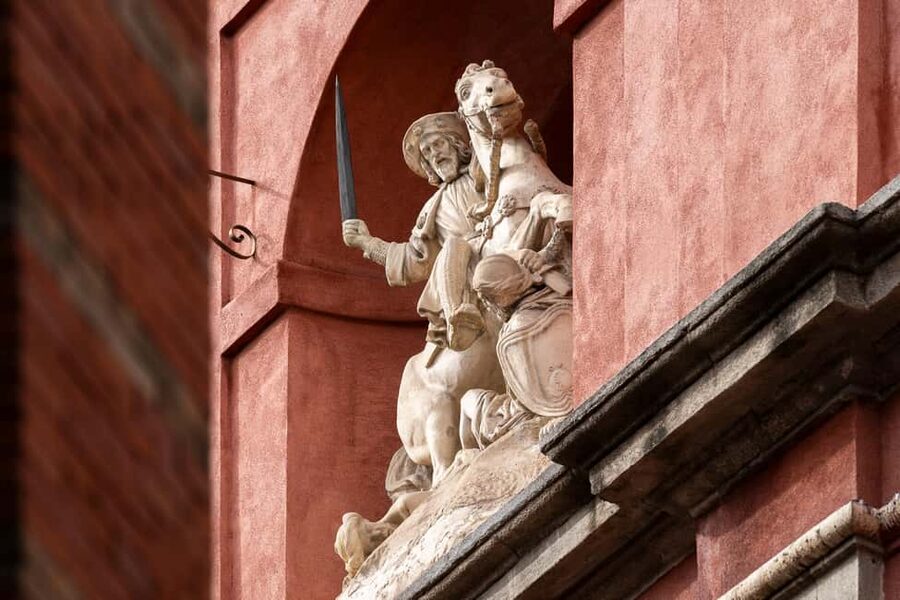
Madrid’s monastery doors open onto a different pace. The Monastery of Las Comendadoras de Santiago is a 17th-century slice of faith and art right in the city, with rooms that feel made for slow attention. I like how the visit is structured around specific spaces, so you know what to look for rather than wandering in fog.
I especially love the girls’ chapel, described as conceived as a very special place, and the way you can connect its mood to the rest of the monastery. I also really enjoy the lower choir area, where you get the sense of how the nuns listened to mass from a quieter, more enclosed setting.
One consideration: timing and access can be unpredictable. I saw at least one case of the site opening later than expected with no clear advance notice, and it didn’t seem easy to reach someone by phone, so plan with a little buffer.
In This Review
- Key things to notice before you go
- Finding the Monastery of Las Comendadoras de Santiago in Madrid
- What the Entrance Experience Feels Like: Cloister, Church, and Quiet Spaces
- Inside the Girls’ Chapel: A Small Room with a Very Specific Mood
- Sacristy of the Knights and the Order of Santiago Connection
- The Lower Choir Where Nuns Listened to Mass
- Art, Spirituality, and Why This Monastery Matters in Madrid
- Using the Audio Guide in English, French, and Spanish
- Price and Value: What $11 Buys You in Madrid
- Who This Visit Suits Best (and Who Might Want to Skip)
- Should You Book the Monastery Entrance Ticket?
- FAQ
- Where do I buy the ticket for the Monastery of Las Comendadoras de Santiago?
- How much does the entrance cost?
- Is an audio guide included?
- How long is the experience?
- What are the rules inside the monastery?
- Can I reserve and pay later?
- Is there free cancellation?
Key things to notice before you go
- Ticket office is inside the entry door, so don’t wander around outside looking for a separate desk.
- Girls’ chapel is a designated highlight, so give it your full attention.
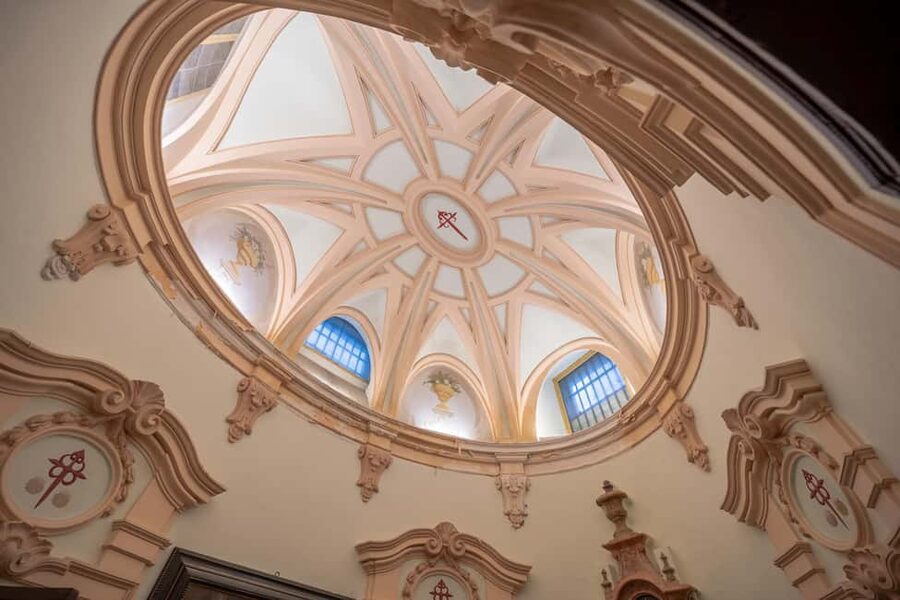
- Sacristy of the Knights ties the visit to the Order of Santiago and ordination traditions.
- Lower choir gives context for how mass was experienced from within the nuns’ space.
- Audio guide covers English, French, and Spanish, and some parts may be in the original language.
Still deciding? Here are other Madrid tours to weigh up first.
- Madrid: Tour Bernabéu Entry Ticket★ 4.5 · 21,573 reviews
- Madrid: Prado Museum Entry Ticket★ 4.6 · 20,699 reviews
- Madrid: “Emociones” Live Flamenco Performance★ 4.8 · 12,866 reviews
- Madrid: Panoramic Route City Tour★ 4.1 · 12,259 reviews
Finding the Monastery of Las Comendadoras de Santiago in Madrid
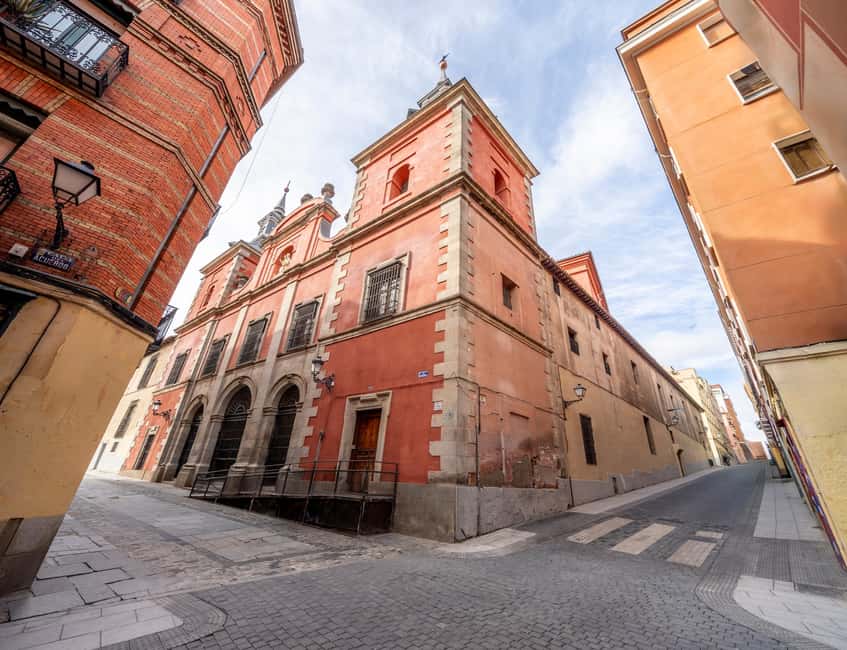
You’re in the Community of Madrid, and that matters because this place doesn’t feel like a far-trip “monument stop.” It’s a more city-sized experience: walk up, enter, and step into an environment where the architecture does the talking.
Your entry is simple. Enter the temple through the door, and you’ll find the ticket office inside. That detail is useful because it keeps you from guessing. If you arrive with your bearings already set, the visit starts with less hassle and more time for looking.
This is also the kind of place where you should shift gears. You’ll want a quiet, respectful mindset from the moment you step in. The rules are clear: no noise, and you can’t go barefoot. Add the fact that you should not bring food and drinks, and it’s obvious the focus is on the spaces themselves, not snacks or social time.
What the Entrance Experience Feels Like: Cloister, Church, and Quiet Spaces
Once you’re inside, the monastery reads like a time capsule. You don’t just see rooms; you feel the layout and how monastic life shaped the day. The experience is described as a journey back in time, and that’s a good way to frame it. Instead of chasing one big wow photo, you’re guided through a set of meaningful stops.
You can expect highlights tied to the monastery’s core design: the cloister and the church are both described as having major artistic value. Even if you’re not a specialist in sacred art, the value here is in understanding how different spaces support different parts of daily religious life. A cloister isn’t just pretty stone; it’s a practical, enclosed “breathing room” within the monastery rhythm.
You’ll also notice that this isn’t a walk-through museum where anything goes. There are clear behavior restrictions (no food and drinks, no making noise, no drones), which helps keep the mood focused. If you’re the type of traveler who appreciates calm and structure, you’ll likely feel right at home.
Inside the Girls’ Chapel: A Small Room with a Very Specific Mood
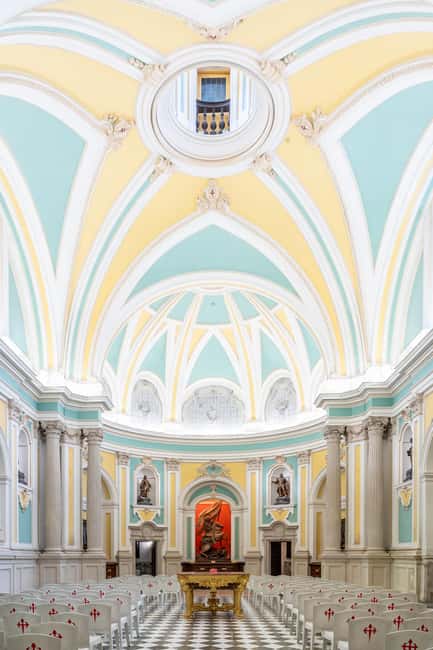
The girls’ chapel is one of the top reasons to choose this visit. It’s described as a very special place, and that phrasing matters because it signals intention. In other words, this isn’t just another room in the building. It’s a space meant to feel set apart.
What I think you’ll enjoy most is the way the chapel fits into the monastery’s broader spiritual atmosphere. Even without being surrounded by crowds or loud commentary, you can sense that the chapel’s design supports contemplation. The best approach here is to slow down for a minute and look for what feels “quietly deliberate”: how the space frames worship, and how it supports a different kind of attention than a public church.
Practical tip: wear something comfortable enough to stand and look, because chapels reward patience. And since bare feet aren’t allowed, plan for regular shoes and socks so you don’t spend your visit worrying about footwear rules.
Sacristy of the Knights and the Order of Santiago Connection
The Sacristy of the Knights is the other standout highlight, and it gives the visit a historical “hinge.” This area is described as the place where they were ordained under the Order of Santiago. That’s a specific detail, and it helps you connect what you’re seeing to a known order and tradition.
If you like history that feels grounded in exact locations, this is where the monastery becomes more than atmosphere. A sacristy isn’t just a storage area. In many religious buildings, it’s part of the religious workflow—spaces tied to preparation, ceremonies, and official rites. Knowing that ordination under the Order of Santiago happened here gives you a framework for what the rooms are meant to represent.
Don’t rush this section. When a site includes a named order and a formal rite like ordination, it’s often because the architecture and setting are tied to the ceremony’s meaning. Spend enough time to mentally connect the function to the space.

The Lower Choir Where Nuns Listened to Mass
The lower choir is described as the place where the nuns listened to mass. That single sentence can change how you experience the whole monastery. It shifts your perspective from “I’m touring rooms” to “I’m seeing a built environment for participation in religious life.”
The lower choir setup is particularly meaningful because it represents how the monastery balances separation and connection. The nuns are part of mass, but they aren’t necessarily in the same open visibility as an outside congregation. When you stand where the choir would be, you may find it easier to imagine the sound, the focus, and the devotional routine.
Practical tip: if you’re using the audio guide, this is a great place to keep listening actively instead of letting the narration fade while you look. The choir area is a natural spot for your attention to lock in.
Art, Spirituality, and Why This Monastery Matters in Madrid
This is a monastery visit that doesn’t ask you to be religious to understand what’s going on. The church is described as having great artistic value, and the cloister and rooms together show you how sacred art and spirituality work side by side.
What I like about this kind of site is that it gives you a Madrid experience beyond the usual streets-and-squares plan. Madrid is often associated with big museums and busy nightlife. Here, the focus is different: devotion, tradition, and the kind of careful preservation that comes from centuries of continuity.
Even if you don’t “read” architecture like a specialist, the monastery teaches you how space can support life. The route through chapel, sacristy, and choir gives you a sequence of meaning: special spaces for worship, ceremonial rooms connected to orders and rites, and listening spaces for mass.
Using the Audio Guide in English, French, and Spanish
The entrance ticket includes an audio guide in Spanish, English, and French. That’s a big part of why this is a good value. Sacred buildings can be hard to interpret when you don’t know what you’re looking at, and the audio guide helps you fill in that gap.
Here’s how to make it work smoothly:
- Start listening as soon as you enter each major area, not while you’re still walking.
- If the guide switches to content shown in its original language, don’t panic. Keep moving through the rooms and use what you can understand. You’ll still get the point from the setting and the portions you hear in your language.
- For the chapel, sacristy, and choir, treat the audio as the “why.” The buildings are the “what.”
Also, some content is shown in its original language. Since that’s explicitly part of the experience, it’s best to expect it rather than let it distract you. If you’re flexible and patient, the guide still adds a lot.
Price and Value: What $11 Buys You in Madrid
The listed price is about $11 per person, and for this kind of experience, I’d call it fair value. You’re not paying only for access to one room. You’re paying for a visit that includes multiple meaningful highlights: the girls’ chapel, the sacristy connected to the Order of Santiago, the lower choir, plus the cloister and church spaces.
What makes the price feel reasonable is the included audio guide in three languages. Without that, a monastery visit can become a slow series of “I think this is important” moments. With the guide, you’re more likely to leave with real understanding of what each space represents.
If you’re on a tight budget, $11 is the kind of ticket that fits into a normal day in Madrid without forcing you to choose between major museums. If you’re a museum person, it complements your bigger stops by adding a quieter, more personal layer to the city’s cultural story.
Who This Visit Suits Best (and Who Might Want to Skip)
This monastery entrance is a strong match if you:
- like quiet, focused sightseeing
- enjoy religious art and ceremonial spaces
- want a Madrid experience that isn’t just a big-ticket museum day
- appreciate structure—chapel, sacristy, choir—so you know what matters
You might decide to skip if you want fast thrills and constant movement. This is not built around “see everything in 30 minutes” energy. You’ll likely get the most from it by standing still, looking carefully, and letting the place work on you.
If you’re traveling with people who hate rules and restrictions, be aware: no noise, no food and drinks, no drones, and no bare feet. That doesn’t ruin the experience, but it changes the vibe. Think respectful, calm, and ready to follow posted guidance.
Should You Book the Monastery Entrance Ticket?
I’d book it if you want a meaningful Madrid stop with built-in interpretation. The combination of multiple highlights, a included multi-language audio guide, and a setting that prioritizes quiet makes it a smart add-on to a city itinerary.
I’d also book it with one caution in mind: confirm opening times ahead of your visit and give yourself a little buffer. There’s at least one documented situation where a start time didn’t match expectations and it was hard to get support quickly. For that reason, don’t schedule this as your only plan with no flexibility.
If your style is calm, reflective travel, this is the kind of place where you’ll likely feel your attention slow down—in a good way.
FAQ
Where do I buy the ticket for the Monastery of Las Comendadoras de Santiago?
Enter the temple through the door, and you’ll find the ticket office inside.
How much does the entrance cost?
The price is listed as $11 per person.
Is an audio guide included?
Yes. The audio guide is included and is available in English, French, and Spanish.
How long is the experience?
It’s listed as 1 day, with availability tied to starting times.
What are the rules inside the monastery?
Food and drinks are not allowed, drones are not allowed, you can’t make noise, drinks are not allowed, explosive substances are not allowed, and bare feet are not allowed.
Can I reserve and pay later?
Yes. The offer includes reserve now & pay later.
Is there free cancellation?
Yes. You can cancel up to 24 hours in advance for a full refund.
More Tour Reviews in Madrid
- Madrid: Tour Bernabéu Entry Ticket
★ 4.5 · 21,573 reviews - Madrid: Prado Museum Entry Ticket
★ 4.6 · 20,699 reviews - Madrid: “Emociones” Live Flamenco Performance
★ 4.8 · 12,866 reviews - Madrid: Panoramic Route City Tour
★ 4.1 · 12,259 reviews - Madrid: Live Flamenco Show with Food and Drinks Options
★ 4.5 · 9,901 reviews - Avila & Segovia Tour with Tickets to Monuments from Madrid
★ 5.0 · 9,762 reviews