
REVIEW · NATIONAL PARKS
Guadarrama National Park from Madrid
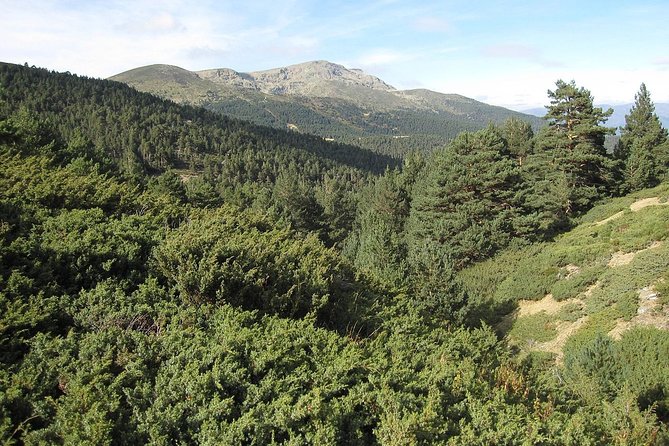
Guadarrama is the green escape you can reach fast. This day trip takes you from central Madrid into Sierra de Guadarrama, with guided walks and photo stops that feel like a mini-reset from city life. I like the mix of real mountain terrain plus viewpoint breaks, so the day stays active without turning into a suffer-fest.
You’ll also get a small group (max 15) and a professional guide, which helps you actually understand what you’re seeing rather than just snapping pictures and moving on. One possible drawback: this tour is often more “walks between stops” than a long, nonstop hike, so if you want a hard training day, you may feel underloaded.
Key highlights at a glance
- La Pedriza’s granite scenery: a proper geology lesson you can see with your own eyes
- Puerto de Navacerrada and Puerto de la Morcuera: mountain passes at ski-station altitude
- Sierra de Guadarrama walking time: chances to watch local flora and fauna
- Manzanares El Real Castle: often included, but it can be closed on some days
- Small-group pacing: guides can adjust for families and different comfort levels
- English-guided format: built for visitors who want context with their fresh air
In This Review
- Guadarrama National Park From Madrid: The Real Reason This Trip Feels Worth It
- Getting There: Where You Meet and How the Van Ride Works
- The Day’s Flow From Madrid Into the Sierra
- Stop 1: Parque Nacional de la Sierra de Guadarrama (Wildlife and Vegetation Time)
- La Pedriza: Granitic Batolith Views That Feel Like Outdoor Science
- Puerto de Navacerrada: Ski-Station Altitude and Big Air
- Puerto de la Morcuera: Mountain Pass Country (and Sometimes Snow)
- Manzanares El Real Castle: The 500-Year-Old Bonus (Sometimes Closed)
- How Hard Is It? The Pace and Fitness Reality Check
- What to Bring (Lunch Isn’t Included)
- Guides Can Make or Break the Day (and Here’s the Pattern)
- Price and Value: Why $106.93 Can Be a Bargain
- Should You Book Guadarrama From Madrid?
- FAQ
- What time does the tour start?
- Where do I meet for the tour?
- How long is the tour?
- Is this tour in English?
- How big is the group?
- Is lunch included?
- What’s the physical difficulty like?
- Are park or stop admissions included?
- Is it a true hiking tour or more sightseeing?
- What if the weather is bad?
Guadarrama National Park From Madrid: The Real Reason This Trip Feels Worth It
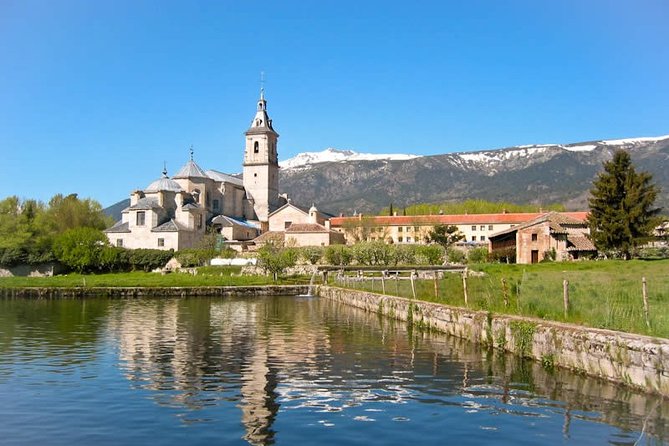
I’m a big fan of day trips that don’t waste your morning stuck on a bus for hours with nothing to show for it. This one largely earns its keep: you start at 9:30 am, then spend the day in and around the Sierra with stops that make sense on foot. The altitude and mountain passes mean you’re more likely to get cooler air and big views than you’d expect from a trip that begins in Madrid.
What makes Guadarrama special is that it’s close enough to be practical, but wild enough to feel like you left the city. La Pedriza, for example, is a granitic formation that turns geology into something visual, not textbook-only. And the Puerto passes (ski-station country) give you that “mountains are in charge” feeling—wide skies, steep terrain, and viewpoints worth lingering at.
The value side is simple: for $106.93, you’re paying for transportation, a guide, and a planned route into the park area. If you’ve ever tried to cobble together buses, parking, and timing for a one-day mountain mission, you’ll understand why a small guided format can be a smart shortcut.
Still deciding? Here are other Madrid tours to weigh up first.
- Madrid: Tour Bernabéu Entry Ticket★ 4.5 · 21,573 reviews
- Madrid: Prado Museum Entry Ticket★ 4.6 · 20,699 reviews
- Madrid: “Emociones” Live Flamenco Performance★ 4.8 · 12,866 reviews
- Madrid: Panoramic Route City Tour★ 4.1 · 12,259 reviews
Getting There: Where You Meet and How the Van Ride Works
You’ll start in central Madrid at a spot that’s listed in two places: Plaza de España (Moncloa–Aravaca) in the pickup info, and the itinerary calls for meeting at the statue to Felipe IV in Plaza de Oriente. Your confirmation should clarify the exact meeting instruction, so don’t wing it on that morning.
The group stays small—up to 15 travelers—and that matters more than you might think. With a smaller group, you get easier coordination at stops and a better chance to hear explanations. Still, one practical warning from past guests: in some vehicles there may not be a speaker system, so if you want to catch every detail, try to sit closer to the front and keep your phone volume off (yes, I’ve learned this the hard way).
Expect a full day clocked in at about 10 hours total. The timing mix is what makes it work: you’re not just driving; you’re also walking, stopping for viewpoints, and taking in the park in chunks.
The Day’s Flow From Madrid Into the Sierra
The day begins with orientation near the city core, then you head out toward the Sierra de Guadarrama area. After you get those first mountain air minutes, the pace shifts into a rhythm: drive to a highlight, get a short guided walk and context, then move on to the next pass or formation.
This “stop-and-go” structure is great if you like variety. You’re not trapped in one trail for hours. You also get flexibility in how the guide can adjust on the fly—weather can change quickly in mountainous areas, and guides have handled rain by modifying plans so the day doesn’t collapse into frustration.
It’s also why the tour can feel either perfect or slightly disappointing, depending on what you wanted. If you came for a long endurance hike, you might feel you spent more time at viewpoints than on continuous trail. If you came for a guided sampler that still gets your legs moving, it’s usually a hit.
Stop 1: Parque Nacional de la Sierra de Guadarrama (Wildlife and Vegetation Time)
The main chunk of the day is spent in the Parque Nacional de la Sierra de Guadarrama area, with time set aside for a guided visit and walking (about 6 hours total at this stage, plus other short stops later). This is where you get the “I’m actually in the mountains” payoff, not just a quick photo stop.
You can expect guided attention on local flora and fauna—the kind of explanations that turn a random hillside into a place with patterns. Some trips also include geological notes as part of the walk, which helps you connect what you see (rocks, slopes, plant types) to the bigger system.
A balanced expectation helps here: the terrain can be uneven and it can feel uphill. One guest found the hike harder than expected, with steep climbs and sharp drops, and they pointed out that slippery rocks can happen—so bring shoes you trust. If your knees or balance are touchy, you’ll want to keep that in mind before you commit.
La Pedriza: Granitic Batolith Views That Feel Like Outdoor Science
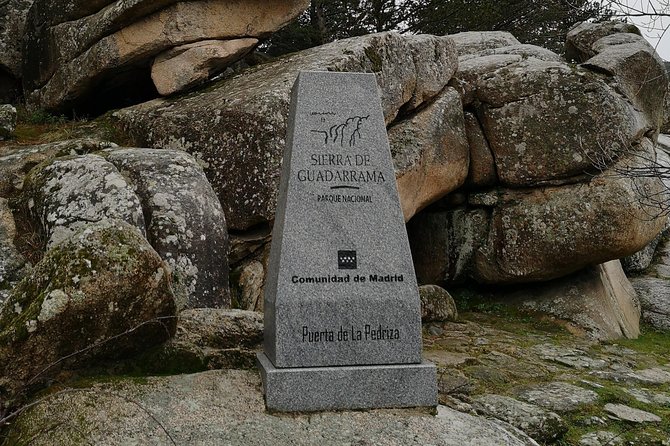
La Pedriza is the geology stop that people remember, mostly because it’s not abstract. The area is described as a granitic batolith on the southern slope of the Guadarrama National Park, and that’s exactly the kind of formation that looks dramatic in person—big rock shapes, textured surfaces, and terrain that seems sculpted by forces you can see.
You’ll have about an hour here, which means you’ll likely do a short guided walk and get pointed toward the formations worth noticing. This is also a good time for photos, but don’t treat it like a drive-by. Rock shapes reward slow looking.
If you’re the type who loves learning while moving, guides often shine at this stop. Past guides on this route included people like Angel and Javi, who were praised for explaining geology, rock formations, and how the ecosystem fits together. Even if you’re not a “rocks person,” the way the guide links rock and living things is usually what clicks.



Puerto de Navacerrada: Ski-Station Altitude and Big Air
Next comes Puerto de Navacerrada, a ski station at 1,858 meters. This is one of those “lift your eyes” stops where the altitude does the work. You’ll get a mountain-pass setting with wide views and a cooler feel than you’d expect in Madrid.
You’ll only have about an hour here, so you’ll want to make that time count. If the day is clear, this is the moment to pause and actually look around—not just down at your shoes. The altitude can also mean quick weather shifts, so if clouds roll in, don’t wait too long to enjoy what’s there.
One of the perks of having a guide at these passes is that you’re not just receiving views—you’re getting context about what you’re seeing. That can turn a quick scenic stop into a “now I get it” moment.
Puerto de la Morcuera: Mountain Pass Country (and Sometimes Snow)
The final pass stop is Puerto de la Morcuera at 1,796 meters. Like Navacerrada, it’s a ski-station area, but this one also brings the rugged mountain mood. Think sharp terrain, exposed views, and a sense that you’re near the edge of the Sierra’s mood.
You’ll likely do another short walk or viewpoint time here, again around an hour. This stop is especially important for photographers. Even when the hiking portion is modest, the pass terrain tends to deliver stronger visuals.
A practical note: some past days included snow in the surrounding area after earlier cold weather. You might not plan on snow, but you should plan on changing conditions. Bring layers you can handle, especially if you run warm early and cool down fast on exposed ground.
Manzanares El Real Castle: The 500-Year-Old Bonus (Sometimes Closed)
The tour highlights call out Manzanares El Real Castle, described as a 500-year-old structure. That’s a strong cultural add-on to all the mountain scenery—because castles are basically built to watch valleys, and Guadarrama’s valleys are scenic enough to justify the architecture.
Here’s the catch: on some days the castle may be closed. Past guests noted it was closed on Mondays on certain trips, and holidays can also affect access. So if castle time matters a lot to you, treat it as a bonus rather than a guaranteed “must-see.”
When it does open, you’ll get a very different kind of experience compared to the rock and pass stops. The geology and viewpoints are about nature in motion; the castle is about human planning that rides on the same strategic sightlines.
How Hard Is It? The Pace and Fitness Reality Check
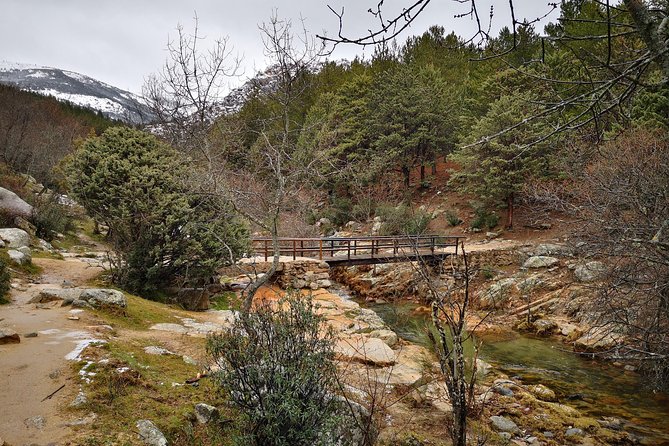
This is where expectations matter. The day includes multiple walking segments—Sierra time is the long chunk, then shorter stops at La Pedriza and the Puerto passes. The key is that the hikes are often described as moderate, but some people found them strenuous because of steep climbs and slippery footing.
So I’d frame it like this: you’ll be active for hours, but it’s not the same as a long-distance trek where you march steadily for most of the day. Expect varied terrain, uneven surfaces, and uphill sections. If you have solid walking ability, it should feel doable for many people.
One more detail: the guide can adapt the day to the group’s needs. Past trips included examples of guides tailoring pace for families (including guides like Andrea and Lola) and small groups adjusting the route based on comfort. If you tell your guide early what you can handle, you’re more likely to leave happy.
What to Bring (Lunch Isn’t Included)
Lunch is not included, and food and drinks aren’t provided. That means you’ll want to plan your own meal timing and what snacks keep you going between walking blocks and viewpoints. One suggestion that came up: a restroom stop would help people before a long lunch break. You can’t always control that part of the schedule, so it’s smart to handle bathroom timing before you get too far from town.
Bring:
- Sturdy shoes with grip (slippery rocks can happen)
- Layers for altitude and quick weather shifts
- Water and a simple lunch/snack plan
Also, since the tour includes driving between areas, think about motion comfort. Mountains mean twisty roads sometimes. If you’re prone to car sickness, pack the usual tools.
Guides Can Make or Break the Day (and Here’s the Pattern)
What keeps this tour near the top of people’s memories isn’t just the scenery. It’s how the guide turns the day into a story you can feel in your legs.
Several guides were repeatedly praised:
- Javi for thoughtful explanations of rocks, ecosystems, and route handling
- Angel for geology, flora, and history descriptions
- David for adapting when it rained hard
- Geert for a more personalized, hiker-focused outing when the group was tiny
- Hari/Harri for geologic and wildlife explanations and manageable pacing
So when you’re choosing this tour, you’re not just buying a route—you’re buying the way a guide reads the terrain and your group’s comfort level. If you’re traveling with kids or family members of mixed fitness, this matters even more.
Price and Value: Why $106.93 Can Be a Bargain
At $106.93 per person, you’re not paying for a fancy hotel. You’re paying for a practical bundle:
- Transportation from Madrid and back
- A professional guide
- A guided visit into the park area
- A small group format (max 15)
Then there’s the extra value angle: admissions tied to the key park segments are listed as free for the tour’s timed stops. That reduces the “hidden costs” feeling that can pop up with day trips.
If you tried to do this on your own, the cost would usually shift into transportation and time spent figuring out the route. A guided day costs money, but it buys you clarity—where to go, when to stop, and what to notice once you’re there.
Is it worth it? For many people who want one day of mountains without the logistics headache, yes. If you already know the routes well and you prefer total independence, you might compare it to self-guided car or bus plans. But the guide factor is a big part of the value.
Should You Book Guadarrama From Madrid?
I’d book this if you want a day trip that checks several boxes: real mountain scenery, guided explanations, and a format that works even if your group isn’t all hard-core hikers. The Puerto pass stops and La Pedriza are the kind of highlights that deliver visuals plus meaning.
I wouldn’t book it if:
- You’re training for a tough hike and expect long, continuous trail time
- You need a very gentle stroll with zero steep sections
- The castle is the only reason you booked, and you can’t handle the possibility of it being closed on certain days
Quick decision helper: if you like guided walks, photo-worthy viewpoints, and learning while moving, this is a strong Madrid escape. And because the experience depends on good weather, you’ll want to choose a day when rain isn’t your only option.
FAQ
What time does the tour start?
It starts at 9:30 am.
Where do I meet for the tour?
The information you’ll receive points to central Madrid. It’s listed as Plaza de España (9, Moncloa–Aravaca), and the itinerary also references meeting at the statue to Felipe IV in Plaza de Oriente.
How long is the tour?
The duration is about 10 hours.
Is this tour in English?
Yes, it’s offered in English.
How big is the group?
The maximum group size is 15 travelers.
Is lunch included?
No. Lunch, food, and drinks are not included.
What’s the physical difficulty like?
It’s aimed at travelers with moderate physical fitness and isn’t recommended for people with serious medical conditions.
Are park or stop admissions included?
For the listed park segments, admission tickets are shown as free.
Is it a true hiking tour or more sightseeing?
It’s a mix. You get guided walking time at key spots, but the day also includes short stops and viewpoint time, so it may feel more like sightseeing between walks than a long trek.
What if the weather is bad?
The experience requires good weather. If it’s canceled due to poor weather, you’ll be offered a different date or a full refund.
More Tour Reviews in Madrid
- Madrid: Tour Bernabéu Entry Ticket
★ 4.5 · 21,573 reviews - Madrid: Prado Museum Entry Ticket
★ 4.6 · 20,699 reviews - Madrid: “Emociones” Live Flamenco Performance
★ 4.8 · 12,866 reviews - Madrid: Panoramic Route City Tour
★ 4.1 · 12,259 reviews - Madrid: Live Flamenco Show with Food and Drinks Options
★ 4.5 · 9,901 reviews - Avila & Segovia Tour with Tickets to Monuments from Madrid
★ 5.0 · 9,762 reviews
Just Added: New Madrid Tour Reviews




National Parks, compared.
 ★ 4.5From Madrid: Day Trip to Guadarrama National ParkFrom $10565 reviews
 ★ 5.0Canyoning Adventure in Madrid National Park with TransportFrom $23911 reviews
 ★ 5.0Hiking in Madrid National Park with TransportFrom $20411 reviews
 ★ 5.0Rock Climbing in Madrid National Park with TransportFrom $2287 reviews
 ★ 5.0Full-Day Private Guided Tour to Guadarrama National ParkFrom $3633 reviews
Browse the lists this tour appears in